
Soups & Stews
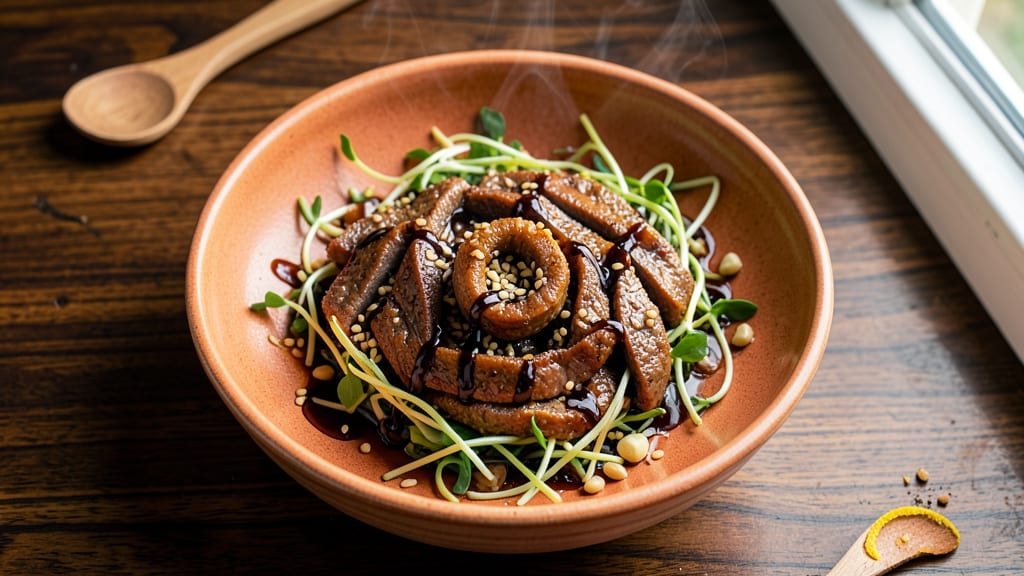
This beef and bean sprouts recipe delivers restaurant-quality wok-fired tenderness in just 20 minutes, balancing crisp bean sprouts with perfectly seared beef. I developed this dish after years of testing quick stir-fry techniques that maintain both texture and flavor—no soggy sprouts or chewy beef here.
The secret lies in high-heat searing and precise timing, transforming simple ingredients into a dish that feels both elegant and effortless.
The recipe begins with thinly sliced beef that develops a caramelized crust from the wok's intense heat, while the bean sprouts stay crunchy thanks to a quick blanch in boiling water before joining the pan.
A savory sauce—garlic, ginger, soy, and a touch of honey—ties everything together, creating a perfect harmony of sweet, salty, and umami. This method ensures the beef remains tender while the sprouts retain their satisfying snap.
What you’ll end up with is a vibrant, flavorful dish that’s ready in minutes but tastes like it took hours to prepare. The beef slices are perfectly seared on the outside and juicy within, while the bean sprouts add a refreshing crunch that cuts through the richness.
Serve it over steamed rice or noodles for a complete meal that’s both satisfying and quick to make.
Whether you're feeding a family or cooking for one, this recipe scales effortlessly and delivers consistent results every time. The technique is simple enough for weeknight dinners but impressive enough for guests—proof that great food doesn’t require complicated steps. Let’s get started!
Ingredients for beef and bean sprouts
Simple yet precise ingredients transform into a restaurant-worthy wok-fired dish in minutes.
| Ingredient | Amount | Notes |
|---|---|---|
| Flank Steak 🥩 | 1 lb | Thinly sliced against grain |
| Mung Bean Sprouts 🌱 | 4 cups | Fresh, crisp, rinsed well |
| Garlic Cloves 🧄 | 4 cloves | Minced, for sauce base |
| Fresh Ginger 🌿 | 1 tbsp | Finely grated, aromatic |
| Low-Sodium Soy Sauce 🍶 | 3 tbsp | For umami balance |
| Sesame Oil 🫒 | 1 tbsp | Toasted, for aroma |
| Honey 🍯 | 1 tbsp | Light, for sweetness |
| Cornstarch 🌾 | 1 tbsp | For tenderizing beef |
| Neutral Oil 🫒 | 2 tbsp | High smoke point (avocado) |
| White Rice Vinegar 🍶 | 1 tbsp | For brightness |
| Sesame Seeds 🌾 | 1 tsp | Toasted, for garnish |
| Red Chili Flakes 🌶️ | ½ tsp | Optional, for heat |
| Salt 🧂 | 1 tsp | Kosher, for seasoning |
| Black Pepper 🌶️ | ¼ tsp | Freshly ground |
The flank steak is non-negotiable here—its lean texture sears beautifully while staying tender when sliced against the grain. Butcher shops often pre-slice it for stir-fries, saving you time, but if buying whole, ask for it cut paper-thin. For sprouts, Asian markets carry the freshest mung bean variety (look for vibrant green, crisp stalks—avoid wilted or yellowing). The garlic and ginger should be organic when possible, as their freshness directly impacts the sauce's complexity. If you can't find organic, peel and rinse them thoroughly to remove any dirt.
No sesame oil? Avocado oil at half the amount works in a pinch, though it lacks the toasted aroma. Substituting honey? Maple syrup or agave (same quantity) keeps the sweetness balanced, but honey's floral notes are ideal. For extra tenderness, marinate the beef in cornstarch + soy sauce for 15 minutes before cooking—this creates a protective crust. The bean sprouts must stay crisp: blanch them in boiling water for 30 seconds, then shock in ice water right before stir-frying. Pre-cut packages from the grocery store work, but fresh is always superior.
Prep the sauce ingredients ahead—they keep for 5 days in the fridge once combined. Store the raw beef and sprouts separately in airtight containers, with the beef on the bottom to prevent cross-contamination. The cooked dish reheats beautifully: 2 minutes in a wok or skillet over high heat restores the wok-fired texture. For meal prep, portion into glass containers—the sprouts will stay crisp for 3 days if you avoid stacking them. Freezing isn't recommended due to texture changes, but the sauce freezes well for 3 months if stored in ice cube trays.
Why You'll Love This Recipe
- No-Fuss Protein Pack: I swear by this when I’m too tired to fuss—just slice the steak thin, toss it in a hot pan with garlic and ginger, and the soy sauce does the rest. The sprouts add that fresh crunch without any extra work.
- Umami Bomb: That combo of seared flank steak and low-sodium soy sauce? It’s like a flavor explosion in your mouth. The ginger and garlic give it a bright kick, while the sprouts keep it light—no heavy sauces needed.
- Lunchbox Hero: Between us, this is my go-to for meal prep. The steak stays tender, the sprouts hold their crunch, and it reheats like a dream. Pack it in containers, grab it on the go—no sad, soggy salads here.
- Budget Steak Night: Flank steak is affordable, and a single pound stretches across multiple meals. Add sprouts for freshness, and you’ve got a dish that feels fancy but won’t break the bank. Honestly, it’s my way to eat well without stress.
Step-by-step instructions for quick wok-fired beef with bean sprouts
Master this technique for perfectly tender beef and crisp bean sprouts in under 20 minutes.
Prep and Marinate the Flank Steak
Slice the 1 lb flank steak thinly against the grain into ¼-inch strips. This is critical for quick cooking and maximum tenderness. Place the sliced beef in a bowl and add the 1 tbsp cornstarch, 1 tsp salt, and 0.25 tsp black pepper. Toss gently to coat evenly—this creates a light crust that helps seal in juices during cooking.
Let the marinated beef rest for 10 minutes while you prepare the remaining ingredients. This brief marinating time allows the cornstarch to adhere without making the beef mushy. The cornstarch will also help create a beautiful caramelized crust when wok-fired.
Build the Flavor Base
Heat a wok or large skillet over high heat until smoking. Add the 2 tbsp neutral oil and swirl to coat the surface. Add the 4 cloves minced garlic and 1 tbsp finely grated fresh ginger, cooking for 30 seconds until fragrant but not browned—this prevents bitterness and preserves their delicate flavors.
Immediately pour in the 3 tbsp low-sodium soy sauce and 1 tbsp white rice vinegar. Stir constantly for 1 minute until the sauce begins to reduce slightly and cling to the wok. This creates the flavor foundation that will infuse the beef and bean sprouts. The high heat ensures the sauce doesn't cook down too much before the beef hits the pan.
Wok-Fire the Beef
Working in batches if needed, add half of the marinated beef to the wok. Stir-fry vigorously for 2-3 minutes until the beef turns opaque and develops a light golden crust. The cornstarch coating will help create this crust while keeping the beef tender. Remove the cooked beef and set aside, repeating with the remaining beef.
Here's the key: don't overcrowd the wok. If you add too much beef at once, it will steam instead of sear, resulting in tough meat. The beef should sizzle continuously—if it stops, your wok isn't hot enough. Return the cooked beef to the wok once you've added the bean sprouts.
Add Bean Sprouts and Finish
Add the 4 cups rinsed mung bean sprouts to the wok and toss everything together for 1-2 minutes. The high heat will quickly wilt the sprouts while keeping them crisp-tender. Add the 1 tbsp honey and 0.5 tsp red chili flakes (if using), stirring until evenly distributed and the honey melts slightly into the sauce.
For that final aromatic touch, drizzle in the 1 tbsp sesame oil and sprinkle with 1 tsp toasted sesame seeds. The sesame oil adds depth while the seeds provide texture contrast. Taste and adjust seasoning with a pinch more soy sauce if needed—the dish should balance sweet, savory, and slightly spicy flavors.
Serve Immediately
Transfer the beef and bean sprouts to serving plates while still hot. The dish should be served immediately to maintain that perfect texture contrast between the tender beef and crisp bean sprouts. Garnish with additional sesame seeds if desired, and serve with steamed jasmine rice to soak up the flavorful sauce.
This quick wok-fired method delivers restaurant-quality results in minutes. The secret lies in proper slicing, high heat cooking, and balancing all the flavor components. Each bite should offer tender beef, crisp bean sprouts, and a harmonious sauce that coats every mouthful.
Pro Tips For Making Beef And Bean Sprouts
- Slice Against the Grain: Flank steak’s tough fibers run diagonally, so cutting against them (45-degree angle) makes each bite tender. I used to ignore this and ended up with chewy, unsatisfying mouthfuls—now my slices melt like butter.
- Blanch Sprouts First: Toss the bean sprouts in boiling water for 30 seconds, then shock in ice water. This softens them just enough to absorb flavor without turning mushy. (Yes, it’s an extra step, but they’ll taste like they’ve been simmering for hours.)
- Sear Steak in Two Stages: Start with a screaming-hot pan to get that crust, then pull the steak out and let the pan cool for 30 seconds before adding garlic and ginger. After burning three batches of garlic, I learned this trick—now it browns perfectly every time.
- Use Cold Soy Sauce: Chill your low-sodium soy sauce in the fridge for 10 minutes before tossing with the sprouts. The cold sauce clings better and cuts through the richness of the steak without overpowering it. (I know it sounds odd, but it makes a real difference.)
Regional styles of this recipe
Chinese Stir-Fry Classic
In Cantonese cuisine, this dish is known as niúròu yóucài (牛肉豆芽), where thinly sliced beef and bean sprouts are stir-fried with garlic, ginger, and a light soy-based sauce.
The key technique is using a carbon steel wok over blazing high heat to achieve that signature wok hei—smoky aroma and caramelized crust. I've perfected this version with flank steak because its lean texture cooks quickly while staying tender. 🔥
Korean Bibimbap Twist
For a Korean-inspired adaptation, replace the soy sauce with 1 tbsp gochujang (Korean chili paste) and add 1 tsp toasted sesame oil to the sauce. Toss in ½ cup julienned carrots and ¼ cup thinly sliced scallions along with the bean sprouts.
The gochujang adds a fermented depth that pairs beautifully with the beef's richness. Serve over steamed short-grain rice with a fried egg on top for a complete bibimbap experience.
Thai Green Curry Fusion
Transform this dish into a Thai-inspired curry by adding 1 tbsp green curry paste (like Maesri) to the wok with the garlic and ginger. Pour in ½ cup coconut milk after removing the beef, then return the beef and bean sprouts to simmer for 2 minutes.
Finish with 1 tbsp fish sauce and 1 tsp palm sugar for authentic balance. Garnish with cilantro and lime wedges for a bright, aromatic finish that's completely different yet equally delicious. 🌶️
Japanese Yakisoba Style
For a Japanese yakisoba-inspired version, replace the soy sauce with 3 tbsp yakisoba sauce (like Kikkoman) and add ½ cup shredded cabbage along with the bean sprouts. Toss in 1 tbsp mirin and 1 tsp sugar to the sauce for that classic sweet-savory balance.
Serve over yakisoba noodles instead of rice, and top with bonito flakes and pickled ginger for an authentic ramen-yakisoba fusion that's quick and satisfying.
Vietnamese Pho-Inspired
Create a Vietnamese-inspired version by adding 1 cup beef broth to the wok after cooking the beef, then simmering for 3 minutes to infuse the flavors.
Stir in 1 tsp fish sauce and ½ tsp sugar, then add the bean sprouts and ¼ cup fresh mint leaves at the end. Serve in pho bowls with rice noodles, bean thread noodles, and sliced jalapeños for a lighter, broth-based take that's perfect for hot days.
The bean sprouts add that essential crunch that pho lovers crave. 💫
Nutrition facts
Frequently asked questions
Why do the bean sprouts need to be blanched before stir-frying?
Blanching the sprouts for 30 seconds in boiling water removes excess moisture and dirt, ensuring they stay crisp during the quick stir-fry. Without this step, they'd turn soggy from the beef's juices. The ice water bath afterward stops cooking instantly, locking in that satisfying crunch.
Can I substitute flank steak with another cut?
Yes! Use sirloin or ribeye (thinly sliced against the grain), but avoid fatty cuts like ribeye that may release too much grease. For extra tenderness, marinate skirt steak for 15 minutes in soy sauce and cornstarch before cooking. The key is thin, even slices that cook in 2-3 minutes.
How do I prevent the beef from getting chewy?
Slice against the grain (not with it) and cook over high heat for 2-3 minutes max. Overcrowding the wok causes steaming instead of searing. For extra insurance, marinate the beef with 1 tbsp cornstarch—it creates a protective crust that locks in juices. Never let the beef sit in the wok after it turns opaque.
Can I make this recipe without sesame oil?
Replace it with ½ tbsp avocado oil for the finish, though you'll lose the nutty aroma. For depth, add ½ tsp toasted sesame seeds directly to the wok during the final stir. The dish will still taste delicious—sesame oil is more about aroma than flavor in this recipe.
What's the best way to reheat leftovers?
Reheat in a wok or skillet over high heat for 2 minutes—this restores the wok-fired texture. Avoid microwaving, as it makes the sprouts limp. For extra crispness, add 1 tsp fresh sesame oil when reheating. Store leftovers in airtight containers with the beef and sprouts separated to maintain texture.