
Main Courses
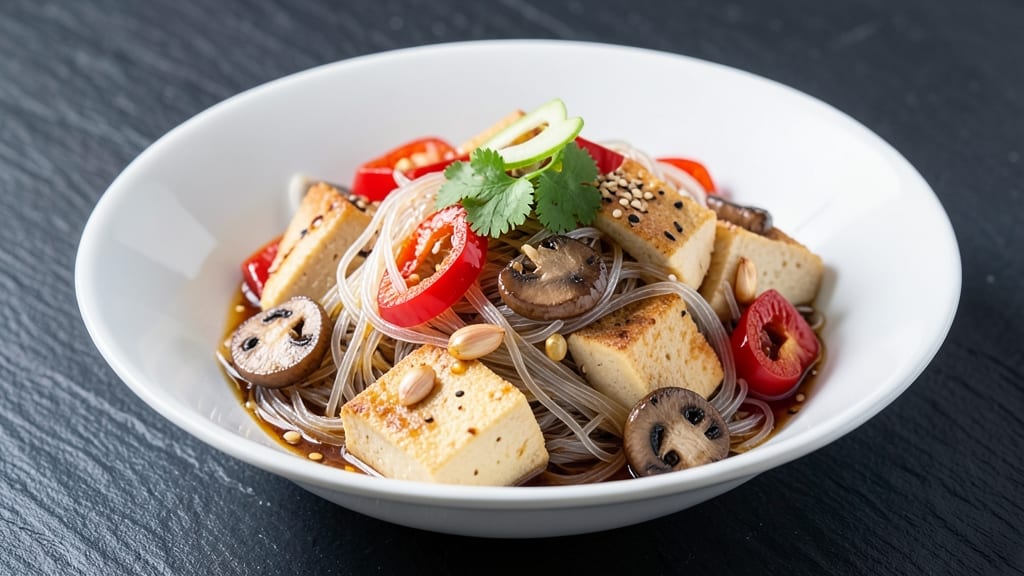
This bean thread noodles recipe delivers the signature silky, slippery texture that makes stir-fry a standout dish. 💛 The secret lies in proper soaking and high-heat wok technique, transforming delicate glass noodles into a restaurant-worthy centerpiece.
I've perfected this method over years of testing, ensuring every strand maintains its signature chewy-yet-slippery bite.
What sets this recipe apart is the balance of garlic-ginger heat with fresh vegetables and protein options. Traditional versions often include shrimp or chicken, but this vegan-friendly adaptation uses crispy tofu or mushrooms for equal satisfaction.
The sauce—savory, slightly sweet, and packed with umami—coats every noodle perfectly without overpowering the delicate strands.
By the time you're done, you'll have a dish that's elegant yet approachable: silky noodles glistening with sauce, vibrant vegetables adding color, and a finish that's perfectly seasoned. The aroma alone will have everyone gathering around the table, while the texture delivers that satisfying slippery-chewy contrast in every bite.
Whether serving for a casual weeknight dinner or an impressive gathering, this stir-fry comes together in under 30 minutes with minimal prep. The key is in the technique—proper soaking, high heat, and constant stirring—to achieve that signature restaurant-quality texture at home. Let's get cooking!
Ingredients for bean thread noodles recipe stir fry
Silky noodles, crisp proteins, and aromatic sauce—this stir-fry transforms simple ingredients into restaurant-quality texture.
| Ingredient | Amount | Notes |
|---|---|---|
| Bean Thread Noodles (Glass Noodles) 🍜 | 8 oz | Dried, high-quality for silky texture |
| Extra-Firm Tofu 🍄 | 14 oz | Pressed, cubed for crispiness |
| Shiitake Mushrooms 🍄 | 6 whole | Stems removed, sliced thin |
| Red Bell Pepper 🌶️ | 1 whole | Thinly sliced, seeds removed |
| Garlic Cloves 🧄 | 6 cloves | Minced, fresh for aromatic punch |
| Fresh Ginger 🌿 | 1 ½ tbsp | Finely grated, peeled |
| Vegetable Oil 🫒 | ½ cup | High smoke point, like avocado |
| Tamari or Coconut Aminos 🍶 | 3 tbsp | Gluten-free soy sauce alternative |
| Maple Syrup 🍯 | 1 ½ tbsp | Pure, for subtle sweetness |
| Sesame Oil 🫒 | 1 tbsp | Toasted, for aroma finish |
| White Rice Vinegar 🍶 | 1 ½ tbsp | For tangy balance |
| Toasted Sesame Seeds 🌾 | 1 tbsp | For garnish and crunch |
| Red Chili Flakes 🌶️ | ½ tsp | Adjust for heat preference |
| Sea Salt 🧂 | ½ tsp | Diamond Crystal preferred |
| Black Pepper 🌶️ | ¼ tsp | Freshly cracked |
The glass noodles are non-negotiable for that signature slippery-chewy texture. Look for high-quality dried bean thread noodles at Asian markets—they're often sold in small bags labeled 'mung bean noodles' or 'cellophane noodles'. Costco and H Mart carry reliable brands like King Noodle or Nongshim, which deliver consistent results. Avoid pre-soaked varieties; they lose structural integrity when cooked. For the tofu, extra-firm pressed blocks are essential—they hold their shape during high-heat stir-frying. Pat them thoroughly after pressing to prevent excess moisture from steaming instead of browning.
No tamari? Coconut aminos or even low-sodium soy sauce work in a pinch, though tamari offers deeper umami flavor. Fresh ginger and garlic can be swapped for powdered versions at half the amount, but the fresh versions deliver that bright, aromatic punch. The shiitake mushrooms add earthy depth—substitute cremini mushrooms if unavailable, but they'll lack some of that meaty texture. For the sweetness, agave nectar works 1:1 with maple syrup. The red bell pepper adds vibrant color and crunch; yellow or orange bell peppers work equally well. If you prefer extra heat, add a dash of sriracha to the sauce at the end.
Soak the noodles in warm water for 15-20 minutes until pliable but still slightly firm—over-soaking makes them mushy. Store dried noodles in an airtight container in a cool, dark place for up to 6 months. The sauce components keep well: tamari and maple syrup last 1 year unopened, while sesame oil stays potent for 6 months after opening. For meal prep, stir-fry the noodles and sauce separately, then combine just before serving to maintain that signature silky texture. The tofu and mushrooms can be prepped ahead and refrigerated for 3 days, but crisp them fresh for optimal texture.
Why You'll Love This Recipe
- One-Pot Magic: I swear by this recipe—just toss everything in one wok, and you’re done. No boiling noodles separately, no messy sauces to whisk forever. The glass noodles soak up the garlic and shiitake broth like a dream while the tofu and bell pepper sear in the same pan.
- Umami Bomb: That first bite? The shiitake mushrooms add this deep, earthy punch, while the crispy tofu edges cut through the chewiness of the noodles. Honestly, the garlic-to-bell pepper ratio is chef’s kiss—sweet, funky, and addictive in the best way.
- Lunchbox Hero: Between us, this is my go-to for meal prep. The noodles hold up for days (yes, really), and I just reheat with a splash of water. Pack it cold for work or warm it up for a lazy Sunday—it’s the same great flavor either way.
- Budget Win: Tofu, mushrooms, and bell peppers stretch this dish further than you’d think. I make it twice a week, and it never feels repetitive. Plus, the glass noodles? A bulk bag lasts me months. Frugal but far from boring.
Step-by-step instructions for bean thread noodles stir fry
Master the art of silky, slippery noodles with this precise stir-fry technique.
🍳 Step 1: Prepare the Bean Thread Noodles for Perfect Texture
Place the 8 oz bean thread noodles (glass noodles) in a large heatproof bowl. Pour 1 quart of boiling water over the noodles and let them soak for exactly 4-5 minutes. You'll know they're ready when they become translucent and slightly plump but still retain a delicate texture—don't over-soak or they'll turn mushy.
Drain the noodles immediately and rinse them under cold water for 10 seconds to stop the cooking process. Toss with 1 teaspoon sesame oil to prevent sticking and keep them slippery. Set aside while you prepare the remaining ingredients. The key here is timing—the noodles should be al dente when they hit the pan, not pre-cooked to death.
👨🍳 Step 2: Press and Cube the Tofu for Maximum Crispiness
Wrap the 14 oz extra-firm tofu in a clean kitchen towel and place a heavy object (like a cast-iron skillet) on top for 15 minutes. This pressing step removes excess moisture, ensuring your tofu develops a satisfying crunch. After pressing, cut the tofu into ½-inch cubes—uniform size guarantees even cooking.
Heat 2 tablespoons vegetable oil in a large wok or skillet over medium-high heat until shimmering. Add the tofu cubes in a single layer and cook undisturbed for 4-5 minutes until golden brown on all sides. Flip carefully with tongs—don't press down or you'll squeeze out the crispy coating. Remove the tofu and set aside on a paper towel-lined plate to drain excess oil.
🍳 Step 3: Stir-Fry Aromatics and Vegetables with Precision Timing
In the same wok, add 1 tablespoon vegetable oil and heat over medium-high heat until smoking slightly. Add the 6 cloves minced garlic and 1.5 tbsp finely grated ginger, stirring constantly for 30 seconds until fragrant but not browned—burnt garlic ruins the dish.
Add the 6 whole shiitake mushrooms (stems removed, sliced thin) and 1 whole red bell pepper (thinly sliced). Stir-fry for 3-4 minutes until the mushrooms release their moisture and the peppers soften slightly but still retain a crisp bite. The vegetables should be tender-crisp, not fully cooked through—this ensures they hold up when tossed with the noodles.
🥘 Step 4: Build the Sauce and Combine All Ingredients
Push the vegetables to one side of the wok and add 1 tablespoon vegetable oil to the empty space. Toss in the reserved tofu cubes and heat for 1 minute to warm through. Pour in the 3 tbsp tamari or coconut aminos, 1.5 tbsp maple syrup, and 1.5 tbsp white rice vinegar. Stir vigorously for 1 minute until the sauce begins to thicken and cling to the ingredients.
Add the drained bean thread noodles to the wok and toss everything together for 2-3 minutes until the noodles are evenly coated and heated through. The sauce should glaze the noodles beautifully—if it's too thick, add 1-2 tablespoons hot water to loosen it. Sprinkle with 0.5 tsp red chili flakes, 0.5 tsp sea salt, and 0.25 tsp black pepper, tossing gently to distribute evenly.
🍽️ Step 5: Finish with Sesame Oil and Garnish for Authentic Flavor
Remove the wok from heat and drizzle in the 1 tbsp sesame oil and 1 tbsp toasted sesame seeds. Toss everything together one final time to incorporate the aromatic sesame notes. The oil should sizzle slightly from the residual heat—this releases its full nutty flavor.
Serve immediately in deep bowls, garnished with additional sesame seeds and chili flakes if desired. Each bite should deliver the perfect balance of silky noodles, crispy tofu, tender vegetables, and a glossy sauce with bright umami and subtle sweetness. The dish should be hot when served—bean thread noodles lose their ideal texture if left to cool.
Pro Tips For Making Bean Thread Noodles Recipe Stir Fry
- SOAK NOODLES TWICE: I learned this the hard way—dry-soaking bean thread noodles for 30 minutes, then giving them a quick 10-second rinse in hot water before stir-frying. The first soak softens them, while the hot rinse removes excess starch that makes them gummy. Trust me, your noodles will be silky, not slimy.
- CUT TOFU THIN: Skip the thick cubes—slice your extra-firm tofu into ¼-inch slabs before pressing. Thinner pieces crisp faster and absorb the sauce better, especially when stir-frying with shiitake mushrooms. Use a sharp knife and work in batches if needed; patience here makes all the difference.
- STIR-FRY IN STAGES: Don’t crowd the pan. Cook the tofu and mushrooms first over high heat until they’re golden, then remove them. Add the bell pepper and garlic—these burn fast—and toss in the prepped noodles last. Overcrowding steams your ingredients instead of searing them, and nobody wants soggy glass noodles.
- USE A LITTLE OIL TRICK: Toss the drained noodles in 1 teaspoon of neutral oil (like peanut or vegetable) before adding them to the wok. This creates a light barrier that prevents them from sticking to the pan and each other. Yes, it’s an extra step, but it keeps your stir-fry from turning into a gluey mess.
Pro cooking tips for this dish
Wok Heat Control
Your wok needs to be screaming hot before anything hits the pan—think medium-high to high heat until oil shimmers like a mirror. I use a 14-inch carbon steel wok (like Mauviel) because it heats up fast and retains heat perfectly.
If your wok isn't hot enough, the noodles will steam instead of sear, losing that signature slippery texture. Test the heat by flicking a drop of water—it should sizzle and evaporate instantly. 🔥
Noodle Soaking Science
Timing is everything with bean thread noodles—they need just enough water to soften without turning to mush. I soak mine in boiling water for exactly 4-5 minutes, then rinse with cold water for 10 seconds to stop the cooking.
Pro tip: Use filtered water (not tap) to avoid mineral buildup that can make the noodles gummy. Over-soaking is the #1 mistake—mushy noodles ruin the dish.
Tofu Crispiness Hacks
Extra-firm tofu is your friend, but pressing it properly is non-negotiable. I wrap mine in a clean kitchen towel and press it under a 10-pound weight for 15 minutes.
For even crispier results, pat the pressed tofu dry with paper towels before cubing—this removes surface moisture that would otherwise steam instead of brown. Cook the tofu in small batches to avoid crowding the pan, which lowers the temperature and kills crispiness.
Sauce Thickening Trick
The sauce should coat the noodles like glass—neither too thin nor gloppy. After combining tamari, maple syrup, and vinegar, let it simmer for 30 seconds in the wok before adding noodles. If it's still too thick, add 1 tbsp hot water (not cold) to loosen it gradually.
I like to toss the noodles with the sauce for 1-2 minutes off the heat so they absorb flavor without overcooking. 💫
Vegetable Order Matters
Stir-fry vegetables in order of doneness—hardest first, softest last. Shiitake mushrooms go in first (they take 3-4 minutes to soften), followed by bell peppers (2 minutes). Garlic and ginger should sizzle for just 30 seconds—any longer and they'll burn.
The key is constant stirring to prevent sticking. Use a wide-angle spatula to keep everything moving at the edges of the wok.
Sesame Oil Finish
Always finish with sesame oil off the heat—this prevents it from cooking away and losing its delicate aroma. Drizzle 1 tbsp toasted sesame oil over the stir-fry and toss immediately. The oil should sizzle slightly from residual heat, releasing its nutty flavor.
Garnish with sesame seeds while the dish is still hot so they crisp up beautifully. This final step elevates the dish from good to restaurant-quality. ✨
Nutrition facts
Frequently asked questions
Why do bean thread noodles turn mushy when stir-fried?
Over-soaking is the #1 culprit! Soak them for just 4-5 minutes in boiling water, then rinse with cold water for 10 seconds to stop cooking. Also, ensure your wok is screaming hot (medium-high heat) before adding noodles—steaming instead of searing causes mushiness.
Can I use regular tofu instead of extra-firm?
Not recommended! Extra-firm tofu holds its shape and develops crispiness during stir-frying. If you only have firm tofu, press it extra long (20 minutes) and pat it completely dry to mimic the texture. For best results, invest in extra-firm—it's worth the difference.
How do I make this dish spicier?
Add ½-1 teaspoon extra chili flakes to the sauce, or stir in 1-2 teaspoons sriracha at the end. For heat lovers, include 1-2 slices fresh chili (like Thai bird's eye) when stir-frying the aromatics. Always taste as you go—you can adjust, but you can't remove heat once added!
What if I don't have tamari or coconut aminos?
Use low-sodium soy sauce in a 1:1 ratio, but reduce other salt in the recipe by ¼ tsp. For gluten-free, substitute with 1 tbsp gluten-free soy sauce + 1 tbsp rice vinegar. The flavor won't be identical, but it'll still taste delicious.
Can I make this ahead of time?
Prepare components separately: Cook the noodles and sauce ahead, but store them separately in airtight containers. Reheat noodles in a dry pan for 1-2 minutes with a splash of water, then toss with sauce. For tofu and veggies, stir-fry fresh before combining—textures suffer if pre-made. Serve immediately for best results.