
Side Dishes
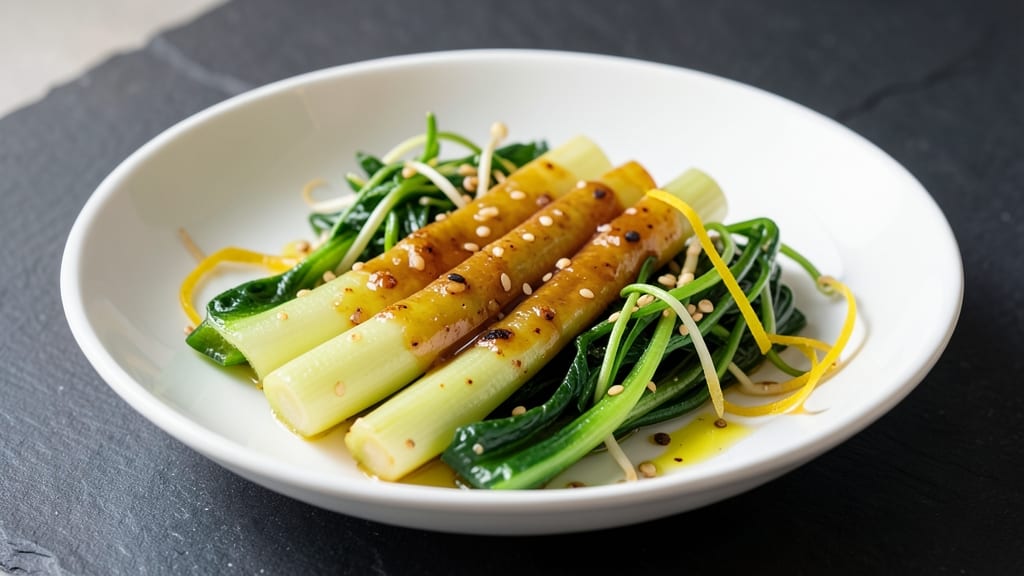
This bok choy and mung bean sprouts recipe delivers a perfect balance of crisp-tender textures and bold umami flavors in just 15 minutes. The secret lies in quick wok-searing that preserves the sprouts' signature crunch while caramelizing the bok choy's edges into sweet, savory perfection.
I developed this dish after realizing how often fresh greens get overcooked in stir-fries—this method fixes that completely.
What sets this recipe apart is the two-stage cooking process: first searing the bok choy until vibrant green with crisp edges, then adding the sprouts at the very end to maintain their signature snap.
A simple soy-ginger sauce ties everything together with just the right amount of tang and depth. The result is a side dish that stands up to any main course—whether you're serving it alongside grilled fish, steamed rice, or as a standalone vegetarian bowl.
The beauty of this preparation is its versatility—it works equally well as a quick weeknight side or an elegant addition to special meals.
The combination of earthy bok choy and peppery sprouts creates a flavor profile that's both familiar and exciting, with just enough complexity to elevate simple ingredients into something restaurant-worthy. The aroma alone will have everyone at the table asking for seconds.
For best results, use fresh, crisp mung bean sprouts and bok choy with tightly wrapped leaves—this ensures maximum crunch and vibrant color. The recipe scales perfectly for crowds, making it ideal for meal prep or entertaining. Ready to transform humble ingredients into a standout dish?
Ingredients for bok choy mung bean sprouts
Fresh bok choy and crisp mung bean sprouts transform into restaurant-quality wok-seared crunch with just twelve ingredients.
| Ingredient | Amount | Notes |
|---|---|---|
| Bok Choy 🥬 | 4 whole | Baby or standard heads, tightly wrapped leaves |
| Mung Bean Sprouts 🌱 | 4 cups | Fresh, crisp, rinsed thoroughly |
| Extra-Virgin Olive Oil 🫒 | 2 tbsp | High-quality, fruity variety |
| Sesame Oil 🫒 | 1 tbsp | Toasted, for aroma |
| Low-Sodium Soy Sauce 🥢 | 2 tbsp | Kikkoman preferred |
| Fresh Ginger 🧄 | 1 tbsp | Finely grated, aromatic |
| Garlic Cloves 🧄 | 3 cloves | Minced, fresh preferred |
| Sesame Seeds 🌾 | 1 tbsp | Toasted, for garnish |
| Red Chili Flakes 🌶️ | ½ tsp | Adjust for heat preference |
| Sea Salt 🧂 | ½ tsp | Diamond Crystal preferred |
| Black Pepper 🌶️ | ¼ tsp | Freshly ground |
| Lime Wedges 🍋 | 2 whole | For serving, freshly cut |
The bok choy is non-negotiable—look for heads with tightly wrapped, vibrant green leaves at Whole Foods or your local Asian market. Trader Joe's carries excellent quality, but avoid wilted or yellowing leaves. Mung bean sprouts should be crisp and fresh, never slimy; rinse them thoroughly before using. For the ginger, use the freshest root you can find—peeled and grated on the finest side of a box grater releases the most aromatic oils. If you're short on time, Kikkoman soy sauce is a reliable choice for consistent flavor, though homemade tamari offers deeper complexity.
No sesame oil? Toasted peanut oil works in a pinch, though it lacks the nutty depth. Substitute dried shiitake powder for umami if mushrooms aren't available—just half a teaspoon goes a long way. The garlic can be pre-minced from a jar, but freshly minced adds a brighter punch. For heat, gochugaru Korean chili flakes provide a different but equally vibrant flavor profile. If your lime is dry, substitute lemon juice at the same ratio, but the citrus notes won't be identical. The two-stage cooking process is critical—overcrowding the wok will steam instead of sear, so work in batches if needed.
Store bok choy wrapped in a damp paper towel in the fridge for 3-4 days—it wilts quickly once cut. Mung bean sprouts keep for 5-6 days in a breathable container, but use them within 2 days for maximum crunch. The sauce components (soy, ginger, garlic) can be prepped ahead and stored for 3 days in an airtight container. For meal prep, cook the bok choy first, store it separately, and add the sprouts fresh when reheating to preserve their texture. Garnishes like sesame seeds and lime should be added just before serving.
Why You'll Love This Recipe
- Foolproof Freshness: I swear by this recipe because it’s the kind of dish that looks impressive but takes zero effort. Just a quick rinse for the mung bean sprouts, a rough chop of bok choy, and a splash of soy—no blanching, no fussy techniques. Honestly, I’ve made it after a 10-hour shift and still had energy left.
- Umami Magic: That combo of sesame oil and low-sodium soy sauce? It’s the secret weapon here. The sprouts soak up the flavor like a sponge, while the bok choy stays crisp-tender—crunchy outside, silky inside. Between us, it’s the kind of dish that makes you want to eat it straight from the pan.
- Lunchbox Hero: This is my go-to for meal prep because it holds up perfectly for days. Pack the leftovers in containers, and the flavors only get better as the bok choy softens slightly. My kids (yes, even the picky ones) grab these for school lunches, and my husband brings them to work—no sad wilted greens here.
- Budget Crunch-Saver: Mung bean sprouts and bok choy are cheap but feel fancy, and a little sesame oil goes a long way. I’ve fed four people for under $8 with this, and it’s still the star of the table. Not the prettiest, but the taste makes up for it every time.
Step-by-step instructions for wok-seared bok choy and mung bean sprouts
Master this vibrant stir-fry technique to create a dish where crisp-tender bok choy meets delicate sprouts in perfect harmony.
Prepare the Vegetables for Optimal Texture
Begin by rinsing the 4 cups mung bean sprouts thoroughly under cold water, then drain in a colander and pat dry with a clean kitchen towel. This removes excess moisture that would otherwise steam the vegetables instead of searing them. While the sprouts dry, separate the 4 whole bok choy by gently pulling apart the tightly wrapped leaves. Discard any wilted outer leaves and trim the thick stems into ¼-inch thick slices using a sharp chef's knife - this ensures even cooking throughout.
Keep both the bok choy and sprouts in separate bowls until ready to cook. The bok choy should be cut into bite-sized pieces while maintaining the leaf structure - think about keeping the leaves intact rather than chopping them into small pieces. This preserves their natural texture and presentation. I like to leave the stems slightly longer than the leaves as they contain more flavor and require slightly more cooking time.
Build the Flavor Base with Aromatics
Heat a wok or large skillet over high heat until it's smoking hot. Add 2 tablespoons extra-virgin olive oil and let it shimmer for 30 seconds - you should see small bubbles forming around the edges. Immediately add the 3 cloves minced garlic and 1 tablespoon finely grated fresh ginger, stirring constantly for 20-30 seconds until fragrant but not browned. The high heat is crucial here to develop the aromatic compounds without burning the delicate ginger and garlic.
Next, add the 0.5 teaspoon red chili flakes and 0.5 teaspoon sea salt, stirring for another 10 seconds to distribute the spices evenly. This creates a flavorful oil base that will carry through the entire dish. I always add the chili flakes at this stage rather than later to ensure even heat distribution - this prevents any single area from becoming too spicy while others remain bland.
Cook the Bok Choy to Crisp-Tender Perfection
Working quickly, add the prepared bok choy in a single layer to the wok, spreading it out evenly. Cook undisturbed for 2-3 minutes until the edges begin to curl and develop golden spots. This initial undisturbed cooking creates the perfect crispy texture we're aiming for. After the initial sear, stir the bok choy vigorously for 1-2 minutes until the leaves are bright green and just beginning to wilt at the edges - they should still have some bite when bitten into.
Remove the bok choy to a clean plate and set aside. The timing here is critical - the bok choy should be cooked through but still retain its structural integrity. If you notice the leaves wilting completely before the edges crisp, you've cooked them too long. The dish relies on that perfect contrast between crispy edges and tender centers, so don't rush this step.
Sear the Mung Bean Sprouts for Delicate Crunch
Add 1 tablespoon sesame oil to the same wok and swirl it around to coat the surface. Immediately add the 4 cups mung bean sprouts and stir-fry for 1-2 minutes until they just begin to wilt at the edges. The high heat and sesame oil will create a delicate aroma while maintaining the sprouts' signature crunch. Be careful not to overcook - they should remain vibrant green and only slightly softened.
Return the bok choy to the wok and add 2 tablespoons low-sodium soy sauce, tossing everything together for 30-45 seconds until the bok choy is evenly coated with the sauce. The soy sauce should cling to the vegetables rather than pool at the bottom of the pan. Taste at this point and adjust seasoning with additional soy sauce if needed - remember, we're building layers of umami flavor here.
Finish with Toasted Sesame and Lime
Remove the wok from heat and stir in the 1 tablespoon toasted sesame seeds and 0.25 teaspoon black pepper. The heat from the wok will toast the sesame seeds slightly, releasing their nutty aroma. Let the dish sit off heat for 1-2 minutes to allow the flavors to meld together - this resting period is crucial for developing the dish's complex taste profile.
Divide the stir-fry among 4 serving plates and immediately serve with the 2 whole lime wedges on the side. The acidity from the lime brightens all the flavors and cuts through the richness of the sesame oil. I recommend squeezing just a few drops over each serving rather than drowning the dish - the goal is to enhance, not overpower. Garnish with additional sesame seeds if desired, and serve immediately while the vegetables are still crisp-tender.
Pro Tips For Making Bok Choy Mung Bean Sprouts
- STIR-FRY IN STAGES: Bok choy and sprouts cook at wildly different speeds—don’t toss them together at once. Start with the bok choy in a screaming-hot wok for 30 seconds until it just wilts, then add the sprouts and keep moving. The sprouts will blanch in seconds; overcrowding turns them into sad, limp mush.
- DON’T WASH THE SPROUTS: They’re already rinsed at the store—drain and pat them dry with a kitchen towel. Wet sprouts steam instead of crisp up, and no one wants a soggy pile of bean sprouts. (Yes, even if the bag looks dusty.)
- SALT THE SOY SAUCE: Low-sodium soy sauce needs a boost. Mix 1 tablespoon of soy sauce with a pinch of flaky sea salt (about ¼ teaspoon) before tossing—it brightens the flavor without overpowering. I learned this the hard way when my dish tasted flat.
- USE SESAME OIL LAST: Toss the hot stir-fry with olive oil first, then drizzle sesame oil at the very end—just before serving. Cooking it in too early burns off its nutty aroma, leaving you with just the oil’s bitter aftertaste. (And no, a splash at the start doesn’t count.)
Essential equipment for bok choy mung bean sprouts
Wok Essentials
A carbon steel wok is my top recommendation for this recipe—its thin base heats up quickly and evenly, creating the perfect high-heat sear. I use a 14-inch wok from Mauviel because it handles heat distribution beautifully, but a stainless steel wok like De Buyer also works well.
If you don’t have a wok, a large cast iron skillet (like Lodge) or heavy-bottomed stainless steel pan will do the job, though you may need to adjust heat levels slightly. 🔥
Heat Control Tools
High heat is critical for that signature wok-seared texture, so you’ll need a way to monitor it precisely.
A thermometer with a wok attachment (like the ThermoWorks Smoke) helps track the exact temperature, but even without one, you can gauge readiness by looking for small bubbles forming around the edges of the oil.
For safety, I keep a heat-resistant silicone spatula and tongs nearby to toss the vegetables without overcrowding the pan.
Knife and Cutting Board
A sharp chef’s knife is non-negotiable for this recipe—dull blades crush the bok choy and make uneven cuts. I prefer a Japanese-style santoku knife for its precision, but a Western-style chef’s knife works too.
Pair it with a cutting board that won’t slip (I love Teakhaus bamboo boards for their stability). For the mung bean sprouts, a mandoline can help create even slices if you’re feeling fancy, but a knife works just fine.
Prep and Storage
Keep your ingredients fresh with a colander for rinsing sprouts and a clean kitchen towel to pat them dry—excess moisture steams instead of sears. For storage, I use glass airtight containers (like Pyrex) to keep bok choy and sprouts separate until ready to cook.
A small bowl for holding the sauce components (soy, ginger, garlic) while you prep makes assembly easier—just mix them together right before cooking to keep flavors bright.
Optional Upgrades
For an extra layer of flavor, a mortar and pestle lets you grind whole spices like Sichuan peppercorns or star anise for a deeper aroma. If you love toasted sesame seeds, a small dry skillet (or even the wok) can toast them to perfection right before serving.
And for presentation, a slotted spoon helps transfer the dish to plates without losing those crispy edges. 💫
Nutrition facts
Frequently asked questions
Can I substitute regular bean sprouts for mung bean sprouts?
While regular bean sprouts will work in a pinch, mung bean sprouts have a distinct peppery, slightly sweet flavor that complements the bok choy beautifully. If substituting, use soybean sprouts for the closest texture, but expect a milder taste. For extra flavor, add ½ teaspoon fish sauce or 1 teaspoon nutritional yeast to mimic the umami depth.
How do I prevent the mung bean sprouts from getting mushy?
The key is high heat and quick cooking. Add the sprouts only at the very end (after the bok choy is cooked) and stir-fry for just 1-2 minutes until they're barely wilted. Overcrowding the pan also causes steaming—work in batches if needed. For extra crunch, toss them with ½ teaspoon cornstarch before adding to the wok.
Can I make this recipe ahead of time?
Cook the bok choy first and store it separately in an airtight container for up to 2 days. Keep the mung bean sprouts raw until ready to serve—cook them fresh to maintain their signature crunch. When reheating, add the sprouts at the very end (after 30 seconds of reheating the bok choy) to preserve texture. For best results, serve immediately after cooking.
What other vegetables pair well with bok choy and sprouts?
This dish plays beautifully with shiitake mushrooms (add with bok choy for extra umami), water chestnuts (for crunch), or thinly sliced bell peppers (for sweetness). For a protein boost, stir in firm tofu cubes or shrimp during the final 1 minute of cooking.