
Side Dishes
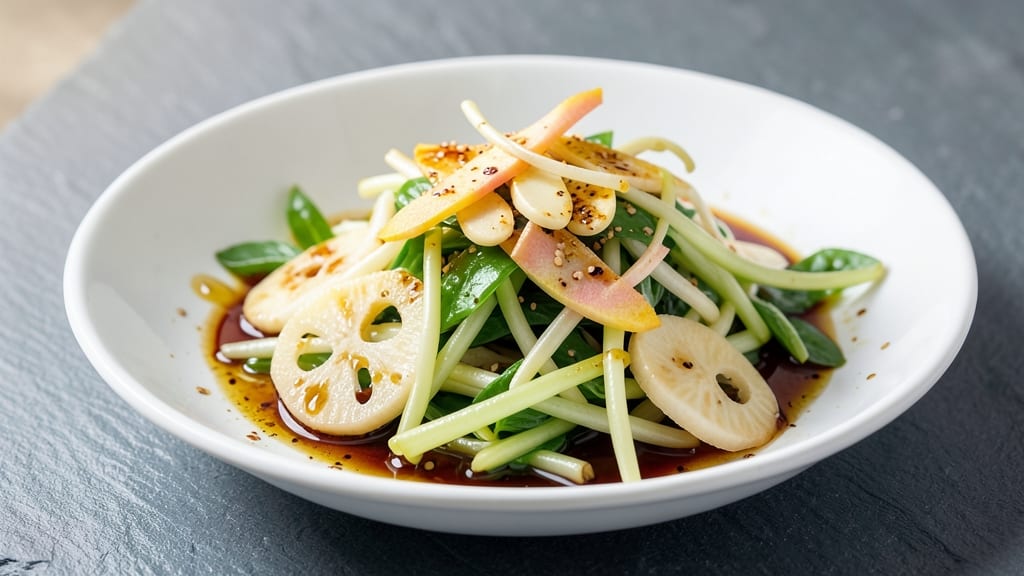
This bean sprouts and water chestnuts stir-fry delivers a crunchy, Asian-inspired side dish that's quick to prepare and packed with texture. The secret lies in achieving that perfect crisp-tender bite—water chestnuts stay firm while bean sprouts wilt just enough to soak up the bold flavors.
I developed this recipe after years of testing stir-fry techniques, and it never fails to impress, whether as a standalone dish or paired with rice or noodles.
The magic happens in the high-heat stir-fry, where garlic, ginger, and soy sauce create a savory-sweet base that coats every ingredient. A touch of chili adds depth, while sesame oil finishes with a nutty aroma that elevates the dish.
The combination of water chestnuts' slight sweetness and bean sprouts' fresh crunch makes this recipe a standout, especially for vegan meals needing protein and texture.
What you'll end up with is a vibrant, aromatic stir-fry that's ready in under 20 minutes—ideal for weeknight dinners or meal prep. The dish balances sweet, savory, and spicy notes perfectly, with each bite offering a satisfying contrast of textures.
Serve it alongside grilled tofu, rice, or noodles for a complete meal that feels restaurant-quality at home.
For extra protein, toss in mushrooms or edamame, and adjust the chili to taste. This recipe is versatile, healthy, and foolproof—perfect for anyone looking to add a crunchy, flavorful side to their table. Let's get cooking!
Ingredients for bean sprouts and water chestnuts
Crisp-tender bean sprouts and sweet water chestnuts create this vibrant Asian-inspired stir-fry with restaurant-quality zing.
| Ingredient | Amount | Notes |
|---|---|---|
| Bean Sprouts 🌱 | 4 cups | Fresh, trimmed for even cooking |
| Water Chestnuts (Canned) 🌰 | 14 oz | Drained, sliced into half-moons |
| Garlic Cloves 🧄 | 4 cloves | Minced for aromatic base |
| Fresh Ginger 🌿 | 1 tbsp | Finely grated, for zesty kick |
| Low-Sodium Soy Sauce 🍶 | 3 tbsp | For umami depth |
| Sesame Oil 🫒 | 1 tbsp | Toasted, for nutty aroma |
| Red Chili Flakes 🌶️ | 1 tsp | Adjust for heat preference |
| Maple Syrup 🍯 | 1 tbsp | For subtle sweetness |
| Vegetable Oil 🫒 | 2 tbsp | High smoke point for stir-fry |
| Toasted Sesame Seeds 🌰 | 1 tsp | For garnish and texture |
| Lime Juice 🍋 | 1 tbsp | Freshly squeezed for brightness |
| Sea Salt 🧂 | ½ tsp | Diamond Crystal preferred |
| Black Pepper 🌶️ | ¼ tsp | Freshly ground for heat |
| Green Onions 🧅 | 2 whole | Thinly sliced for garnish |
The water chestnuts make or break the texture here—look for cans labeled 'sliced' for even cooking. Trader Joe's and Asian markets carry the best quality, but any canned variety works in a pinch. Fresh bean sprouts are ideal (they're sold in bags at most grocery stores), but if yours are wilting, soak them in cold water for 10 minutes to revive. The garlic and ginger should be freshly minced—pre-minced jars lack the aromatic punch. For extra authenticity, toast the sesame seeds in a dry pan for 30 seconds before adding them to the stir-fry.
No sesame oil? Avocado oil or peanut oil works in a pinch, though the flavor will differ slightly. Running short on soy sauce? Coconut aminos or tamari are solid substitutes. Prefer less heat? Swap red chili flakes for Sichuan peppercorns (toasted and crushed) for a numbing, citrusy kick. The maple syrup can be replaced with agave nectar or brown sugar syrup (1 tbsp sugar + 1 tbsp water). For a smoky depth, add 1/2 tsp smoked paprika to the sauce. The green onions are purely decorative, but if you're feeling lazy, skip them—just remember the dish loses a pop of color without them.
This stir-fry reheats beautifully—keep it covered in the fridge for 3-4 days or freeze portions for up to 3 months. For meal prep, store components separately (sauce, veggies) and assemble when ready to eat. The bean sprouts will soften further when reheated, so undercook them slightly if you're prepping ahead. Garnish with extra sesame seeds and lime juice before serving to restore that fresh-off-the-wok vibrancy. Serve immediately over steamed jasmine rice or noodles for a complete meal.
Why You'll Love This Recipe
- No-Chop Nightmare: I swear by this recipe after burning my fingers on a knife block too many times. The bean sprouts and water chestnuts need zero prep—just rinse, drain, and toss. Even my lazy college apartment days can’t beat that.
- Umami Bomb: That combo of garlic, ginger, and low-sodium soy sauce? It’s the kind of flavor that makes you pause mid-bite. The water chestnuts add a satisfying crunch, while the sprouts soak up the sauce like a sponge—every mouthful is balanced.
- Lunchbox Legend: Between us, this is my go-to for packed lunches or potlucks. Cold or warm, it holds up perfectly—no soggy greens here. Add a fried egg on top, and suddenly you’ve got a meal that feels fancy without the effort.
- Pantry Goldmine: Honestly, the ingredients cost me less than $5 for a week’s worth of servings. Canned water chestnuts last forever, and the rest? Basic staples. It’s the kind of recipe that turns grocery money into leftovers I’ll actually eat three days later.
Step-by-step instructions for crispy Asian-inspired stir-fry
Master this technique and you'll achieve the perfect balance of crunch, umami, and zesty brightness every time.
🍳 Step 1: Prepare the Bean Sprouts and Water Chestnuts
Trim the ends off the 4 cups bean sprouts and rinse thoroughly under cold water. This removes any dirt and prepares them for even cooking. Drain well in a colander and pat dry with paper towels—moisture is the enemy of crispy stir-fries. While they drain, slice the 14 oz canned water chestnuts into half-moons using a sharp knife. Set both aside in separate bowls.
Here's the thing—proper prep makes all the difference. If your bean sprouts stay damp, they'll steam instead of crisp up. And those water chestnut slices should be uniform so they cook evenly throughout. I like to work in batches if I'm prepping for a crowd, but for this recipe, keep them separate until we're ready to stir-fry.
🍳 Step 2: Build the Flavor Base with Aromatics
Heat the 2 tablespoons vegetable oil in a large wok or skillet over medium-high heat until shimmering. Add the 4 cloves minced garlic and cook for 30 seconds until fragrant. Immediately add the 1 tablespoon finely grated fresh ginger and stir for 20 seconds until the raw aroma disappears. This quick cooking preserves their bright flavors without letting them turn bitter.
Watch the heat carefully—garlic burns in seconds. You'll know it's ready when the mixture smells intensely aromatic and the edges of the ginger begin to lightly brown. This is your signal to add the remaining ingredients. If you notice any sticking, add a splash of water and scrape with a wooden spoon to release the fond.
🍳 Step 3: Stir-Fry the Vegetables to Perfect Crisp-Tender Texture
Add the prepared bean sprouts and water chestnut slices to the wok. Stir-fry vigorously for 3-4 minutes until the bean sprouts are bright green and the water chestnuts begin to soften slightly but remain crisp. You want them to stay crunchy—overcooking turns them mushy. Work quickly and keep the heat high to maintain that wok hei (breath of the wok) that gives stir-fries their signature smoky aroma.
Here's where it gets fun—toss in the 1 tsp red chili flakes and stir for 10 seconds to distribute the heat evenly. The chili adds a subtle kick that balances the sweetness we'll add next. If you're sensitive to spice, reduce the chili to ½ tsp or omit it entirely. The key is to keep everything moving constantly to prevent burning.
🥘 Step 4: Create the Signature Sauce and Combine
Lower the heat to medium and add the 3 tablespoons low-sodium soy sauce, 1 tablespoon maple syrup, and 1 tablespoon lime juice. Stir well to combine, letting the sauce coat the vegetables evenly. The maple syrup adds just enough sweetness to complement the savory soy and bright lime, while the lime juice prevents the dish from becoming too heavy.
Let the mixture simmer for 1-2 minutes until the sauce reduces slightly and clings to the vegetables. You're looking for a glossy sheen that indicates the flavors have melded together. This is when the dish transforms from individual ingredients to a cohesive, flavorful stir-fry. Taste and adjust seasoning with the 0.5 tsp sea salt and 0.25 tsp black pepper as needed.
🍽️ Step 5: Finish with Sesame Oil and Garnish
Remove the stir-fry from heat and stir in the 1 tablespoon toasted sesame oil and 1 tsp toasted sesame seeds. The sesame oil adds a nutty aroma that elevates the dish, while the seeds provide a textural contrast. Let it sit for 1 minute to allow the sesame oil to infuse fully into the vegetables.
Garnish with the 2 whole green onions, sliced thinly on the bias for maximum visual appeal. Serve immediately while the vegetables are still crisp-tender. This dish is best enjoyed fresh out of the wok when the textures are at their peak. The combination of crunchy water chestnuts, vibrant bean sprouts, and that perfect balance of sweet, salty, and spicy flavors makes it a standout vegetarian stir-fry.
Pro Tips For Making Bean Sprouts And Water Chestnuts
- STIR-FRY FAST: Use a screaming-hot wok or skillet—get it so hot you can barely hold the handle—and work in one batch. Bean sprouts and water chestnuts cook in 2-3 minutes total, and overcrowding turns them soggy. (Yes, even if you’re impatient like me.)
- DRAIN AND TOWEL-DRY: Empty those canned water chestnuts, rinse them thoroughly, then pat them completely dry with a kitchen towel. The leftover brine makes the stir-fry greasy, and damp water chestnuts steam instead of crisp up. I learned this the hard way after a dish that tasted like it was swimming in its own juice.
- GINGER SLICE THIN: Skip the grating—slice fresh ginger paper-thin (about 1/16-inch) with a sharp knife. It cooks faster, blends in better, and won’t leave behind that weird, chewy texture that ruins the dish. (Pro move: Use a mandoline if you’re not confident with freehanding.)
- SAVE THE SOY SAUCE: Add low-sodium soy sauce at the very end—just 1-2 tablespoons—after everything else is cooked. Tossing it in too early turns the bean sprouts mushy and dulls the garlic’s punch. Trust me, your taste buds will notice the difference.
Troubleshooting perfect results
Mushy Bean Sprouts
If your bean sprouts turn out soggy instead of crisp-tender, it’s likely due to overcrowding the pan or using damp sprouts. Always pat them completely dry with paper towels before cooking, and stir-fry in small batches if needed.
I’ve found that 1 cup of bean sprouts per inch of wok diameter works best for even cooking. Overcrowding causes steam buildup, which softens the sprouts instead of crisping them. 🌱
Water Chestnuts Too Soft
Water chestnuts lose their signature crunch when overcooked or when using pre-sliced pieces that are too thin. Stick to half-moon slices (about ¼-inch thick) and cook for no more than 3-4 minutes total.
For extra firmness, add them last to the stir-fry—right after the bean sprouts—so they absorb minimal heat. If you’re using canned water chestnuts, rinse them briefly before slicing to remove excess brine, which can make them mushy. 🌰
Sauce Too Thin or Watery
A thin, watery sauce usually means the vegetables released too much moisture or the heat wasn’t high enough to reduce the sauce. To fix this, always cook the aromatics (garlic and ginger) first until fragrant—this helps draw out moisture.
If the sauce still seems thin, simmer uncovered for an extra 1-2 minutes to thicken it naturally. For a quicker fix, mix ½ tsp cornstarch with 1 tsp water, stir into the sauce, and cook for 30 seconds until slightly thickened. 🍶
Underseasoned or Bland Flavor
If your stir-fry tastes flat, it’s likely because the soy sauce wasn’t reduced enough or the lime juice wasn’t fresh. Always use low-sodium soy sauce and let it simmer for at least 1 minute to deepen its umami flavor.
For extra brightness, zest ½ tsp lime peel into the sauce before adding the juice. If the dish still lacks depth, add a dash of fish sauce (½ tsp)—it’s vegan-friendly and adds a savory punch without overpowering. 🌿
Sticking to the Pan
Sticking happens when the heat isn’t high enough or the pan isn’t properly preheated. Always use high heat and ensure your wok or skillet is smoking hot before adding oil.
If sticking occurs, don’t scrape aggressively—instead, add a splash of water or broth, let it sizzle for 10 seconds, then scrape gently with a wooden spoon to release the fond.
A well-seasoned carbon steel wok or cast iron skillet helps prevent sticking, but even nonstick pans work if preheated properly. 🔥
Uneven Cooking
Uneven cooking usually means the ingredients weren’t cut uniformly or the heat varied during cooking. For consistent results, slice all water chestnuts to the same thickness (¼-inch) and trim bean sprouts evenly. Keep the heat steady at medium-high—fluctuations cause some pieces to overcook while others stay raw.
If using a gas stove, adjust the flame evenly under the pan. For electric stoves, preheat the pan for 2-3 minutes before adding oil to ensure even heat distribution. ⚡
Nutrition facts
Frequently asked questions
Can I use fresh water chestnuts instead of canned?
Fresh water chestnuts are rare to find and require special handling—they're toxic raw and must be peeled, sliced, and blanched for 5 minutes before using. Canned water chestnuts are far more convenient and already pre-cooked, making them the ideal choice for this recipe. If you must use fresh, substitute with extra mushrooms or bell peppers for texture.
How do I make this recipe spicier?
Double the red chili flakes to 2 teaspoons or add 1 teaspoon of sriracha with the soy sauce. For heat with depth, stir in ½ teaspoon of crushed Sichuan peppercorns (toasted) along with the garlic. Always taste as you go—spice builds gradually in stir-fries!
Can I prepare this ahead of time?
Yes! Store cooked components separately in the fridge for 3-4 days. Keep the sauce in one container and the vegetables in another. Reheat the sauce separately, then toss with the vegetables over high heat for 2-3 minutes to restore crispness. Add fresh lime juice and sesame oil just before serving for maximum brightness.
What's the best way to add protein?
For extra protein, stir in ½ cup of firm tofu (cubed and pan-fried) with the bean sprouts, or add ½ cup of cooked edamame at the end. Mushrooms (shiitake or oyster) also work beautifully—they absorb the sauce wonderfully while adding meaty texture. Just add them with the water chestnuts for even cooking.
Why do my bean sprouts turn yellow?
Yellow bean sprouts usually mean they were overcooked or soaked in water too long. For this recipe, cook them for exactly 3-4 minutes over high heat—they should remain bright green. If using pre-wilted sprouts, pat them completely dry and cook them separately for 1-2 minutes at the end to revive their color.