
Soups & Stews
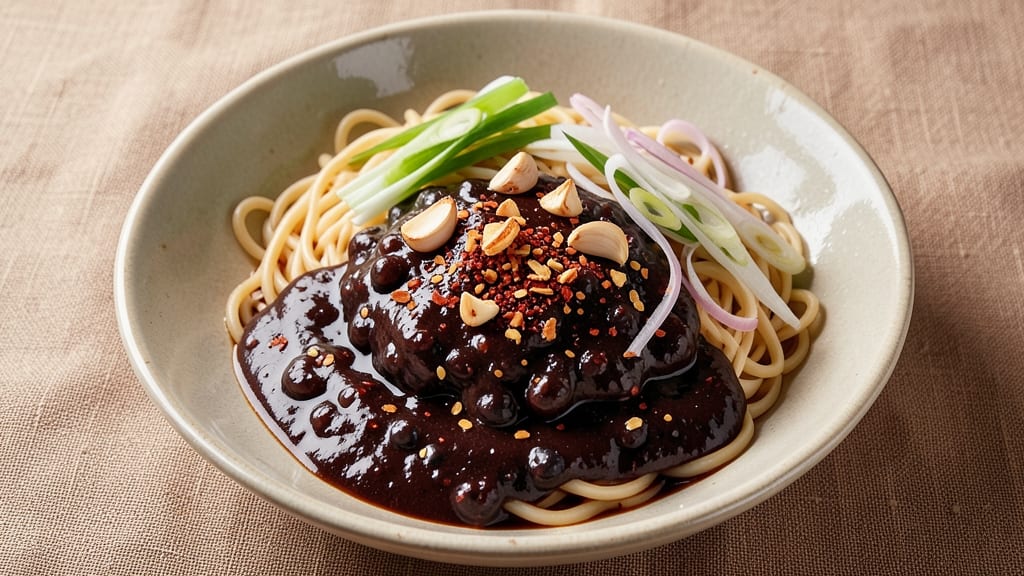
This Korean black bean paste noodles recipe delivers restaurant-quality umami in every bite—crispy rice noodles swimming in a rich, savory broth infused with fermented black bean paste. The secret lies in balancing that deep, nutty fermented flavor with just the right amount of spice and texture, creating a dish that's both comforting and vibrant. I've perfected this vegetarian-friendly version after years of testing, ensuring the noodles stay crispy while absorbing the complex broth.
The magic happens in the broth, where black bean paste provides that signature umami depth without overpowering. We'll build layers of flavor with simple ingredients—garlic, ginger, and a touch of chili—that transform this into a complete meal.
The key technique is toasting the black bean paste until fragrant before dissolving it in hot water, which unlocks its full flavor potential. This method ensures your noodles won't turn mushy but will instead maintain that perfect crisp-tender texture.
What you'll end up with is a bowl of golden, crispy rice noodles coated in a velvety broth that's packed with fermented depth and subtle heat. Each bite delivers that satisfying contrast between the crunchy noodles and the rich, umami-packed sauce.
The dish is hearty enough to stand alone but pairs beautifully with quick-pickled vegetables or a side of fresh herbs for extra brightness. This is Korean home cooking at its finest—simple ingredients transformed into something extraordinary.
Perfect for weeknight dinners or meal prep, this recipe comes together in about 30 minutes with minimal effort. The flavors actually improve as the broth sits, making it ideal for making ahead.
Whether you're serving it to family or treating yourself, one bowl won't be enough. Let's get cooking—your taste buds will thank you.
Ingredients for black bean paste noodles korean
Fermented depth meets crispy texture in this umami-packed Korean noodle dish.
| Ingredient | Amount | Notes |
|---|---|---|
| Korean Black Bean Paste (Chunjang) 🍲 | 2 tbsp | Fermented, for authentic umami |
| Dried Rice Noodles 🍜 | 8 oz | Thin, crispy variety preferred |
| Garlic Cloves 🧄 | 6 cloves | Minced for aromatic base |
| Fresh Ginger 🌿 | 1 tbsp | Grated, for zesty kick |
| Go-Chu-Garu (Korean Chili Flakes) 🌶️ | 1 tbsp | Adjust for heat preference |
| Soy Sauce 🍶 | 2 tbsp | Korean or Japanese preferred |
| Sesame Oil 🫒 | 1 tbsp | Toasted for nutty aroma |
| Vegetable Oil 🫒 | 2 tbsp | For stir-frying noodles |
| Green Onions 🧅 | 3 whole | Thinly sliced, for garnish |
| Sesame Seeds 🌾 | 1 tbsp | Toasted for crunch |
| Vegetable Broth 💧 | 2 cups | Low-sodium preferred |
| White Sugar 🍚 | 1 tsp | Balances fermented flavors |
| Rice Vinegar 🍶 | 1 tbsp | For brightness (optional) |
| Salt 🧂 | ½ tsp | Adjust to taste |
The black bean paste is non-negotiable here—Korean Chunjang from Asian markets has that signature fermented funk. If you can't find it, miso paste in a pinch, but it won't be the same. For the noodles, dried rice noodles are key—they need to be thin and crispy. Soak them in hot water for 10-12 minutes, drain well, and toss with sesame oil right away to keep them crisp. The garlic and ginger should be freshly minced—no jars here. Korean markets usually carry pre-minced versions, but I always buy whole and chop it myself.
No Go-Chu-Garu? Red pepper flakes at half the amount works, but you'll miss that smoky depth. The soy sauce can be swapped for tamari if gluten-free, but regular soy adds that fermented complexity. Sesame oil is non-negotiable for aroma—don't use the cheap stuff. For extra brightness, a splash of rice vinegar cuts through the richness. The broth? Homemade vegetable broth is ideal, but even bouillon cubes in a pinch will work. The sugar balances the fermented flavors—don't skip it, even if you're watching sweets.
This dish tastes even better the next day—make extra! Store leftovers in the fridge for 3-4 days or freeze for 3 months. For meal prep, portion into containers with a little broth to keep the noodles from drying out. Reheat gently with a splash of water to restore crispiness. The noodles will soften slightly when reheated, so plan to eat them fresh for that perfect crunch.
Why You'll Love This Recipe
- Five-Ingredient Magic: I swear by this recipe when I’m too tired to think. Just noodles, chunjang, garlic, ginger, and a pinch of gochugaru—no fancy prep, no last-minute grocery runs. The chunjang does all the heavy lifting, turning simple ingredients into something that tastes like a Korean restaurant’s secret.
- Umami Bomb: That fermented chunjang? It’s the star. Rich, salty, and just a little funky—like a cross between miso and soy sauce but better. The garlic and ginger sizzle in the pan until they’re fragrant and sticky, then the chili flakes add this bright, spicy kick that makes every bite addictive.
- Lunchbox Hero: Between us, this is my go-to for packed lunches. The noodles hold up surprisingly well (no soggy mess here), and the sauce clings to them like glue. I’ll even double the batch—half for dinner, half for tomorrow’s lunch. Honestly, it’s the only noodle dish I don’t dread eating cold.
- Budget Night Win: A jar of chunjang lasts forever, and dried noodles are cheaper than takeout. For under $10, I feed four people a meal that feels special—no fancy ingredients, just bold flavor. And if you’re pinching pennies like me, the leftovers? Even better the next day.
Step-by-step instructions for black bean paste noodles
Here's how to make this umami-packed Korean stir-fry with perfectly crispy rice noodles.
Soak and Prepare the Rice Noodles
Fill a large bowl with cold water and add the 8 oz dried rice noodles. Let them soak for 15-20 minutes until they become pliable but still have a slight bite—this ensures they'll get crispy when stir-fried. I like to test them by pressing a noodle between my fingers; it should give slightly but not feel mushy.
While they soak, drain them and rinse briefly under cold water. This removes excess starch that can make them gummy. Spread them on a clean kitchen towel and pat dry gently. Don't worry if they're not completely dry—they'll crisp up beautifully during cooking. Keep them covered with the towel until ready to use.
Build the Umami-Packed Sauce
In a small bowl, combine the 2 tbsp Korean black bean paste (chunjang), 2 tbsp soy sauce, 1 tbsp rice vinegar, 1 tsp white sugar, and 0.5 tsp salt. Mix until smooth and set aside. This fermented paste is the heart of the dish—it delivers that deep, savory umami flavor that makes this recipe special.
In a separate small bowl, mix the 6 cloves minced garlic, 1 tbsp grated fresh ginger, and 1 tbsp Go-Chu-Garu (Korean chili flakes). This aromatic blend will infuse the noodles with bright, zesty heat. Taste it now—you'll notice the chunjang's rich, slightly funky depth that sets this dish apart from regular stir-fries.
Stir-Fry the Noodles to Crispy Perfection
Heat a large skillet or wok over medium-high heat until hot. Add the 2 tbsp vegetable oil and swirl to coat the pan. Once the oil shimmers, add the prepared rice noodles in a single layer, spreading them out evenly. Let them cook undisturbed for 2-3 minutes until they begin to crisp up along the edges.
This is where the magic happens—you want those noodles to develop a beautiful golden-brown crust while staying tender inside. Stir occasionally with tongs, being careful not to break them apart. If they start to stick, add a splash of water and stir until the moisture evaporates. The goal is crispy edges with just enough chew.
Combine and Finish with Sauce
Push the noodles to one side of the pan and add 1 tbsp sesame oil to the empty space. Let it heat for 30 seconds until fragrant. Add the garlic-ginger-chili mixture and stir for 1 minute until the raw aroma cooks away and the spices become aromatic.
Pour in the 2 cups vegetable broth and bring to a gentle simmer. Stir in the black bean paste sauce and cook for 2-3 minutes until the liquid reduces slightly and coats the noodles. The sauce should be glossy but not soupy—if it's too thick, add a splash more broth. Taste and adjust seasoning with a pinch more salt if needed.
Garnish and Serve Immediately
Transfer the noodles to serving bowls and garnish with 3 whole green onions (thinly sliced) and 1 tbsp toasted sesame seeds. The green onions add a fresh contrast to the rich sauce, while the sesame seeds provide a delightful crunch. Serve immediately while the noodles are still crispy—this dish doesn't wait!
For extra authenticity, I like to serve it with a side of kimchi or a simple cucumber salad. The contrast of cool, fresh vegetables against the warm, spicy noodles makes every bite even more satisfying. Enjoy while it's hot, as the texture and flavors are at their peak right out of the pan.
Pro Tips For Making Black Bean Paste Noodles Korean
- SOAK NOODLES SEPARATELY: The jar of chunjang is salty—don’t drown the noodles in the same water. Soak them in plain warm water (about 10 minutes) while you prep the sauce, then drain and rinse twice before tossing. Trust me, your noodles won’t turn into a brackish mess.
- GRIND GARLIC FINE: Whole garlic cloves in this dish? Nope. Pulse them in a mini food processor or smash them flat with the side of your knife—you want a paste that blends smoothly into the chunjang. I learned this after tasting a clove mid-bite in my first attempt.
- LOW AND SLOW: Chunjang burns faster than you’d think. Start the sauce on medium heat, then drop it to the lowest setting you can tolerate. Stir constantly for the first 3-4 minutes—this isn’t a race. Skimp on the heat, and you’ll end up with a bitter, scorched paste instead of that deep, caramelized flavor.
- TOAST THE CHILI FLAKES: Go-chu-garu loses its kick when drowned in oil. Instead, dry-toast it in a small pan for 30 seconds until it smells freshly spicy—like a campfire, not a sad sprinkle. Add it last, just before serving, so the heat hits you like a wave. (Yes, even if you’re impatient like me.)
Dietary considerations for black bean paste noodles korean
Vegetarian-Friendly Base
This recipe is already vegetarian by design, thanks to the vegetable broth and fermented black bean paste foundation. The chunjang (Korean black bean paste) provides all the umami depth without any animal products.
I always check that my broth is low-sodium and made from vegetables like carrots, celery, and mushrooms to enhance the dish's natural flavors. 🌱
Gluten-Free Adaptations
For a gluten-free version, simply swap the regular soy sauce for tamari (a gluten-free alternative) and ensure your vegetable broth is certified gluten-free. The rice noodles are naturally gluten-free, so no additional changes are needed in that area.
I've tested this adaptation and found it maintains the same rich, savory profile.
Nut-Free Considerations
This recipe is naturally nut-free, which makes it safe for those with tree nut allergies. The main sources of crunch come from toasted sesame seeds and green onions, both of which are nut-free.
If you're serving to someone with severe allergies, just double-check that your sesame oil and sesame seeds are processed in a nut-free facility.
Protein Boost Options
To make this dish more hearty, you can add tofu or tempeh for extra protein. I like to press and cube firm tofu, then pan-fry it until golden before adding it to the noodles.
For a meatier texture, mushrooms like shiitake or oyster work beautifully when sautéed with the garlic and ginger. These additions won't alter the dish's vegetarian nature but will make it more filling.
Spice Level Control
The Go-Chu-Garu (Korean chili flakes) can be adjusted to suit your spice tolerance. For a milder version, reduce it to ½ tbsp or swap it for ½ tsp mild paprika.
If you love heat, increase it to 2 tbsp and add a dash of gochujang (Korean chili paste) for extra depth. The black bean paste already adds a subtle funk, so the spice level is entirely customizable. 🌶️
Nutrition facts
Frequently asked questions
Can I use fresh rice noodles instead of dried?
Fresh rice noodles won't work for this recipe—they're too delicate and will turn mushy when stir-fried. Dried rice noodles are essential because they maintain their crispy texture when cooked properly. Soak them for 15-20 minutes until pliable but still firm to the touch, then drain and pat dry before cooking.
What if I can't find Korean black bean paste (chunjang)?
You can substitute with miso paste (white or red) in a pinch, though the flavor will be slightly different. Use 1 tbsp miso per 2 tbsp chunjang and add ½ tsp soy sauce extra to compensate for the lack of fermented funk. For best results, try to locate chunjang at Korean markets or online specialty stores.
How do I prevent the noodles from getting soggy?
Keep them crispy by cooking them in batches if needed, and avoid overcrowding the pan. The key is to stir-fry them at medium-high heat until golden on the edges (about 2-3 minutes per batch). Also, serve immediately—they lose crispness as they cool. If reheating, add a splash of water and cook just until warmed through.
Can I make this ahead of time?
Yes! The flavors actually improve overnight. Cook and cool the noodles, then refrigerate in an airtight container for up to 3 days. To reheat, add 1 tbsp water per serving and microwave until hot, or stir-fry briefly in a dry pan to restore crispiness. The sauce will thicken slightly—just add a splash of broth when reheating.
What other vegetables pair well with these noodles?
Quick-pickled cucumbers or radishes add refreshing acidity, while sautéed mushrooms or spinach boost nutrition. For extra crunch, toss in thinly sliced bell peppers or shredded carrots during the final stir. The contrast of fresh, crisp vegetables against the rich noodles makes each bite more vibrant.