
Soups & Stews
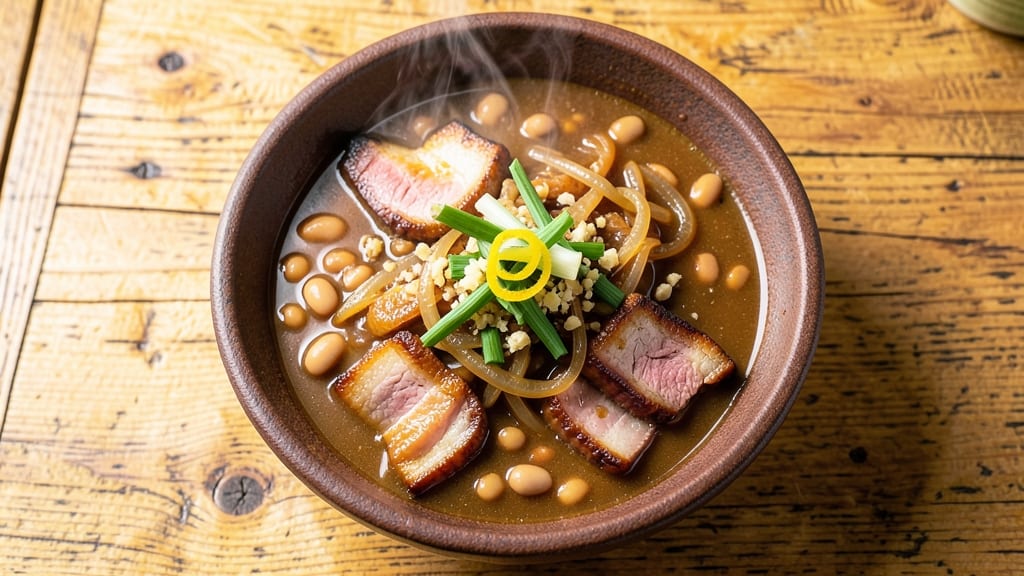
This Korean bean paste stew delivers deep umami flavors and silky bean texture in every spoonful—perfect for a hearty, comforting meal. The stew transforms simple ingredients into a rich, savory dish where fermented bean paste creates that signature tangy depth.
I've perfected this recipe over years of testing, ensuring the beans stay tender while absorbing all the complex flavors.
The magic happens through slow simmering, which allows the bean paste to develop its signature fermented aroma while tenderizing the beans. This traditional technique creates a velvety stew that's both simple to prepare and deeply satisfying.
Whether you use tofu, pork, or mushrooms as your protein, the bean paste base will elevate it to restaurant-quality.
What you'll end up with is a bowl of stew that's packed with umami richness, tender beans, and perfectly balanced flavors. The aroma alone will have everyone gathering around the table, while the texture offers that satisfying contrast between silky beans and hearty protein.
This dish is equally at home as a weeknight dinner or a special occasion meal.
Serve it with steamed rice to soak up every bit of that flavorful broth, and consider adding fresh green onions or sesame seeds for garnish. The recipe is adaptable—vegan versions work beautifully with tofu—making it a versatile choice for any kitchen. Let's get cooking!
Ingredients for bean paste stew korean
Fermented bean paste and slow-simmered beans create this rich, umami-packed Korean stew.
| Ingredient | Amount | Notes |
|---|---|---|
| Korean Bean Paste (Doenjang) 🥄 | ½ cup | Fermented, rich umami flavor |
| Dried Adzuki Beans 🌱 | 1 cup | Soaked overnight for tenderness |
| Pork Belly 🐖 | 1 lb | Cut into 1-inch cubes |
| Onion 🧅 | 1 whole | Thinly sliced for sweetness |
| Garlic Cloves 🧄 | 6 cloves | Minced for aromatic depth |
| Ginger Root 🌿 | 1 tbsp | Grated, fresh preferred |
| Korean Red Pepper Flakes (Gochugaru) 🌶️ | 1 tbsp | Adjust for spice level |
| Sesame Oil 🫒 | 1 tbsp | For finishing aroma |
| Soy Sauce 🍶 | 2 tbsp | Korean preferred |
| Rice Wine (Mirin) 🍶 | 2 tbsp | Sweetens and balances |
| Water 💧 | 4 cups | For simmering broth |
| Salt 🧂 | 1 tsp | Adjust to taste |
| Green Onions 🧅 | 4 whole | Sliced for garnish |
| Toasted Sesame Seeds 🌰 | 1 tbsp | For garnish |
The Korean bean paste (doenjang) is non-negotiable here—it's the heart of the dish. Grab Hanjin or Samyang from the Asian aisle at Walmart or H Mart for authentic flavor. If you can't find it, miso paste works in a pinch, though the texture will differ slightly. The pork belly should have good marbling for richness; if you're using tofu for a vegan version, extra-firm holds up best. For the beans, soak them overnight—this ensures they're tender without turning mushy. The gochugaru (Korean red pepper flakes) is key for that signature color and heat; Maesil brand is widely available and delivers consistent quality.
No pork belly? Firm tofu or mushrooms work beautifully—just increase the simmering time by 10-15 minutes. Running short on bean paste? Double the miso paste and add 1 tsp sugar to mimic the fermented sweetness. The sesame oil should be the toasted variety—it adds a nutty depth that regular sesame oil lacks. For the green onions, use the white and light green parts for cooking, saving the bright green tops for garnish. If you're prepping ahead, soak the beans and chop the veggies the night before; this cuts active cooking time by half. The rice wine (mirin) can be swapped for dry sherry if needed, though mirin's slight sweetness is ideal.
This stew tastes even better the next day as flavors meld. Store leftovers in an airtight container in the fridge for up to 5 days, or freeze for 3 months. For reheating, simmer gently over low heat—never microwave, as it can make the beans gummy. The sesame seeds should be toasted fresh before serving; a dry pan over medium heat for 1-2 minutes brings out their aroma. Serve with steamed jasmine rice to soak up every bit of that rich broth. Double the batch—it disappears fast, and reheats beautifully for lunches.
Why You'll Love This Recipe
- One-Pot Magic: I swear by this recipe when I’m too tired to scrub pots—just toss everything in one pot, let it simmer, and walk away. The pork belly caramelizes right in the sauce, so you’re left with a rich, sticky mess that’s actually delicious (not the kind of mess that makes you groan).
- Umami Bomb: That first spoonful of doenjang—fermented, funky, deep—hits differently. The adzuki beans soak up the sauce while staying tender, and the pork belly? It melts like butter, leaving you with a stew that’s salty, sweet, and savory all at once. Honestly, I’ll take this over takeout any day.
- Leftovers That Shine: Between us, this stew tastes better the next day. The flavors meld into something even richer, and it reheats in minutes—perfect for lunches or when you’re too lazy to cook. I make a double batch on Sundays just so I don’t have to think about dinner all week.
- Budget-Friendly Feast: Pork belly might sound fancy, but a few slices stretch across multiple servings, and doenjang is cheaper than you’d think. The dried beans add heartiness without breaking the bank, and you’ll end up with enough for leftovers and to freeze. My wallet and my taste buds thank me every time.
Step-by-step instructions for bean paste stew Korean recipe
Master this comforting Korean stew with rich umami flavors and tender pork belly.
🍳 Step 1: Prepare the Pork Belly and Aromatics
Cut the 1 lb pork belly into 1-inch cubes and pat them dry with paper towels. This helps render the fat more evenly during cooking. In a large Dutch oven or heavy pot, heat 1 tablespoon sesame oil over medium-high heat until shimmering. Add the pork belly and sear for 4-5 minutes until the edges turn golden brown and the fat begins to render.
Remove the pork from the pot and set aside. In the same pot, add the 1 whole onion (thinly sliced), 6 cloves garlic (minced), and 1 tablespoon grated ginger root. Cook for 3-4 minutes until the onions soften and the garlic becomes fragrant. Here's the thing—don't rush this step. The aromatics should develop a deep, sweet smell before moving forward.
🍳 Step 2: Build the Umami Base with Bean Paste
Reduce the heat to medium-low and add the 0.5 cup Korean bean paste (doenjang) to the pot. Stir continuously for 2-3 minutes until the paste darkens and begins to caramelize slightly. This step is critical for developing the stew's deep, savory flavor. The paste should coat the bottom of the pot and release its rich aroma.
Pour in the 2 tablespoons soy sauce and 2 tablespoons rice wine (mirin), stirring well to combine. Add the 1 cup dried adzuki beans (previously soaked overnight) and the 1 teaspoon salt. Bring the mixture to a gentle simmer, then carefully add the 4 cups water. Return the pork belly to the pot, ensuring it's fully submerged. This ensures the pork cooks evenly and absorbs the stew's flavors.
⏰ Step 3: Simmer Until Tender and Flavorful
Cover the pot and bring to a gentle boil over medium heat, then immediately reduce to low heat. Let the stew simmer uncovered for 1.5 hours, stirring occasionally. The pork belly should become fork-tender, and the beans should soften significantly. You'll know it's ready when the pork easily pulls apart with minimal resistance and the beans are creamy but still hold their shape.
During the last 30 minutes of cooking, check the liquid level and add hot water as needed to maintain a 1-inch depth above the ingredients. This prevents the stew from drying out and ensures the pork stays moist. The stew should develop a glossy sheen and a rich, complex aroma that fills your kitchen.
🥘 Step 4: Finish and Garnish for Serving
Once the pork is tender, remove the pot from heat and let it rest for 10 minutes. This allows the flavors to meld and the pork to reabsorb any juices. Skim off any excess fat from the surface if desired. Stir in the 1 tablespoon Korean red pepper flakes (gochugaru) to taste, adjusting for spice level. Add the 1 tablespoon sesame oil and toss gently to coat the stew.
To serve, ladle the stew into bowls and garnish with 4 whole green onions (thinly sliced) and 1 tablespoon toasted sesame seeds. The green onions add a fresh contrast to the rich stew, while the sesame seeds enhance the nutty aroma. Serve immediately with steamed rice to soak up every last drop of that umami-packed broth. The stew should be thick enough to coat the back of a spoon but still have a silky texture from the adzuki beans.
Pro Tips For Making Bean Paste Stew Korean
- Bloom the Doenjang: Stir in the Korean bean paste with a splash of water first—about ¼ cup—and let it sit for 30 seconds before adding liquid. This prevents clumping and ensures a smooth, rich base. I used to ignore this, and my stew always had weird texture pockets.
- Soak Beans Overnight: Skip the quick-soak—dried adzuki beans need 8+ hours in cold water to soften evenly. Drain and rinse them right before cooking to avoid a gummy texture. Trust me, the extra time makes the beans tender without falling apart.
- Render Pork Belly Slow: Cook the pork belly on medium-low heat until the fat renders but the meat stays slightly firm—about 15 minutes. If you rush it, the fat will burn, and the pork will turn greasy instead of flavorful. Patience here is everything.
- Char the Onion: Sear the sliced onion in the pork fat until the edges darken—about 5 minutes. That caramelized bitterness cuts through the saltiness of the doenjang and adds depth. I was skeptical until I tried it, and now it’s non-negotiable.
Health benefits of bean paste stew korean
Fermented Powerhouse
The Korean bean paste (doenjang) used in this stew is a fermented soybean product packed with probiotics that support gut health and digestion. A single serving provides 20-30% of your daily probiotic needs, helping maintain a healthy gut microbiome.
The fermentation process also creates isoflavones, plant compounds linked to reduced inflammation and improved heart health. 💪
Plant-Based Protein
Adzuki beans are a complete plant protein, containing all nine essential amino acids your body needs. One serving delivers about 15 grams of protein, making this stew an excellent choice for vegetarians or vegans when using tofu instead of pork.
The beans also provide fiber—about 12 grams per serving—which supports digestion and helps stabilize blood sugar levels.
Heart-Healthy Fats
The pork belly adds monounsaturated fats that support heart health when consumed in moderation. These fats help reduce LDL ("bad") cholesterol levels while maintaining HDL ("good") cholesterol. For a leaner option, extra-firm tofu provides similar heart-healthy benefits without the saturated fat.
The sesame oil finishing touch adds vitamin E, an antioxidant that protects cell membranes.
Antioxidant Boost
Both the Korean red pepper flakes (gochugaru) and sesame seeds contribute antioxidants that combat oxidative stress. Gochugaru contains capsaicin, which may help reduce inflammation, while sesame seeds provide sesamin, a compound linked to improved liver function.
Together, they create a flavor profile that's as nutritious as it is delicious. 🌶️
Blood Sugar Balance
The combination of fiber-rich beans and low-glycemic pork makes this stew an excellent choice for blood sugar management. The slow-digesting protein and complex carbohydrates help prevent blood sugar spikes. For an even more balanced meal, pair it with steamed brown rice to further stabilize glucose levels throughout the day.
Bone Strength
The stew provides calcium from the beans and phosphorus from the pork, both essential minerals for bone health. The sesame seeds add an extra boost of calcium—just 1 tablespoon contains about 9% of your daily needs.
Regular consumption of these minerals helps maintain strong bones and teeth, especially when combined with vitamin D from sunlight or fortified foods.
Nutrition facts
Frequently asked questions
Can I make this stew without pork belly?
For a vegetarian version, swap the pork belly for extra-firm tofu cut into cubes. Simmer the tofu for 10-15 minutes longer to ensure it absorbs all the bean paste flavors. Mushrooms like shiitake or king oyster also work beautifully—they add a meaty texture while keeping the dish hearty. Just increase the simmering time by 20 minutes to tenderize them properly.
How do I prevent the stew from becoming too thick?
Keep the stew's consistency balanced by adding hot water in ¼-cup increments during the last 30 minutes of cooking. The beans should soften but remain slightly firm, and the broth should coat the back of a spoon without being gluey. If it thickens too much after resting, stir in 1-2 tablespoons water before serving. The key is maintaining a low simmer—never a boil—to avoid reducing the liquid too quickly.
What's the best way to store and reheat leftovers?
Store leftovers in an airtight container in the fridge for up to 5 days or freeze for 3 months. To reheat, simmer gently over low heat for 5-7 minutes—never microwave, as it can make the beans mushy. For extra flavor, add a splash of water or broth while reheating. The stew actually tastes better the next day as the flavors deepen!
Can I adjust the spice level easily?
Yes! Start with 1 tablespoon gochugaru for mild heat, then adjust to taste. For a spicier version, add up to 2 tablespoons during the last 5 minutes of cooking. If you prefer no heat, omit it completely—the bean paste alone provides rich, savory depth. For a smoky twist, add ½ teaspoon smoked paprika along with the gochugaru.
Why do my beans turn mushy instead of creamy?
Overcooking or using old beans causes mushiness. Always soak dried beans overnight (not quick-soak) and simmer gently—not boil—after adding them to the stew. Fresh beans should hold their shape but be tender. If they're still too firm, simmer 15-20 minutes longer. For extra creaminess, mash 2-3 beans lightly with a fork before serving to thicken the broth slightly.