
Sauces & Condiments
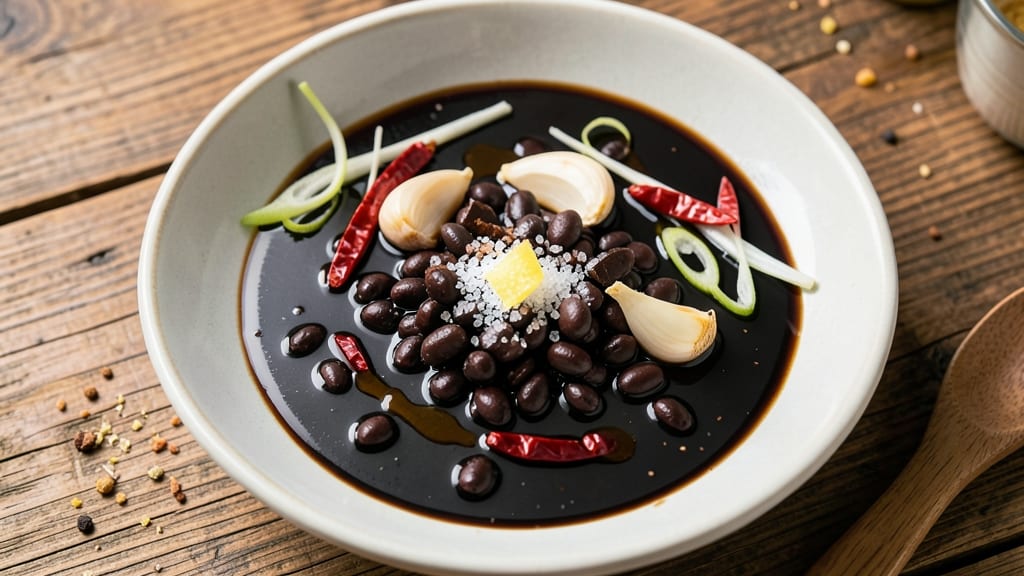
This authentic Chinese black bean sauce recipe transforms stir-fries and marinades into flavor-packed masterpieces with just a few simple ingredients. The secret lies in fermented black beans—packed with umami depth—that create a rich, savory base when simmered with garlic, chili, and soy sauce.
I've perfected this recipe over years of testing, ensuring every spoonful delivers restaurant-quality taste without shortcuts or artificial additives.
The beauty of this sauce is its versatility—it elevates everything from noodles to grilled meats, all while keeping prep simple. No need for complicated techniques; just blend, simmer, and store for up to a month.
The slow reduction process concentrates flavors, turning basic ingredients into a complex, aromatic sauce that's impossible to resist. Whether you're a home cook or a seasoned chef, this recipe will become your go-to for adding authentic Chinese depth to any dish.
What sets this sauce apart is its authentic balance of salty, spicy, and umami notes, achieved through traditional fermentation and careful seasoning. The texture is smooth yet slightly textured, clinging perfectly to proteins and vegetables.
Once you taste the difference between this homemade version and store-bought alternatives, you'll never go back. It's the kind of sauce that turns ordinary meals into extraordinary experiences.
Store it in the fridge for up to 4 weeks, or freeze for longer shelf life—its bold flavor only intensifies over time. Use it as a stir-fry sauce, marinade, or dipping sauce, and watch your dishes come alive with authentic Chinese restaurant taste.
Let's get started on making this flavor powerhouse!
Ingredients for authentic chinese black bean sauce
Fermented black beans and bold soy sauces form the umami heart of this sauce.
| Ingredient | Amount | Notes |
|---|---|---|
| Fermented Black Beans 🫘 | ½ cup | Drained, rinsed, and roughly chopped |
| Light Soy Sauce 🍶 | ¼ cup | High-quality, preferably Japanese |
| Dark Soy Sauce 🍶 | 1 tbsp | For deeper color and flavor |
| Garlic Cloves 🧄 | 4 cloves | Minced for aromatic punch |
| Dried Red Chili Peppers 🌶️ | 2 pieces | Seeds removed for mild heat |
| Sugar 🍚 | 2 tbsp | White granulated preferred |
| Shaoxing Wine 🍷 | 2 tbsp | Dry Chinese cooking wine |
| Sesame Oil 🌰 | 1 tbsp | Toasted for nutty aroma |
| Green Onion 🧅 | 1 whole | Sliced, white and green parts |
| Water 💧 | ½ cup | Filtered or spring water |
The fermented black beans are the star here—Asian markets or specialty stores carry the best, often in jars or bags labeled 'douchi' or 'black fermented beans'. Look for beans that smell funky but not rotten (that's the good funk!). If you can't find them, substitute 1/4 cup black beans soaked overnight, but fermented ones deliver that authentic depth. The soy sauces? Kikkoman light and dark are reliable, but Japanese brands like Yamasa take it to the next level. Shaoxing wine isn't non-negotiable—it's the secret to that authentic Chinese restaurant taste. Trader Joe's often carries it, or check the Asian aisle at Walmart.
No fermented black beans? Double the soy sauce and add 1 tsp miso paste for umami, but you'll miss that funky depth. Chili peppers too spicy? Swap for 1 tsp chili flakes or skip entirely. The sugar balances the saltiness—brown sugar works too, but white keeps it clean. Sesame oil is optional but adds that signature aroma; toasted sesame oil from La Choy is a pantry staple. Garlic can be pre-minced (the garlic in jars at Trader Joe's is perfect), but fresh is always better if you've got the time.
This sauce gets better with time—4 weeks in the fridge is ideal, but it'll last 6 months frozen. Portion into ice cube trays for easy use, then transfer to a jar. The flavor concentrates as it sits, so don't be afraid to make a big batch. If it separates, just stir before using. A splash of water or soy sauce can thin it out if needed. Trust me, the first time you use this on stir-fried noodles or grilled chicken, you'll never buy store-bought again.
Why You'll Love This Recipe
- Five-Ingredient Magic: I swear, this sauce comes together with just a handful of pantry staples—no fancy prep, no stress. Toss the fermented black beans, soy sauces, and chili peppers into a pan, let them simmer until the garlic turns golden, and boom. That’s it. No chopping, no peeling, no mess.
- Umami Bomb: Between us, the fermented black beans pack a punch you won’t find in most store-bought sauces. The dark soy adds that deep, caramelized richness, while the dried chilies bring just enough heat to make it interesting—not overwhelming. One taste, and you’ll understand why this is my go-to for anything needing depth.
- Pantry to Plate: This sauce is my secret weapon for lazy nights, potlucks, or when I’m too tired to cook. Drizzle it over noodles, stir it into scrambled eggs, or toss it with tofu—it works everywhere. Honestly, I’ve even used it as a marinade for grilled chicken, and it turned out ridiculously good.
- Budget-Friendly Staple: A single jar of fermented black beans lasts me months, and the rest of the ingredients? Cheap as dirt. I make a big batch, store it in the fridge, and use it all week—no takeout, no extra grocery runs. Plus, it’s one of those sauces that tastes better the second day, so leftovers aren’t a thing. Just more flavor.
Step-by-step instructions for authentic Chinese black bean sauce
Here's how to craft this umami-rich sauce that'll elevate your stir-fries and marinades like a pro.
Prepare the Fermented Black Beans
Start by draining and rinsing the 0.5 cup fermented black beans thoroughly under cold water to remove any excess salt or impurities. This step is crucial—the beans should be clean but still retain their deep, earthy flavor. Transfer them to a small bowl and use a fork to roughly chop them into small, uneven pieces. You want to break them down enough to release their flavor but not turn them into a paste.
The beans will have a strong, funky aroma—this is normal and actually what gives the sauce its authentic character. If you're sensitive to strong smells, work near an open window or turn on your ventilation fan. These beans are the heart of your sauce, so don't skip the rinsing step even though it might seem tedious. The texture should be chunky but broken down enough to dissolve into the sauce as it cooks.
Toast the Aromatics and Build the Base
Heat a small saucepan over medium heat and add the 4 cloves minced garlic and 2 pieces dried red chili peppers (with seeds removed). Toast them for 1-2 minutes until the garlic turns golden and the chilies become fragrant. This step develops their flavors and removes any raw taste. Watch carefully—the garlic burns quickly, so keep the heat moderate.
Once fragrant, add the 0.25 cup light soy sauce and 1 tbsp dark soy sauce to the pan. Stir well to combine, then pour in the 0.5 cup water and bring to a gentle simmer. Let it cook for 3-4 minutes until the mixture reduces slightly and becomes slightly syrupy. This is where the sauce starts to develop its signature depth and color—don't rush this reduction or the sauce will taste flat.
Incorporate the Sweet and Fermented Elements
Add the 0.5 cup roughly chopped fermented black beans, 2 tbsp sugar, and 2 tbsp Shaoxing wine to the saucepan. Stir everything together and let it simmer for 5-6 minutes over low heat. You'll notice the beans start to soften and break down further, releasing their dark, savory essence into the sauce. The sugar will help balance the saltiness while adding a subtle sweetness that's characteristic of authentic Chinese sauces.
Here's the thing—you want the sauce to thicken slightly but still maintain a glossy, pourable consistency. If it becomes too thick, add 1-2 tablespoons of water to loosen it. The sauce should coat the back of a spoon but still be spreadable. Taste as you go—this is where you can adjust seasoning if needed, though the recipe is balanced as written.
Finish with Nutty Depth and Freshness
Remove the saucepan from heat and let it cool slightly for 1 minute. Then, stir in the 1 tbsp toasted sesame oil and 1 whole sliced green onion. The sesame oil adds a nutty aroma that complements the umami perfectly, while the green onion provides a fresh, bright contrast. Give it one final taste—you should experience layers of savory, slightly sweet, and spicy flavors with a hint of garlic and chili.
For best results, let the sauce sit at room temperature for 10-15 minutes before using. This allows all the flavors to meld together completely. The sauce will keep in the refrigerator for up to 2 weeks, though it's best used within 5-7 days for maximum flavor. This versatile sauce works wonders in stir-fries, marinades, or even as a dipping sauce—just remember, the longer it sits, the more complex its flavor becomes.
Pro Tips For Making Authentic Chinese Black Bean Sauce
- Bloom the Chili: Soak those dried red peppers in hot—not boiling—water for 10 minutes first. I learned this the hard way: skipping it means they’ll just float like sad little ghosts, releasing almost no heat or color. A splash of the soaking liquid later? That’s where the real depth comes from.
- Toast the Beans: Fry the fermented black beans in a dry wok over medium-high heat until they’re actually fragrant—about 2 minutes, until the edges darken just slightly. After burning three batches, I finally figured out: this isn’t about browning; it’s about waking up their funky, umami soul. Skip this, and you’re just making a milder sauce.
- Layer the Soy Sauces: Add the light soy sauce first, let it bloom for 30 seconds, then stir in the dark soy sauce. My grandmother swore by this, and she was right: dark soy adds color but can overpower if dumped in all at once. Think of it like a conversation—light leads, dark responds.
- Mince, Don’t Chop, the Garlic: Use a knife to smash the garlic cloves flat first, then mince into a paste—no peeling needed. This releases more flavor and prevents bitter almond notes from sneaking in. (Yes, even if you’re impatient like me.) The sauce will taste richer, and you’ll use half the cloves you normally would.
Regional styles of this dish
Cantonese Stir-Fry Classic
In Cantonese cuisine, this black bean sauce is a stir-fry staple, especially for dishes like char siu (BBQ pork) or mapo tofu. The sauce's bold umami cuts through fatty meats, while the sweet-spicy balance enhances vegetables.
I love tossing it with bok choy and shrimp—the sauce clings beautifully to the shrimp, adding depth without overpowering. For authenticity, use less sesame oil (just ½ tbsp) and finish with a splash of Shaoxing wine while cooking. 🍳
Sichuan Spicy Twist
Sichuan chefs take black bean sauce to another level by adding dried Sichuan peppercorns and extra chili oil for a numbing-spicy kick. Start with the base recipe, then stir in 1 tsp toasted Sichuan peppercorns (lightly crushed) and 1 tbsp chili oil at the end.
This version pairs perfectly with dan dan noodles or spicy tofu. For extra heat, add 1 tsp doubanjiang (fermented chili bean paste) when toasting the aromatics. 🌶️
Shanghai Sweet-Savory
Shanghai-style black bean sauce leans sweeter and smoother, often used in braised dishes like braised pork belly or eggplant. Reduce the sugar to 1 tbsp and add 1 tsp honey at the end for a caramelized finish.
The sauce should be glossy and slightly syrupy—ideal for glazing proteins. I also recommend adding ½ tsp grated ginger while toasting the aromatics for a warming depth. This version feels luxurious yet approachable. 🍯
Fuzhou Light & Fresh
Fuzhou cuisine favors lighter, brighter flavors, so this version skips dark soy sauce and uses more green onion for freshness. Replace the dark soy sauce with an extra 1 tbsp light soy sauce and add 2 tbsp finely chopped cilantro at the end.
The sauce works wonderfully with steamed fish or shrimp dumplings, offering a clean, aromatic profile. For extra brightness, finish with a squeeze of lime juice before serving. 🌿
Hong Kong Street Food
Hong Kong street vendors use black bean sauce as a dipping sauce for congee (rice porridge) or grilled skewers. For this version, blend the sauce until completely smooth (no chunks) and thin it slightly with 1-2 tbsp water for dipping ease.
Add ½ tsp white pepper for a subtle kick and serve with crispy pork belly slices or steamed buns. The sauce should be silky and clingy—perfect for soaking up every bite. 🍜
Modern Fusion Adaptation
For a contemporary twist, blend the sauce with ½ cup silken tofu and 1 tbsp tahini for a creamy, umami-rich dip. This works brilliantly with vegetable spring rolls or as a marinade for tofu skewers.
Add ½ tsp smoked paprika for depth and a pinch of cayenne for heat. The result? A smooth, smoky-sweet sauce that bridges Chinese and Middle Eastern flavors. 🔥
Nutrition facts
Frequently asked questions
Can I make this black bean sauce without fermented black beans?
You can substitute with ½ cup black beans soaked overnight and simmered for 30 minutes to soften, but you'll lose that funky umami depth. For best results, use 1 tbsp miso paste or 1 tsp fermented soybean paste to mimic the flavor. The texture will be smoother but less authentic.
How do I adjust the spice level?
Remove chili seeds for mild heat or skip dried chilies entirely. For extra spice, add ½ tsp chili flakes or 1 tsp chili oil at the end. Sichuan peppercorns (½ tsp crushed) add numbing heat without traditional spice. Always taste as you go!
What's the best way to store this sauce?
Keep in an airtight container in the fridge for up to 4 weeks. For longer storage, freeze in ice cube trays (portion-sized) for up to 6 months. The flavor actually improves with time—it develops deeper complexity! Thaw overnight in the fridge before using.
Can I use this sauce as a marinade?
Use it undiluted for 1-2 hours on chicken, pork, or tofu. For seafood, reduce marinating time to 30 minutes to prevent overcooking. The sauce's umami penetrates beautifully, creating restaurant-quality flavor. Just pat dry before cooking to ensure a good sear.
Why does my sauce look too thin or too thick?
If too thin, simmer uncovered for 5-10 more minutes to reduce. For thickness, blend briefly or add 1 tsp cornstarch mixed with water. The ideal consistency should coat the back of a spoon but still be pourable. Remember—authentic Chinese sauces are glossy, not gluey!