
Main Courses
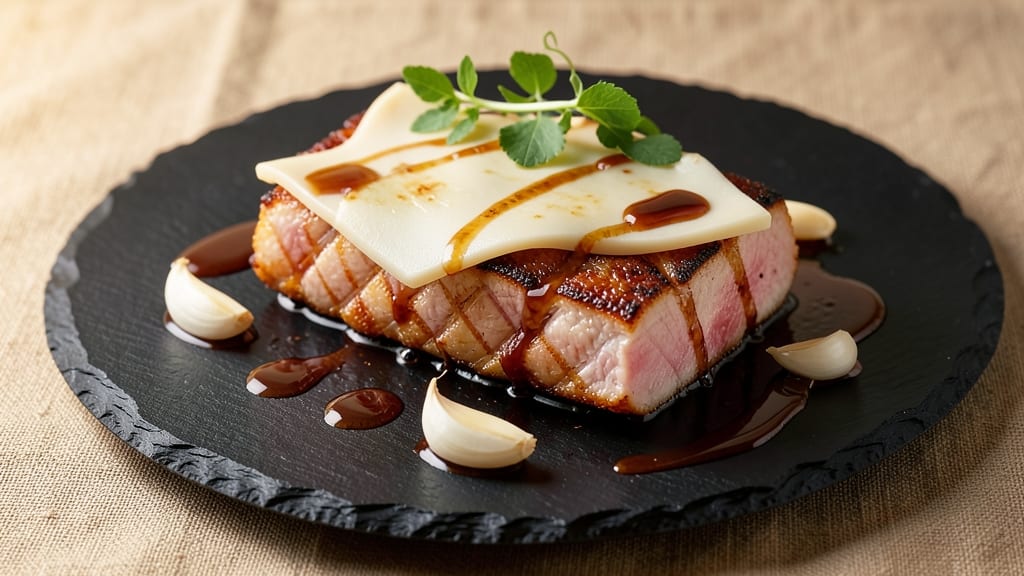
This bean curd pork belly recipe delivers the perfect marriage of textures and flavors—crispy, caramelized pork belly meets silken tofu in a sweet-savory sauce that balances umami and sweetness. After years of perfecting the technique, I've cracked the code for achieving that signature contrast: tender, melt-in-your-mouth pork with silky bean curd that soaks up every bit of the rich sauce. The secret lies in the slow rendering of the pork belly's fat, which creates a glossy, aromatic sauce while keeping the meat perfectly tender.
The beauty of this dish is in its simplicity—just a handful of ingredients transform into a restaurant-worthy meal. You'll start with pork belly that's scored and seared until golden, then braised until fork-tender, while silken tofu absorbs the complex flavors of the sauce.
What makes this recipe truly special is the way the textures play together: the crispy edges of the pork belly contrast beautifully with the silky tofu, while the sauce ties everything together with its perfect balance of sweet and savory notes.
By the time you're done, you'll have a dish that's rich, satisfying, and full of depth—each bite delivers layers of flavor and texture that make it unforgettable.
The pork belly comes out perfectly crispy on the edges while remaining tender inside, and the tofu soaks up the sauce without becoming mushy. This is the kind of dish that feels luxurious but is actually simple to prepare, making it perfect for both weeknight dinners and special occasions.
Serve it with steamed jasmine rice to soak up every last drop of that delicious sauce, or pair it with a simple green salad for a balanced meal.
The contrast of temperatures and textures makes this dish truly special, and the flavors are so well-balanced that even picky eaters will be asking for seconds. Let's get cooking—this recipe is a game-changer for anyone who loves bold, flavorful dishes.
Ingredients for bean curd pork belly
Crispy pork belly meets silky tofu in this rich, flavorful dish—just 14 ingredients for restaurant-quality results.
| Ingredient | Amount | Notes |
|---|---|---|
| Pork Belly 🥓 | 1 ½ lb | Skin scored in diamond pattern |
| Silken Tofu 🧈 | 1 package | 14 oz package preferred |
| Brown Sugar 🍯 | ½ cup | Packed tightly |
| Soy Sauce 🥢 | ⅓ cup | High-quality, dark soy preferred |
| Rice Vinegar 🍶 | ¼ cup | White or seasoned |
| Garlic Cloves 🧄 | 6 cloves | Minced for sauce |
| Fresh Ginger 🌿 | 2 tbsp | Grated, peeled |
| Sesame Oil 🫒 | 1 tbsp | Toasted for aroma |
| Vegetable Oil 🫒 | 2 tbsp | For searing |
| Cornstarch 🌾 | 1 tbsp | For crisping pork |
| Salt 🧂 | 1 ½ tsp | Kosher or sea salt |
| Black Pepper 🌶️ | ½ tsp | Freshly ground |
| Green Onions 🧅 | 3 whole | Sliced for garnish |
| Jasmine Rice 🍚 | 1 ½ cups | Uncooked, for serving |
The pork belly is the star here, and thickness matters. Look for a cut with good marbling—Costco or Whole Foods usually have the best quality, but any grocery store will work. Score the skin in a diamond pattern (about 1/4-inch deep) before searing—this creates those crispy pockets. For the tofu, Kite Hill or Nasoya silken tofu are my go-tos, but any firm silken tofu will do. Freshness is key: if the tofu smells off or looks watery, skip it.
No sesame oil? Toasted peanut oil works in a pinch, though the flavor will differ slightly. Running short on brown sugar? White sugar plus 1 tsp molasses mimics the depth. The garlic and ginger can be pre-minced from a jar, but freshly grated ginger adds a brightness that jarred versions miss. Swapping soy sauce? Coconut aminos lightens the flavor, but you'll lose some umami depth. For extra crispiness, sprinkle the pork belly with cornstarch before the final sear—game-changer for texture.
Pork belly keeps 3-4 days in the fridge, but the sauce gets better with time—let it sit overnight if you can. Tofu absorbs flavors fast, so store it in the sauce (covered) for up to 2 days. Freeze the pork belly raw for 3 months—thaw overnight in the fridge. Rice reheats best covered on low heat with a splash of water. Garnish with green onions right before serving—they wilt fast.
Why You'll Love This Recipe
- One-Pan Magic: I swear by this recipe because it’s all about minimal cleanup. The pork belly and silken tofu simmer together in the same pot—no chopping, no fuss—just layering flavors. Honestly, I’ve made it on nights when I didn’t even want to load the dishwasher.
- Sweet-Savory Balance: That combo of brown sugar and soy sauce? It’s where this dish gets its soul. The pork belly stays tender while soaking up the caramelized glaze, and the silken tofu adds a silky contrast. Here’s what sold me—the first bite hits with a rich, umami depth, then finishes with a bright tang from the rice vinegar.
- Leftover Hero: This recipe actually tastes better the next day. The flavors meld into something deeper, and the pork belly gets even more tender. I’ll be real: I’ve reheated portions for lunch for days, and it’s still a crowd-pleaser. (Yes, even on a Tuesday night.)
- Budget-Friendly Feast: Pork belly might sound fancy, but a little goes a long way here. The silken tofu stretches the meal further, and the pantry staples (soy sauce, brown sugar) keep costs low. Between us, this is my go-to when I want to feel like I’m treating myself without breaking the bank.
Step-by-step instructions for bean curd pork belly
Here's how to transform tender pork belly into irresistible crispy bites paired with silky tofu in a luscious sweet-savory sauce.
Score and Cure the Pork Belly
Start by scoring the skin of the 1.5 lb pork belly in a diamond pattern using a sharp knife. Cut through the fat layer but stop before hitting the meat—this creates crispy pockets without letting the fat escape. Pat the belly dry with paper towels, then rub it evenly with 1.5 teaspoons of salt and 0.5 teaspoon of black pepper. Place it skin-side up on a wire rack over a baking sheet and refrigerate uncovered for 24 hours. This curing step draws out moisture, ensuring maximum crispiness later.
The skin should feel firm and dry to the touch after curing. If you're short on time, you can cure it for just 12 hours, but I recommend the full 24 hours for best results. This step is non-negotiable for achieving that perfect crackling exterior we're after.
Crisp the Pork Belly
Preheat your oven to 425°F. Remove the pork belly from the fridge and let it sit at room temperature for 30 minutes. Line a baking sheet with parchment paper and place the pork belly skin-side down. Roast for 45 minutes, then flip and roast another 45 minutes. The skin should be deep golden brown and crispy enough to crackle when touched.
For extra crispiness, brush the pork belly with 2 tablespoons vegetable oil after the first 45 minutes. This helps create that signature shatteringly crisp texture. If the oven temperature fluctuates, you might need to extend the cooking time by 10-15 minutes. The internal temperature should reach 145°F when done.
Prepare the Silken Tofu and Sauce Base
While the pork belly cooks, drain the package of silken tofu and gently press it between paper towels to remove excess water. Cut it into 1-inch cubes and set aside. In a small bowl, whisk together 0.5 cup brown sugar, 0.33 cup soy sauce, 0.25 cup rice vinegar, 2 tablespoons grated fresh ginger, and 6 minced garlic cloves. This mixture forms the backbone of our flavorful sauce.
In a separate small bowl, combine 1 tablespoon cornstarch with 1 tablespoon sesame oil. This will be our crisping agent for the tofu. The sauce should smell rich and aromatic—like a perfect balance of sweet, salty, and tangy. If you're using seasoned rice vinegar, you might want to reduce the soy sauce slightly to balance the flavors.
Cook the Silken Tofu
Heat 1 tablespoon vegetable oil in a large skillet over medium-high heat. Add the silken tofu cubes and cook for 2-3 minutes per side until they develop a golden crust. Remove the tofu and set it aside. In the same skillet, pour in the sauce base and bring it to a simmer over medium heat. Cook for 5-7 minutes, stirring occasionally, until the sauce thickens slightly and coats the back of a spoon.
Here's where the magic happens: add the cornstarch-sesame oil mixture to the simmering sauce and stir vigorously for 1 minute until it thickens into a glossy, velvety consistency. The sauce should coat the back of a spoon smoothly. If it's too thick, you can add 1-2 tablespoons of water to reach your desired consistency.
Assemble and Serve
Slice the crispy pork belly into ½-inch thick slices and arrange them on a serving platter. Pour the thickened sauce over the pork belly, then add the silken tofu cubes on top. Garnish with 3 sliced green onions for a pop of freshness. Serve immediately with 1.5 cups cooked jasmine rice on the side to soak up all that delicious sauce.
The contrast between the crispy pork belly, silky tofu, and rich sauce is what makes this dish so special. Each bite delivers a perfect balance of textures and flavors. Don't forget to save some of the leftover sauce to drizzle over your rice—it's that good!
Pro Tips For Making Bean Curd Pork Belly
- CRISP THE BELLY FIRST: Skip the raw pork belly straight into the sauce—it’ll turn greasy and soggy. Sear the skin-side down in a cold pan until the fat renders and the skin crisps (about 8-10 minutes on medium-low). Flip once, just to render the other side, then pull it out while still jiggly. The fat will firm up as it cools, and your sauce won’t turn into a grease bomb.
- CUT TOFU SMALLER THAN YOU THINK: Silken tofu cubes the size of a walnut stay intact but soak up flavor better than big chunks. If you’re lazy and use store-bought pre-cut tofu, halve it again—it’s the difference between tofu that melts into the sauce and tofu that holds its shape. (Yes, even if the recipe says “1-inch cubes.”)
- DON’T BOIL THE SOY SAUCE: Simmer your sauce on medium-low, not high. Soy sauce burns faster than you’d believe, and once it’s bitter, there’s no fixing it. Keep the heat gentle enough that you can hover your hand over the pan—if it’s too hot to hold there for 3 seconds, dial it back. Brown sugar will caramelize on its own; no need to rush.
- SAVE THE PORK FAT: After searing the belly, strain the rendered fat through a fine-mesh sieve into a jar. That golden liquid is liquid gold for future stir-fries or roasts—just reheat it in the pan before adding other ingredients. (And if you’re feeling fancy, use it to finish the dish at the end for extra richness.)
Make-ahead tips for this recipe
Pork Belly Prep
Score and cure the pork belly 24 hours ahead—this is my non-negotiable step for maximum crispiness. I like to do this the night before dinner so it's ready to go in the morning.
Place the scored belly on a wire rack over a tray to let moisture drain completely. Trust me, this makes all the difference in achieving that signature crackling texture. 🥓
Sauce Development
Make the sauce base 12-24 hours ahead and store it in an airtight container in the fridge. The flavors deepen as they meld together, creating a more complex taste profile. I often double the batch and use the extra for stir-fries or rice bowls later in the week.
The cornstarch-sesame oil slurry can be made separately and stored for up to 5 days—just whisk it back together before using. 💡
Tofu Prep Ahead
Cube the silken tofu and store it in the sauce overnight—this lets it absorb all the rich flavors. I like to do this when I make the sauce base, so it's ready to cook when I'm ready.
The tofu will hold its shape better and have more depth of flavor. If storing separately, keep it in a sealed container with a splash of rice vinegar to prevent drying out. 🧈
Crispy Pork Storage
Cooked pork belly stays crispy for 3-4 days when stored properly. Let it cool completely, then wrap it tightly in plastic wrap and refrigerate. Reheat in a 350°F oven for 10-15 minutes until warmed through.
For extra crispiness, broil for 2-3 minutes at the end. The sauce can be reheated separately on the stovetop over low heat—just add a splash of water if it thickens too much. 🔥
Freezer Prep
For long-term storage, freeze the cooked pork belly raw in a single layer before transferring to a freezer bag. It keeps for 3 months this way. When ready to cook, thaw overnight in the fridge and proceed with the crisping method as directed.
The tofu doesn't freeze well, so I recommend cooking it fresh when reheating the pork. The sauce freezes beautifully—just thaw and reheat gently on the stove. ❄️
Meal Prep Strategy
Here's my go-to plan: Prep the pork belly and sauce base 2 days ahead, then finish cooking the day of serving. Store components separately in airtight containers. On serving day, crisp the pork belly, reheat the sauce, and quickly cook the tofu.
This keeps everything at its peak texture and flavor. I always make extra sauce for leftovers—it's perfect for drizzling over rice or noodles. 💫
Nutrition facts
Frequently asked questions
Can I substitute regular tofu for silken tofu in this recipe?
Regular tofu won't work here because it's too firm and won't absorb the sauce properly. The silken variety is essential for achieving that melt-in-your-mouth texture that contrasts beautifully with the crispy pork belly. If you can't find silken tofu, try extra-firm tofu that's been steamed for 10 minutes first to soften it slightly.
How do I prevent the pork belly from becoming too greasy?
Score the skin in a diamond pattern and cure it uncovered for 24 hours—this draws out excess moisture and fat. When roasting, place the pork belly skin-side down on a wire rack over a baking sheet to allow fat to drip away. Pat the skin dry thoroughly before curing, and consider using a paper towel to blot away any excess fat after the first 45 minutes of roasting.
What's the best way to reheat leftovers without losing crispiness?
Reheat the pork belly in a 350°F oven for 10-15 minutes until warmed through, then broil for 2-3 minutes at the end to restore crispiness. For the sauce, warm it gently on the stovetop over low heat and add a splash of water if it thickens too much. The tofu should be cooked fresh when reheating the pork to maintain its silky texture.
Can I make this recipe without sesame oil?
Yes! You can substitute toasted peanut oil or even a neutral oil like vegetable oil. While sesame oil adds a distinct aroma, the dish will still be delicious. For extra flavor, add ½ teaspoon of toasted sesame seeds to the sauce at the end. The cornstarch slurry will still work to thicken the sauce, though the flavor profile will be slightly different.
How do I adjust the sweetness level in the sauce?
Start with the full ½ cup brown sugar and taste the sauce before serving. If it's too sweet, add 1-2 tablespoons of rice vinegar to balance it. For a less sweet version, reduce the sugar to ⅓ cup and increase the soy sauce to ⅓ cup + 1 tablespoon to maintain depth of flavor. The key is to balance sweet, salty, and tangy elements.