
Sauces & Condiments
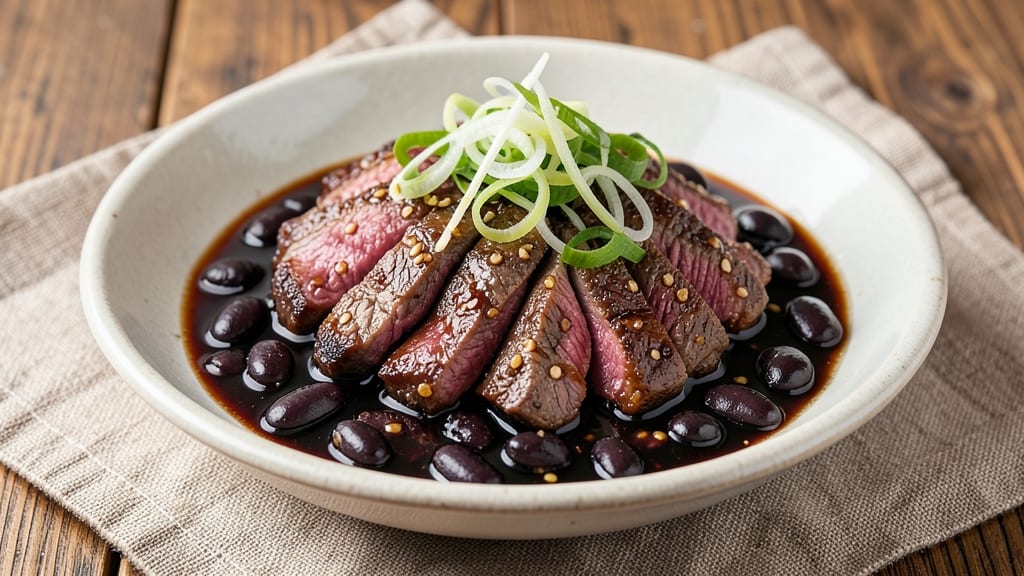
This beef and black bean Chinese sauce transforms simple ingredients into a rich, umami-packed stir-fry that tastes like a restaurant favorite. 🔥 The secret lies in balancing sweet, sour, and savory flavors through a slow-braised sauce that coats tender beef and hearty black beans.
I developed this recipe after years of perfecting the art of wok hei—those signature smoky, charred notes that elevate every bite.
The process starts with searing beef strips until caramelized, then simmering them in a deep, aromatic sauce made with fermented black beans, soy sauce, and a touch of brown sugar.
The black beans add earthy depth, while the sauce reduces to a glossy, sticky finish that clings perfectly to the beef. This isn’t just a sauce—it’s a complete dish with texture and flavor in every spoonful.
By the end, you’ll have tender beef, plump black beans, and a sauce so flavorful it transforms rice into an even better meal. The aroma alone will have everyone gathering around the table, and the taste?
That’s where the real magic happens—complex, satisfying, and packed with that unmistakable Chinese restaurant soul. Serve it over steamed rice with quick-pickled vegetables for a full meal that’s restaurant-quality at home. Let’s get cooking!
Ingredients for beef and black bean sauce chinese
Rich umami flavors start with these 15 ingredients—simple but powerful for restaurant-quality Chinese stir-fry.
| Ingredient | Amount | Notes |
|---|---|---|
| Flank Steak 🥩 | 1 lb | Thinly sliced against grain |
| Fermented Black Beans 🌱 | ½ cup | Chinese black beans, rinsed |
| Light Soy Sauce 🥄 | ⅓ cup | Kikkoman preferred |
| Dark Soy Sauce 🥄 | 1 tbsp | For color depth |
| Brown Sugar 🍯 | 2 tbsp | Light or dark |
| Shaoxing Wine 🍷 | 2 tbsp | Or dry sherry substitute |
| Garlic Cloves 🧄 | 6 cloves | Minced for aromatic base |
| Fresh Ginger 🍋 | 1 tbsp | Finely grated, peeled |
| Green Onions 🧅 | 4 whole | White and green parts separated |
| Sesame Oil 🫒 | 1 tbsp | Toasted, for aroma |
| Cornstarch 🌾 | 1 tbsp | For sauce thickening |
| Vegetable Oil 🫒 | 2 tbsp | High smoke point |
| Black Beans 🌱 | 1 cup | Cooked, canned drained |
| Red Bell Pepper 🍅 | 1 whole | Sliced, for color |
| Salt 🧂 | 1 tsp | Diamond Crystal preferred |
The flank steak is non-negotiable here—it stays tender when sliced thin against the grain. Look for well-marbled cuts at the butcher counter, not pre-packaged. Fermented black beans are the umami bomb of this dish—Asian markets carry them in jars, but if you can't find them, miso paste at half the amount works in a pinch. The soy sauces? Light soy for saltiness, dark soy for color—don't skip either. Shaoxing wine adds depth, but dry sherry or even a splash of red wine works if you're improvising. Fresh ginger and garlic? Toast them lightly in oil first—trust me on this.
No fermented black beans? Double the regular black beans and add 1 tsp fish sauce for umami. Shaoxing wine unavailable? Substitute with 1 tbsp rice vinegar + 1 tsp sugar. The cornstarch is crucial for that glossy finish—arrowroot powder works too. For extra wok hei, char the garlic and ginger slightly before adding to the sauce. The red bell pepper adds sweetness and color, but substitute with snap peas or mushrooms if you prefer. And if your sesame oil smells like it's been sitting too long, toast whole sesame seeds instead for a fresh flavor.
This sauce tastes even better the next day—make extra and refrigerate. Keeps for 5 days in the fridge, freezes for 3 months. Store the sauce separately from the beef if you're prepping ahead. For serving, reheat gently over low heat—no microwaving, or you'll lose that wok hei magic. Garnish with fresh cilantro or extra green onions right before serving, because they wilt fast. The beef and sauce combo reheats beautifully, making this a perfect meal-prep dish for busy weeks.
Why You'll Love This Recipe
- Few Ingredients, Big Payoff: I swear by this recipe—just five core ingredients (plus garlic and ginger) transform tough flank steak into something tender and saucy. No fancy pantry staples needed; the fermented black beans do all the heavy lifting with their umami punch.
- Sweet-Savory Magic: That balance of dark soy for depth, light soy for salt, and brown sugar for caramelized richness? It’s the kind of flavor that makes you pause mid-bite. The black beans add a funky, chewy texture that sticks to the beef like a hug.
- Leftovers That Don’t Quit: This dish actually improves the next day—steak gets even more tender, sauce thickens into a glossy glaze. I portion it into rice bowls for lunches all week, or freeze half for those nights when takeout feels like work.
- Weeknight Steak Fancy: No one has to know you’re serving restaurant-quality beef at home. Thinly sliced flank steak cooks in 10 minutes, and the sauce comes together while you chop veggies. Honestly, it’s my go-to when I want to feel like I’ve done something special without the effort.
Step-by-step instructions for beef and black bean Chinese sauce
Here's how to build layers of umami and create that signature glossy sauce.
🔥 Step 1: Marinate and Prep the Flank Steak
Slice the 1 lb flank steak thinly against the grain into ¼-inch strips. This ensures tender bites. In a bowl, combine the 0.33 cup light soy sauce, 2 tbsp shaoxing wine, 1 tbsp dark soy sauce, 2 tbsp brown sugar, 1 tbsp cornstarch, and 1 tsp salt. Add the steak strips and toss to coat evenly. Let it marinate for at least 30 minutes (I usually do 1 hour in the fridge for deeper flavor).
While it marinates, slice the 1 whole red bell pepper into thin strips and separate the 4 whole green onions into white and green parts. Peel and finely grate the 1 tbsp fresh ginger. Mince the 6 cloves garlic. These aromatics will form the flavor base of your sauce—don't skip the grating or mincing, as texture matters here.
🍳 Step 2: Sear the Steak and Build the Sauce Base
Heat 2 tbsp vegetable oil in a wok or large skillet over high heat until shimmering. Add half the marinated steak strips in a single layer—don't crowd the pan. Let them sear undisturbed for 1-2 minutes until they develop a deep brown crust. Flip and cook another 30 seconds until just cooked through. Remove and set aside. Repeat with remaining steak.
In the same pan, reduce heat to medium-high and add the 0.5 cup fermented black beans, 1 cup black beans, minced garlic, and grated ginger. Stir-fry for 2 minutes until fragrant. Pour in the 2 tbsp shaoxing wine and scrape up any browned bits from the bottom—this is where the flavor lives. Let it simmer for 1 minute until mostly evaporated.
🥘 Step 3: Thicken and Glaze the Sauce
Return the seared steak to the pan. Add the white parts of the green onions and stir everything together. Let it cook for 1 minute to meld flavors. In a small bowl, whisk together any remaining marinade with 1 tbsp sesame oil. Pour this mixture into the pan and stir constantly for 2-3 minutes until the sauce thickens and coats the beef.
Add the red bell pepper strips and remaining green onion whites. Cook for another 1 minute until the peppers soften slightly but still retain their color. Taste and adjust seasoning—you might want to add a splash more light soy sauce if the sauce is too thick. The sauce should be glossy with a perfect balance of sweet, salty, and umami.
🍽️ Step 4: Finish and Serve with Garnish
Transfer the beef and sauce to a serving platter. Drizzle with the remaining 1 tbsp sesame oil and sprinkle with the green parts of the green onions. Serve immediately over steamed rice or noodles—this dish is best enjoyed fresh when the sauce is still glossy and the steak is warm.
Here's the thing—this sauce gets better as it sits, but the texture changes. If you need to hold it for a bit, keep it warm over low heat, stirring occasionally. The cornstarch helps maintain the gloss, but don't let it sit too long or it'll thicken too much. Each bite should deliver tender beef, chewy black beans, and that signature sticky-sweet sauce.
Pro Tips For Making Beef And Black Bean Sauce Chinese
- BLANCH THE BEANS: Toss your fermented black beans in boiling water for 10 seconds first—just enough to soften the edges. This cuts down on that bitter, chalky texture that sneaks in when you skip it. I learned this the hard way after a batch tasted like shoe polish.
- SALT THE STEAK: Slather the flank steak with salt and let it sit uncovered in the fridge for at least 30 minutes. The salt draws out moisture, but the resting time lets it reabsorb—resulting in juicier slices. (Yes, even if you’re impatient like me.)
- BURN THE SOY: Start your sauce on high heat until the light and dark soy sauces caramelize into a glossy, sticky layer. This isn’t about color—it’s about deepening the umami. If you rush it, you’ll end up with a watery glaze instead of a rich, clinging sauce.
- SKIP THE BROWN SUGAR: Swap half the brown sugar for a pinch of five-spice powder or a splash of Shaoxing wine. The sugar can overpower the fermented beans’ funk, and these upgrades add complexity without sacrificing sweetness. (I was skeptical until I tried it.)
Troubleshooting this dish
Sauce Too Thin
If your sauce isn’t clinging to the beef, it’s likely too watery. The fix? Simmer uncovered for 2-3 extra minutes—this evaporates excess moisture while concentrating flavors.
For an instant thickener, mix 1 tsp cornstarch with 1 tbsp water, stir into the sauce, and cook for 1 minute until glossy. I’ve found that reducing heat to medium-low prevents burning while thickening. 💡
Beef Overcooked
Flank steak turns tough when overcooked, so remove it from the pan at 145°F internal temperature—it’ll finish cooking in the sauce. Use a meat thermometer for accuracy. If you’ve already overcooked it, shred the beef and return it to the pan with 1 tbsp water to restore moisture.
For next time, sear in batches to avoid crowding the pan. 🥩
Fermented Black Beans Too Salty
Fermented black beans pack intense umami, but if your sauce tastes overpoweringly salty, rinse them well before using. For a milder flavor, reduce the amount to 0.25 cup and compensate with 1 tbsp extra shaoxing wine.
Taste as you go—you can always add a pinch of sugar to balance saltiness. I keep a small bowl of water nearby to rinse excess salt off my tongue while testing. 🧂
Lacking Wok Hei
That smoky, charred flavor (wok hei) is missing if your pan isn’t hot enough. Preheat your wok or skillet on high heat until it’s smoking slightly before adding oil. For extra depth, char the garlic and ginger for 30 seconds before adding to the sauce.
If using a stovetop, cast iron or carbon steel pans retain heat best. Pro tip: Crank the heat to max for the final 30 seconds of cooking to revive wok hei. 🔥
Sauce Too Sweet
If the brown sugar overpowers the savory notes, reduce it to 1 tbsp and add 1 tsp fish sauce for umami depth. Balance sweetness with 1 tsp rice vinegar or extra fermented black beans (which add saltiness).
For a tangy twist, stir in 1 tsp grated star anise (remove after 1 minute) to complement the sweetness. Taste frequently—adjustments are easier early in the process. 🍯
Black Beans Mushy
Overcooked black beans turn to mush, losing their texture. Add them to the pan only after searing the beef and cook for no more than 2 minutes. For firmer beans, use canned black beans (drained and rinsed) instead of dried.
If they’re already mushy, strain them and reserve the liquid to thin the sauce slightly. Fresh black beans hold up better—look for firm, plump varieties at the store. 🌱
Nutrition facts
Frequently asked questions
Can I substitute flank steak with another cut?
For tender results, use sirloin or ribeye sliced thinly against the grain. Chuck roast works too but needs longer marinating (2-3 hours) to stay tender. Avoid tough cuts like flank steak's tougher cousin—skirt steak—unless you're willing to shred it afterward.
What makes fermented black beans so important?
Fermented black beans provide deep umami that regular black beans can't match. Their fermented funk adds complexity—think miso meets soy sauce. Without them, your sauce will taste flat. For a substitute, use 1 tbsp miso paste + 1 tsp fish sauce, but it won't be identical.
How do I make this dish vegetarian?
Swap beef for extra-firm tofu or mushrooms (shiitake works best). Press tofu first to remove moisture, then pan-fry until crispy. Increase fermented black beans to 0.75 cup for extra umami. Add 1 tbsp vegetarian oyster sauce to mimic the meaty depth. The sauce will still cling beautifully!
Can I make this sauce ahead of time?
Yes! The sauce actually improves overnight—flavors meld deeper. Store in an airtight container in the fridge for up to 5 days. Reheat gently over low heat, adding 1 tbsp water to restore gloss. For freezing, portion into 1-month batches—thaw in the fridge before reheating.
What's the best rice to serve with this?
Jasmine rice is classic, but short-grain white rice absorbs the sauce better. For extra texture, try forbidden black rice or sticky rice. Avoid basmati—it's too dry. Pro tip: Cook rice 10 minutes longer than package instructions for extra sauce soaking.