
Sauces & Condiments
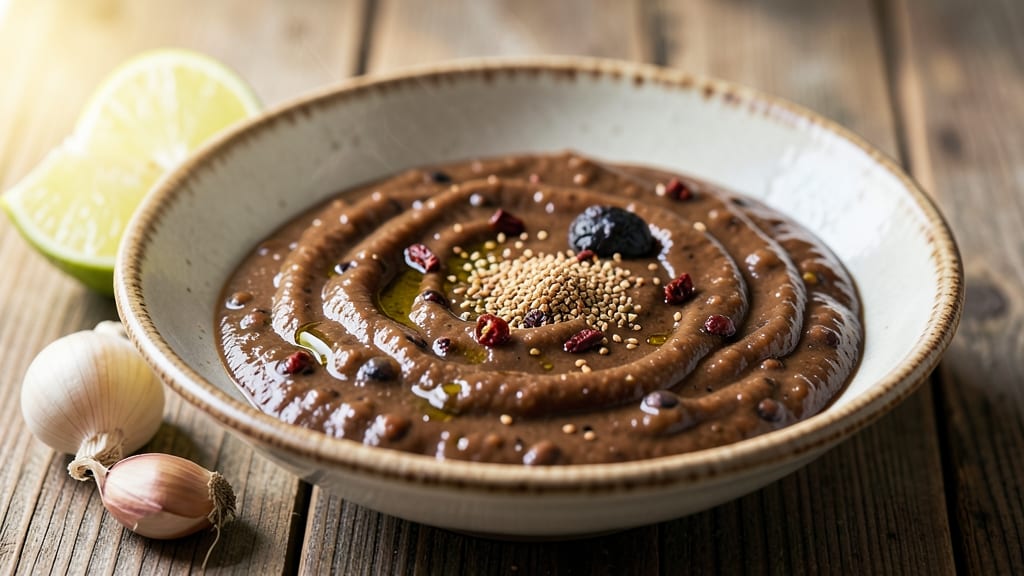
This black bean burger sauce recipe transforms humble ingredients into a smoky, tangy, and velvety condiment that elevates every bite—no cooking required. The magic lies in blending black beans with chipotle peppers and lime, creating a sauce that’s rich, complex, and effortlessly vegan.
I developed this after craving a dip that matched the depth of my favorite black bean burgers, and it’s become a staple in my kitchen for everything from tacos to sandwiches.
The sauce’s smoky chipotle and bright lime flavors balance perfectly, while the black beans add a creamy, protein-packed texture that makes it more than just a dip—it’s a versatile topping or spread. No blender? No problem.
A fork works just as well, and the prep takes less than 5 minutes. The key is letting it sit for 10 minutes before serving, allowing the flavors to meld into something truly irresistible.
What you’ll end up with is a smooth, vibrant sauce that’s packed with umami, heat, and acidity—ideal for drizzling over burgers, mixing into bowls, or serving with chips. It keeps well in the fridge for up to 5 days, making it perfect for meal prep.
The best part? Every spoonful tastes like a restaurant-quality secret, but with ingredients you likely already have on hand.
Use it as a dipping sauce for fries, a topping for nachos, or a spread for wraps. The possibilities are endless, and the flavor? Unapologetically bold. Let’s make it—your taste buds will thank you.
Ingredients for black bean burger sauce
Nine simple ingredients create a smoky, tangy sauce that transforms burgers into restaurant-worthy bites.
| Ingredient | Amount | Notes |
|---|---|---|
| Canned Black Beans 🫘 | 1 can | Drained, rinsed, and slightly mashed |
| Chipotle Peppers in Adobo 🌶️ | 2 tbsp | Adjusted for heat preference |
| Fresh Lime Juice 🍋 | ½ cup | Strained for smooth texture |
| Extra-Virgin Olive Oil 🫒 | ¼ cup | For richness and silkiness |
| Garlic Cloves 🧄 | 2 cloves | Minced for aromatic depth |
| Cumin Ground 🌿 | 1 tsp | Toasted for enhanced warmth |
| Smoked Paprika 🌶️ | 1 tsp | For smoky complexity |
| Apple Cider Vinegar 🍎 | 1 tbsp | Brightens and balances flavors |
| Sea Salt 🧂 | ½ tsp | Diamond Crystal preferred |
| Fresh Cilantro Leaves 🌿 | ¼ cup | Chopped for freshness and herbaceousness |
The black beans are the heart of this sauce, so pick a high-quality canned variety—look for organic or BPA-free labels at Whole Foods or Trader Joe's. I always rinse them well to remove any excess sodium, then mash about half of them slightly with a fork to thicken the sauce naturally. The chipotle peppers in adobo are non-negotiable for that signature smoky depth—La Costeña or Goya brands are my go-tos, but any will work. Fresh lime juice is a must for brightness, so grab a few extra limes if you're using this sauce over multiple meals. The cilantro adds a fresh finish, but if you're not a fan, you can skip it entirely—no judgment here.
No chipotle peppers? Substitute 1 tbsp of smoked paprika plus 1/2 tsp cayenne for heat, though you'll lose some of that authentic smokiness. Short on lime? Lemon juice works in a pinch, but it won't be quite as bright. The olive oil can be swapped for avocado oil if you prefer a milder flavor. For extra creaminess without beans, add 1/4 cup silken tofu or cashew cream. The cumin and smoked paprika are both essential—they're what give this sauce its signature depth. If you're sensitive to spice, reduce the cayenne or chipotle to 1 tbsp and taste as you go.
This sauce keeps beautifully in an airtight container in the fridge for up to 5 days, though I find it tastes even better the next day as the flavors meld. For longer storage, freeze it in ice cube trays—perfect for single servings. The texture will thicken slightly when chilled, so give it a quick whisk or stir before using. I like to make a double batch because it disappears so fast—double the recipe and freeze half for when you're craving that smoky, tangy kick later in the week.
Why You'll Love This Recipe
- Five-Ingredient Magic: I swear, this sauce comes together with what’s already in your pantry. No fancy prep—just mash those beans, blend in the adobo paste and lime, and let the olive oil tie it all together. Honestly, I’ve made it while microwaving leftovers in the same kitchen.
- Smoky Zing Bites: That chipotle in adobo? It’s the secret weapon—smoky, spicy, and just a hint of heat that lingers. The lime cuts through it so cleanly, you’ll want to drizzle it on everything. (Yes, even on a Tuesday night.)
- Sauce for Everything: Slather it on burgers, toss it with rice, or use it as a dip for chips—this stuff doesn’t play favorites. I keep a jar in the fridge for when I’m too tired to cook, and it still tastes like I put in effort.
- Budget-Friendly Powerhouse: Canned beans and pantry spices mean this sauce costs pennies but tastes like a restaurant special. Plus, it keeps for days, so you’re not scrambling for last-minute fixes. My wallet and taste buds both win.
Step-by-step instructions for smoky chipotle-lime black bean sauce
This sauce delivers bold, vibrant flavors with just a few simple steps and ingredients you likely already have.
Blend the Black Bean Base
Start by draining and rinsing the 1 can of black beans, removing any excess liquid. I like to mash them slightly with a fork first—this helps create a smoother texture in the sauce without making it too thick. Transfer the beans to a blender or food processor and add the 2 tablespoons of chipotle peppers in adobo, including about 1 teaspoon of the adobo sauce from the can (this adds depth).
Blend until completely smooth, scraping down the sides as needed. Here's the thing—you want this base to be silky, not chunky. If it's too thick, add 1-2 tablespoons of water to help it blend properly. The sauce should have a deep, smoky aroma at this stage—this is where all the flavor magic begins.
Build the Flavor Foundation
In a small bowl, whisk together the 0.5 cup of fresh lime juice, 0.25 cup of extra-virgin olive oil, 1 tablespoon of apple cider vinegar, 0.5 teaspoon of sea salt, 1 teaspoon of ground cumin, and 1 teaspoon of smoked paprika. This mixture is your flavor bridge—it balances the richness of the beans with bright acidity and warm spices. Let it sit for 2-3 minutes while you prepare the next ingredients.
While that rests, mince the 2 cloves of garlic and chop the 0.25 cup of fresh cilantro leaves. The garlic should be finely minced—almost paste-like—so it dissolves completely into the sauce. If you're using a knife, I recommend smashing the cloves first with the flat side of your blade before mincing for even distribution.
Combine and Emulsify the Sauce
With the blender running on low speed, slowly pour in the lime-oil mixture while drizzling in the olive oil. This gradual addition is crucial—it allows the sauce to emulsify properly, creating that silky, velvety texture we're after. You'll notice the sauce transform from a thick paste to a smooth, glossy consistency. If it starts to separate, just add another 1-2 tablespoons of water and blend again.
Once fully combined, add the minced garlic and chopped cilantro. Pulse just until incorporated—you don't want to over-blend or the cilantro will turn to mush. Taste and adjust the seasoning. I usually need a bit more salt or lime juice at this point, depending on the acidity of your limes. The sauce should be tangy, smoky, and just slightly spicy with a bright finish.
Rest and Adjust for Perfect Texture
Transfer the sauce to a bowl and let it sit at room temperature for 10-15 minutes. This resting period allows the flavors to meld and the sauce to reach its ideal consistency. If it's too thick after resting, thin it with 1 tablespoon of water at a time until it reaches a pourable consistency—it should coat the back of a spoon but still flow easily.
Give it one final taste. The sauce should be vibrant with smoky heat from the chipotle, bright acidity from the lime, and a rich, creamy texture from the olive oil. This sauce is incredibly versatile—use it as a dip, a burger sauce, or a marinade. It keeps well in the refrigerator for up to 5 days, though I find it's best used fresh when all the flavors are at their peak.
Pro Tips For Making Black Bean Burger Sauce
- TOAST THE BEANS: Drain the black beans, then spread them on a dry skillet over medium heat for 3-4 minutes—just until they’re dry enough to crisp slightly at the edges. I learned this the hard way: skipping this step makes the sauce gummy instead of thick and textured. (Yes, it’s a little extra work, but it’s the thing that matters most.)
- MASH THE ADOBO PASTE: Chipotle peppers in adobo sauce come with a thick, stringy paste—give it a quick pulse in a food processor or just mash it with the back of a knife before adding to the sauce. I used to just dump it in whole, and the sauce ended up clumpy. This ensures smooth heat without lumps.
- SIMMER NOT BOIL: Once everything’s combined, keep the sauce at a gentle simmer—tiny bubbles at the edges, not a rolling boil. I was skeptical until I tried it: boiling burns off the lime’s brightness and makes the garlic taste raw. Lower heat = better flavor.
- SALT THE BEANS FIRST: Toss the drained black beans with ½ teaspoon salt right after opening the can—let them sit for 5 minutes before mashing or blending. This step prevents a bland sauce later. (I know, it feels weird to salt them before cooking, but trust the process.)
Common mistakes when making great black bean burger sauce
Overblending the Beans
I’ve made this mistake more times than I’d like to admit—pushing the black beans until they turn into a paste instead of a smooth sauce. The goal is a creamy, velvety texture, not a thick, grainy spread.
Once the beans are blended, stop when you see a smooth, slightly thick consistency—like hummus but with more body. Overworking them releases too much starch, which can make the sauce gluey or separate later.
If it gets too thick, just add 1 tablespoon of water and blend briefly to fix it. 💡
Skipping the Resting Time
This sauce needs its 10-15 minute rest—don’t skip it! Rushing to serve it immediately means missing out on the flavor melding that happens when the spices and acidity settle. I’ve tasted it right after blending, and it’s good, but after resting, the flavors deepen and balance perfectly.
If you’re in a hurry, at least let it sit for 5 minutes—you’ll notice the difference. The texture also thickens slightly, which is ideal for drizzling or dipping. ⏳
Using Low-Quality Ingredients
This sauce shines when you use fresh, high-quality ingredients. Cheap canned beans with added salt or preservatives will make the sauce taste flat and metallic. Stick with organic or BPA-free black beans—brands like Wild Garden or Dr. McDougall’s are my go-tos.
The same goes for the chipotle peppers: La Costeña or Goya brands have the best adobo sauce for depth. And for heaven’s sake, use fresh lime juice, not bottled—it makes all the difference. 🍋
Ignoring the Emulsification Step
The key to a silky sauce is gradually adding the olive oil while blending on low speed. Pouring it all in at once can cause the sauce to break and separate. I’ve seen this happen when people rush or don’t drizzle the oil slowly.
If it starts to split, don’t panic—just add 1-2 tablespoons of water and blend again. The goal is a smooth, glossy finish, not a chunky dip. Patience here pays off big time. 🌊
Overlooking Seasoning Adjustments
Taste your sauce before serving—this is non-negotiable. The recipe gives a starting point, but lime juice, salt, and even the chipotle heat can vary. I’ve had batches where I needed an extra splash of lime or a pinch more salt to balance the flavors.
Don’t be afraid to adjust! If it’s too spicy, add a bit of sweetness with 1 teaspoon of honey or maple syrup. Trust your taste buds—they’re your best tool. 👅
Storing Improperly After Making
If you’re not using the sauce immediately, store it in an airtight container in the fridge for up to 5 days. I’ve seen people leave it in the blender or a loose container, which leads to flavor loss and texture changes.
The sauce thickens when chilled, so give it a quick whisk with 1 tablespoon of water to restore its pourable consistency. For longer storage, freeze it in ice cube trays—perfect for single servings later. Always label it with the date to keep track! ❄️
Nutrition facts
Frequently asked questions
Can I make this sauce without a blender?
Mash the black beans with a fork until smooth, then whisk all ingredients in a bowl. For extra creaminess, add 2 tablespoons of water at a time until you reach a pourable consistency. The texture won't be as silky, but it'll still taste amazing—perfect for quick prep when you're short on time.
How spicy will this sauce be?
The chipotle peppers provide a mild to moderate heat—think smoky warmth rather than fiery burn. For less spice, reduce to 1 tablespoon of chipotle or remove the seeds. If you love heat, add ½ teaspoon of cayenne pepper or extra chipotle. Always taste before serving!
What are the best ways to use this sauce?
This versatile sauce works as a burger spread, taco dip, or nacho topping. Try it on toasted sandwiches, drizzled over roasted sweet potatoes, or mixed into vegan mayo for a smoky twist. It even makes a great marinade for grilled veggies—just thin it with a little water first.
Can I make this sauce ahead of time?
Yes! Store it in an airtight container in the fridge for up to 5 days. The flavors actually improve with time. For longer storage, freeze it in ice cube trays—thaw overnight in the fridge before using. The texture will thicken when chilled, so stir in 1 tablespoon of water if needed.
What if I don't like cilantro?
No problem! Skip it entirely or substitute with ½ teaspoon of dried oregano or 1 tablespoon of fresh parsley for a different herbal note. The sauce will still taste delicious—cilantro just adds that fresh finish. Don't let it stop you from making this flavorful sauce!