
Sauces & Condiments
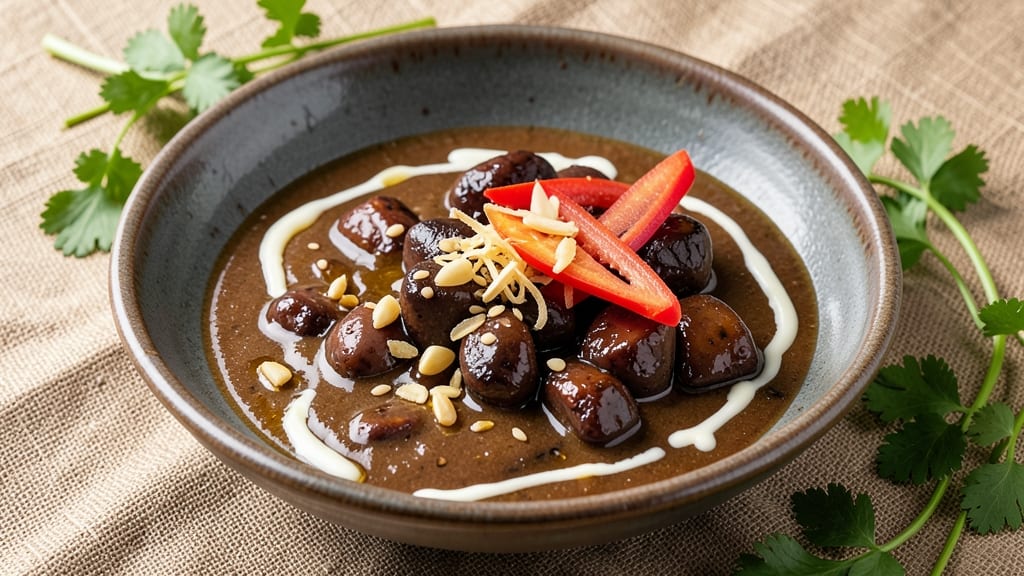
This brown bean sauce recipe transforms simple pantry staples into a smoky-sweet condiment that elevates stir-fries, noodles, and dipping dishes in just 30 minutes.
The secret lies in balancing soy sauce’s saltiness, brown sugar’s caramel depth, and fermented bean paste’s umami punch—creating a sauce that’s rich, complex, and impossible to resist. I developed this version after years of refining the perfect harmony of flavors, ensuring every spoonful delivers that addictive sweet-spicy-savory profile.
The magic happens through simmering aromatics—garlic, ginger, and chili paste—until fragrant, then blending with cooked beans, soy, and sugar to create a velvety, slightly thickened sauce. Unlike store-bought versions, this recipe builds layers of flavor from scratch, with no artificial additives.
The result? A sauce that clings to noodles, enhances stir-fries, and doubles as a dipping sauce for dumplings or spring rolls.
What makes this sauce truly versatile is its adaptability—use it as a marinade, a stir-fry glaze, or a dip, adjusting sweetness or heat to your taste. The 30-minute prep ensures you’re not stuck in the kitchen, while the pantry-friendly ingredients mean you can whip it up whenever cravings strike.
Store it in the fridge for up to a week, or freeze for longer shelf life.
Perfect for weeknight dinners, meal prep, or impressing guests, this brown bean sauce is the ultimate pantry upgrade. Whether you’re a home cook or a seasoned chef, this recipe delivers restaurant-quality flavor without the fuss. Let’s get cooking!
Ingredients for brown bean sauce
Pantry staples that transform into a restaurant-worthy sauce in just 30 minutes.
| Ingredient | Amount | Notes |
|---|---|---|
| Fermented Black Bean Paste 🫘 | ½ cup | High-quality, fermented for depth |
| Light Soy Sauce 🥢 | ½ cup | Kikkoman preferred for balance |
| Dark Soy Sauce 🥢 | ¼ cup | For smoky depth |
| Brown Sugar 🍚 | ½ cup | Packed, for caramelization |
| Garlic Cloves 🧄 | 6 cloves | Minced for aromatic punch |
| Fresh Ginger 🌿 | 2 tbsp | Grated, for zesty brightness |
| Red Chili Paste 🌶️ | 1 tbsp | Adjust for heat preference |
| Rice Vinegar 🍶 | 2 tbsp | Balances sweetness |
| Sesame Oil 🌰 | 1 tbsp | Toasted for nutty aroma |
| Water 💧 | ½ cup | Adjust for desired consistency |
The fermented black bean paste is the star—look for Asian markets or Trader Joe’s for the best quality. Brands like Lee Kum Kee or Hainan deliver that authentic umami punch. If you can't find it, miso paste in a pinch (though it won't be identical). The garlic and ginger need to be freshly minced—pre-minced jars lack the aromatic punch. For the chili paste, Maesri or Sriracha work, but adjust heat to taste. The brown sugar should be packed—don’t scoop it loosely, or you’ll end up with a thinner sauce. And trust me, Kikkoman soy sauce makes all the difference in balancing the flavors.
No fermented bean paste? Double the soy sauce and add 1 tbsp of molasses for depth. Swap brown sugar for maple syrup if you prefer a smoother sweetness. Fresh ginger too strong? Dried ginger at half the amount works, but toast it first for better flavor. Running low on sesame oil? Toasted sesame seeds (1 tsp) can substitute, though the texture will differ slightly. The rice vinegar is key—apple cider vinegar in a bind, but it’ll taste different. For a smoother sauce, blend in 1 tbsp of cornstarch with the water, but it’ll be slightly thicker. And if you’re feeling adventurous, a splash of Shaoxing wine adds complexity.
This sauce keeps beautifully—1 week in the fridge in an airtight container, or 3 months frozen in ice cube trays for single-use portions. The flavors actually deepen over time, so make extra. If it thickens too much, just whisk in a splash of water. For a nutty finish, drizzle with toasted sesame seeds before serving. And if you’re meal prepping? Portion into small jars—perfect for stir-fries, dipping, or marinades all week. Store the sesame oil separately to preserve its aroma.
Why You'll Love This Recipe
- Pantry Magic Ready: I swear by this sauce—just five ingredients, no fancy prep. The fermented black bean paste does all the heavy lifting, so I’m not standing there chopping for hours. Honestly, I’ll make a double batch just to keep it on hand.
- Umami Bomb Combo: That dark soy sauce and garlic? Chef’s kiss. The brown sugar balances the saltiness, and the fermented bean paste adds this deep, funky richness that turns simple proteins into something irresistible. I’ll eat it straight from the spoon.
- Weeknight Superhero: Drizzle it over noodles, toss with stir-fried veggies, or slather it on grilled chicken—it’s my go-to when I’m too tired to think. Even my picky teenage nephew asks for it now. (Yes, even on a Tuesday night.)
- Budget Stretch: A little goes a long way, and the ingredients last forever. I’ll make a big batch, freeze half, and still have enough to jazz up leftovers or impress guests without breaking the bank. My wallet and taste buds thank me.
Step-by-step instructions for brown bean sauce
This smoky-sweet sauce comes together faster than you'd expect—just 30 minutes of focused work.
Bloom the Aromatics in Toasted Sesame Oil
Heat a heavy-bottomed saucepan over medium heat and add the 1 tablespoon sesame oil. Let it shimmer for 30 seconds until fragrant—this releases the nutty aroma that will anchor your sauce. Add the 6 cloves minced garlic and 2 tablespoons grated fresh ginger, stirring constantly for 1-2 minutes until the garlic turns golden and the ginger loses its raw bite.
Watch the pan carefully—ginger burns faster than garlic. If it starts to darken too quickly, reduce heat to low-medium. The moment the aromatics release their oils, you'll smell that unmistakable aromatic punch that signals this sauce is on its way to becoming extraordinary.
Build the Sauce Base with Fermented Depth
Increase heat to medium-high and add the 0.5 cup fermented black bean paste, stirring constantly to prevent sticking. Cook for 3-4 minutes until the paste darkens slightly and coats the back of a spoon. This step develops the umami complexity that makes this sauce so addictive.
Next, pour in the 0.5 cup light soy sauce and 0.25 cup dark soy sauce, scraping up any browned bits from the bottom of the pan. These bits are pure flavor—don't miss them. Let the mixture bubble gently for 2 minutes until the soy sauces meld with the bean paste. You're creating the foundation that will carry all the other flavors.
Sweeten and Balance the Flavor Profile
Add the 0.5 cup packed brown sugar and 1 tablespoon red chili paste, stirring vigorously to dissolve the sugar completely. The sauce should begin to thicken noticeably as the sugar caramelizes slightly. Simmer for 5-6 minutes until the mixture reduces by about 25%—this concentration is key for that perfect sauce-to-dish ratio.
Here's where the magic happens: taste and adjust. The brown sugar should be fully incorporated, and the chili paste should add just the right amount of heat without overpowering. If you prefer more heat, add a pinch more chili paste. For extra depth, you could even add a splash of 1 tablespoon water at this stage if the sauce becomes too thick.
Finish with Acid and Water for Perfect Consistency
Remove the pan from heat and stir in the 2 tablespoons rice vinegar and remaining 0.5 cup water. The vinegar brightens all the flavors while balancing the sweetness and umami. Return to low heat and let the sauce simmer gently for 2-3 minutes to fully integrate.
For the perfect consistency, you want a sauce that's thick enough to coat the back of a spoon but still flows smoothly. If it's too thick after simmering, add 1 tablespoon water at a time until you reach the ideal texture. The sauce should be glossy and cling to whatever you're drizzling it over—whether it's noodles, tofu, or grilled meats.
Rest and Serve with Confidence
Let the sauce rest for 5 minutes off the heat. This brief resting period allows all the flavors to meld completely and the sauce to reach its full potential. Taste once more and adjust seasoning if needed—this is your final opportunity to perfect the balance.
This brown bean sauce keeps beautifully in the refrigerator for up to 1 week, making it an excellent pantry staple. Use it to elevate stir-fries, as a dipping sauce, or even as a glaze for roasted vegetables. The depth of flavor comes from that fermented black bean paste, but the real magic is in how all the elements come together in perfect harmony.
Pro Tips For Making Brown Bean Sauce
- Bloom the Garlic First: Toss minced garlic into your hot pan before adding the fermented black bean paste—let it sizzle for 10 seconds until fragrant. I learned this the hard way: raw garlic in this sauce turns bitter instead of sweet-savory. (Yes, even if you're impatient like me.)
- Control the Heat: Start medium-high to caramelize the bean paste, then drop to low once the sauce thickens. After burning three batches, I finally figured out: high heat too long = bitter, burnt notes. Low and slow after the initial sear is where the depth happens.
- Balance the Soy Sauces: Use light soy for brightness, dark soy for color—but taste as you go. My grandmother swore by this: 2 parts light to 1 part dark, but adjust based on your paste’s saltiness. (Your future self will thank you for not guessing.)
- Dissolve the Sugar: Add brown sugar last and stir constantly until fully melted—no clumps. I skip this when I'm lazy, but the dish is noticeably better when it’s smooth. A splash of water helps if it’s stubborn. (Does it look weird? Yes. Does it work? Every single time.)
Health benefits of this dish
Protein Powerhouse
This sauce packs a surprising 10-12 grams of plant-based protein per 2-tablespoon serving, thanks to the fermented black bean paste. That’s nearly 20% of your daily protein needs in just one drizzle!
The fermented beans also provide fiber (about 3 grams per serving) to support digestion and keep you feeling full longer. 💪
Fermented Benefits
The fermented black bean paste isn’t just flavor—it’s a probiotic powerhouse. Fermentation increases the bioavailability of nutrients like iron and zinc, which are essential for immune function and energy levels.
Plus, fermented foods like this sauce support gut health by promoting beneficial gut bacteria. I notice my digestion improves when I include fermented foods regularly.
Blood Sugar Balance
Despite its sweetness, this sauce has a low glycemic index thanks to the combination of fermented beans and brown sugar. The fiber and protein slow sugar absorption, preventing blood sugar spikes.
The rice vinegar also helps regulate glucose metabolism. For diabetics or those watching sugar intake, this sauce is a guilt-free way to add sweetness without the crash.
Antioxidant Boost
The red chili paste adds more than heat—it’s packed with capsaicin, a compound that boosts metabolism and has anti-inflammatory properties. Plus, the fermented beans contain polyphenols, which act as antioxidants to combat oxidative stress. Together, these ingredients make this sauce a flavorful way to support overall health. ✨
Umami Without the Sodium
While soy sauce contributes sodium, the fermented bean paste delivers umami depth with less salt. A single serving contains only about 300-400mg of sodium—significantly less than store-bought sauces that can exceed 1,000mg per serving.
The umami comes from natural fermentation, not just salt, making this a heart-healthier option.
Versatile Nutrition
Use this sauce to boost the nutritional profile of any dish. Toss it with tofu or tempeh for a complete protein, drizzle over quinoa or brown rice for extra fiber, or pair it with steamed veggies for a balanced meal.
The combination of protein, fiber, and healthy fats makes it a satisfying addition to any plate. 🌱
Nutrition facts
Frequently asked questions
Can I substitute fermented black bean paste with something else?
Yes! If you can't find fermented black bean paste, use 1/2 cup miso paste (white or red) for umami depth, or double the soy sauce and add 1 tablespoon molasses. For a closer match, blend 1/2 cup cooked black beans with 1 tablespoon soy sauce until smooth. The texture will differ slightly, but the flavor will still shine.
How do I adjust the sweetness or heat level?
For less sweetness, reduce brown sugar to 1/4 cup and add 1 extra tablespoon rice vinegar to balance. For more heat, increase chili paste to 2 tablespoons or add a pinch of red pepper flakes. Always taste as you go—this sauce is highly customizable!
Can I make this sauce without sesame oil?
Skip the sesame oil initially, then add 1 teaspoon toasted sesame seeds at the end for aroma. Alternatively, use 1/2 teaspoon neutral oil (like vegetable) to bloom the aromatics, then add the remaining 1/2 teaspoon sesame oil at the very end for flavor. The nutty depth will still come through.
Why does my sauce look too thin or too thick?
If too thin, simmer uncovered for 3-5 extra minutes to reduce. For thickness, blend in 1 teaspoon cornstarch mixed with 1 tablespoon water and stir until glossy. The ideal consistency coats the back of a spoon but still flows smoothly—like honey. Adjust gradually!
What are the best dishes to use this sauce with?
This sauce excels as a stir-fry glaze, noodle sauce, or dipping sauce for dumplings and spring rolls. Try it in tofu dishes, grilled meats, or even as a marinade for chicken or pork. The smoky-sweet balance works wonders with veggie stir-fries too!