
Sauces & Condiments
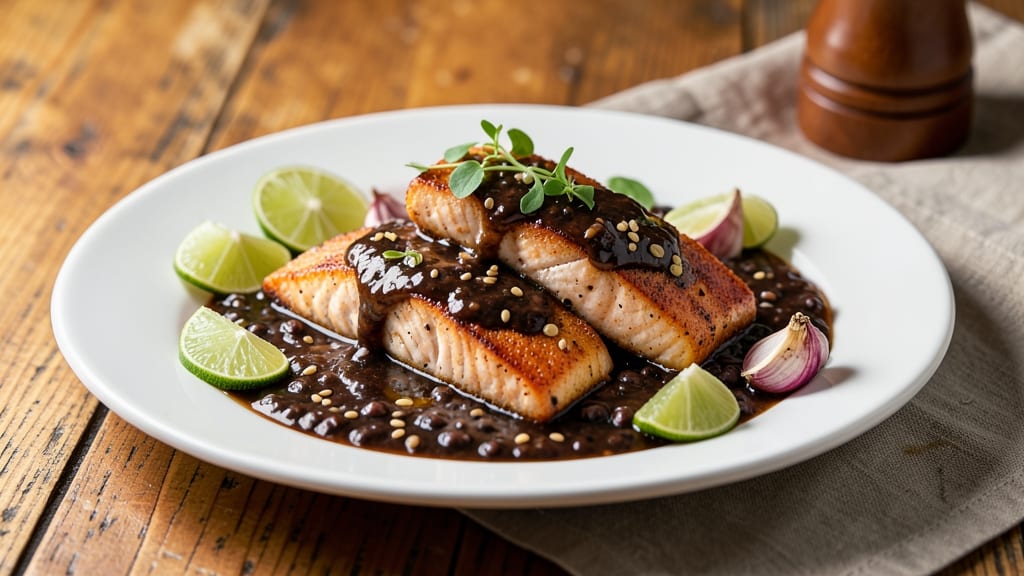
This baked salmon with black bean sauce transforms simple weeknight dinner into a restaurant-worthy meal with minimal effort.
The umami-rich black bean glaze—made with just five pantry staples—sticks to every flake of perfectly cooked salmon, creating a balance of smoky, tangy, and slightly sweet flavors that elevate the dish without overpowering the natural richness of the fish.
The secret lies in the sauce's versatility: while it's bold enough to stand alone, it harmonizes perfectly with the salmon's delicate texture.
You'll start with a 15-minute prep that includes baking the salmon to an ideal 145°F internal temperature—juicy, flaky, and never dry—while the sauce simmers down into a thick, glossy coating that clings beautifully. No fancy techniques required, just precise timing and simple ingredients.
What you'll end up with is a plate that looks as impressive as it tastes: golden-brown salmon with a glossy, caramelized glaze, served with complementary sides like roasted asparagus or jasmine rice to soak up every last bit of that flavorful sauce.
The dish delivers restaurant-quality results while keeping prep under 30 minutes, making it perfect for both weeknight dinners and special occasions.
This recipe isn't just about the salmon—it's about the perfect balance of textures and flavors. The sauce's depth comes from black beans, garlic, and a touch of lime, while the salmon stays tender and moist thanks to a simple seasoning blend.
Whether you're cooking for two or feeding a crowd, this dish delivers consistent, foolproof results every time.
Ingredients for baked salmon with black bean sauce
Five pantry staples plus fresh salmon turn into restaurant-quality dinner in 30 minutes.
| Ingredient | Amount | Notes |
|---|---|---|
| Center-Cut Salmon Fillets 🐟 | 2 whole | Skin-on, 6-8 oz each |
| Canned Black Beans 🫘 | 1 can | Low-sodium, drained and rinsed |
| Garlic Cloves 🧄 | 4 cloves | Minced for sauce |
| Fresh Lime 🍋 | 1 whole | Juiced and zested |
| Olive Oil 🫒 | ½ cup | Extra-virgin for richness |
| Low-Sodium Soy Sauce 🥢 | 2 tbsp | For umami depth |
| Honey 🍯 | 1 tbsp | For subtle sweetness |
| Smoked Paprika 🌶️ | 1 tsp | For smoky flavor |
| Ground Black Pepper 🌶️ | ½ tsp | Freshly ground preferred |
| Kosher Salt 🧂 | 1 tsp | Diamond Crystal preferred |
| Fresh Cilantro 🌿 | ¼ cup | Chopped for garnish |
| Avocado Oil 🫒 | 1 tbsp | For high-heat baking |
| Sesame Seeds 🌰 | 1 tsp | Toasted for crunch |
The salmon makes or breaks this dish—center-cut fillets with skin-on stay moist and crisp up beautifully. Look for fillets with even thickness (about 1-inch) at Whole Foods or your fish counter—they usually have them pre-portioned. If you're buying whole salmon, ask for the center-cut portion (avoid the tail end, which is leaner). Freshness matters: the flesh should be bright pink, firm to the touch, and smell clean (no fishy odor). For extra insurance, pat the fillets dry with paper towels before seasoning—this helps the sauce cling better. I always grab wild-caught Alaskan salmon when possible, but farmed is fine if you're on a budget.
No black beans? Canned chickpeas or lentils work in a pinch, but black beans give that perfect smoky, slightly sweet base. The sauce is all about balance—low-sodium soy sauce for umami, honey for subtle sweetness, and lime to brighten everything up. Swap the honey for maple syrup if you prefer, but don't skip it entirely (the sauce needs that caramelized depth). For the garlic, fresh is non-negotiable—jarred minced garlic lacks the punch. No fresh lime? Key lime juice or bottled lime juice (like ReaLime) works, but fresh zest makes a world of difference. The smoked paprika adds that restaurant-quality smokiness—Penzeys brand is my go-to, but any quality smoked paprika will do. Pro tip: toast the sesame seeds in a dry pan for 30 seconds before adding them to the sauce—they'll smell amazing and add extra crunch.
This sauce reheats beautifully—microwave 30 seconds or warm in a small saucepan over low heat. Store it in the fridge for up to 5 days in an airtight container, or freeze for 3 months (it thickens slightly when thawed, so add a splash of water if needed). The salmon itself keeps 2 days in the fridge if wrapped tightly in plastic, but it's best eaten fresh. For meal prep, bake the salmon and sauce separately, then assemble just before serving—this keeps everything juicy and vibrant. Leftovers? Toss the salmon and sauce over rice or noodles for an easy lunch. The sauce also freezes well on its own, so make a double batch if you're planning to use it again.
Why You'll Love This Recipe
- Foolproof Salmon: I swear by this method—no flaking, no overcooking. The center-cut fillets stay moist while the edges get that perfect golden crust, all thanks to the lime and olive oil marinade. Honestly, it’s the only way I bake salmon now.
- Umami Bomb: That black bean sauce? It’s where the magic happens. The garlic and lime cut through the richness of the salmon, while the beans add a deep, earthy backbone. One bite and you’ll forget about takeout.
- Weeknight to Dinner Party: Same recipe, different vibes. Toss it together for a lazy Tuesday or dress it up with fresh cilantro and toasted breadcrumbs for guests. The sauce thickens beautifully, so it works just as well in a bowl as on a plate.
- Budget-Friendly Luxury: Salmon feels fancy, but this version won’t break the bank. Canned beans stretch the meal, and the simple ingredients mean no wasted leftovers—just reheat and enjoy. My wallet and taste buds both win.
Step-by-step instructions for baked salmon with black bean sauce
Here's how to create a restaurant-quality dish where the black bean sauce clings perfectly to every flake of salmon.
Prepare the Black Bean Sauce
In a food processor, combine the drained and rinsed canned black beans, minced garlic cloves, the 0.5 cup olive oil, 2 tablespoons low-sodium soy sauce, 1 tablespoon honey, 1 teaspoon smoked paprika, 0.5 teaspoon ground black pepper, and 1 teaspoon kosher salt. Pulse until smooth but still slightly textured—you want a thick, spreadable consistency that will cling to the salmon.
Transfer the sauce to a small saucepan and simmer over medium heat for 5-7 minutes, stirring occasionally, until it thickens slightly. This step develops the flavors and ensures the sauce will coat the salmon beautifully. Keep it warm while you prepare the salmon, but don't let it boil or it'll separate.
Season and Bake the Salmon
Preheat your oven to 400°F. Pat the center-cut salmon fillets dry with paper towels—this is crucial for crispy skin. Place them skin-side down on a parchment-lined baking sheet. Drizzle evenly with the 1 tablespoon avocado oil and sprinkle lightly with additional kosher salt if desired.
Bake for 12-15 minutes, depending on thickness, until the internal temperature reaches 145°F and the skin is crispy. You'll know it's done when the salmon flakes easily with a fork and the edges are just beginning to turn opaque. Don't overcook—salmon continues cooking slightly after removal from the oven.
Assemble and Glaze the Salmon
Remove the salmon from the oven and increase the heat to broil. Immediately spoon the black bean sauce evenly over each fillet, making sure to cover the top completely. The sauce should spread naturally due to its thickness, but use the back of a spoon to gently press it into the salmon's surface.
Broil for 2-3 minutes until the sauce bubbles and begins to caramelize slightly on top. Watch closely—you want it to be just set but still glossy. The high heat will create that perfect balance of crispy sauce and tender salmon underneath.
Finish and Garnish
Remove from the broiler and let rest for 2-3 minutes. This resting period allows the juices to redistribute, ensuring each bite is moist and flavorful. While the salmon rests, zest the whole fresh lime and chop the 0.25 cup fresh cilantro.
Squeeze the lime juice over the salmon and sprinkle with the zest, chopped cilantro, and toasted sesame seeds. The acidity from the lime brightens the rich flavors, while the cilantro and sesame seeds add fresh contrast. Serve immediately with the sauce clinging beautifully to each flake of salmon.
Pro Tips For Making Baked Salmon With Black Bean Sauce
- Pat the Salmon Dry: Skip the damp paper towels—this isn’t a science experiment. Use a clean kitchen towel and press firmly all over the fillets. Wet skin sticks to your baking sheet, and that’s a fast track to soggy salmon. Do this right before seasoning, and you’ll get that golden crust you’re after.
- Crush That Garlic: Minced garlic burns faster than you’d think, especially when baking. I learned this the hard way—my sauce turned bitter. Instead, smash 3-4 cloves with the flat side of your knife, then finely chop. The flavor’s just as bold, and your sauce won’t taste like regret.
- Resist the Urge to Overmix: Once you toss the black beans with lime juice and olive oil, give them one gentle stir. Overmixing turns them mushy, and you’ll end up with a sad, watery sauce instead of a chunky, flavor-packed one. A wooden spoon and a few folds are all you need.
- Bake at 375°F, Not Higher: I used to blast my oven to 425°F for speed, but the salmon would dry out before the sauce caramelized. 375°F is the sweet spot—it cooks the fish evenly while letting the black bean sauce simmer into something worth eating. If you’re impatient, just add 2-3 minutes to the bake time.
Creative variations of this recipe
Spicy Black Bean Twist
Add a kick by mixing in 1 teaspoon of chipotle powder or ½ teaspoon of cayenne pepper with the black bean sauce. For balance, increase the honey to 2 tablespoons to offset the heat.
I like to toast ½ teaspoon of cumin seeds in a dry pan for 30 seconds and sprinkle them over the finished dish—they add a warm, earthy depth that complements the spice beautifully. 🌶️
Coconut-Lime Variation
Swap the olive oil for ¼ cup of light coconut milk and add 1 tablespoon of lime zest to the sauce base. The coconut milk creates a silky texture while the extra lime brightens the flavors.
Garnish with toasted coconut flakes for a tropical twist that pairs perfectly with the salmon's natural richness. This version works especially well with mango salsa on the side.
Asian-Inspired Sesame Glaze
Replace the soy sauce with 2 tablespoons of tamari and add 1 tablespoon of rice vinegar plus 1 teaspoon of grated fresh ginger to the sauce. Finish with 1 tablespoon of toasted sesame oil drizzled over the salmon just before serving.
The umami from the tamari and the nuttiness of sesame create a fusion flavor that's both familiar and exciting. 🍜
Smoky Chipotle Cream Sauce
For a creamy twist, blend ½ cup of Greek yogurt or sour cream with 1 teaspoon of adobo sauce (from chipotle peppers in adobo) into the finished black bean sauce. The result is a velvety, smoky glaze that pairs perfectly with the salmon's flakiness.
Garnish with chopped scallions and a sprinkle of smoked sea salt for an extra layer of complexity.
Herb-Infused White Bean Sauce
Use 1 can of white beans instead of black beans and add 1 tablespoon of fresh dill plus 1 tablespoon of fresh parsley to the sauce. The herbs give a bright, fresh contrast to the salmon's richness.
For extra flavor, stir in 1 teaspoon of lemon thyme with the beans before processing. This version works beautifully with lemon wedges on the side for squeezing over each bite.
Sweet Chili Glaze
Replace the honey with 2 tablespoons of sweet chili sauce (like Cholula) and add ½ teaspoon of sriracha for heat. The sweet and spicy combo creates a glossy, sticky glaze that caramelizes beautifully under the broiler.
Garnish with crushed peanuts for texture and serve with steamed jasmine rice to soak up the extra sauce. This variation is a crowd-pleaser for Asian-inspired dinners. 🔥
Nutrition facts
Frequently asked questions
Can I use frozen salmon for this recipe?
Yes, but thaw it properly first! Place frozen salmon fillets in a sealed bag and submerge in cold water for 30 minutes per inch of thickness. Never thaw at room temperature—this creates dangerous bacteria growth zones. Pat completely dry before seasoning to ensure crispy skin. The texture will be just as good as fresh salmon when cooked properly.
What's the best way to thicken the black bean sauce if it's too thin?
Simmer the sauce uncovered for an extra 2-3 minutes—this evaporates excess liquid. For immediate thickening, stir in 1 teaspoon of cornstarch mixed with 1 tablespoon cold water, then simmer for 1 minute until it reaches your desired consistency. Avoid adding flour directly—it can create a gritty texture.
How do I prevent the salmon skin from sticking to the baking sheet?
Line your baking sheet with parchment paper and place the salmon skin-side down. Drizzle with avocado oil (higher smoke point than olive oil) and sprinkle lightly with salt. The oil creates a natural barrier while the salt helps render moisture, creating crispy skin. Never skip the paper—it's the secret to easy release!
Can I make this recipe ahead of time?
Prepare the sauce up to 2 days ahead and store in an airtight container in the fridge. Bake the salmon fresh day-of—it's best served immediately after glazing. For meal prep, bake the salmon without sauce, store separately, then reheat gently and add warm sauce when ready to serve. The sauce reheats beautifully in a small saucepan over low heat.
What are the best side dishes to serve with this?
For a complete meal, try these pairings: Jasmine rice to soak up the sauce, roasted asparagus with lemon zest, or a mango-avocado salad for fresh contrast. The smoky-sweet sauce also works beautifully with couscous or sautéed greens** like spinach with garlic. Keep sides simple to let the salmon shine!