
Sauces & Condiments
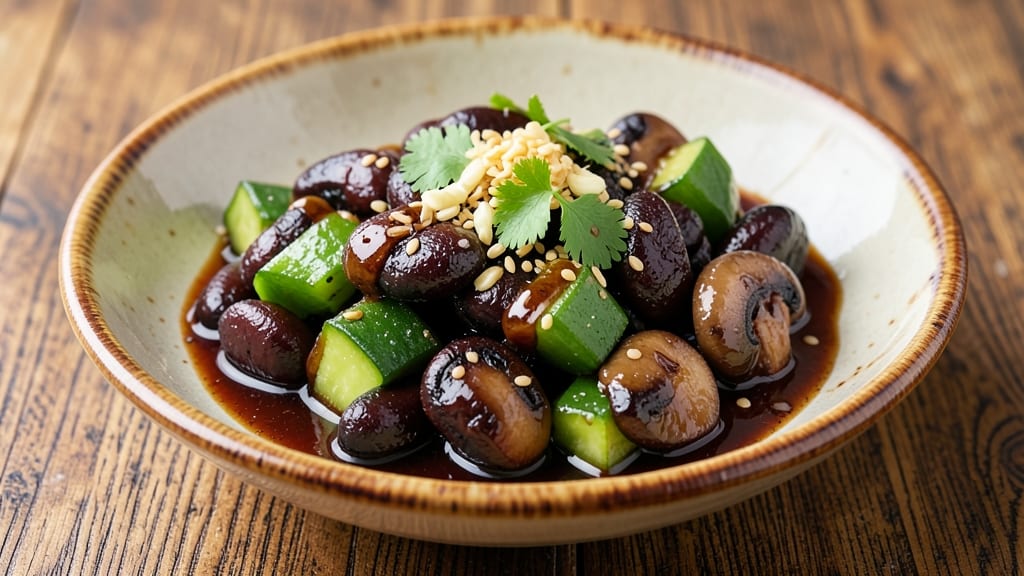
This bitter melon black bean sauce transforms a polarizing ingredient into a rich, umami-packed condiment that elevates stir-fries and noodle dishes. The key lies in balancing bitter melon's earthy bite with black beans' deep flavor, creating a sauce that's both complex and approachable.
I developed this recipe after discovering how traditional Chinese cuisine uses bitter melon to cut through richness, and it's become my go-to for adding depth to plant-based meals.
The process begins with sautéing aromatic vegetables like garlic and ginger to build flavor, then simmering bitter melon and black beans until tender. A touch of soy sauce and a hint of sweetness from brown sugar round out the profile, ensuring the bitterness never overpowers.
What you'll end up with is a velvety, slightly thick sauce that clings beautifully to noodles, tofu, or grilled vegetables while adding layers of savory satisfaction.
This sauce isn't just for stir-fries—it works as a dipping sauce for dumplings, a marinade for tempeh, or even a flavorful addition to soups. The best part? It keeps well in the refrigerator for up to five days, making it perfect for meal prep.
Whether you're serving it over rice or using it as a glaze for roasted vegetables, this sauce delivers restaurant-quality flavor with minimal effort.
For those new to bitter melon, start with small amounts—its flavor is an acquired taste, but when balanced properly, it becomes an unexpected star. The black beans provide both texture and protein, while the aromatics ensure every spoonful is aromatic and satisfying. Let's get cooking!
Ingredients for bitter melon black bean sauce
Nine simple ingredients transform bitter melon into a velvety, umami-packed sauce perfect for stir-fries and noodles.
| Ingredient | Amount | Notes |
|---|---|---|
| Bitter Melon 🍆 | 1 lb | Fresh, peeled and deseeded |
| Black Beans 🫘 | 1 ½ cups | Cooked, drained and rinsed |
| Garlic Cloves 🧄 | 4 cloves | Minced for aromatic base |
| Fresh Ginger 🌿 | 2 tbsp | Finely grated, peeled |
| Low-Sodium Soy Sauce 🍶 | ½ cup | For umami depth |
| Brown Sugar 🍯 | 2 tbsp | Balances bitterness |
| Extra-Virgin Olive Oil 🫒 | 2 tbsp | For sautéing aromatics |
| Red Chili Flakes 🌶️ | 1 tsp | Adjust to taste |
| Vegetable Broth 💧 | 1 cup | Low-sodium preferred |
| Fresh Lime Juice 🍋 | 1 tbsp | Brightens flavors |
Bitter melon is the star here, so pick firm, unblemished ones—the younger, the milder. Most Asian markets have them fresh, but if you're at a regular grocery store, Trader Joe's or Whole Foods often carry them. For the black beans, canned is fine, but if you're using dried, soak them overnight. The garlic and ginger should be fresh—no powdered shortcuts here. Penzeys has great pre-minced garlic if you're short on time, but fresh is always better. I usually grab a whole head of garlic and ginger to have on hand for other recipes, but for this sauce, you only need a small portion.
No bitter melon? Substitute with a mix of zucchini and eggplant—it won't be identical, but it'll add a mild, earthy note. Swap the black beans for lentils if you prefer, but they'll need longer cooking time. Running low on soy sauce? Coconut aminos work in a pinch, though the flavor will be slightly different. The brown sugar is key for balancing the bitterness—don't skip it, but if you're watching sugar, maple syrup works too. For extra depth, add a splash of rice vinegar (about 1 tsp) to brighten the sauce even more.
This sauce keeps beautifully in the fridge for up to 5 days, so make a big batch. Store it in an airtight container with a thin layer of olive oil on top to preserve freshness. It freezes well too—portion into ice cube trays for easy single-use servings. The flavor actually improves after a day or two as everything melds together. Perfect for meal prep—just reheat gently on the stove or microwave until warm. If it thickens too much, stir in a splash of water or broth.
Why You'll Love This Recipe
- No-Chop Nightmare: I swear by this recipe when I’m too tired to dice anything. The bitter melon gets sliced into thick rounds—no mincing, no stress—then just tosses into the pan with the black beans and ginger. That’s it. Done.
- Umami Bomb: Between the fermented black beans and low-sodium soy sauce, this sauce hits hard in the best way. The ginger and garlic add a sharp, warm kick, but the bitter melon softens into a silky texture that balances everything. Honestly, it’s the kind of flavor that lingers.
- Leftover Goldmine: This sauce keeps like a champ in the fridge for up to five days, and it only gets better as the flavors meld. I make a big batch on Sundays, then use it in stir-fries, over rice, or even as a quick noodle sauce—no waste, all win.
- Budget Powerhouse: Black beans and bitter melon are cheap staples that pack serious protein and fiber. Fresh ginger and garlic are affordable too, and a little soy sauce goes a long way. It’s a filling, nutritious meal that won’t break the bank—especially when you stretch it across multiple dishes.
Step-by-step instructions for earthy umami stir-fry sauce
Here's how to balance bitter melon's sharpness with black beans' heartiness—simple steps for bold flavor.
Prep the Bitter Melon and Aromatics
Start by peeling and deseeding the 1 lb bitter melon—wear gloves if you're sensitive to its skin. Cut it into ½-inch cubes and immediately soak them in cold water for 10 minutes to remove excess bitterness. Drain well before using. While it soaks, finely grate the 2 tbsp fresh ginger and mince the 4 cloves garlic cloves—you'll want them almost paste-like for maximum flavor infusion.
Real talk: the bitter melon's texture matters. Pat it completely dry after soaking—wet melon will steam instead of sear. This prep work ensures your sauce develops rich, caramelized notes rather than turning mushy. Keep all prepped ingredients within reach so you don't lose momentum during cooking.
Build the Sauce Base with Heat
Heat the 2 tbsp extra-virgin olive oil in a large skillet over medium-high heat until shimmering. Add the ginger and garlic, cooking for 1-2 minutes until fragrant but not browned—you want aromatic depth, not burnt bits. Immediately add the drained bitter melon cubes and stir for 3 minutes until they begin to soften slightly but still hold their shape.
Here's where it gets interesting: the bitter melon will release water as it cooks. Let it reduce naturally for 2-3 minutes before adding the 1.5 cups cooked black beans. Stir everything together and cook for another 4 minutes until the black beans are heated through and the melon has softened enough to mash slightly with a spoon.
Balance Flavors with Sweet and Savory
Reduce the heat to medium-low and add the 0.5 cup low-sodium soy sauce, 2 tbsp brown sugar, and 1 tsp red chili flakes. Stir well to combine, then pour in the 1 cup vegetable broth. Let the mixture simmer uncovered for 8-10 minutes, stirring occasionally, until it thickens slightly and the liquid reduces by about ¼. You're aiming for a consistency that coats the back of a spoon but still flows easily.
Taste as you go—this is your quality checkpoint. The sauce should have layers: the sharpness of bitter melon balanced by the sweetness of the sugar, the umami from soy and black beans, and a gentle heat from the chili. If it's too acidic, add a pinch more sugar. If it's too bitter, a splash more broth helps. The brown sugar isn't just for sweetness; it helps caramelize the flavors as they reduce.
Finish with Brightness and Adjustments
Once the sauce has thickened to your liking, remove it from heat and stir in the 1 tbsp fresh lime juice. This final step brightens all the deep, earthy flavors and cuts through any remaining bitterness. Let the sauce sit for 5 minutes off the heat—this resting period allows the flavors to meld completely and the texture to stabilize.
Before serving, give it one final taste and adjust seasoning if needed. A little more soy sauce for saltiness? A pinch more chili for heat? This sauce works as a stir-fry sauce, dipping sauce, or even a bowl base—so make sure it sings on its own. The key is balance: the bitter melon should be noticeable but not overpowering, with the black beans adding hearty texture and the lime juice tying everything together.
Pro Tips For Making Bitter Melon Black Bean Sauce
- Blister the Melon First: Sear the bitter melon halves cut-side down in a dry pan for 2-3 minutes until charred—this softens the flesh and cuts the bitterness. I used to skip this, and the sauce always tasted raw and harsh; now it’s rich and balanced.
- Soak Beans for 30 Minutes: Give those black beans a quick soak in warm water (not boiling) for half an hour before cooking. This reduces cooking time and keeps them from turning mushy—my first batch took 45 minutes to soften, and the sauce separated.
- Mince Ginger Fine: No big chunks—grate or mince the ginger until it’s almost paste-like. I tried thin slices once, and the flavor was uneven; now the sauce gets that deep, smooth warmth in every bite.
- Deglaze with Soy Sauce: After frying garlic and ginger, pour in the low-sodium soy sauce immediately while the pan’s still hot. Let it bubble for 30 seconds to lift all the browned bits—this makes the sauce richer without extra salt.
Best sauces and condiments for these flavors
Sweet-Savory Balance
The sauce’s magic lies in balancing bitter melon’s sharpness with 2 tbsp brown sugar and 1 tbsp lime juice—these ingredients are non-negotiable. The sugar caramelizes during simmering, creating a subtle molasses-like depth that softens the bitterness, while the lime juice brightens everything at the end.
I often add an extra ½ tsp maple syrup if I want to emphasize sweetness without overpowering the umami from the black beans. 🍯
Umami Boosters
For extra depth, stir in 1 tbsp miso paste (white or red) during the final simmer—it adds fermented complexity without altering texture. If you’re using canned black beans, drain them well and rinse to remove excess sodium, which can overpower the delicate balance.
For a smoky twist, add ½ tsp smoked paprika when you incorporate the chili flakes. The key is layering: each ingredient should enhance, not dominate.
Texture Variations
Want a smoother sauce? After simmering, blend ½ the mixture until silky, then stir it back in. For chunkier texture (great for stir-fry tossing), skip blending and leave the bitter melon and black beans intact.
If the sauce thickens too much, thin it with 1-2 tbsp vegetable broth—never water, as it dilutes the flavor. A light coating on a spoon is ideal for dipping, while a thicker consistency works best for glazing.
Spice Adjustments
The 1 tsp red chili flakes are just a starting point—adjust to your heat tolerance. For a milder kick, use ½ tsp and add 1 tsp gochujang (Korean chili paste) for fermented depth.
If you love heat, swap the flakes for 1 tbsp fresh Thai bird’s eye chili, minced. Always taste before serving: the sauce should dance on your palate, not overwhelm it. 🌶️
Storage Hacks
This sauce thrives in the fridge for 5 days—store it in an airtight container with a thin layer of olive oil on top to preserve freshness. For freezing, portion into ice cube trays, then transfer to a bag.
Thaw overnight in the fridge and stir in 1 tsp lime juice to revive brightness. Microwave reheating works, but stovetop is better: heat on low with 1 tbsp water to prevent burning. The flavors actually improve after a day or two as the bitterness mellows.
Serving Ideas
Use this sauce as a stir-fry glaze for tofu or tempeh, a dipping sauce for spring rolls, or a base for noodle bowls. For extra richness, drizzle with 1 tsp toasted sesame oil just before serving.
It also works as a marinade for grilled vegetables—brush on zucchini or eggplant before roasting. The sauce’s versatility makes it a pantry staple: keep a jar in your fridge for quick flavor upgrades. 🍜
Nutrition facts
Frequently asked questions
Why does the bitter melon need soaking before cooking?
Soaking removes excess bitterness and reduces moisture content, preventing the sauce from becoming watery. The 10-minute cold water soak also helps tenderize the melon slightly, ensuring it cooks evenly and develops a better texture. Always pat it completely dry after soaking for optimal searing results.
Can I make this sauce without bitter melon?
Yes! For a milder version, substitute with a mix of 1 cup zucchini and ½ cup eggplant—they provide a similar earthy base without the bitterness. The black beans will still deliver umami depth, though the flavor profile will be less complex. Adjust the brown sugar to 1 tbsp since you won't need to balance as much bitterness.
How do I adjust the thickness of the sauce?
For a smoother sauce, blend ½ the mixture after simmering and stir it back in. For chunkier texture, skip blending. If it thickens too much, thin with 1-2 tbsp vegetable broth—never water, as it dilutes flavors. The ideal consistency coats the back of a spoon but still flows easily for dipping or tossing.
What's the best way to store leftovers?
Store in an airtight container with a thin layer of olive oil on top to preserve freshness. It keeps for 5 days in the fridge or up to 3 months in the freezer (portion into ice cube trays for easy use). Thaw overnight in the fridge and stir in ½ tsp lime juice to revive brightness before reheating.
Can I use this sauce as a marinade?
It works beautifully as a marinade for tofu, tempeh, or grilled vegetables like eggplant or zucchini. Let it marinate for 30-60 minutes (no longer, as the acidity can toughen proteins). For extra flavor, add 1 tsp toasted sesame oil to the sauce before using it as a marinade.