
Side Dishes
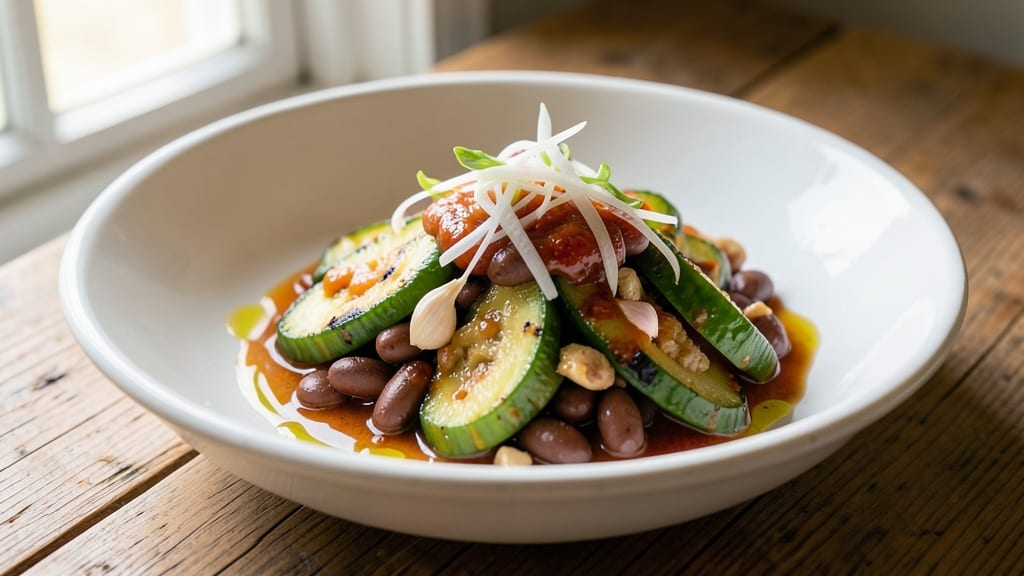
This bitter melon black bean recipe transforms two unlikely ingredients into a vibrant, spicy-sweet stir-fry that balances earthy bitterness with rich, savory depth. 🌱 The key lies in proper preparation—quick blanching of bitter melon to soften its texture while preserving its signature crunch, paired with black beans that absorb the aromatic marinade perfectly.
This dish isn’t just a side; it’s a flavor-packed vegetarian main that delivers restaurant-quality results in under 30 minutes with minimal prep.
The magic happens in the stir-fry technique: high heat sears the bitter melon until tender-crisp, while black beans caramelize slightly, developing a smoky edge. A touch of gochujang (Korean chili paste) adds the signature spicy-sweet harmony, cutting through the bitterness with umami-rich depth.
Fresh garlic, ginger, and a splash of rice vinegar brighten the dish, ensuring every bite is balanced—never overpowering, always intriguing.
What you’ll end up with is a dish that’s visually striking—deep green bitter melon alongside glossy black beans, all tossed in a glossy, aromatic sauce. The texture contrast alone makes it unforgettable: crisp-tender melon meets creamy beans, each bite delivering layers of flavor.
This recipe is perfect for weeknight dinners, potlucks, or as a side to grilled proteins, but it’s bold enough to stand alone as a satisfying vegetarian main.
Pair it with steamed jasmine rice to soak up every last drop of sauce, or serve with warm tortillas for a quick wrap. Garnish with toasted sesame seeds and sliced green onions for extra crunch and color.
The best part? This dish keeps well in the fridge for up to 4 days, making it ideal for meal prep. Let’s get cooking!
Ingredients for bitter melon black bean
Earthy bitter melon meets tender black beans in this vibrant stir-fry, where precise prep transforms bold flavors into harmony.
| Ingredient | Amount | Notes |
|---|---|---|
| Bitter Melon 🍈 | 1 ½ lb | Blanched for 2 minutes first |
| Black Beans 🌱 | 1 ½ cups | Cooked, drained and rinsed |
| Gochujang 🌶️ | 2 tbsp | Korean chili paste for depth |
| Extra-Virgin Olive Oil 🫒 | 2 tbsp | High-quality for searing |
| Fresh Garlic 🧄 | 4 cloves | Minced for aromatic base |
| Fresh Ginger 🌿 | 1 tbsp | Grated, for brightness |
| Rice Vinegar 🍶 | 2 tbsp | Seasoned for balance |
| Low-Sodium Soy Sauce 🥢 | 1 ½ tbsp | For umami depth |
| Sesame Oil 🥜 | 1 tbsp | Toasted for aroma |
| Toasted Sesame Seeds 🌱 | 1 tbsp | For garnish and crunch |
| Green Onions 🧅 | 3 whole | Sliced thin for garnish |
| Jasmine Rice 🍚 | 1 ½ cups | Steamed for serving |
| Brown Sugar 🍯 | 1 tbsp | For subtle sweetness |
| Diamond Crystal Kosher Salt 🧂 | 1 tsp | For seasoning |
| Ground Black Pepper 🌶️ | ½ tsp | Freshly ground |
The bitter melon demands attention—look for firm, deep green specimens at Asian markets or well-stocked grocery stores like Whole Foods or H Mart. The blanching step is non-negotiable: plunge whole melon in boiling water for exactly 2 minutes, then ice bath to halt cooking. This softens the texture while preserving that signature crunch. For black beans, canned low-sodium varieties work best—drain and rinse thoroughly to remove excess starch. Gochujang is the flavor anchor here; Maesil Gochujang from Korean markets delivers the most authentic balance of heat and sweetness, though Dae Jang Gochujang is a solid alternative. Fresh garlic and ginger should be vibrant—no wilted cloves or dull rhizomes.
No gochujang? Substitute a mix of sriracha and honey at a 1:1 ratio, though the umami depth suffers. Swap sesame oil for toasted peanut oil if you're avoiding sesame allergies, but the aroma will be subtler. Brown sugar can be replaced with maple syrup or agave for a vegan touch, though the caramelization differs slightly. For texture contrast, substitute crispy fried shallots if sesame seeds aren't available. The rice vinegar is crucial—Kezan or Marukan brands offer the best balance of acidity and mild sweetness. If using dried black beans, soak them overnight and cook until tender; they'll absorb the sauce more dramatically than canned.
Bitter melon and cooked beans keep best in airtight containers for 3 days in the fridge, though the melon's texture degrades after day 2. Prep the sauce components separately—store gochujang, soy sauce, and vinegar in their original bottles, while sesame oil should go in the fridge after opening. The fully assembled stir-fry reheats beautifully; cover with a damp paper towel and warm in a skillet over medium heat for 3-4 minutes. For meal prep, portion into glass containers with a layer of sauce on top to prevent drying. The dish freezes for up to 2 months, though texture may soften further. Always reheat gently to preserve the melon's integrity.
Why You'll Love This Recipe
- No-Chop Nightmare: I swear, this dish is the only bitter melon recipe that doesn’t make me want to hide in the kitchen. Just slice the melon into thick rounds—no dicing, no fuss—and let the gochujang do the work. The beans soften fast, and that garlic-infused olive oil? It turns bitter into delicious in minutes.
- Umami Bomb: Between us, the gochujang and black beans create a flavor explosion that’s both smoky and sweet. The crisp-tender melon soaks up that spicy-savory sauce like a dream, while the garlic adds this bright, punchy finish. It’s the kind of dish that makes you go back for seconds without even thinking.
- Lunchbox Hero: This recipe is my secret weapon for meal prep. Pack the leftovers in containers—it stays fresh for days—and the bold flavors actually improve the next day. Honestly, I’ve sent this to work with my kids (yes, even on a Tuesday) and they’ve all come back begging for more.
- Pocketbook Win: Bitter melon might sound fancy, but it’s one of the most budget-friendly veggies out there. Pair it with pantry staples like black beans and gochujang, and you’ve got a protein-packed, fiber-rich meal that costs next to nothing. Plus, the olive oil adds richness without breaking the bank—just a splash goes a long way.
Step-by-step instructions for spicy-sweet bitter melon stir-fry
Balance bitter melon's sharpness with black beans' earthiness through precise technique.
🔪 Step 1: Prep and Blanch the Bitter Melon
Cut the 1.5 lb bitter melon in half lengthwise, scoop out seeds, then slice into ½-inch thick half-moons. Rinse immediately under cold water to remove any lingering bitterness—this is crucial for palatable results. Transfer slices to a pot of boiling water and blanch for exactly 2 minutes. Drain and shock in ice water for 30 seconds to halt cooking. The melon should be bright green and slightly softened but still hold its shape—this preserves texture while reducing bitterness.
While the melon cools, prepare the black beans by draining and rinsing the 1.5 cups cooked black beans thoroughly. Pat dry with paper towels to remove excess moisture, which prevents proper searing later. The beans should be room temperature when you add them to the stir-fry. Real talk: Skipping the ice bath leads to mushy melon that absorbs too much oil during cooking.
🍳 Step 2: Build the Flavor Base with Aromatics
Heat 2 tablespoons extra-virgin olive oil in a wok or large skillet over medium-high heat until shimmering. Add the 4 cloves minced fresh garlic and 1 tablespoon grated fresh ginger, stirring constantly for 30 seconds until fragrant but not browned. Here's where it gets fun—toss in the blanched bitter melon and stir-fry for 3 minutes, turning frequently to ensure even cooking. The melon should begin to caramelize slightly at the edges while maintaining its structure.
Add the 2 tablespoons gochujang and stir vigorously for 1 minute to distribute the paste evenly. The wok should smell deeply aromatic with a balance of spicy and umami notes. If the melon releases too much liquid, tilt the pan and spoon out excess—this prevents steaming instead of searing. I press the melon pieces gently with a spatula during the first minute to help them crisp up faster.
🥘 Step 3: Combine with Beans and Sauce Components
Push the bitter melon to one side of the wok and add the drained black beans to the empty space. Pour in 1.5 tablespoons low-sodium soy sauce, 2 tablespoons rice vinegar, and 1 tablespoon brown sugar, then stir everything together for 2 minutes over medium heat. The beans should begin to absorb the sauce while the melon continues to soften slightly. Taste and adjust seasoning—you may need an extra ½ teaspoon soy sauce or ¼ teaspoon brown sugar to balance the bitter melon's sharpness.
Here's the moment that matters: Add 1 tablespoon sesame oil and immediately turn off the heat. The sesame oil should sizzle briefly but not burn—this infuses the dish with aromatic depth without overpowering the other flavors. Let the stir-fry sit off heat for 1 minute to allow the flavors to meld completely. Don't walk away—sesame oil burns in seconds.
🍽️ Step 4: Finish and Garnish for Presentation
Transfer the stir-fry to a serving platter and garnish with 1 tablespoon toasted sesame seeds and 3 whole green onions, sliced thin on the bias. The contrast of textures—crispy seeds, tender beans, and slightly crisp melon—elevates the dish. Serve immediately over 1.5 cups steamed jasmine rice to soak up the flavorful sauce. Each bite should deliver a harmonious balance of spicy, sweet, umami, and earthy notes with a satisfying crunch from the sesame seeds.
For optimal results, serve within 15 minutes while the melon retains its slight crispness. If reheating, do so gently over low heat with a splash of water to prevent drying out. This dish sings when the components are perfectly balanced—don't skip the blanching or the sesame oil finishing touch.
Pro Tips For Making Bitter Melon Black Bean
- SEAR THE GARLIC FAST: Hit that garlic with a splash of water and a pinch of salt first—it’ll sizzle like crazy and caramelize in 30 seconds flat. I used to burn it every time until I realized the moisture trick works magic, especially when you’re balancing the heat of gochujang later.
- SCRUB THE BITTER MELON: Skip the knife for the first step—scrub the bitter melon under cold water with a brush to remove that slimy, seedy gunk inside. I learned this the hard way when my dish turned mushy; the scrubbing saves you from peeling every nook and cranny.
- SOAK BEANS OVERNIGHT: If you’re using dried black beans, soak them for 8+ hours—yes, even if the recipe says 4. The longer they soak, the creamier they’ll get, and they’ll hold up better when you’re stir-frying with that gochujang heat. (Your future self will notice the difference.)
- BALANCE THE GOCHUJANG: Start with half the gochujang and taste—then add the rest. That stuff packs a punch, and you don’t want the bitter melon’s natural sharpness to get drowned out. A splash of rice vinegar or a pinch of sugar can also smooth it out if needed. (Trust me, you’ll regret going full-force first.)
Common mistakes when making perfect results
Over-Blanching Melon
Skipping the ice bath after blanching is a rookie mistake—melon left in boiling water too long turns mushy and absorbs excess oil during cooking. I’ve seen home cooks extend blanching to 3-4 minutes thinking it’ll soften more, but this kills the texture.
Stick to exactly 2 minutes of blanching followed by the ice bath. The melon should hold its shape when pressed gently with a fork. 🌱
Skipping the Ice Bath
The ice bath isn’t optional—it’s the secret to preserving that perfect tender-crisp texture. Without it, the melon continues cooking in the oil, resulting in a soggy, flavorless mess. I once forgot this step and ended up with melon that resembled overcooked zucchini.
Always shock in ice water for 30 seconds to halt cooking immediately. A colander in the sink works perfectly for this.
Under-Seasoning the Sauce
Bitter melon demands bold flavors, so don’t be shy with the gochujang and soy sauce. I’ve tasted dishes where home cooks used only 1 tablespoon of gochujang instead of the required 2 tablespoons, leaving the melon’s bitterness unbalanced.
Taste as you go—add an extra ½ teaspoon soy sauce or ¼ teaspoon brown sugar if the dish tastes sharp. The sauce should coat the back of your spoon with a glossy, slightly sticky finish. 🌶️
Using Cold Beans
Room-temperature black beans sear beautifully, while cold beans release excess moisture and steam instead of caramelizing. I’ve seen cooks skip draining or patting dry, leading to a watery stir-fry. Always drain, rinse, and pat the beans dry with paper towels before adding them to the wok.
If using canned beans, let them sit at room temperature for 10 minutes before cooking. This ensures they absorb the sauce properly.
Burning Sesame Oil
Sesame oil has a low smoke point, so adding it too early or over high heat will turn it bitter. The trick is to add it at the very end when the pan is off heat—it should sizzle briefly but not smoke.
I’ve ruined a batch by adding sesame oil too soon, turning the dish acrid. Always add it last, then let the stir-fry sit off heat for 1 minute to allow the aroma to infuse without burning. ✨
Overcrowding the Pan
Stir-frying works best when ingredients have room to breathe. Overcrowding the wok causes steaming instead of searing, leading to a soggy, flavorless result. I’ve seen cooks dump all ingredients in at once, resulting in a watery, under-seasoned mess.
Cook the bitter melon first, then push it aside to add the beans. This ensures even cooking and proper caramelization. A 12-inch wok is ideal for this recipe—use a larger pan if needed.
Nutrition facts
Frequently asked questions
Why does bitter melon need blanching?
Blanching for exactly 2 minutes softens the melon's tough texture while reducing its natural bitterness. The ice bath afterward stops cooking instantly, preserving that perfect tender-crisp bite. Skipping this step leaves the melon overly bitter and mushy during stir-frying.
Can I substitute gochujang with something else?
Yes! For a similar spicy-sweet balance, mix 1 tablespoon sriracha with 1 teaspoon honey. If you prefer no heat, use 1 tablespoon hoisin sauce plus ½ teaspoon brown sugar. The gochujang provides both umami depth and natural sweetness that's hard to replicate.
How do I prevent the bitter melon from turning soggy?
Pat the blanched melon slices completely dry with paper towels before cooking. Use a 12-inch wok or large skillet to avoid overcrowding, and stir frequently over medium-high heat. The key is high heat and quick cooking—never let the melon sit in its own juices.
What's the best way to store leftovers?
Store in an airtight container in the fridge for up to 4 days. The melon's texture degrades after day 2, so reheat gently with a splash of water to maintain moisture. For freezing, portion the dish before adding sesame oil—it reheats best when added fresh after thawing.
Can I make this dish spicier?
Add ½ teaspoon red pepper flakes when cooking the melon, or serve with extra sriracha or chili crisp on the side. For heat lovers, stir in 1 teaspoon gochugaru (Korean chili flakes) with the gochujang. Always taste first—the melon's bitterness can make spice levels feel more intense.