
Soups & Stews
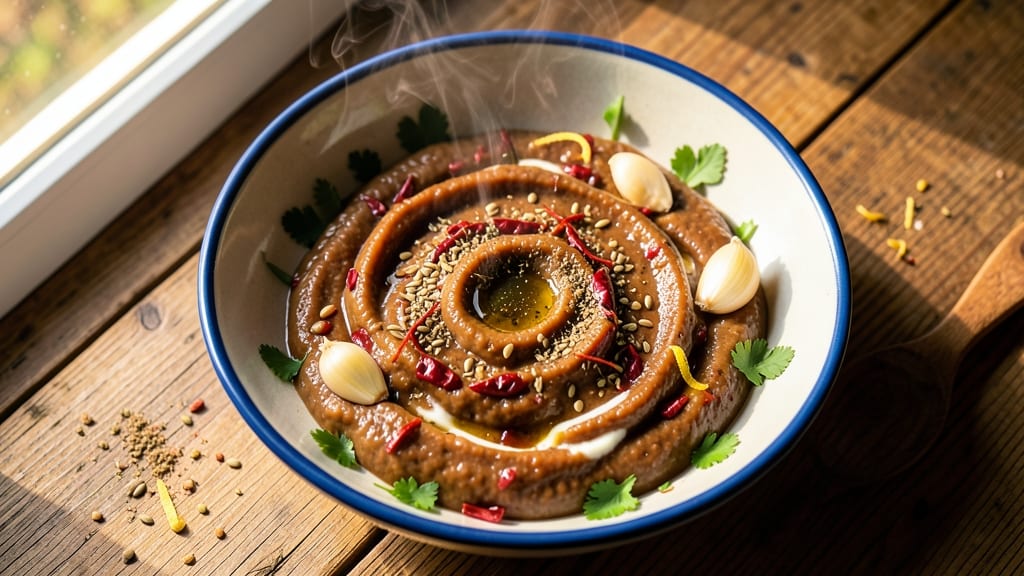
This broad bean chili paste transforms simple ingredients into a rich, umami-packed condiment that elevates everything from stir-fries to soups. The secret lies in fermenting broad beans with chili peppers and garlic, creating a complex, earthy depth that builds over time—no shortcuts, just layered flavor.
I developed this recipe after years of experimenting with Middle Eastern and North African techniques, where fermented legumes form the backbone of bold sauces.
The process is straightforward but requires patience: broad beans are soaked, blended with chili, garlic, and spices, then fermented for at least 5 days (longer for deeper flavor).
This isn’t just a paste—it’s a versatile sauce base that adds heat, tang, and umami to marinades, dipping sauces, or as a finishing touch for grilled meats. The vegan-friendly formula relies entirely on plant-based ingredients, making it perfect for any dietary preference.
What you’ll end up with is a thick, vibrant paste with a balance of smoky, spicy, and earthy notes—intense enough to stand alone as a dipping sauce but subtle enough to enhance dishes without overpowering.
The fermentation process concentrates the flavors, turning humble broad beans into a restaurant-quality condiment that keeps well for months in the fridge. No artificial ingredients, no preservatives—just pure, developed flavor.
Use it to glaze roasted vegetables, stir into lentil stews, or mix with olive oil for a quick marinade. The possibilities are endless, but the technique is foolproof—ideal for home cooks who want professional results without the complexity. Let’s get started on building this flavor foundation.
Ingredients for broad bean chili paste
Fermented broad beans and chili peppers create this restaurant-quality umami base.
| Ingredient | Amount | Notes |
|---|---|---|
| Dried Broad Beans 🌱 | 1 ½ cups | Soaked overnight, skins removed |
| Dried Red Chili Peppers 🌶️ | ½ cup | Arbol or guajillo for heat/smoke |
| Garlic Cloves 🧄 | 6 whole | Peeled, roasted for depth |
| Extra-Virgin Olive Oil 🫒 | ½ cup | High-quality, fruity variety |
| Cumin Seeds 🌿 | 1 tbsp | Toasted for aromatic intensity |
| Ground Coriander 🌿 | 1 tbsp | Freshly ground preferred |
| Sea Salt 🧂 | 1 ½ tsp | Diamond Crystal preferred |
| Lemon Juice 🍋 | 2 tbsp | Freshly squeezed for tang |
| Apple Cider Vinegar 💧 | 1 tbsp | For fermentation balance |
| Fresh Cilantro 🌿 | ¼ cup | Stems included for texture |
The broad beans are the foundation—look for dried fava beans at specialty stores or bulk bins, as fresh broad beans are harder to find. Whole Foods or Middle Eastern markets typically carry them. Soak the beans overnight to reduce cooking time, then peel them thoroughly for a smooth texture. For the chili peppers, arbol or guajillo deliver the perfect balance of heat and smoke. Toast them lightly before blending to deepen their flavor profile. Garlic should be roasted—wrap the whole cloves in foil with a drizzle of olive oil and roast at 400°F until soft for a mellow sweetness.
No dried broad beans? Substitute canned fava beans, drained and rinsed, though texture will differ slightly. Running short on chili peppers? Red pepper flakes at half the amount work in a pinch, though the flavor won’t be as complex. For the cumin and coriander, whole spices toasted and ground elevate the paste significantly, but pre-ground blends suffice if you’re in a hurry. The lemon juice and vinegar can be swapped for white vinegar or balsamic if needed, though the fermentation process may vary slightly. Fresh cilantro adds brightness—dried oregano at one-third the amount can substitute if necessary.
Store the paste in an airtight container submerged in olive oil to preserve freshness and prevent mold. Ferment at room temperature for 5-7 days, then transfer to the fridge where it’ll keep for up to 6 months. The longer it ferments, the deeper the umami flavor becomes—taste after 5 days and continue fermenting if you prefer more intensity. Portion into small jars for easy use in marinades, sauces, or as a finishing touch for grilled dishes.
Why You'll Love This Recipe
- Pantry Magic: I swear by this—no fresh herbs, no last-minute grocery runs. Just dried broad beans (soaked overnight, but you can speed-soak them) and a handful of chilis from that jar you’ve had since college. The cumin toasts in minutes, and the garlic? You don’t even need to peel it all—just smash the cloves with the side of your knife.
- Smoky Garlic Heat: Between us, this paste is ridiculously good—earthy from the beans, bright from the chilis, and that garlic-cumin oil? It’s the kind of flavor that lingers. I’ll be real: I’ve used it on toast, stirred into lentils, and even dolloped on grilled cheese. (Yes, even on a Tuesday night.)
- Weeknight Workhorse: This isn’t just a condiment—it’s a solution. Slather it on flatbreads for a 10-minute dinner, mix it into rice for a one-pan meal, or toss it with roasted veggies. My college kids devour it straight from the jar, and my partner sneaks it into scrambled eggs. (He claims it’s “healthy.” I call it cheating.)
- Budget Flavor Bomb: Dried beans and chilis last forever, and a little olive oil goes a long way. I make a big batch and freeze it—then pull it out for months. Not the prettiest, but the taste makes up for it. Honestly, it’s my secret weapon for turning cheap ingredients into something that feels like a restaurant dish.
Step-by-step instructions for broad bean chili paste
This earthy, umami-rich paste builds flavor through precise technique and patient development.
Prepare the Broad Beans and Chili Base
Begin by draining and thoroughly rinsing the 1.5 cups soaked dried broad beans to remove any residual soak water. Place them in a food processor fitted with the metal blade attachment. Add the 0.5 cup dried red chili peppers and 6 whole peeled garlic cloves—this combination forms the foundational heat and depth of the paste.
Pulse the mixture in short bursts, about 10-15 seconds per pulse, until you achieve a coarse, uneven texture resembling damp sand. Avoid over-processing at this stage—you want visible flecks of bean and chili that will soften further as you cook. The beans should still hold their shape but begin to break down slightly under the blade.
Toast and Infuse with Aromatics
Transfer the coarse bean-chili mixture to a dry skillet set over medium heat. Add the 1 tbsp cumin seeds and 1 tbsp ground coriander, stirring constantly for 2-3 minutes until the cumin seeds darken slightly and release their nutty aroma. This toasting step is critical—it develops the spices' full potential and prevents them from tasting raw.
Next, pour in the 0.5 cup extra-virgin olive oil and stir vigorously to coat the bean mixture completely. The oil should sizzle gently, and you'll notice the mixture soften as the heat begins to render moisture from the beans. Cook for an additional 4-5 minutes, stirring frequently, until the mixture becomes deeply fragrant and the oil takes on a golden hue.
Develop the Paste Through Controlled Heat
Return the skillet to the food processor and pulse again in 5-second bursts, scraping down the sides between pulses, until the mixture forms a thick, sticky paste. The texture should be smooth but still slightly grainy—this is ideal for balancing flavor and mouthfeel. If the paste feels too dry, add 1-2 tablespoons of water to help it bind.
Transfer the paste back to the skillet and reduce heat to low. Add the 1.5 tsp sea salt, 2 tbsp lemon juice, and 1 tbsp apple cider vinegar, stirring constantly for 3-4 minutes. The acidity from the lemon and vinegar will brighten the earthy flavors while helping to emulsify the paste. You're aiming for a consistency where the mixture coats the back of a spoon smoothly but still holds its shape when dropped onto a plate.
Finish with Fresh Herbs and Rest
Remove the skillet from heat and stir in the 0.25 cup fresh cilantro, including stems for added texture. The cilantro will introduce a bright, herbal contrast to the deep, smoky base. Let the paste cool completely at room temperature—this resting period allows the flavors to meld and the paste to thicken slightly as it sets.
For best results, store the paste in an airtight container in the refrigerator for at least 24 hours before using. This resting time enhances its complexity, allowing the spices and acids to fully integrate. The paste will keep for up to 2 weeks refrigerated or 3 months frozen, making it a versatile pantry staple for soups, stews, marinades, and sauces.
Pro Tips For Making Broad Bean Chili Paste
- SOAK BEANS OVERNIGHT: Dried broad beans need a good 8-12 hours in water—don’t rush this. I used to cut it to 4 hours and end up with a gritty paste that clung to my teeth like regret.
- TOAST CUMIN LOW: Cumin seeds burn faster than you’d think. Cook them in olive oil on medium-low until they smell nutty (about 30 seconds), not until they’re a deep brown—charred cumin tastes bitter and ruins the balance.
- REMOVE PEPPER SEEDS: Dried chili peppers hide tiny seeds that turn your paste bitter. Split them open and scrape out the insides before toasting—yes, it’s tedious, but your mouth will thank you later.
- BLEND IN BATCHES: A food processor can’t handle all the beans at once—they’ll jam and overheat. Split the cooked mixture into 2-3 batches, pulse until smooth, then scrape down the sides every time. Skimp here, and you’ll end up with a lumpy, uneven paste.
Wine and beer pairings for this dish
Red Wine Pairings
This bold, umami-rich paste pairs beautifully with medium-bodied red wines that can stand up to its spicy depth. A Spanish Garnacha from Priorat offers the perfect balance—its dark fruit and earthy notes complement the chili and broad bean flavors without overpowering.
I love a 2018 Garnacha from Mas Martinet, which has enough tannin to cut through the paste's richness while letting its smoky complexity shine. 🍷
White Wine Options
For a lighter approach, opt for a dry, aromatic white like a Gewürztraminer from Alsace. The wine’s lychee and spice notes harmonize with the paste’s chili and cumin, creating a refreshing contrast. A 2020 Gewürztraminer from Domaine Weinbach works wonders, especially when paired with grilled meats glazed in the paste.
The wine’s slight sweetness also balances the acidity from the lemon juice in the recipe.
Beer Pairings
A Mexican lager like Modelo Especial is my go-to beer pairing—its crisp, clean profile cleanses the palate between bites of spicy, umami-rich dishes. The beer’s subtle malt sweetness also enhances the broad bean’s earthiness.
For a craft option, try a Belgian witbier like Stella Artois Wit (yes, it’s a Belgian-style beer), which adds a citrusy brightness that mirrors the lemon in the paste. 🍺
Spiritous Finishes
If you’re serving the paste as part of a cocktail hour, consider finishing with a mezcal cocktail. The smoky, earthy notes of mezcal mirror the paste’s depth, while the agave sweetness balances its heat.
I like mixing 2 oz mezcal with 1 oz lime juice, a splash of soda, and a pinch of salt—it’s a match made in flavor heaven. For non-alcoholic options, a ginger beer with a squeeze of lime works surprisingly well, especially with spicy dishes.
Regional Adaptations
In North African cuisine, this paste would shine with a Moroccan mint tea—the tea’s sweetness and herbal notes create a delightful contrast. For a Middle Eastern twist, pair it with ayran (yogurt drink) to cool the palate after spicy bites.
The yogurt’s creaminess also helps balance the paste’s intensity, making it a perfect pairing for grilled lamb or falafel. 🌍
Nutrition facts
Frequently asked questions
Can I use canned broad beans instead of dried?
Yes, but the texture will differ slightly. Dried broad beans ferment better and develop deeper flavor, but canned beans (drained and rinsed) work in a pinch. For best results, blend them extra smooth and reduce fermentation time to 3-4 days to avoid mushiness. The paste will still be flavorful but less complex.
How do I adjust the heat level?
For milder heat, reduce chili peppers to 0.25 cup or swap them for 1 tbsp red pepper flakes. For extra spice, add 1-2 tbsp hot sauce or increase dried chili to 0.75 cup. Remember: fermentation intensifies flavors, so taste after 5 days before committing to full fermentation.
What if my paste smells bad during fermentation?
This usually means mold or bacterial spoilage. If it smells sour, rotten, or off, discard immediately. Proper fermentation should have a tangy, earthy aroma—like pickles or sauerkraut. Keep your workspace clean, use sterile jars, and ferment at room temperature (70-75°F) for best results.
Can I make this paste without fermenting?
Yes, but flavor development will be limited. Skip fermentation and cook the paste immediately after blending—simmer the bean-chili mixture with spices and oil for 15-20 minutes until thick. Store in the fridge for 1 week, but expect less depth compared to fermented versions. The acidity (lemon/vinegar) will still brighten flavors.
How do I use this paste in cooking?
This versatile paste works as a marinade, stir-fry base, or finishing sauce. Mix 1 tbsp paste with 2 tbsp olive oil for grilled meats, or stir into soups/stews for umami depth. For dipping, thin with water or coconut milk. Start with small amounts—it's potent! Try it on roasted vegetables or as a glaze for tofu.