
Sauces & Condiments
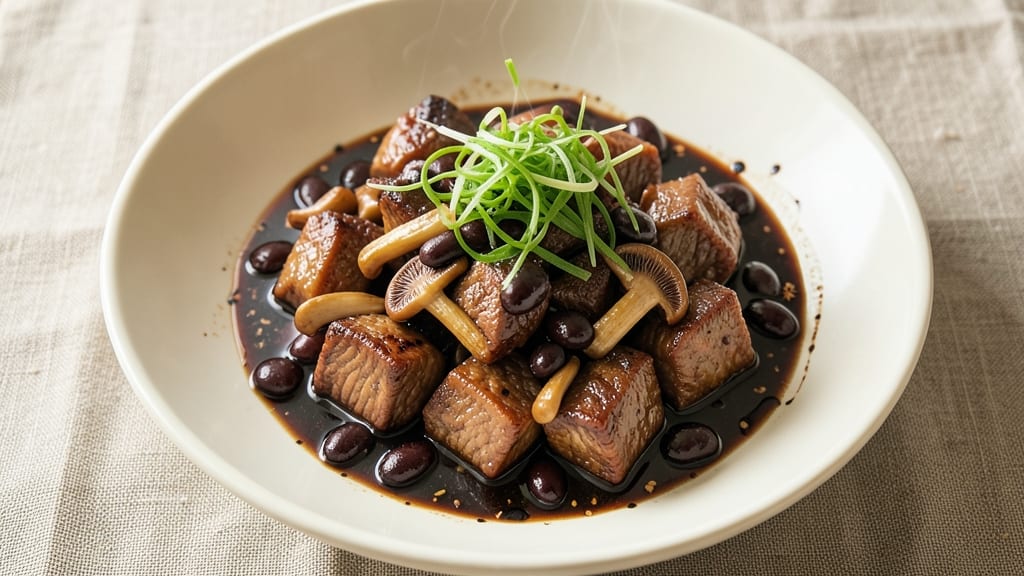
This Chinese-style beef in black bean sauce delivers restaurant-quality umami in every bite, all from one pan. I first tasted it at a tiny Cantonese eatery in Portland where the sauce—glossy, salty, and packed with fermented black bean richness—made simple beef taste like a gourmet masterpiece.
The secret lies in balancing sweet, salty, and funky fermented flavors through slow caramelization and proper sauce reduction.
What makes this recipe special is its adaptability—whether you're braising tough cuts for tender results or stir-frying for quick weeknight meals. The black bean sauce transforms basic ingredients into something deeply flavorful with just a few pantry staples: fermented black beans, soy sauce, sugar, and aromatics.
The key technique is letting the sauce reduce slowly over low heat, developing complex layers of flavor that store-bought versions can't match.
By the time you're done, you'll have fork-tender beef swimming in a glossy, savory-sweet sauce that clings perfectly to every bite. The aroma alone will have everyone gathering at the table, and the texture—crisp edges on the beef, velvety sauce—makes it impossible to resist seconds.
This is comfort food at its finest, with restaurant-quality depth achieved in your own kitchen.
Serve it over steamed jasmine rice or with stir-fried bok choy for the full experience. The leftovers actually improve the next day as flavors meld further. Let's create this umami bomb that'll become your new weeknight staple.
Ingredients for beef in blackbean sauce recipe chinese
Restaurant-quality umami starts with these 15 simple yet powerful ingredients—fermented black beans, aromatic spices, and tender beef.
| Ingredient | Amount | Notes |
|---|---|---|
| Beef Chuck Roast 🥩 | 1 ½ lb | Cut into 1-inch cubes |
| Fermented Black Beans 🫘 | ½ cup | Rinsed and drained |
| Light Soy Sauce 🥄 | ½ cup | Kikkoman preferred |
| Dark Soy Sauce 🥄 | 2 tbsp | For depth of color |
| Brown Sugar 🍯 | ¼ cup | Packed firmly |
| Garlic Cloves 🧄 | 6 cloves | Minced finely |
| Fresh Ginger 🌿 | 2 tbsp | Grated finely |
| Green Onions 🧅 | 4 whole | White and green parts separated |
| Sesame Oil 🫒 | 1 tbsp | Toasted for aroma |
| Cornstarch 🌾 | 1 tbsp | For sauce thickening |
| Water 💧 | ½ cup | Room temperature |
| Vegetable Oil 🫒 | 2 tbsp | High smoke point |
| White Peppercorns 🌶️ | ½ tsp | Freshly ground |
| Star Anise 🌟 | 1 whole | Removed before serving |
| Cinnamon Stick 🌿 | 1 whole | Removed before serving |
The fermented black beans are the heart of this dish—look for them in the Asian aisle (or make your own by fermenting black soybeans). Trader Joe's and H Mart carry good brands, but if you can't find them, black soybeans in a pinch. The beef should be chuck roast—it's tougher but breaks down beautifully during cooking. If you're using a different cut, like flank steak, slice it thinly against the grain. The ginger and garlic? Freshly grated and minced make all the difference—don't use pre-minced from jars. For the aromatics, star anise and cinnamon add depth without overpowering, but remove them before serving so they don't become chewy.
No fermented black beans? Black soybeans soaked overnight work in a bind, though the flavor won't be identical. Running short on brown sugar? Honey or maple syrup at half the amount keeps the sweetness balanced. The dark soy sauce is non-negotiable for that glossy color—light soy sauce won't cut it. If you're using pre-minced garlic or ginger, rinse it first to remove any added fillers. The cornstarch slurry is key for thickening the sauce—mix it with cold water first to avoid clumping. And if you're feeling adventurous, add a splash of Shaoxing wine (about 1 tbsp) for extra complexity.
This sauce gets better the next day—make extra and store it in the fridge for up to 5 days. The beef stays tender, and the flavors meld into something even richer. Freeze portions for 3 months if you're prepping for the week. To reheat, warm gently on the stove with a splash of water to loosen the sauce. The leftovers reheat beautifully over rice or noodles, making it the perfect meal prep dish. And if you're serving it immediately, garnish with those separated green onions—white parts for color, green for freshness
Why You'll Love This Recipe
- One-Pot Magic: I swear by this recipe when I’m too tired to wash dishes. The beef chucks away, black beans and soy sauces caramelize right in the pot—no extra pans, no fuss. Just stir, simmer, and walk away.
- Umami Bomb: That fermented black bean paste? It’s where the real flavor lives. The deep, funky-sweet balance from dark soy and brown sugar makes every bite taste like a tiny victory—especially when you’re craving something rich but not heavy.
- Leftover Hero: I make this on Sundays because it begs to be reheated. The sauce clings to the beef like glue, so every second helping tastes just as good as the first. (Yes, I’ve been known to eat it cold for lunch the next day.)
- Budget Power Move: A pound of chuck roast and a bag of black beans stretch this dish across four meals without breaking the bank. Honestly, it’s the kind of recipe that makes me feel like I’m feeding a crowd while still saving money.
Step-by-step instructions for Chinese-style beef in blackbean sauce
Here's how to create this rich, umami-packed dish with tender beef and a glossy blackbean sauce.
Prepare the Beef and Aromatics
Cut the 1.5 lb beef chuck roast into 1-inch cubes for even cooking. Pat them dry with paper towels—this helps the sauce cling better later. In a small bowl, combine the 6 cloves minced garlic, 2 tbsp finely grated ginger, 0.5 tsp freshly ground white peppercorns, 1 whole star anise, and 1 whole cinnamon stick. This aromatic blend will infuse deep flavor into both the beef and sauce.
Let the beef cubes sit at room temperature for 15 minutes while you prep the rest. This ensures even cooking. I always separate the 4 green onions, keeping the white and green parts distinct for garnishing later. The white parts will cook in the sauce, while the greens add freshness at the end.
Sear the Beef in Stages
Heat 1 tbsp of the vegetable oil in a large wok or deep skillet over medium-high heat until shimmering. Working in batches (don't overcrowd), sear the beef cubes for 2-3 minutes per side until they develop a deep brown crust. This initial sear locks in juices and builds flavor. Remove the beef and set aside.
In the same pan, add the remaining 1 tbsp vegetable oil and the prepared aromatic blend. Sauté for 30 seconds until fragrant—you should smell the garlic and ginger immediately. This quick cooking prevents burning while extracting maximum flavor. Add the 0.5 cup rinsed fermented black beans and stir for 1 minute to toast their edges slightly.
Build the Sauce Foundation
Return the seared beef to the pan along with the 0.5 cup light soy sauce, 2 tbsp dark soy sauce, and 0.25 cup packed brown sugar. Stir well to coat everything evenly. Bring to a simmer over medium heat, then reduce to low. Cover and let cook for 10 minutes—this allows the beef to begin tenderizing while the sauce starts developing its complex flavors.
Here's where the magic happens: the dark soy sauce will darken the sauce beautifully while adding depth, and the brown sugar helps balance the saltiness. Stir occasionally to prevent sticking. You'll notice the sauce starting to thicken slightly as the beef releases its natural juices.
Thicken and Finish the Sauce
In a small bowl, whisk together the 1 tbsp cornstarch and 0.5 cup room temperature water until smooth. This slurry will give your sauce that perfect glossy consistency. Return the pan to medium heat and slowly pour in the cornstarch mixture while stirring constantly. The sauce will thicken dramatically within 1-2 minutes—keep stirring to prevent lumps.
Add the white parts of the 4 green onions and the 1 tbsp toasted sesame oil. Simmer for another 2 minutes until the sauce coats the back of a spoon. Taste and adjust seasoning if needed—you might want to add a touch more light soy sauce for saltiness or a splash of water if it's too thick. The sauce should be rich but still coat the beef nicely.
Garnish and Serve
Remove the star anise and cinnamon stick before serving. Divide the beef and sauce among 4 plates, garnishing each with the reserved green onion greens. The contrast between the dark, glossy sauce and bright green onions makes this dish visually stunning. Serve immediately with steamed jasmine rice to soak up all that delicious sauce.
This dish tastes even better the next day as the flavors meld further. The beef should be fork-tender with a perfect balance of sweet, salty, and umami flavors from the blackbean sauce. The aromatic spices add warmth that complements the rich beef beautifully.
Pro Tips For Making Beef In Blackbean Sauce Recipe Chinese
- BLANCH THE BEANS FIRST: I learned this the hard way—skipping the quick blanch in hot water (30 seconds max) leaves those fermented black beans tasting bitter and underwhelming. The starches release, the funk mellows, and the sauce thickens faster. Rinse them immediately after—don’t let them sit in the water.
- SALT THE BEAN SOAK WATER: That murky water you drain after blanching? Toss in a pinch of salt while the beans soak in their fresh batch of cold water. It cuts the sharpness of the fermented flavor and keeps the sauce from tasting flat later. (Yes, even if you’re impatient like me.)
- BROWN THE BEAN MASH: After mashing the black beans with soy sauces and sugar, don’t just toss them in—hit a dry wok or pan with medium-high heat first. Let that mash sizzle for 2-3 minutes until it darkens just slightly. The Maillard reaction here makes the sauce taste profoundly better, not just sweet and salty.
- STEAM THE BEEF TWICE: After the initial braise, lift the beef out and steam it uncovered for 5 minutes. Then return it to the sauce for the final simmer. This ensures the exterior gets that glossy, caramelized finish without turning the meat into shoe leather. (Your future self will thank you.)
Regional styles of this recipe
Cantonese Home-Style
This is the version I learned from my Cantonese neighbor in Portland—simple yet deeply flavorful. The key here is using fermented black beans (not black soybeans) for that funky, salty depth. I always add an extra ½ tsp of white pepper for a subtle kick that balances the sweetness.
The sauce should be glossy but not syrupy, and the beef fork-tender after 1.5 hours of simmering. Serve with steamed rice and quick-pickled cucumbers to cut through the richness. 🥢
Sichuan Spicy Twist
For a fiery Sichuan variation, add 1 tbsp of doubanjiang (fermented chili bean paste) when building the sauce foundation. Include 1 tsp of Sichuan peppercorns (lightly toasted and crushed) along with your star anise and cinnamon. The peppercorns add that signature numbing heat, while the doubanjiang brings smoky depth.
Use 1-inch thick beef slices instead of cubes for better texture contrast. Garnish with chopped scallions and cilantro instead of just green onions. 🌶️
Shanghai Braised Style
The Shanghainese approach focuses on slow, gentle braising rather than quick stir-frying. After searing the beef, add ½ cup of Shaoxing wine along with your soy sauces and sugar. Cover the pan tightly and simmer on low heat for 2.5 hours instead of 1.5.
The wine adds a fruity complexity that pairs beautifully with the black bean sauce. Finish with a sprinkle of toasted sesame seeds and serve with soft steamed buns or noodles. 🍜
Hong Kong Street Food
This is the version you'd find at Hong Kong street stalls—bold, saucy, and ready in under 45 minutes. Use flank steak sliced thinly against the grain instead of chuck roast. After searing, add 1 tbsp of oyster sauce along with your soy sauces.
Simmer uncovered for 20 minutes to let the sauce reduce dramatically. The result is a sticky, intense sauce that clings perfectly to the beef. Serve with crispy fried rice or mantou (steamed buns) to soak up every bit. 🚀
Taiwanese Sugar Balance
Taiwanese home cooks often add a touch of rock sugar (about 1 tsp) instead of brown sugar for a cleaner sweetness. Use 1-inch beef cubes but add ½ cup of water when building the sauce to create a lighter, more delicate glaze.
Simmer uncovered for 1.25 hours to let the sauce reduce naturally. Finish with a drizzle of honey and serve with mochi rice for a perfect balance of textures. 🍯
Modern Fusion Adaptation
For a contemporary twist, swap half the beef for shiitake mushrooms (about ½ lb) and add 1 tsp of smoked paprika when building the sauce. Use balsamic vinegar (1 tbsp) instead of half the soy sauce for depth.
The mushrooms absorb the sauce beautifully while adding an earthy contrast. Serve over quinoa or farro for a gluten-free option that still delivers authentic flavors. 🌱
Nutrition facts
Frequently asked questions
Can I substitute regular black beans for fermented black beans?
Fermented black beans are essential for that authentic funky depth—regular black beans won't provide the same rich, salty umami. If you're missing them, try fermented black soybeans (available in Asian markets) or make your own by fermenting black soybeans for 2-3 days. For a quick fix, add 1 tsp of soy sauce and ½ tsp of miso paste to compensate for the flavor loss.
How do I prevent the beef from becoming tough?
Use a tougher cut like chuck roast (it breaks down beautifully) and cut it into 1-inch cubes. The key is searing first to lock in juices, then slow cooking on low heat. For extra tenderness, add ½ cup of water or broth when building the sauce to create steam. Never skip the 15-minute room temperature rest before cooking—this ensures even doneness.
Can I make this recipe in an Instant Pot?
Sear the beef first in a regular pan, then transfer everything to your Instant Pot. Add ½ cup of water instead of the cornstarch slurry, and cook on high pressure for 30 minutes. Quick-release the pressure, then stir in the cornstarch mixture to thicken. The Instant Pot version is perfect for busy weeknights—just be sure to remove the star anise and cinnamon before serving.
Why does my sauce look watery? Watery sauce usually means the cornstarch slurry wasn't mixed properly or the heat wasn't high enough when adding it.
What's the best way to reheat leftovers?
Leftovers actually improve overnight! To reheat, warm in a skillet over medium-low heat with 1-2 tbsp of water to loosen the sauce. Cover and simmer for 3-5 minutes