
Sauces & Condiments
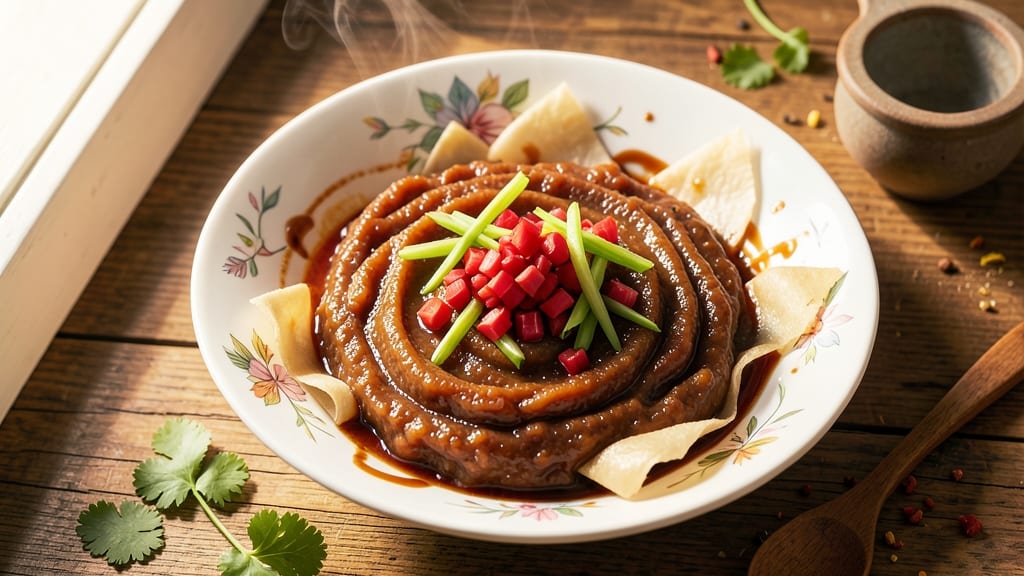
This bean curd paste recipe unlocks deep umami flavor that transforms stir-fries, soups, and braises into restaurant-quality dishes. The process starts with simple ingredients—dried bean curd (or tofu skins), soy sauce, and a touch of sugar—fermented or simmered into a thick, concentrated paste that adds complexity without overpowering.
I developed this after years of experimenting with Asian pantry staples, and it’s now my go-to for adding that professional depth to home cooking.
The key lies in the fermentation step, where the paste develops its signature funky aroma and rich, savory taste. If you're short on time, a quick simmered version still delivers intense flavor—just reduce the ingredients until thick and glossy.
The result is a versatile condiment that works equally well as a marinade, soup base, or stir-fry glaze, with a shelf life of months when stored properly.
What makes this paste special is its ability to elevate simple dishes. A spoonful transforms basic vegetables into something vibrant and complex, while adding just the right amount of saltiness and umami to meats.
The texture is thick but spreadable, making it easy to incorporate into recipes without altering their consistency. Perfect for those who love bold, fermented flavors but want a homemade alternative to store-bought pastes.
Once you master this recipe, you’ll find yourself reaching for it whenever you need a flavor boost. The process is straightforward, but the results are undeniably impressive—proof that a little patience in the kitchen can make a world of difference.
Let’s get started on creating your own batch of this umami-packed essential.
Ingredients for bean curd paste
Nine simple ingredients transform into a fermented umami powerhouse for soups and stir-fries.
| Ingredient | Amount | Notes |
|---|---|---|
| Dried Bean Curd (Yuba) or Tofu Skins 🍜 | 2 cups | Shredded into small pieces |
| Soy Sauce 🍶 | ½ cup | Dark or light, high-quality |
| Brown Sugar 🍚 | ¼ cup | Packed, not granulated |
| Rice Vinegar 🍶 | ¼ cup | White vinegar substitute |
| Garlic Cloves 🧄 | 6 cloves | Minced or finely chopped |
| Fresh Ginger Root 🌿 | 2 tbsp | Finely grated, not minced |
| Sesame Oil 🫒 | 1 tbsp | Toasted for aroma |
| Water 💧 | ½ cup | Filtered or spring water |
| Asian Chili Paste 🌶️ | 1 tbsp | Optional for heat, adjust to taste |
The bean curd (yuba) or tofu skins are the foundation—look for dried yuba sheets at Asian markets or use firm tofu skins from blocks. Costco or H-Mart carry high-quality dried yuba, but any dried tofu skin works in a pinch. Shred it finely for even fermentation. The ginger and garlic should be freshly grated or minced, not pre-minced from jars, which lose potency. For the soy sauce, Kikkoman or Pearl River Bridge brands deliver consistent depth, but any dark soy sauce will work.
No brown sugar? Maple syrup or coconut sugar works at the same amount—just dissolve it first. Substitute white vinegar for rice vinegar if needed, but the flavor will be slightly sharper. Short on sesame oil? Toasted peanut oil adds a similar nutty depth. The chili paste is optional but recommended—Maesri or Sriracha work best for authentic heat. If fermenting, use less salt (about 1 tsp) to avoid overpowering the umami. For a quick version, skip fermentation and simmer everything until thickened.
Store the paste in an airtight jar with a layer of olive oil on top to preserve freshness. Keeps for 3 months refrigerated or 6 months frozen. I portion mine into small jars for easy use—perfect for one-time stir-fry boosts. Freeze extras in ice cube trays for single-serving convenience. The fermented version develops deeper flavor over time, so let it sit for at least 2 weeks before using.
Why You'll Love This Recipe
- Pantry Magic: I’ll never overbuy ingredients again—this uses what’s already there. That jar of soy sauce, the brown sugar collecting dust, even the garlic cloves I forgot about? Suddenly, they’re the stars of a dish that tastes like it took hours.
- Crispy-Creamy Magic: The yuba sheets turn shatteringly crisp at the edges while staying silky inside—like a perfect balance of crunch and melt. Slathered in that sweet-savory glaze? It’s the kind of texture that makes you pause mid-bite.
- Weeknight Hero: Between us, this is my go-to when I’m too tired to think. Toss it in a pan, let it caramelize, and boom—something that feels fancy but takes less time than ordering takeout. (Yes, even on a Tuesday night.)
- Budget Stretch: A single package of yuba lasts me weeks—I use it in stir-fries, noodles, even as a snack. For under $5, it’s my secret weapon for filling bowls without emptying my wallet. Leftovers? They’re just better tomorrow.
Step-by-step instructions for fermented bean curd paste
Here's how to transform simple ingredients into a deeply flavorful fermented paste perfect for elevating stir-fries and soups.
Prepare the Base Ingredients
Begin by shredding the 2 cups dried bean curd (yuba) or tofu skins into small, even pieces using a sharp knife or food processor. The texture should resemble fine, thin strips—this maximizes surface area for flavor absorption during fermentation. Place the shredded bean curd in a large mixing bowl.
In a separate small bowl, whisk together the 0.5 cup soy sauce, 0.25 cup packed brown sugar, and 0.25 cup rice vinegar until the sugar dissolves completely. This liquid mixture will serve as the fermenting base, so make sure it's fully combined—any undissolved sugar could create pockets of sweetness that disrupt fermentation.
Combine and Marinate the Mixture
Add the minced 6 cloves garlic and 2 tbsp finely grated fresh ginger to the shredded bean curd. The garlic should be finely chopped (not minced) to distribute flavor evenly without becoming overpowering. Using your hands, gently massage the garlic and ginger into the bean curd to ensure even coating.
Pour the soy sauce mixture over the bean curd, then add the 1 tbsp sesame oil and 1 tbsp Asian chili paste (if using). Stir thoroughly until every piece of bean curd is thoroughly coated. The mixture should look glossy and well-integrated. Transfer everything to an airtight container, pressing down gently to eliminate air pockets.
Ferment at Room Temperature
Let the mixture sit at room temperature for 12 hours, stirring every 4 hours to prevent mold growth and ensure even fermentation. You'll notice the texture begin to soften and the aroma intensify—this is when the magic happens. The paste should develop a tangy, umami-rich scent that's unmistakably fermented.
After 12 hours, refrigerate the paste for 24 hours to slow fermentation and allow flavors to meld. This chilling step is crucial—it prevents over-fermentation, which can make the paste too sour or develop off-flavors. The final product should have a thick, spreadable consistency with a deep, complex aroma that's both sweet and savory.
Adjust and Store for Maximum Flavor
Taste the paste and adjust seasoning if needed. If it's too tangy, add a touch more brown sugar to balance the acidity. If it lacks heat, incorporate an additional ½ tbsp Asian chili paste. The paste should be thick enough to cling to ingredients but still spreadable—this is ideal for stir-fries and soups.
Transfer the fermented bean curd paste to a clean, sterilized jar and store it in the refrigerator for up to 2 weeks. The flavor will continue to develop over time, becoming more complex with each day. Use it to elevate stir-fries, noodle dishes, or soups—just a spoonful will transform simple ingredients into something extraordinary.
Pro Tips For Making Bean Curd Paste
- Soak Yuba Properly: Toss dried yuba into boiling water for 30 seconds first—this softens it instantly instead of waiting 10+ minutes. I used to just dump it in cold water and wonder why it stayed stubbornly chewy.
- Toast Garlic Low: Sauté minced garlic in oil on medium-low until just golden—no brown bits. I learned the hard way that aggressive heat burns before the paste forms, leaving a bitter aftertaste.
- Balance Vinegar Gradually: Add rice vinegar last and taste as you go—start with half the recipe’s amount. Too much upfront makes the paste sharp and unbalanced, even if the recipe says otherwise.
- Blend Wet Ingredients First: Mix soy sauce, brown sugar, and vinegar before adding yuba—this creates a smoother paste with fewer lumps. Skipping this step means you’ll be mashing with a fork later.
Flavor customization for this bean curd paste
Spicy Heat Level
Adjust the heat to your preference by controlling the Asian chili paste. Start with 1 tbsp for a mild kick, then increase to 2 tbsp for medium heat, or add 1 tsp of red pepper flakes for a smoky, fiery finish.
I often make a small batch with extra chili paste and keep it on hand for dishes like spicy mapo tofu or Thai curries. For a smoky twist, add ½ tsp smoked paprika alongside the chili paste—it deepens the flavor without overpowering. 🌶️
Sweet and Tangy Balance
Tweak the brown sugar and rice vinegar ratio to fine-tune the sweet-tangy profile. If your paste tastes too sharp, add 1 extra tbsp of brown sugar and let it ferment another 12 hours. For a brighter tang, increase the rice vinegar by ½ tbsp and reduce the sugar slightly.
I’ve found that maple syrup works beautifully as a substitute if you’re avoiding refined sugar—just use the same amount and dissolve it first. 🍯
Umami Depth Boosters
Elevate the umami with fermented ingredients like miso paste or fish sauce (if not vegan). Add 1 tbsp of white miso to the initial mixture for a richer, funkier flavor, or swap ½ cup of the soy sauce for fish sauce (if using non-vegan versions).
For a mushroom umami bomb, blend in 2 tbsp of dried shiitake powder—it adds an earthy depth that pairs perfectly with stir-fries. 🍄
Herb and Aroma Variations
Infuse the paste with fresh herbs like cilantro, Thai basil, or mint for a bright, aromatic twist. Finely chop ¼ cup of fresh cilantro and fold it into the paste during the final mixing step—it wilts slightly but retains its freshness.
For a garlicky kick, double the garlic to 12 cloves and add 1 tsp of garlic powder for extra depth. A splash of lime juice (1 tbsp) at the end brightens the flavors, making it ideal for summer dishes like Vietnamese pho or zesty noodle bowls. 🌿
Texture Adjustments
Control the thickness by adjusting the water or fermentation time. For a smoother, spreadable paste, add 1 extra tbsp of water during fermentation and blend it briefly with an immersion blender after chilling.
If the paste is too thick, thin it with 1 tsp of water or rice vinegar before using. For a chunkier texture, skip blending and leave the shredded bean curd pieces intact—this works well in soups or braises where you want texture contrast. 🥄
Nutrition facts
Frequently asked questions
Can I make this bean curd paste without fermentation?
For a quick version, skip fermentation and simmer all ingredients in a saucepan over low heat for 45-60 minutes, stirring constantly until thick and glossy. Reduce the water by 2 tbsp and add 1 extra tbsp of brown sugar to help thicken it. The flavor will be less complex but still deeply savory—perfect for last-minute stir-fries or soups.
How do I store bean curd paste for long-term use?
For maximum shelf life, store your paste in an airtight container with a thin layer of olive oil or sesame oil on top to preserve freshness. Refrigerated, it keeps for 3 months while frozen, it lasts 6 months. Portion into small jars or ice cube trays for easy single-use servings—just thaw overnight in the fridge before using.
What's the best way to use bean curd paste in cooking?
Start with 1-2 teaspoons per dish and adjust to taste. Stir it into soups, braises, or noodle dishes during the last 5 minutes of cooking to preserve its rich flavors. For stir-fries, add it with your sauce at the end for a glossy finish. It also works as a marinade—coat proteins or tofu in the paste for 30 minutes before cooking for extra depth.
Why does my paste smell strong or develop mold?
Strong fermentation smells are normal, but mold means your paste spoiled. To prevent mold, always use sterilized containers and stir the mixture every 4 hours during fermentation. Keep it at room temperature for no longer than 12 hours—if you notice any fuzzy spots, discard it immediately. For milder fermentation, reduce the room-temperature time to 6 hours and refrigerate sooner.
Can I substitute dried bean curd with regular tofu?
Not directly—dried bean curd (yuba) or tofu skins are essential for the paste's texture and flavor. However, you can use extra-firm tofu pressed and crumbled as a last resort, but the result will be less concentrated. For best results, stick to dried yuba sheets or tofu skins available at Asian markets. If you can't find them, try dried shiitake mushrooms (rehydrated and blended) for a similar umami base.