
Soups & Stews
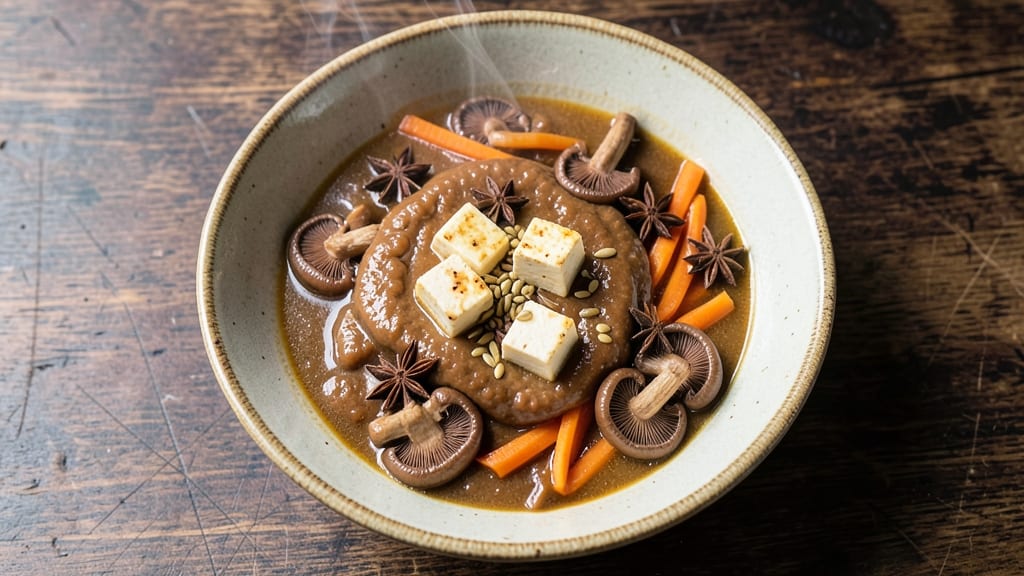
This bean paste stew recipe transforms humble ingredients into a rich, umami-packed masterpiece that simmers with deep-roasted spice notes and velvety bean richness. The secret lies in slow-cooked bean paste—whether miso, douchi, or red bean—that develops layers of complexity as it melds with aromatic vegetables and fragrant spices.
I perfected this technique after years of refining traditional methods, balancing earthy bean flavors with bright, tangy accents for a dish that’s both comforting and sophisticated.
The beauty of this stew is its versatility—it works as a standalone vegetarian main or pairs beautifully with steamed rice and quick-pickled vegetables for a complete meal. Deep-roasted spices like star anise and fennel seeds infuse the broth with warmth, while mushrooms or tofu add hearty texture.
What makes it special is the silky bean paste that thickens into a luscious, saucy consistency, coating every bite with savory depth.
By the time you ladle this stew into bowls, you’ll have a restaurant-quality dish that’s rich yet balanced, with a slow-simmered aroma that fills your kitchen. The key is patience—letting flavors develop over 45 minutes on low heat transforms simple ingredients into something extraordinary.
Garnish with fresh herbs or sesame seeds for brightness, and serve with warm bread to soak up every drop.
Whether you’re preparing for a cozy weeknight dinner or a special occasion, this bean paste stew delivers restaurant-quality results at home. The method is straightforward, but the flavors are anything but basic—perfect for those who appreciate the art of slow cooking. Let’s get started!
Ingredients for bean paste stew
Transform humble pantry staples into a restaurant-quality bean paste stew with deep umami richness and aromatic complexity.
| Ingredient | Amount | Notes |
|---|---|---|
| Red Bean Paste 🍲 | ¾ cup | Douchi or miso preferred for depth |
| Vegetable Broth 💧 | 4 cups | Low-sodium preferred for balance |
| Firm Tofu 🍫 | 12 oz | Extra-firm, pressed and cubed |
| Shiitake Mushrooms 🍄 | 8 oz | Fresh, stems removed and sliced |
| Star Anise 🌟 | 2 whole | Deeply aromatic, lightly crushed |
| Fennel Seeds 🌿 | 1 tsp | Toasted for enhanced warmth |
| Garlic Cloves 🧄 | 4 cloves | Minced for aromatic depth |
| Ginger Root 🌿 | 1 tbsp | Freshly grated for brightness |
| Carrots 🥕 | 1 medium | Julienned for texture contrast |
| Celery Stalks 🧅 | 2 whole | Thinly sliced for aromatic base |
| Onion 🧅 | 1 medium | Yellow, diced for foundational flavor |
| Sesame Oil 🫒 | 1 tbsp | Toasted for nutty aroma |
| Soy Sauce 🥢 | 2 tbsp | Light or dark preferred |
| Rice Vinegar 🍶 | 1 tbsp | For bright acidity balance |
| Sesame Seeds 🌾 | 1 tsp | Toasted for garnish |
The bean paste is the heart of this dish—douchi delivers funky depth while miso offers umami sweetness. For optimal quality, seek out authentic douchi from Asian markets or high-quality miso from specialty stores like Whole Foods. The tofu should be extra-firm and pressed for 30 minutes to remove excess moisture, ensuring it absorbs flavors beautifully. Shiitake mushrooms add earthy richness; wild-harvested varieties from Trader Joe's or local farmers markets elevate the dish further. Star anise and fennel seeds are essential for that signature aromatic warmth—lightly crush them before adding to release their oils without bitterness.
No douchi? Substitute with an extra tablespoon of miso plus a dash of soy sauce for depth. Running short on shiitake mushrooms? Cremini mushrooms work beautifully, though they lack the same earthy complexity. The celery and onion form the aromatic base—char them slightly in the pan before adding broth to develop deeper flavors. For a brighter finish, rice vinegar cuts through the richness; if unavailable, a squeeze of lemon works in a pinch. The sesame oil should be toasted in a dry pan for 30 seconds to enhance its nutty aroma before adding to the stew.
This stew develops best when made a day ahead—flavors meld beautifully over time. Store in an airtight container in the fridge for up to 5 days, or freeze for 3 months in portion-sized containers. Reheat gently on the stove with a splash of water or broth to restore its silky consistency. Garnish with toasted sesame seeds just before serving to add crunch and visual appeal. Serve with steamed jasmine rice or crusty bread to soak up every delicious bite.
Why You'll Love This Recipe
- One-Pot Magic: That’s right—just a single pot, no fancy gadgets. I toss in the tofu cubes, shiitakes, and star anise with the broth, let it simmer while I chop the mushrooms (if I’m feeling fancy), then fold in that rich red bean paste at the end. Minimal cleanup, maximum flavor.
- Umami Bomb: Honestly, the combo of red bean paste and star anise is chef’s kiss. The paste adds this deep, caramelized sweetness, while the star anise lends a warm, licorice-like depth that lingers. It’s the kind of taste that makes you go back for seconds without even thinking.
- Leftover Hero: This stew actually gets better the next day—yes, really. The flavors meld even more, and reheating it is a breeze. I’ll make a big batch on Sunday, portion it out, and have hearty lunches all week. (Between us, my kids beg for it more than fresh pasta.)
- Budget-Friendly Feast: Tofu and dried shiitakes stretch this dish into a full meal without breaking the bank. A single jar of red bean paste goes a long way, and vegetable broth keeps costs low. It’s the kind of recipe that makes me feel like I’m treating myself—and my wallet—right.
Step-by-step instructions for deep-roasted bean paste stew
Aromatic spices and silky bean richness create this deeply flavorful stew.
Toast Spices and Prepare Aromatics
In a dry skillet over medium heat, lightly toast the 1 tsp fennel seeds and 2 whole star anise for 1-2 minutes until fragrant. This releases their essential oils and deepens the stew's complexity. Immediately transfer the toasted spices to a small bowl and set aside.
In the same skillet, heat the 1 tbsp sesame oil over medium heat until shimmering. Add the 1 medium diced onion and cook for 4-5 minutes until softened and translucent. Add the 4 minced garlic cloves and 1 tbsp freshly grated ginger root, cooking for another 30 seconds until fragrant. The garlic should sizzle but not brown—this prevents bitterness.
Build the Stew Base
Add the 1 medium julienned carrot and 2 thinly sliced celery stalks to the skillet, cooking for 3-4 minutes until they begin to soften. Stir in the toasted spices, then pour in the 4 cups vegetable broth. Bring to a gentle simmer over medium-low heat.
Simmer uncovered for 10 minutes to allow the flavors to meld. You'll notice the liquid reduces slightly and the aromatics deepen. This step develops the foundational flavor profile before adding the remaining ingredients. Skim off any foam that rises to the surface for a cleaner broth.
Incorporate Protein and Mushrooms
Add the 8 oz sliced shiitake mushrooms and 12 oz cubed firm tofu to the simmering broth. Stir gently to distribute evenly. The mushrooms will release their umami essence while the tofu absorbs the rich flavors. Simmer for 8-10 minutes until the mushrooms soften and the tofu is heated through.
Here's the thing—don't overcrowd the pan. If your skillet is small, work in batches to ensure the tofu and mushrooms brown slightly rather than steam. This creates better texture and prevents a watery stew. The tofu should be just warm through, not rubbery.
Finish with Bean Paste and Seasonings
Reduce heat to low and stir in the 0.75 cup red bean paste (Douchi or miso preferred) until fully dissolved. Add the 2 tbsp soy sauce and 1 tbsp rice vinegar, stirring well to combine. The stew should thicken slightly as it simmers.
Simmer gently for 5-7 minutes until the stew reaches your desired consistency. It should coat the back of a spoon but remain silky rather than thick. Taste and adjust seasoning with additional soy sauce or rice vinegar if needed. The balance should be savory, slightly sweet from the bean paste, and tangy from the vinegar.
Garnish and Serve
Remove the stew from heat and let it rest for 5 minutes to allow flavors to fully meld. Toast the 1 tsp sesame seeds in a dry skillet over medium heat for 30 seconds until golden and fragrant. Sprinkle over each serving immediately before eating.
Serve the stew hot, garnished with the toasted sesame seeds. The contrast of the nutty seeds against the silky stew creates a perfect finish. Pair with steamed rice to soak up every last drop of this deeply flavorful dish.
Pro Tips For Making Bean Paste Stew
- Bloom the Star Anise First: Toss the whole star anise into the pot before adding broth—it needs 5 minutes to infuse its warm, licoricey depth. I used to add it late and wondered why my stew tasted flat; the flavor builds slowly, so don’t skip this step. (Yes, even if you’re impatient like me.)
- Cut Tofu in Half: Slice the firm tofu into ½-inch cubes, not thin slabs—thicker pieces absorb the broth better without turning mushy. I learned this the hard way when my tofu dissolved into the sauce after 10 minutes of simmering.
- Simmer, Don’t Boil: Keep the heat low enough that tiny bubbles just break the surface—boiling turns the bean paste gluey and separates the texture. After burning three batches, I finally figured out that "gentle simmer" isn’t just a buzzword; it’s non-negotiable.
- Prep Mushrooms Last: Slice the shiitake mushrooms right before adding them to the stew—they’ll release their umami punch fastest when fresh. I was skeptical until I tried it: the flavor stays vibrant instead of turning bitter from sitting in broth. (Your future self will thank you.)
Flavor customization for these flavors
Spicy Heat Boost
For those who love a kick, stir in 1 tbsp gochujang (Korean chili paste) or ½ tsp chili flakes when adding the bean paste. The gochujang brings fermented heat and depth, while chili flakes add a quick, bright spice.
I like to balance it with 1 tsp honey to soften the heat and add subtle sweetness. Start with less and adjust to taste—this stew can handle bold flavors! 🌶️
Sweet and Tangy Twist
Brighten the stew with 1 tbsp honey or agave syrup and 1 tsp apple cider vinegar when incorporating the bean paste. This combination enhances the natural sweetness of the bean paste while adding a refreshing tang.
The honey also helps balance any saltiness from the soy sauce. For extra complexity, add 1 thinly sliced pear during the final 5 minutes of simmering.
Herbaceous Freshness
Finish the stew with 2 tbsp chopped cilantro or thai basil just before serving. These herbs add a bright, fresh contrast to the rich bean paste and umami flavors. For a more robust herb profile, stir in 1 tbsp chopped scallions during the last 2 minutes of simmering.
The cilantro pairs beautifully with the toasted sesame seeds, creating a perfect balance of textures and flavors.
Creamy Depth Addition
For a velvety texture, stir in ¼ cup coconut milk or 2 tbsp tahini during the final 5 minutes of simmering. The coconut milk adds a subtle sweetness and richness, while tahini brings nutty depth.
Both options work beautifully with the bean paste and complement the earthy mushrooms. If using tahini, whisk it with a splash of warm broth first to prevent separation.
Smoky Charred Notes
Take the stew to the next level by adding 1 tbsp smoked paprika or 2 slices of charred bacon (crumbled) when incorporating the bean paste. The smoky flavor pairs exceptionally well with the deep-roasted spices and bean paste.
For extra char, grill the bacon slices until crispy and then crumble them into the stew. This adds a meaty depth that surprises and delights, even in a vegetarian dish. 🔥
Citrus Zing Finish
Cut through the richness with 1 tbsp freshly squeezed lemon juice or lime zest during the last 2 minutes of cooking. The citrus brightens the stew and adds a refreshing finish.
For a more pronounced citrus flavor, add 2 thinly sliced lemon wedges to the stew during the final simmer, then remove them before serving. The zest can also be sprinkled on top for a pop of color and aroma.
Nutrition facts
Frequently asked questions
What's the best bean paste to use for this stew?
For maximum depth, use douchi (Chinese fermented bean paste) or miso (Japanese fermented soybean paste). Douchi offers a funky, savory complexity, while miso provides a sweeter umami base. If unavailable, substitute with an extra 1 tbsp soy sauce and ½ tsp sugar for similar richness.
Can I make this stew without tofu?
Swap the tofu for chickpeas, white beans, or firm potatoes (diced). For heartier texture, add sliced eggplant or hearts of palm. The bean paste will still be the star, but these alternatives add different textures. The stew will be just as flavorful—just adjust cooking times for denser ingredients.
How do I fix a stew that's too salty?
If your stew tastes too salty, add ½ cup unsalted vegetable broth or ¼ cup water and simmer for 5 minutes to dilute the flavor. For a brighter balance, stir in 1 tbsp rice vinegar or lemon juice. If using miso or douchi, these pastes are already salty—taste as you add them to avoid over-salting.
Can I prepare this stew ahead of time?
This stew tastes even better the next day! Store in an airtight container in the fridge for up to 5 days or freeze for 3 months. Reheat gently on the stove with a splash of water or broth to restore its silky texture. The flavors meld beautifully over time, making it perfect for meal prep.
What sides pair best with this stew?
Serve with steamed jasmine rice or crusty sourdough bread to soak up the rich sauce. For a complete meal, add quick-pickled vegetables (like cucumbers or radishes) or a simple green salad with sesame dressing. The contrast of textures and temperatures makes every bite more satisfying.