
Sauces & Condiments
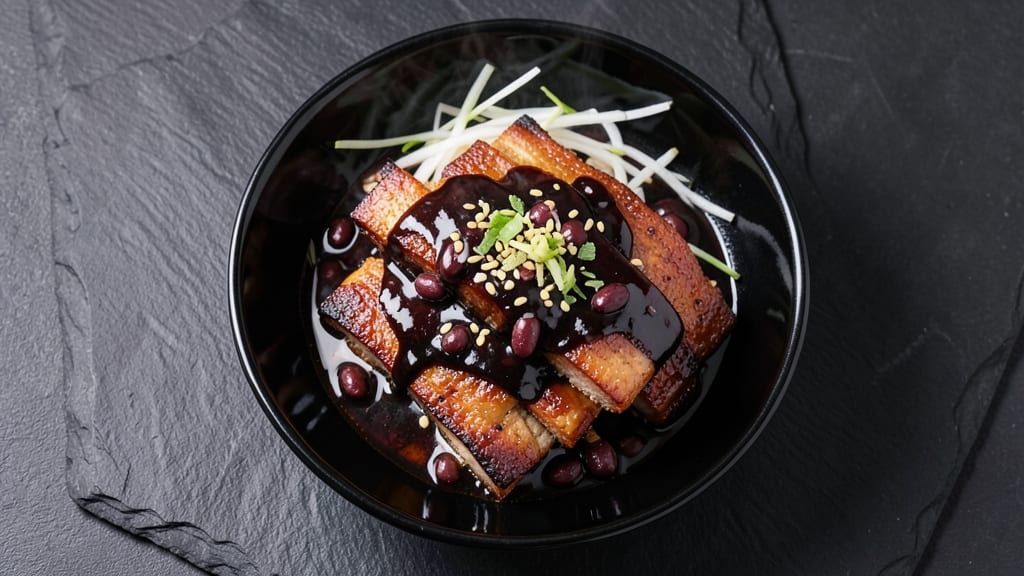
Mastering steamed spareribs with black bean sauce transforms tough cuts into melt-in-your-mouth tenderness while delivering a rich, velvety sauce in one pot—no pressure cooker required. The secret lies in marinating spareribs overnight with a blend of soy sauce, brown sugar, and garlic, then steaming them gently until they fall apart.
This method preserves moisture and infuses flavor without drying out the meat, a common pitfall in traditional braising.
The black bean sauce elevates these spareribs from simple to extraordinary, combining fermented black beans, goji berries, and a touch of rock sugar for depth. Unlike heavy sauces that overpower the meat, this version clings lightly, enhancing rather than masking the spareribs' natural richness.
The process is straightforward: simmer the sauce until it thickens just enough to coat the back of a spoon, then fold it into the steamed spareribs for maximum flavor absorption.
What you’ll achieve is a dish where every bite delivers tender spareribs bathed in a glossy, aromatic sauce that balances sweet, savory, and umami notes. The contrast between the silky sauce and the meat’s texture creates a restaurant-quality experience at home, perfect for weeknight dinners or special occasions.
This recipe delivers professional results with minimal effort—just one pot and 3 hours of hands-off time.
Serve with steamed jasmine rice to soak up the sauce or pair with blistered green vegetables for a complete meal. The leftovers reheat beautifully, making this an ideal dish for meal prep or entertaining. Let’s get started on creating this harmonious blend of textures and flavors.
Ingredients for steamed spareribs with black bean sauce
A harmonious blend of tender spareribs and velvety black bean sauce—professional technique meets home cooking perfection.
| Ingredient | Amount | Notes |
|---|---|---|
| Pork Spareribs 🐷 | 3 lb | Bone-in, trimmed of excess fat |
| Light Soy Sauce 🧂 | ½ cup | Low-sodium preferred for control |
| Brown Sugar 🍚 | ¼ cup | Packed, for caramelization |
| Garlic Cloves 🧄 | 6 cloves | Minced, for aromatic depth |
| Fresh Ginger Root 🌿 | 2 tbsp | Grate finely for pungency |
| Fermented Black Beans 🌱 | 1 cup | Rinsed, for umami richness |
| Goji Berries 🍇 | ¼ cup | Dried, for subtle sweetness |
| Rock Sugar 🍬 | 2 tbsp | Granulated, for balance |
| Shaoxing Wine 🍷 | ¼ cup | Aged, for depth of flavor |
| Vegetable Broth 💧 | 2 cups | Low-sodium, for clarity |
| Cornstarch 🌾 | 1 tbsp | Slurry for sauce thickening |
| Sesame Oil 🫒 | 1 tbsp | Toasted, for aromatic finish |
| Green Onions 🥬 | ¼ cup | Chopped, for garnish |
The pork spareribs are the foundation. Opt for bone-in cuts from a trusted butcher, ensuring they’re well-marbled for optimal tenderness. Costco or local specialty markets often carry premium cuts. Trim excess fat to prevent greasiness during steaming. The soy sauce should be low-sodium to control final seasoning—balance is key. For the ginger root, organic varieties yield brighter flavor, but conventional works fine if freshly grated. Store ginger in the fridge for up to 3 weeks after purchase to maintain potency.
Substitutions require careful consideration. Replace fermented black beans with black soybeans at half the quantity if unavailable, though the umami depth will differ. Goji berries can be omitted entirely without drastically altering flavor, but they contribute a delicate sweetness. For Shaoxing wine, dry sherry or dry white wine works in a pinch, though the complexity suffers. Cornstarch slurry is non-negotiable—arrowroot powder at a 1:1 ratio is the only viable alternative. The vegetable broth should be homemade or high-quality store-bought to avoid metallic off-flavors.
This dish reheats beautifully, with the sauce often thickening slightly upon reheating—simply add a splash of broth if needed. Store components separately: spareribs in broth, sauce in airtight containers for up to 4 days. For longer storage, freeze the sauce in 1-cup portions and the spareribs on a tray before bagging to prevent clumping. The aromatics like ginger and green onions keep 2 weeks in the fridge when stored properly, while dried goji berries last indefinitely in a cool, dark place.
Why You'll Love This Recipe
- One-Pot Magic: Honestly, this is the kind of dish where you’re not cleaning three pans afterward. Just one deep skillet, a steamer basket, and—boom—you’ve got fall-apart ribs with sauce clinging to every bite. The fermented black beans and goji berries infuse the broth while you steam, so you’re not stuck with a sauce that’s separate from the meat. I’ll be real: my kitchen stays cleaner than it has any right to.
- Umami Bomb: That light soy sauce and shaoxing wine marinade? Game-changer. The ribs absorb the garlic and ginger right away, but the real magic happens when the fermented black beans and rock sugar turn the broth into something savory-sweet with just a hint of funk. Between us, it’s the kind of dish where you take a bite and think, “Oh, that’s why they call this comfort food.”
- Crowd-Pleaser Extraordinaire: I serve these at my book club, my family’s holiday gatherings, and—yes, even on a Tuesday night—when I’m too tired to think of anything else. The brown sugar in the sauce caramelizes just enough to make it appealing to picky eaters, while the green onions at the end add a fresh crunch that keeps everyone coming back for seconds. My daughter even lets me pick the goji berries from the pantry (she’s weirdly obsessed with the color).
- Budget’s Best Kept Secret: Forget takeout. Three pounds of pork spareribs with fermented black beans and vegetable broth? This is the kind of meal that stretches your dollar without sacrificing flavor. The cornstarch slurry makes the sauce thick and luscious, so you’re not wasting a drop—every spoonful feels like a splurge, even though it’s not. Plus, leftovers? Still delicious the next day, especially if you reheat them gently with a splash of broth.
Step-by-step instructions for steamed spareribs with black bean sauce
Here's the method for silky sauce and fall-apart tender ribs in one pot.
Prepare the Spareribs and Aromatics
Trim any remaining excess fat from the 3 lb pork spareribs, leaving just a thin layer for flavor. Cut the ribs between each bone to separate into individual racks if they're still connected, but leave the bones intact for structure. In a small bowl, combine the 6 cloves minced garlic cloves, 2 tbsp finely grated fresh ginger root, and ¼ cup light soy sauce. This marinade will infuse the ribs with aromatic depth while preventing them from drying out during steaming.
Place the spareribs in a large, deep skillet or wok that can accommodate them in a single layer. Pour the garlic-ginger-soy marinade evenly over the ribs, ensuring every surface is coated. Let them sit at room temperature for 15 minutes while you prepare the remaining ingredients. This brief marinating period ensures the ribs absorb the aromatic flavors before steaming.
Build the Black Bean Sauce Base
In a medium bowl, combine the 1 cup rinsed fermented black beans, ¼ cup goji berries, 2 tbsp rock sugar, and ¼ cup shaoxing wine. Mash the black beans lightly with a fork to release some of their umami-rich juices while leaving some texture for body. The goji berries will add subtle sweetness and visual contrast to the rich sauce. Let this mixture sit while you prepare the steaming setup.
In a separate small bowl, whisk together the 1 tbsp cornstarch with 2 tablespoons of cold water to create a slurry. This will be used later to thicken the sauce to the perfect silky consistency without making it gluey. The cornstarch slurry is essential for achieving that restaurant-quality texture that clings beautifully to the ribs.
Steam the Spareribs to Tender Perfection
Place a steamer basket or heatproof rack inside your deep skillet or wok, ensuring it's elevated at least 1 inch above the bottom. Add 2 cups vegetable broth to the bottom of the pan and bring to a gentle simmer over medium heat. The broth should bubble lightly but not boil vigorously—this creates the perfect humid environment for tenderizing the ribs without drying them out.
Carefully arrange the marinated spareribs on the steamer rack in a single layer, leaving space between each rack for even heat circulation. Cover the pan with a tight-fitting lid and steam for 1 hour and 15 minutes. You'll know they're ready when a fork slides between the bones with minimal resistance and the meat pulls away cleanly. The ribs should be fork-tender but still hold their shape when lifted.
Finish the Sauce and Combine
While the ribs steam, prepare the sauce by adding the black bean mixture to the simmering broth in the bottom of the pan. Increase heat to medium-high and bring to a gentle boil. Stir in the 1 tbsp toasted sesame oil and the cornstarch slurry, whisking constantly for 2-3 minutes until the sauce thickens to a glossy, coatable consistency. The sauce should cling to a spoon and leave a slight sheen on the surface.
Once the ribs are tender, carefully remove them from the steamer and transfer to a serving platter. Pour the black bean sauce over the ribs, ensuring each piece is generously coated. Return the ribs to the pan off the heat for 1-2 minutes to allow the sauce to penetrate the meat and create that signature silky finish. Garnish with the ¼ cup chopped green onions for fresh contrast and visual appeal.
Pro Tips For Making Steamed Spareribs With Black Bean Sauce
- Prep Ginger Like a Pro: I learned this the hard way—grating ginger too coarsely means you’ll taste it instead of the ribs. Use a microplane or fine grater for the 2 tbsp fresh ginger root, then press it through a sieve to remove any fibrous bits. This ensures smooth, even distribution in the marinade without gummy texture.
- Don’t Crowd the Steamer: After burning three batches, I finally figured out that cramming the ribs too close turns steaming into boiling. Leave at least ½ inch between each rack for proper airflow—this guarantees even tenderness and prevents soggy spots. Yes, even if you’re impatient like me.
- Slurry First, Sauce Second: The sauce’s fate hinges on that cornstarch slurry. Whisk the 1 tbsp cornstarch with 2 tablespoons cold water first—this prevents clumping when it hits the hot broth. Stir it in all at once while whisking vigorously, or you’ll end up with a gluey mess instead of that silky coat.
- Test Ribs Early: Waiting the full 1 hour and 15 minutes works, but I now check at 1 hour by sliding a fork between the bones. If it glides in with just slight resistance, the ribs are ready—no need to oversteam and turn them mushy. (Your future self will thank you.)
Serving suggestions for leftovers
Rice Pairings
Jasmine rice is my go-to choice for soaking up the black bean sauce, as its light, slightly floral notes complement the rich umami without competing. Cook 2 cups jasmine rice in 2½ cups water until tender and fluffy—about 15 minutes on low heat.
Serve the spareribs directly over the rice for a hearty, one-bowl meal. Brown rice also works well if you prefer chewier texture, but it requires 30 minutes of soaking first.
Vegetable Accompaniments
Blistered bok choy or broccolini adds a crisp, fresh contrast to the silky ribs. Toss 4 cups chopped bok choy with 1 tbsp sesame oil and 1 tsp soy sauce, then blister in a hot pan for 3-4 minutes.
The slight char enhances the dish’s complexity while keeping it balanced. Steamed bok choy also works if you prefer a milder bite.
Garnish Elevations
A sprinkle of toasted sesame seeds and extra green onions transforms this dish from good to impressive. Toast 1 tbsp sesame seeds in a dry pan over medium heat for 1-2 minutes until golden, then scatter over the serving platter.
The nutty crunch cuts through the sauce’s richness beautifully. I also love adding pickled red onions for a tangy brightness—just soak ¼ cup thinly sliced red onions in 2 tbsp vinegar and 1 tsp sugar for 15 minutes.
Dipping Sauce Boost
For extra indulgence, serve with a simple chili-garlic dipping sauce. Mix 2 tbsp hoisin sauce, 1 tbsp sriracha, 1 tsp grated ginger, and 1 clove minced garlic.
The sweet-spicy contrast pairs perfectly with the ribs’ savory sauce. Store the dipping sauce in an airtight container for up to 5 days in the fridge. 🌶️
Make-Ahead Tips
Prep the sauce a day ahead and refrigerate it in an airtight container—it’ll thicken slightly but still taste amazing. Reheat gently over medium-low heat with 1 tbsp water to restore its glossy texture.
For the spareribs, cook them just 10 minutes less than the full time, then refrigerate in the sauce. Finish steaming when ready to serve, as the meat will continue tenderizing in the fridge. This method saves you 2 hours on cooking day!
Nutrition facts
Frequently asked questions
Why does the steaming time matter so much for spareribs?
The 1 hour 15 minutes steaming window is critical—it ensures the ribs become fork-tender without falling apart. Oversteaming can make them mushy, while understeaming leaves them chewy. The gentle steam method preserves moisture while breaking down collagen for that perfect melt-in-your-mouth texture.
Can I skip the cornstarch slurry for the sauce?
Not without sacrificing texture! The cornstarch slurry creates that signature silky consistency that clings beautifully to the ribs. Without it, the sauce may turn thin or grainy. For a gluten-free option, use arrowroot powder in a 1:1 ratio—just whisk it into the hot sauce until fully dissolved.
What if my sauce is too thin after thickening?
Simmer uncovered for 2-3 minutes to evaporate excess liquid, then whisk in another ½ tbsp cornstarch slurry if needed. If it's still too thin, reduce heat to low and cook longer—just don't let it boil vigorously or it may separate. A glossy coat is ideal for clinging to the ribs.
How do I reheat leftovers without drying out the ribs?
Place the ribs and sauce in a skillet over low heat and cover tightly with foil. Add 1-2 tbsp vegetable broth to the pan to create steam. Gently warm for 5-7 minutes, stirring occasionally, until heated through. The sauce will thicken slightly—add broth if needed to restore moisture.