
Side Dishes
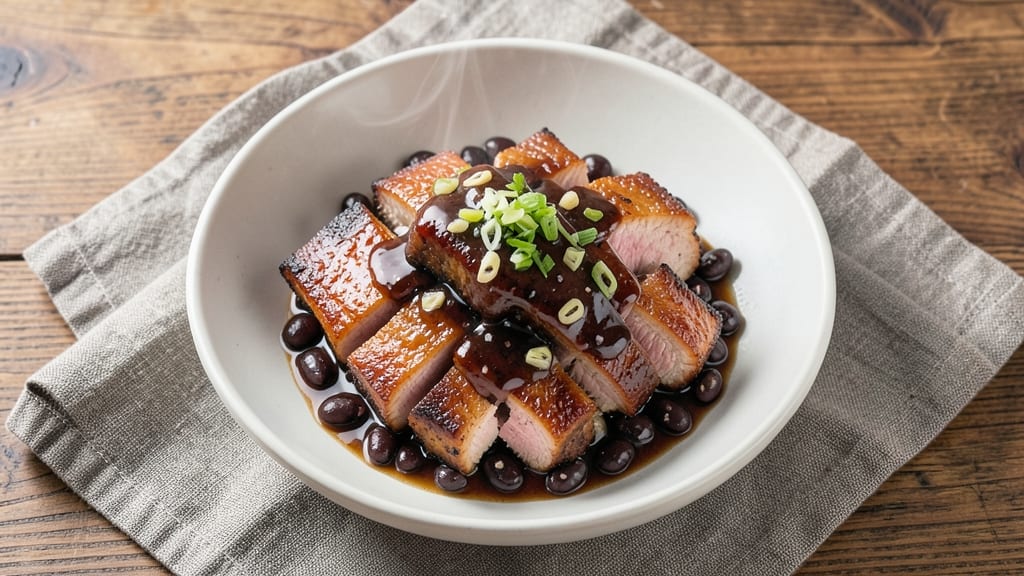
This steamed pork ribs with fermented black beans recipe delivers a perfect balance of silky ribs and tangy, umami-rich beans—a dish that transforms simple ingredients into something extraordinary. The secret lies in the fermented black beans, which add depth and complexity without overpowering the tender pork.
I first discovered this technique while exploring Cantonese home cooking, where fermented black beans elevate humble ingredients into restaurant-quality meals.
The process is straightforward yet precise: pork ribs are marinated in a blend of soy sauce, five-spice powder, and a touch of the fermented black beans before steaming to perfection. Meanwhile, the beans are prepared separately—some blended into a sauce for added richness, while others are served whole for texture.
This dual approach ensures every bite delivers both the tender, melt-in-your-mouth ribs and the bold, tangy crunch of the beans.
What makes this dish truly special is how the flavors develop during steaming—silky ribs absorb the aromatic marinade, while the beans release their fermented punch. The result is a harmonious plate where each component complements the other, creating a dish that’s as visually appealing as it is delicious.
Whether served as a main course or a centerpiece for a family gathering, this recipe is a foolproof way to impress.
The beauty of this method lies in its versatility—adjust the marinade to suit your taste or serve the beans on the side for those who prefer milder flavors. With minimal prep and hands-off steaming, dinner comes together effortlessly, leaving you free to enjoy the meal.
Let’s get started on creating this umami bomb of a dish.
Ingredients for steamed pork ribs with fermented black beans
Pantry staples meet Cantonese tradition—just 15 ingredients transform into restaurant-quality steamed ribs.
| Ingredient | Amount | Notes |
|---|---|---|
| Pork Ribs 🥩 | 2 lb | Baby back or spare ribs, cut into 2-inch pieces |
| Fermented Black Beans 🫘 | ½ cup | Chinese black beans, rinsed well |
| Light Soy Sauce 🥫 | ½ cup | High-quality, low-sodium preferred |
| Five-Spice Powder 🌶️ | 1 tbsp | Authentic blend for authentic flavor |
| Ginger Root 🧄 | 1 tbsp | Freshly grated, aromatic |
| Garlic Cloves 🧄 | 6 cloves | Minced finely for infusion |
| Sesame Oil 🫒 | 1 tbsp | Toasted, for aroma |
| Honey 🍯 | 1 tbsp | Pure, for balance |
| Green Onions 🧅 | 3 whole | White and green parts separated |
| Shaoxing Wine 🍷 | 2 tbsp | Or dry sherry substitute |
| Cornstarch 🌾 | 1 tbsp | For rib slurry |
| Vegetable Oil 🫒 | 2 tbsp | For searing ribs |
| Rock Sugar 🍬 | 1 tsp | Or granulated sugar |
| Red Chili Flakes 🌶️ | ½ tsp | Optional, for heat |
| Sesame Seeds 🌾 | 1 tsp | Toasted, for garnish |
The fermented black beans are non-negotiable for that signature umami depth. Look for authentic Chinese black beans in the Asian aisle at Walmart or H Mart, not the dried black beans used for soups. These should be fermented, salty, and slightly sour—think of them as the secret weapon. Five-spice powder is another critical component; Penzeys or Spicewalla carry authentic blends that far surpass supermarket versions. The ginger and garlic? Freshly grated and minced—never pre-minced or powdered. For Shaoxing wine, Trader Joe's carries a decent substitute if you can't find authentic versions.
No fermented black beans? Miso paste or soy sauce reduction can mimic some of the depth, though it won't replicate the exact tangy crunch. Substituting five-spice powder? Equal parts cinnamon, cloves, fennel, and star anise gets you close, but the balance is delicate. Shaoxing wine unavailable? Dry sherry or even a splash of apple cider vinegar works in a pinch. The cornstarch slurry is essential for tender ribs—don't skip it. For the beans, if you can't find fermented black beans, black soybeans fermented in soy sauce for 24 hours will create a similar effect, though it requires advance prep.
Store the fermented black beans in their liquid in the fridge for up to 3 months—the longer they sit, the more intense the flavor. Pork ribs can be prepped a day ahead and refrigerated in the marinade, but steam them within 24 hours for peak tenderness. The leftover bean sauce keeps for 1 week in the fridge, perfect for drizzling over rice or noodles. For presentation, toast the sesame seeds in a dry pan until fragrant—30 seconds max—then sprinkle over the finished dish for that restaurant-quality finish.
Why You'll Love This Recipe
- I’ll be real: this isn’t just for Sunday dinners. It’s my go-to when I’ve got a crowd over or need to feed my family after soccer practice. The ribs steam while you prep the sides, and leftovers? Even better the next day—just reheat gently and toss in a splash of the soy sauce marinade.
- No-Fuss Feast: Honestly, this isn’t one of those recipes that requires hours in the kitchen. Just marinate the ribs for an hour (or overnight if you’re feeling lazy), sear them in batches, and steam while you wait—easily done while watching TV. The fermented black beans even prep ahead while you’re marinating, so you’re basically just assembling flavors.
- Umami Bomb: The fermented black beans add that deep, tangy funk that makes every bite sing. Pair that with the five-spice powder’s warm spices and the honey-sweetened ribs? It’s like a flavor explosion where every texture—creamy ribs, chewy beans, crisp green onions—plays its part perfectly.
- Weeknight Hero: I’ll be real: this isn’t just for Sunday dinners. It’s my go-to when I’ve got a crowd over or need to feed my family after soccer practice. The ribs steam while you prep the sides, and leftovers? Even better the next day—just reheat gently and toss in a splash of the soy sauce marinade.
Step-by-step instructions for steamed pork ribs with fermented black beans
Mastering this dish comes down to balancing textures and flavors through precise technique.
Prepare the Ribs and Marinade
Cut the 2 lb pork ribs into 2-inch pieces and pat them completely dry with paper towels. This step is critical—any moisture left on the surface will prevent proper searing later. In a bowl, combine the ½ cup light soy sauce, 1 tbsp five-spice powder, 1 tbsp freshly grated ginger root, 6 minced garlic cloves, 1 tbsp honey, 2 tbsp shaoxing wine, and ½ tsp red chili flakes. Mix well until fully integrated, then add the ribs and coat thoroughly. Cover and marinate in the refrigerator for at least 1 hour, or up to 4 hours for deeper flavor penetration.
While the ribs marinate, prepare the fermented black beans by rinsing them well under cold water to remove excess salt. Drain thoroughly and set aside. The beans should maintain their shape while absorbing the marinade's aromatic compounds during cooking.
Sear and Steam the Ribs
Heat a large wok or deep skillet over high heat until smoking, then add 2 tbsp vegetable oil. Working in batches if needed, sear the marinated ribs until deeply browned on all sides—approximately 2-3 minutes per side. This caramelization builds the foundation for the dish's rich flavor profile. Transfer the seared ribs to a heatproof plate and set aside.
In the same wok, add the drained fermented black beans and stir-fry for 1 minute until fragrant. Create a slurry by mixing 1 tbsp cornstarch with 2 tbsp water, then pour it into the wok while stirring vigorously. The beans will thicken slightly, creating a textural contrast that complements the ribs. Return the ribs to the wok and toss everything together.
Steam to Perfect Tenderness
Transfer the rib and bean mixture to a heatproof steaming basket placed over a pot of boiling water. Cover tightly with a lid or aluminum foil and steam over medium-high heat for 1 hour. The ribs should reach an internal temperature of 195°F when tested with an instant-read thermometer, indicating perfect tenderness. If the liquid reduces too quickly, add small amounts of hot water to the pot below without uncovering.
During the final 10 minutes of steaming, prepare the garnish by combining 1 tbsp toasted sesame oil, 1 tsp toasted sesame seeds, and the white parts of 3 sliced green onions. The sesame oil adds aromatic depth while the sesame seeds provide a delightful crunch. The green onions contribute freshness that cuts through the richness of the dish.
Finish and Serve
Remove the steamed ribs and beans from the heat and let them rest for 5 minutes. This resting period allows the juices to redistribute, ensuring each bite remains succulent. Stir in 1 tsp rock sugar and the prepared sesame oil mixture, tossing gently to coat everything evenly. The sugar enhances the natural sweetness of the ribs while balancing the fermented beans' tanginess.
Garnish each serving with the remaining green onion tops and an additional sprinkle of sesame seeds. Serve immediately with steamed jasmine rice to soak up the flavorful juices. The contrast between the silky ribs, tangy beans, and aromatic garnish creates a harmonious balance that defines this dish.
Pro Tips For Making Steamed Pork Ribs With Fermented Black Beans
- Dry the Ribs Thoroughly: I learned this the hard way—wet ribs won’t sear properly, and you’ll end up with sticky, uneven browning. Pat them completely dry with paper towels, even if it feels excessive. Trust me, that crust is worth the extra 30 seconds.
- Sear in Batches: Your wok’s heat will drop if you crowd the ribs, leading to greasy instead of golden searing. Work in batches—2-3 minutes per side over high, smoking heat—until they’re deep brown. Skip the crowding, and you’ll get that restaurant-quality crust.
- Toast the Black Beans: The recipe says to stir-fry them for 1 minute, but I bump that to 2 if I’m feeling fancy. Toasting them first deepens their nutty flavor and prevents mushiness during steaming. Just don’t walk away—they burn faster than you think.
- Slurry the Cornstarch Last: Mix the cornstarch slurry right before tossing it into the wok. If you prep it too early, it’ll thicken into a paste and clump when you add it to the hot oil. Stir like your life depends on it—you want a glossy, even coating, not gluey blobs.
Storing and reheating this steamed pork ribs with fermented black beans
Refrigerator Storage
After steaming, let the ribs and beans cool for 10 minutes before transferring them to airtight containers—I use glass Pyrex with snap-on lids. Store in the refrigerator for up to 3 days to maintain their tender texture and fermented bean tang.
The flavors actually deepen overnight, making it perfect for meal prep. ❄️
Freezer Storage
For longer storage, freeze the steamed ribs and beans in quart-sized freezer bags, leaving 1 inch of headspace to prevent expansion. Label with the date—they’ll keep for up to 3 months without quality loss. Thaw overnight in the fridge for best results, then reheat gently to avoid drying out.
Reheating Stovetop
Reheat in a heavy-bottomed wok or skillet over medium-low heat for 8-10 minutes, adding 1-2 tablespoons of water to prevent sticking. Stir occasionally to redistribute juices. The fermented black beans will soften slightly, but their tangy punch remains intact. This method preserves the silky texture of the ribs.
Microwave Reheating
For quick meals, place portions in a microwave-safe dish, cover loosely with a damp paper towel, and heat on 50% power for 2-3 minutes. Stir, then continue in 1-minute intervals until reaching 165°F. Avoid overcooking—the beans may become mushy if exposed to high heat too long.
Reheating Rice Pairings
Reheat your jasmine rice alongside the ribs in a separate dish—just add 1 tablespoon of water per cup of rice and cover while warming. The rice absorbs the rib juices beautifully, making each bite even more flavorful. Serve immediately for the best texture and taste. 🍚
Leftover Bean Sauce
Save any leftover bean sauce in a small jar for up to 1 week in the fridge. Drizzle it over rice, noodles, or even scrambled eggs to add that umami-rich tang without extra effort. It’s a game-changer for quick meals! 💫
Nutrition facts
Frequently asked questions
Why do the fermented black beans need to be rinsed before cooking?
The excess salt from fermented black beans can overpower the dish if not rinsed. A quick rinse under cold water removes excess brine while keeping their tangy, umami-rich flavor intact—perfect for balancing the sweetness of the ribs. This step ensures every bite harmonizes without being too salty.
Can I skip the searing step and just steam the ribs?
Searing is essential for developing deep flavor and texture. Without it, the ribs will lack that caramelized crust and may become dry during steaming. The sear also helps lock in juices, ensuring tender, succulent meat throughout. Skip this step at your own risk!
How do I know when the ribs are fully cooked?
Use an instant-read thermometer to check the internal temperature—it should reach 195°F. The ribs will also pull away easily from the bone when tested, and the meat will appear silky and translucent. This method guarantees perfect tenderness every time!
What if I don’t have Shaoxing wine?
A dry sherry or even apple cider vinegar can substitute in a pinch. The vinegar adds brightness, while sherry mimics the wine’s depth. Just reduce the amount slightly to avoid overpowering the dish’s natural flavors. Your ribs will still taste amazing!