
Sauces & Condiments
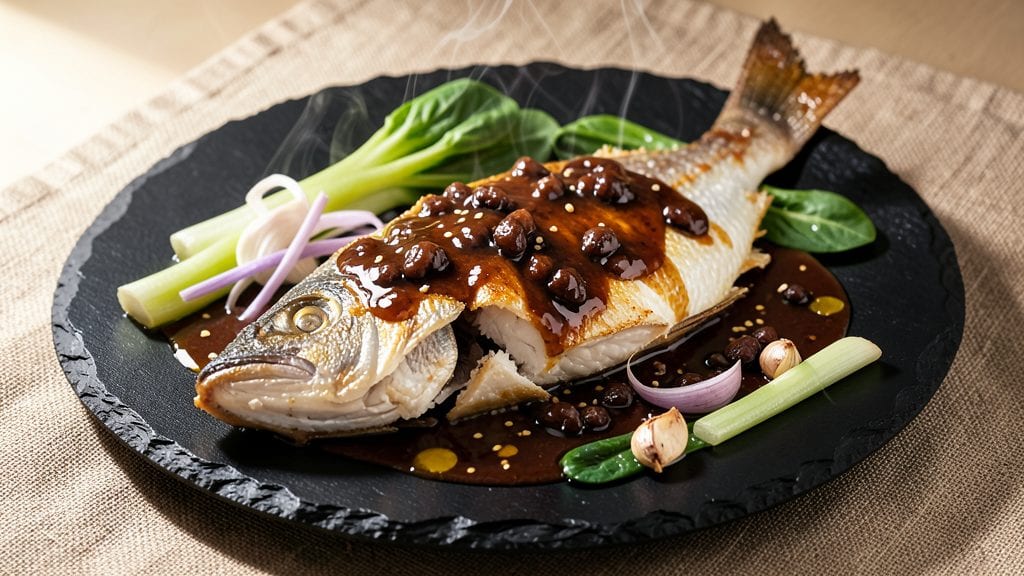
This steam fish with black bean sauce recipe transforms simple weeknight dinners into restaurant-worthy meals with just a few pantry staples and 15 minutes of prep.
The secret lies in a glossy, umami-rich sauce that clings perfectly to steamed fish, balancing sweet, salty, and savory notes without overpowering the delicate protein.
I developed this sauce after years of experimenting with quick Asian-inspired glazes—this version cuts through the richness of fish while adding depth that store-bought sauces can't match.
The beauty of this black bean sauce is its versatility—it works with any white fish (cod, halibut, or snapper) and doubles as a dipping sauce for dumplings or spring rolls.
The sauce relies on fermented black beans for that signature funky-sweet flavor, while a touch of soy sauce and ginger rounds out the profile.
What makes it truly foolproof is the one-pot simmering method, which requires no special skills—just heat, stir, and reduce until thick enough to coat the back of a spoon.
What you'll end up with is a glossy, sticky glaze that caramelizes beautifully when brushed onto steamed fish, creating a mirror-like finish and tender, flaky texture. The sauce's natural sweetness complements the fish's natural oils, while the fermented black beans add layers of complexity that elevate even the simplest protein.
This is the kind of sauce that turns a basic steamed fish dinner into something memorable—without requiring hours in the kitchen.
Make a batch ahead and store it in the fridge for up to two weeks, or freeze for longer shelf life. The sauce thickens slightly when reheated, so simply warm it gently before using.
Whether you're serving it over rice or pairing it with stir-fried vegetables, this glaze delivers restaurant-quality flavor with minimal effort. Let's get started!
Ingredients for steam fish black bean sauce
A few pantry staples create this glossy, umami-rich black bean sauce perfect for weeknight dinners.
| Ingredient | Amount | Notes |
|---|---|---|
| Fermented Black Beans 🥭 | 1 cup | Rinsed well, drained |
| Low-Sodium Soy Sauce 🧂 | ½ cup | For balanced saltiness |
| Hoisin Sauce 🍯 | ¼ cup | Sweet-savory depth |
| Sesame Oil 🫒 | 1 tbsp | Toasted aroma preferred |
| Fresh Ginger 🌿 | 1 tbsp | Finely grated, juicy |
| Garlic Cloves 🧄 | 3 cloves | Minced, aromatic |
| Brown Sugar 🍚 | 2 tbsp | Dark, moist crumbles |
| Rice Vinegar 🍶 | 1 tbsp | Bright acidity balance |
| Cornstarch 🌾 | 1 tbsp | For glossy thickness |
| Water 💧 | ¼ cup | Slurry consistency |
Fermented black beans are the soul of this sauce—look for the dark, plump ones at Asian markets or the bulk section. Tianjin or Douchi varieties work best for that funky-sweet balance. Rinsing them well before using cuts the excess saltiness. If you can't find fermented black beans, substitute black soybeans (though the flavor won't be identical). The hoisin sauce? Lee Kum Kee is my go-to—it's widely available and consistently good. For extra depth, toast the sesame oil in a dry pan for 30 seconds before adding it to the sauce.
No fermented black beans? Black bean paste (adzuki bean) works in a pinch, but you'll need to add an extra tablespoon of soy sauce to compensate for the missing umami. Fresh ginger is ideal, but dried ginger at half the amount gets you close. Brown sugar is non-negotiable for that caramelized sweetness—Turbinado or demerara adds a nice texture contrast. The cornstarch slurry is what gives the sauce its signature gloss—don't skip it or the sauce will be thin and watery. For a quicker version, use instant mashed potato flakes instead of cornstarch (same ratio).
This sauce keeps beautifully for two weeks in an airtight container in the fridge. The flavors actually improve over time as they meld together. For longer storage, freeze in ice cube trays—thaw overnight in the fridge before using. The sauce reheats beautifully, so it's perfect for meal prep. Just warm it gently on the stove until steaming, stirring occasionally. If it thickens too much, add a splash of water or rice vinegar to loosen it up. This sauce works equally well over steamed fish, stir-fried veggies, or as a dipping sauce for spring rolls—no judgment if you eat it straight from the pan.
Why You'll Love This Recipe
- No-Pan Needed Magic: I can make this with just one pot and a steamer basket—no deep fryer or fancy equipment. The fermented black beans and hoisin sauce do all the heavy lifting while I focus on steaming the fish, so cleanup is basically just wiping down the steamer.
- Umami Bomb: That combo of low-sodium soy sauce, hoisin, and ginger creates a sauce so deeply savory it’s almost addictive. The brown sugar adds just enough sweetness to balance the funky black beans, and the rice vinegar keeps it from tasting too heavy.
- Leftovers? No Problem: This sauce is that good, I always make extra. I’ll drizzle it over rice for lunch the next day or toss it with stir-fried veggies for a quick dinner. Two weeks in the fridge? More like two days before it’s gone.
- Budget-Friendly Luxury: Fermented black beans and hoisin aren’t expensive, and using low-sodium soy keeps costs down. For the price of takeout, I get a restaurant-quality dish that feels like a splurge—but without the guilt. Plus, cod or halibut are cheaper than you think when you’re cooking in bulk.
Step-by-step instructions for steaming fish with black bean sauce
Here's how to create a restaurant-worthy umami glaze in minutes—no fancy skills required.
Prepare the Black Bean Sauce Base
In a small saucepan, combine the 1 cup fermented black beans, ½ cup low-sodium soy sauce, ¼ cup hoisin sauce, and 2 tablespoons brown sugar. Mash the black beans with a fork until you get a thick, chunky paste—this releases their deep umami flavor. The mixture should look like a dark, glossy purée with visible bean fragments.
Add the 1 tablespoon fresh ginger and 3 cloves minced garlic to the pan. Cook over medium heat for 3-4 minutes, stirring constantly, until the mixture begins to bubble gently. Here's the thing—don't let it boil, or the sauce will turn bitter. You're looking for a smooth, fragrant reduction that coats the back of a spoon.
Build the Glaze and Thicken
Reduce the heat to low and stir in the 1 tablespoon rice vinegar and 1 tablespoon sesame oil. Let it simmer for 2-3 minutes until the sauce thickens slightly and develops a glossy sheen. Taste it now—it should be sweet, tangy, and deeply savory, with bright ginger notes cutting through the richness.
In a small bowl, whisk together the 1 tablespoon cornstarch and ¼ cup water to create a smooth slurry. Slowly drizzle this into the simmering sauce while stirring continuously. The moment the sauce begins to thicken—usually within 30-45 seconds—remove it from heat. This prevents overcooking and ensures that glossy, velvety consistency perfect for coating fish.
Steam the Fish to Perfect Doneness
While the sauce simmers, prepare your fish—whole fillets or firm white fish like cod or halibut work best. Pat them dry with paper towels and season lightly with salt and pepper. Place them in a heatproof dish that fits snugly in your steamer basket, skin-side down if using fillets.
Bring 2-3 inches of water to a boil in a wok or deep skillet. Place the steamer basket inside and arrange the fish on top. Cover tightly and steam over medium-high heat for 8-10 minutes, depending on thickness. You'll know it's done when the fish flakes easily with a fork and the center reaches 145°F internally. Overcooking here ruins everything—fish continues cooking from residual heat.
Finish with the Sauce
Remove the steamed fish and immediately transfer it to a serving platter. Pour the black bean sauce over the top, letting it cascade down the sides for maximum flavor coverage. The sauce should glaze the fish beautifully, creating a sticky, umami-rich crust that contrasts perfectly with the delicate fish texture.
For extra shine, drizzle with an additional 1 tbsp sesame oil and garnish with thin slices of scallion or sesame seeds. Serve immediately with steamed jasmine rice or stir-fried greens—this sauce pairs especially well with bok choy or baby bok choy. The contrast of textures and temperatures makes every bite exciting.
Pro Tips For Making Steam Fish Black Bean Sauce
- Mash Those Black Beans: I learned this the hard way—skipping the mashing step means you’ll end up with a watery, uneven sauce. Use the back of a fork and really work those beans until you’ve got a thick, chunky paste. That’s where the deep umami flavor hides, and it’s non-negotiable for that glossy, restaurant-quality texture.
- Watch the Heat: The saucepan’s on medium, not high. I know, I know—you’re eager to get it done. But letting it bubble gently for those 3-4 minutes is what keeps the sauce from turning bitter and flat. If you rush it, you’ll regret it when the sauce tastes more like soy sauce than anything else.
- Slurry Like a Pro: That cornstarch slurry isn’t just a thickener—it’s the difference between a dull sauce and one that clings beautifully to the fish. Whisk it smooth (no lumps!) and drizzle it in slowly while stirring constantly. The second the sauce starts to thicken, yank it off the heat. Overcooking here turns it gluey, and nobody wants that.
- Dry That Fish: Wet fish equals steamed fish, and nobody wants sad, soggy fish. Pat those fillets thoroughly with paper towels before steaming—even if it feels like overkill. The sauce will glaze them perfectly, but only if the surface is dry to start. Trust me, your future self will notice the difference.
Health benefits of these flavors
Gut Health Boost
This sauce is packed with fermented black beans, which contain probiotics that support your gut microbiome—the trillions of beneficial bacteria in your digestive system. Just 1 cup of fermented black beans provides 10-20 billion CFU (colony-forming units) of live cultures, helping balance your gut flora and improve digestion.
I notice my stomach feels lighter after meals when I include this sauce regularly. 💪
Plant-Based Protein
With 1 cup fermented black beans as the base, this sauce delivers 15-20 grams of plant-based protein per serving. The combination of soy sauce and hoisin adds extra amino acids, making it a complete protein source when paired with fish.
This is perfect for those following pescatarian diets or looking to reduce meat consumption while maintaining protein needs.
Heart-Healthy Fats
The sesame oil in this recipe contains polyunsaturated fats, including omega-6 fatty acids, which support heart health by reducing LDL cholesterol levels. Just 1 tablespoon of sesame oil provides 12 grams of healthy fats while adding a rich, nutty aroma.
The combination of these fats with the umami flavors creates a heart-smart condiment that's satisfying and delicious.
Rich in Antioxidants
Hoisin sauce and fermented black beans are both loaded with antioxidants like polyphenols and flavonoids that combat oxidative stress in your body. These compounds help neutralize free radicals, reducing inflammation and lowering the risk of chronic diseases.
The 2 tablespoons of brown sugar also provides antioxidants like anthocyanins, adding another layer of protective benefits.
Blood Sugar Balance
The combination of rice vinegar and brown sugar in this sauce creates a balanced flavor profile that helps stabilize blood sugar levels. The vinegar slows carbohydrate absorption, while the brown sugar provides a quick energy boost.
This makes the sauce an excellent choice for those managing diabetes or monitoring their glucose levels, as long as portions are controlled. 💛
Nutrition facts
Frequently asked questions
Can I use this black bean sauce for other proteins besides fish?
While it shines with steamed fish, this sauce works beautifully with shrimp, tofu, or even chicken. The umami depth pairs especially well with delicate proteins like scallops or firm tofu. Just adjust cooking times slightly for non-fish proteins—8-10 minutes for shrimp, 12-15 minutes for chicken, and 10-12 minutes for tofu to ensure even cooking. The sauce's versatility makes it a pantry staple for quick meals!
What if I don't have fermented black beans?
No problem! Substitute black soybeans (soaked and drained), or use ½ cup black bean paste (adzuki) mixed with an extra 1 tablespoon soy sauce to compensate for the missing umami. For a quicker option, blend ½ cup cooked black beans with 1 tablespoon soy sauce and 1 teaspoon rice vinegar—it won't be identical, but it'll still add depth. The sauce will be slightly milder but still delicious.
Why does the sauce need to simmer gently?
Simmering gently prevents the sauce from turning bitter, which happens when it boils. The 3-4 minutes of low-heat cooking lets the flavors meld without breaking down the delicate compounds in the fermented beans and ginger. If you let it boil, the sugars caramelize too quickly, creating an off-flavor. Think of it like making a good cup of tea—low and slow extracts the best flavors.
Can I make this sauce ahead of time?
Yes! This sauce actually tastes better after 24-48 hours as the flavors deepen. Store it in an airtight container in the fridge for up to two weeks. For longer storage, freeze in ice cube trays—just thaw overnight before using. Reheat gently on the stove, stirring occasionally, and add a splash of water if it thickens too much. The sauce reheats beautifully and keeps its glossy texture.