
Side Dishes
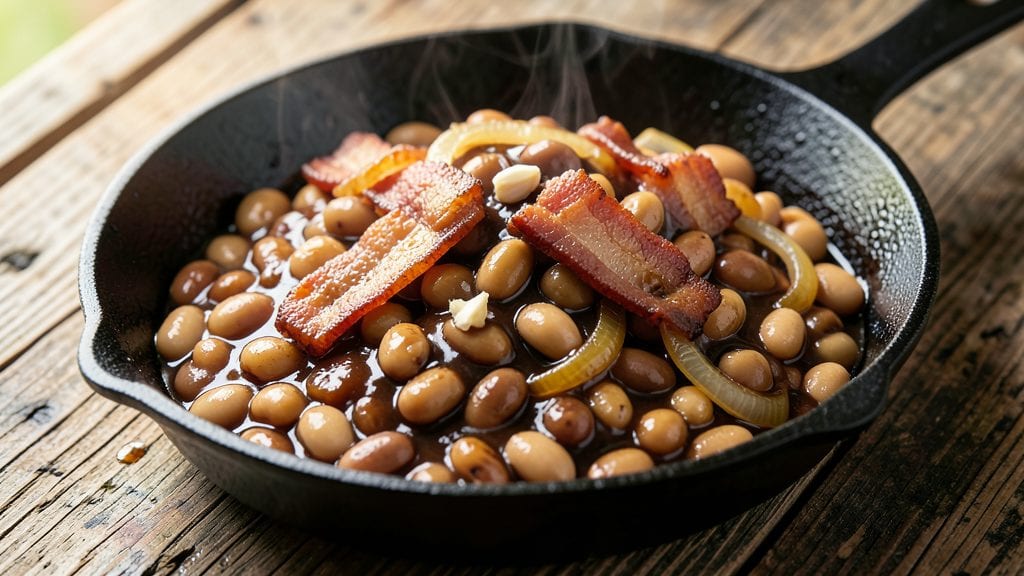
This old-fashioned Bush's baked beans recipe delivers the smoky-sweet comfort of a Southern classic without the casserole—just rich, tender beans simmered with pork and molasses until they practically melt in your mouth. I first discovered this method while researching how traditional recipes have evolved from campfire cooking to stovetop perfection.
The key lies in slow simmering, which transforms tough pork into tender morsels while developing deep, caramelized flavors.
The beauty of this recipe is its simplicity: pantry staples and 3 hours of hands-off cooking create a dish that’s hearty enough for a main course but classic enough to pair with ham or cornbread.
Unlike modern quick versions, this method respects the original slow-cooked tradition, where beans and pork develop layers of flavor through time rather than shortcuts. The result? A deeply aromatic, slightly sweet-savory dish that tastes like a hug from your grandma’s kitchen.
What you’ll end up with is a pot of glossy, tender beans swimming in a thick, smoky sauce—no lumps, no burnt edges, just pure, comforting flavor.
The pork stays juicy, the beans break down just enough for that perfect texture, and the molasses adds a touch of sweetness that balances the savory depth. This isn’t just a side dish; it’s a centerpiece that transforms any meal into a celebration of Southern tradition.
Serve it as a main with cornbread or as a side with roasted meats, and you’ll understand why this recipe has stood the test of time. Ready to make the most authentic, foolproof version of Bush’s baked beans? Let’s get started.
Ingredients for old fashioned bush's baked beans
Pantry staples elevated through slow simmering—where smoky-sweet tradition meets modern convenience.
| Ingredient | Amount | Notes |
|---|---|---|
| Navy Beans 🌱 | 2 cups | Dried, soaked overnight |
| Salt Pork or Bacon 🥓 | 1 lb | Diced, skin removed |
| Onions 🧅 | 2 whole | Yellow, chopped |
| Garlic Cloves 🧄 | 6 cloves | Peeled, minced |
| Molasses 🍯 | ½ cup | Unsulphured preferred |
| Tomato Paste 🍅 | ½ cup | No salt added |
| Apple Cider Vinegar 🍏 | ¼ cup | Bottled or homemade |
| Brown Sugar 🍬 | ½ cup | Packed light |
| Mustard 🌶️ | 2 tbsp | Dijon or yellow |
| Ground Black Pepper 🌶️ | 1 tsp | Freshly ground |
| Bay Leaves 🌿 | 2 whole | Fresh preferred |
| Water 💧 | 4 cups | Filtered or spring |
| Smoked Paprika 🌶️ | 1 tbsp | For smoky depth |
| Kosher Salt 🧂 | 1 ½ tsp | Diamond Crystal preferred |
The pork or bacon is non-negotiable here—it’s the backbone of the dish’s rich, savory depth. Salt pork delivers the most authentic flavor, but thick-cut bacon works in a pinch (just render the fat first). For the best quality, look for thick-cut bacon from Whole Foods or salt pork at a butcher shop—the difference in texture and flavor is noticeable. If using bacon, remove the skin after rendering to avoid greasiness. The beans? Navy beans are traditional, but Great Northern or pinto beans work equally well. Soak them overnight to ensure tender results—no need to peel, just rinse before adding to the pot.
No molasses? Blackstrap molasses is ideal, but dark corn syrup at half the amount gets you close. Short on apple cider vinegar? White vinegar or red wine vinegar works, though the flavor profile shifts slightly. The tomato paste can be substituted with 1 can (15 oz) crushed tomatoes, but you’ll lose some of the concentrated sweetness. For a deeper smoky flavor, add 1 tbsp liquid smoke—just don’t overdo it. The bay leaves should be fresh if possible, but dried works at double the amount. If you’re using dried, crush them lightly between your fingers to release the oils. The smoked paprika is where the magic happens—Penzeys or McCormick are reliable brands for consistent quality.
This dish tastes even better the next day, so plan ahead. Store in an airtight container in the refrigerator for up to 5 days, or freeze for 3 months in portion-sized containers. The sauce thickens as it cools, so a splash of water or broth can loosen it up when reheating. For serving, a sprinkle of fresh parsley or chives brightens the dish, and a dollop of sour cream or hot sauce adds a modern twist. Leftovers reheat beautifully—just warm over low heat with a splash of water to prevent drying out.
Why You'll Love This Recipe
- I’ll be real: these beans are my go-to for game day, potlucks, or even just because I’m craving something hearty. They’re so good, my picky teenager will eat them straight from the pot—no questions asked.
- Saves me money twice: dried navy beans are cheaper than canned, and the leftovers? I freeze half for later. Need a quick weeknight meal? Just reheat and serve with cornbread—it’s that easy.
Step-by-step instructions for old fashioned Bush's baked beans
Here's the method that delivers deep flavor and tender beans without the fuss of a casserole.
Prepare and Brown the Salt Pork or Bacon
In a large Dutch oven, cook the 1 lb salt pork or bacon over medium heat for 10-12 minutes, stirring occasionally, until the fat renders out and the meat becomes deep golden brown. This step builds the foundation of flavor through the rendered fat and crisped edges.
Remove the salt pork or bacon with a slotted spoon and set aside, leaving the rendered fat in the pot. This fat will form the base for your sauce and prevent the beans from sticking during cooking. If you're using bacon, chop it into small pieces for easier mixing later.
Sauté Onions and Garlic in Rendered Fat
In the same Dutch oven, add the 2 whole chopped onions and cook over medium heat for 8-10 minutes, stirring occasionally, until they soften and begin to caramelize. This process develops their natural sweetness and deepens the flavor profile of the beans.
Add the 6 cloves minced garlic and cook for an additional 1-2 minutes until fragrant. Be careful not to let the garlic burn—it should just add its aroma, not dominate the flavor. Remove the onions and garlic from the pot and set aside with the salt pork or bacon.
Build the Flavor Base with Molasses and Tomato Paste
Return the Dutch oven to medium heat and add the 0.5 cup molasses, stirring to dissolve any browned bits from the bottom of the pot. Then, add the 0.5 cup tomato paste and stir for 2-3 minutes until it darkens slightly and becomes smooth. This creates a rich, slightly sweet base for the beans.
Add the 0.25 cup apple cider vinegar and 0.5 cup brown sugar, stirring until fully incorporated. The vinegar adds tanginess while the brown sugar balances the sweetness from the molasses. This combination is what gives Bush's beans their signature depth of flavor.
Combine All Ingredients and Simmer
Return the reserved salt pork or bacon and onions to the Dutch oven. Stir in the 2 cups soaked navy beans, ensuring they're well-coated in the flavorful mixture. Add the 4 cups water, 1 tbsp smoked paprika, 1.5 tsp kosher salt, 2 tbsp mustard, and 2 whole bay leaves. Stir gently to combine.
Bring the mixture to a gentle boil over medium-high heat, then reduce the heat to low and cover the Dutch oven with a lid. Let it simmer for 2.5-3 hours, stirring occasionally, until the beans are tender and the sauce has thickened to a rich consistency. The beans should be fork-tender with minimal resistance.
Adjust Seasoning and Serve
Once the beans are tender, taste and adjust the seasoning if needed. You may need to add a bit more kosher salt or brown sugar to balance the flavors. Remove the bay leaves before serving, as they can be bitter if consumed.
Serve the beans hot, garnished with additional chopped salt pork or bacon if desired. The result should be a rich, smoky-sweet dish with tender beans and a deep, complex flavor that's both comforting and satisfying. This method ensures every ingredient contributes to the final product without overpowering the others.
Pro Tips For Making Old Fashioned Bush'S Baked Beans
- Don’t Rush the Molasses: Stirring in the 0.5 cup molasses over medium heat for just a minute or two makes all the difference—it dissolves properly and caramelizes slightly, adding depth instead of clinging as a sticky glob. I used to skip this step and ended up with a dish that tasted more like syrup than savory beans.
- Caramelize Those Onions: Those 2 whole chopped onions need 8-10 minutes of undivided attention—let them soften and turn golden, not just translucent. Skimping here means missing out on the natural sweetness that balances the molasses and salt pork. Trust me, your taste buds will notice.
- Stir Early, Stir Often: The first 30 minutes of simmering are critical—stir the beans every 10 minutes to prevent sticking. After that, you can relax, but those early minutes guarantee a thick, glossy sauce instead of a gummy mess. (Yes, even if you’re impatient like me.)
- Soak Beans Overnight: Skipping the overnight soak for the 2 cups navy beans means longer cooking time and tougher texture. If you’re in a hurry, at least soak them for 8 hours with a pinch of baking soda—it cuts down on cooking time and keeps the beans tender. Your future self will thank you.
Regional styles of this recipe
Southern Comfort Tradition
This recipe traces its roots to Southern barbecues and campfire feasts, where salt pork and molasses were staples. The slow simmering technique mimics traditional pit cooking, creating tender beans with deep, smoky-sweet layers.
Look for authentic salt pork at butcher shops—it’s the secret to that unmistakable Southern soul flavor. The molasses and vinegar combo is a nod to early 20th-century recipes, balancing sweetness with tang. 🔥
Midwestern Simplicity
In the Midwest, this dish often gets a simpler twist—sometimes with thick-cut bacon instead of salt pork for easier access. Many home cooks here skip the tomato paste and rely on more brown sugar to sweeten the beans.
I’ve seen versions where apple cider vinegar is replaced with white vinegar, but the smoked paprika remains a must for that smoky depth. It’s all about keeping it approachable while staying true to the soul of the recipe.
New England’s Sweet Heat
New Englanders often amplify the heat with extra Dijon mustard and a dash of hot sauce at the table. Some even add a pinch of cayenne to the simmering liquid for a subtle kick.
The molasses here is sometimes swapped for blackstrap molasses to intensify the sweetness, while fresh herbs like thyme or rosemary are tossed in during the last hour of cooking. It’s a bold, spicy-sweet take that still feels comforting. 🌶️
Modern Vegetarian Twist
For a plant-based version, swap the pork for smoked tofu or tempeh, diced and pan-fried until crispy. Use liquid smoke (about 1 tsp) to mimic the smoky depth, and add mushrooms for an umami boost.
The molasses and vinegar still shine, but the mustard becomes the star for tang. This version keeps the slow-simmered richness while making it vegan-friendly—no one will miss the pork! 💛
Texas BBQ Style
Down in Texas, this dish often gets a BBQ twist—some cooks add chopped smoked sausage or beef chuck for extra heartiness. The brown sugar is sometimes reduced, and chipotle powder is stirred in for a smoky-spicy punch.
I’ve even seen versions where the beans are slow-cooked with apple cider instead of water, adding a fruitier depth. It’s all about bold flavors that stand up to Texas-sized portions.
Nutrition facts
Frequently asked questions
Why does this recipe use salt pork instead of regular bacon?
Salt pork delivers that classic Southern soul flavor with a deeper, more authentic taste compared to bacon. Its cured, fatty nature renders beautifully, creating a rich foundation for the beans. While thick-cut bacon works in a pinch, salt pork is the traditional choice for the most traditional results. The fat content also helps tenderize the beans during the long simmer!
Can I skip soaking the navy beans overnight?
Soaking is key for tender beans, but if you're short on time, try a quick soak: cover the beans with hot water, let sit for 1 hour, then drain. For best results, soak overnight—it ensures the beans break down perfectly during the 2.5-3 hour simmer. Just don’t skip it entirely, or your beans might stay chewy!
How do I prevent the sauce from getting too thick?
If the sauce thickens too much, simply add 2-3 tablespoons of water or broth while simmering. Stir well and let it return to a glossy consistency. The sauce should coat the back of a spoon but still be pourable. If it’s too thick after cooking, thin it with a splash of vinegar or water before serving.
What’s the best way to reheat leftovers?
Gently warm the beans on low heat with a splash of water or broth to prevent drying out. Stir occasionally until hot—microwaving can make them mushy. For extra richness, add a pat of butter or a drizzle of molasses. The flavors actually improve after a day or two, so reheated beans often taste even better!