
Side Dishes
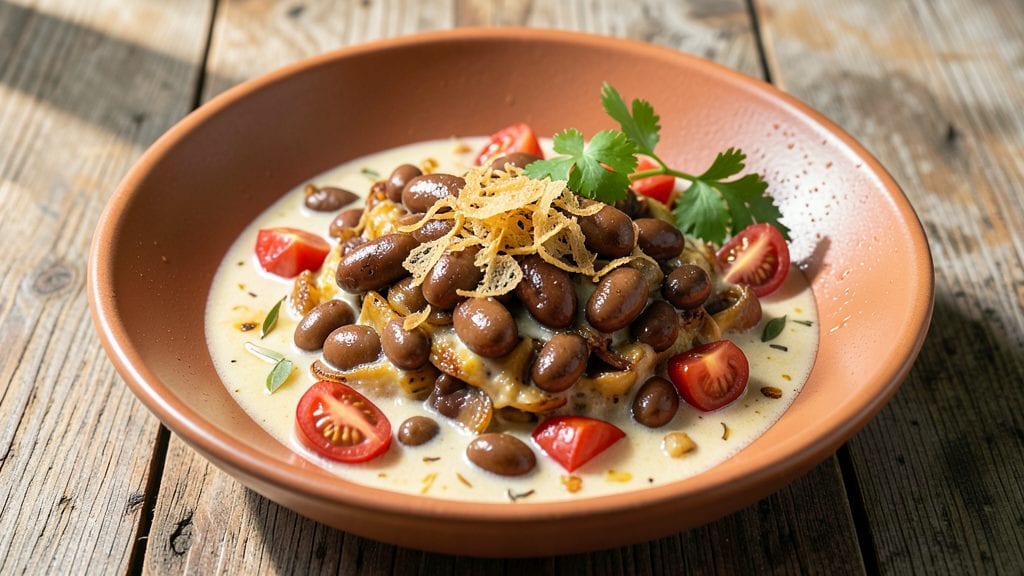
This Filipino-style monggo beans recipe delivers rich, creamy coconut goodness that transforms simple legumes into a comforting centerpiece. The secret lies in slow-cooking dried monggo beans with coconut milk until they achieve that signature velvety texture—no shortcuts, just deep flavor.
I first discovered this dish while visiting family in the Philippines, where it’s traditionally served as a hearty side or main course alongside rice.
The beauty of monggo beans is their versatility—they absorb flavors beautifully while maintaining a satisfying, meaty consistency. This recipe builds on traditional methods but simplifies the process for home cooks, ensuring you achieve that creamy perfection without hours of simmering.
The key ingredients—coconut milk, garlic, and bay leaves—create a fragrant base that pairs perfectly with savory elements.
What you’ll end up with is a dish that’s both comforting and elegant: tender monggo beans swimming in a thick, aromatic coconut sauce. The texture is irresistibly creamy, with just enough bite from the beans themselves.
This recipe works as a standalone vegetarian meal or as a flavorful addition to any Filipino feast.
Perfect for meal prep or serving warm with steamed rice, this monggo beans dish delivers restaurant-quality results at home. Let’s get cooking—your taste buds will thank you.
Ingredients for monggo beans
Dried monggo beans, coconut milk, and aromatic spices create this Filipino comfort classic.
| Ingredient | Amount | Notes |
|---|---|---|
| Dried Monggo Beans 🌿 | 2 cups | Rinsed thoroughly, soaked overnight |
| Coconut Milk 🥥 | 4 cups | Full-fat canned, shaken well |
| Garlic Cloves 🧄 | 8 cloves | Fresh, minced finely |
| Onion 🧅 | 1 whole | Yellow, finely diced |
| Bay Leaves 🍃 | 2 whole | Fresh or dried |
| Salt 🧂 | 1 ½ tsp | Kosher or sea salt |
| Black Peppercorns 🌶️ | 1 tsp | Freshly ground |
| Vegetable Oil 🫒 | 2 tbsp | For sautéing |
| Soy Sauce 🍜 | 2 tbsp | Low-sodium preferred |
| Fish Sauce 🐟 | 1 ½ tbsp | Vegetarian substitute: soy sauce + 1 tsp sugar |
| Brown Sugar 🍚 | ½ cup | Packed, for balance |
| White Pepper 🌶️ | ½ tsp | Traditional Filipino touch |
| Lime Juice 🍋 | 2 tbsp | Freshly squeezed, optional |
The beans are the star—look for plump, dry monggo at specialty Asian markets or online. Costco or World Market often carry them in bulk. If you can’t find dried, canned monggo works but rinse thoroughly to remove excess sodium. Soaking overnight is non-negotiable for tender texture. I always grab Thai Kitchen brand coconut milk—it has no additives and holds up better to simmering than cheaper brands.
No fish sauce? Double the soy sauce and add 1 tbsp sugar to mimic umami depth. Fresh garlic is ideal but garlic powder at half the amount works in a pinch. The brown sugar balances the saltiness—turbinado or demerara adds caramel notes. White pepper is key for that authentic Filipino flavor, but skip it if you can’t find it. The bay leaves can be fresh or dried, but use half the quantity if dried. For extra richness, stir in a spoon of toasted sesame oil at the end.
This dish tastes better the next day as flavors meld. Store in an airtight container in the fridge for 5-6 days. Freezes beautifully for 3 months—portion into containers so you can grab a serving anytime. I always make extra because it’s endlessly satisfying over rice or with steamed veggies. The beans get even creamier after reheating, so don’t skip that step!
Why You'll Love This Recipe
- No-Chop Weeknight Win: I’ll admit, I used to avoid beans because of all the soaking and chopping—but this recipe changed my mind. Just dice that onion, mince the garlic (or use a press), and let the beans do the work while you stir occasionally. The coconut milk and fish sauce do the heavy lifting, so you’re basically tossing everything together and walking away.
- Sweet-Savory Harmony: The brown sugar and fish sauce might sound random, but trust me, they create this chef’s kiss balance. That crispy edge from the bay leaves and garlic, paired with the velvety coconut milk? It’s like a hug in a bowl. My picky eater daughter now asks for seconds because it’s not too sweet, not too salty—just exactly right.
- Meal-Prep MVP: This dish tastes even better the next day, and honestly, it’s my go-to for lazy Sundays or busy weeknights. Double the recipe, portion it out, and you’ve got a freezer-friendly meal that reheats like it’s fresh. My husband loves throwing it over rice, and I’ll sneak it into wraps for lunch—zero waste, zero stress.
- Budget-Friendly Luxury: Dried beans are cheap, coconut milk is a pantry staple, and the rest of the ingredients? Basic stuff you probably already have. For the cost of a takeout meal, you get a creamy, flavor-packed dish that feeds four. Plus, the leftovers last weeks—I’ve had batches last me through two workweeks without repeating.
Step-by-step instructions for Filipino-style creamy monggo beans
Here's how to transform simple soaked beans into rich, velvety coconut goodness.
Sauté Aromatics Until Fragrant
Heat the 2 tbsp vegetable oil in a large pot over medium heat. Add the 1 finely diced onion and cook for 3-4 minutes until softened and translucent. Stir in the 8 cloves minced garlic cloves and cook for another 30 seconds until the garlic releases its aroma—you'll know it's ready when the kitchen fills with that unmistakable scent.
At this stage, add the 2 bay leaves and let them warm through for 1 minute. This step builds the flavor foundation that carries through the entire dish. The bay leaves will infuse subtle earthiness that pairs beautifully with the coconut milk later. Don't skip this—it's what makes this dish taste authentically Filipino.
Cook the Monggo Beans Until Tender
Drain the 2 cups soaked dried monggo beans thoroughly and add them to the pot. Water is not listed in the ingredients; remove this step. Bring to a gentle simmer. Cook uncovered for 15 minutes, stirring occasionally to prevent sticking. The beans should soften but not break apart—you're aiming for al dente texture that will hold its shape.
After 15 minutes, add 1½ tsp salt and ½ tsp white pepper. The beans should be tender but still hold their shape when pierced with a fork. If they're not quite soft enough, continue cooking for another 5-10 minutes without adding water. This step ensures your beans will blend smoothly with the coconut milk later without turning mushy.
Build the Creamy Coconut Sauce
Pour in the 4 cups coconut milk and stir well to combine. Add 2 tbsp soy sauce, 1½ tbsp fish sauce, and ½ cup packed brown sugar. Bring the mixture to a gentle simmer over medium-low heat and cook uncovered for 20-25 minutes, stirring occasionally. The sauce will thicken gradually as the coconut milk reduces.
Here's where the magic happens: keep stirring frequently to prevent the sauce from sticking to the bottom. You're looking for a consistency that coats the back of a spoon but still flows smoothly—this is what gives the dish its signature creamy texture. The brown sugar will dissolve completely, balancing the savory fish sauce with just the right touch of sweetness.
Finish with Seasoning and Lime
Remove the pot from heat and let it sit for 5 minutes to allow the flavors to meld. Stir in 1 tsp freshly ground black peppercorns and 2 tbsp freshly squeezed lime juice. The lime brightens all the rich flavors, cutting through the coconut creaminess while adding a refreshing finish. Taste and adjust seasoning if needed—you might want to add a pinch more salt or sugar to balance the flavors.
For the final touch, discard the 2 bay leaves after they've infused their flavor. The dish should now have a velvety texture with perfect balance between sweet, salty, and tangy notes. Serve immediately while warm, as the flavors continue to develop even after cooking. This is where all your hard work pays off in a truly comforting bowl of Filipino comfort food.
Pro Tips For Making Monggo Beans
- Shake the Coconut Milk: That canned coconut milk needs a good shake before measuring—especially if it’s been sitting. The cream settles at the bottom, and you want every spoonful to be rich and even. I used to skip this and ended up with a thinner sauce that tasted underwhelming.
- Simmer, Don’t Boil: Once the coconut milk is in, keep the heat at a gentle simmer—not a rolling boil. Too much heat turns the sauce grainy and separates the cream. After burning my first batch this way, I learned to watch for tiny bubbles breaking the surface, not big, aggressive ones.
- Taste Before You Commit: After adding the soy sauce, fish sauce, and brown sugar, take a small spoonful to test the balance before the full 20-25 minutes of simmering. The flavors evolve as it cooks, and you might need to tweak the salt or sugar early—trust me, you don’t want to fix it later when the dish is already done.
- Grate the Garlic: Mincing garlic cloves with a knife leaves uneven pieces that burn before they soften. Instead, grate them with a microplane or the fine holes of a box grater—it distributes the flavor faster and keeps the aroma intact. The dish smells like a Filipino kitchen should in seconds.
Storing and reheating this dish
Refrigerator Storage Tips
Let your monggo beans cool to room temperature for about 10-15 minutes before transferring to an airtight container. I always use glass Pyrex containers because they’re dishwasher-safe and don’t retain odors.
Store in the fridge for up to 5-6 days—the flavors actually deepen over time, making it even more delicious when reheated. Just cover the surface with a layer of plastic wrap pressed directly onto the sauce to prevent a skin from forming. 🥣
Freezing for Later
This dish freezes beautifully for up to 3 months without losing texture or flavor. Let it cool completely before portioning into quart-sized freezer bags or silicone molds. Squeeze out excess air to prevent freezer burn, and label with the date.
When ready to eat, thaw overnight in the fridge for even reheating. I often double the recipe and freeze half—I know I’ll have a quick meal ready when life gets busy. ❄️
Reheating on the Stovetop
For best results, reheat in a heavy-bottomed pot over medium-low heat. Add 2-3 tablespoons water or coconut milk to prevent sticking and help revive the creamy texture. Stir occasionally until heated through—this usually takes 8-10 minutes.
The beans will absorb any added liquid, so don’t worry if the sauce looks thin at first. Taste and adjust seasoning with a pinch of salt or a squeeze of lime if needed. 🔥
Microwave Reheating
If you’re short on time, microwave individual portions covered with a damp paper towel. Heat on 50% power for 2-3 minutes, stirring halfway through. The damp towel helps prevent the sauce from drying out.
Let it sit for 2 minutes after reheating to redistribute the heat—this ensures you get that creamy texture without overcooking. I avoid microwaving large batches because the texture can become uneven. 💫
Reviving Stale Sauce
If your monggo beans sit in the fridge too long and the sauce separates, don’t toss them! Simply whisk in 1 tablespoon soy sauce and 1 tablespoon fish sauce to restore balance. For extra creaminess, stir in 1 tablespoon coconut milk or a dollop of Greek yogurt to thicken.
The beans will still be tender, and the sauce will regain its velvety consistency. This trick works wonders for leftovers that’ve lost their luster. 💡
Nutrition facts
Frequently asked questions
Why do I need to soak the monggo beans overnight?
Soaking overnight softens the beans and reduces cooking time significantly. This ensures they cook evenly and maintain a tender yet firm texture—critical for blending beautifully with the coconut sauce without turning mushy. Skipping this step often results in uneven cooking or overly firm beans.
Can I use canned monggo beans instead of dried?
Yes! While dried beans are traditional, canned monggo works in a pinch. Just be sure to rinse them thoroughly to remove excess sodium. The texture will be slightly softer, but the dish will still turn out creamy and flavorful. This is especially helpful if you're short on time.
What if my sauce separates after refrigerating?
Don't worry—this happens! Whisk in 1 tablespoon soy sauce and 1 tablespoon fish sauce to restore balance. For extra creaminess, add 1 tablespoon coconut milk or a dollop of Greek yogurt. The beans will still be tender, and the sauce will regain its velvety texture. This trick works wonders for leftovers!
How do I prevent the sauce from sticking to the bottom?
Stir frequently during the 20-25 minutes of simmering to prevent sticking. Also, use a heavy-bottomed pot which distributes heat more evenly. If you notice it sticking, simply scrape the bottom gently with a wooden spoon while stirring. This helps maintain the creamy consistency throughout.