
Sauces & Condiments
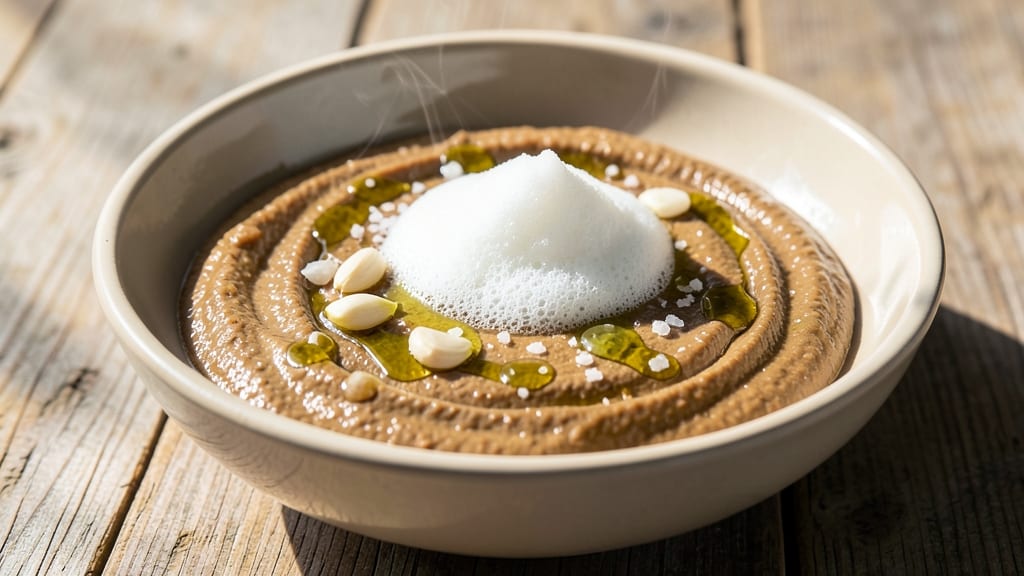
This bean-free hummus recipe delivers the same creamy, nutty richness without a single chickpea in sight. 💛 The secret lies in tahini—its natural fat and protein create that signature velvety texture while adding a toasty depth that traditional hummus simply can't match.
I developed this version after realizing how many people avoid chickpeas due to digestive sensitivity, and it's become my go-to for parties, dips, and sandwich spreads.
The base is built on high-quality tahini, blended with lemon juice for brightness and garlic for punch. Olive oil adds richness while keeping the texture perfectly smooth—no graininess here. For extra body, I use aquafaba (chickpea brine) or mashed white beans, which replicate the natural creaminess without the beans themselves.
This version is naturally vegan, gluten-free, and packed with plant-based protein.
What you'll end up with is a hummus that's just as creamy and flavorful as the classic, but with a nutty, tahini-forward profile that stands out.
The balance of lemon, garlic, and olive oil creates layers of taste that make this perfect for dipping, spreading, or even as a sandwich filling. It stays fresh in the fridge for up to five days, making it ideal for meal prep.
For texture variations, you can leave it smooth or add roasted garlic or sun-dried tomatoes for chunks. The key is letting it rest for 30 minutes before serving—this allows all the flavors to meld together perfectly. Trust me, this bean-free version will convert even the biggest hummus purists.
Ingredients for bean free hummus
Tahini, lemon, and garlic create this creamy, nutty hummus without a single bean in sight.
| Ingredient | Amount | Notes |
|---|---|---|
| Tahini 🥜 | 1 cup | High-quality, sesame paste |
| Extra-Virgin Olive Oil 🫒 | ½ cup | Light or fruity variety |
| Lemon Juice 🍋 | 3 tbsp | Freshly squeezed |
| Garlic Cloves 🧄 | 3 cloves | Fresh, minced |
| Aquafaba 🥫 | ½ cup | Chickpea brine, or white bean purée |
| Sea Salt 🧂 | 1 tsp | Fine grain preferred |
| Ground Cumin 🌿 | ½ tsp | Toasted for depth |
| Paprika 🌶️ | ½ tsp | Smoked or sweet |
| Water 💧 | 2 tbsp | Adjust for consistency |
The tahini is the star here—look for high-quality, sesame-forward brands like Soom or Al-Yaman at specialty stores or the bulk section. If you can't find those, any good tahini works, but avoid the watered-down versions with added oils. Fresh garlic and lemon are non-negotiable for that bright, punchy flavor. I grab mine from the produce section at Whole Foods or my local farmers' market. For the aquafaba, if you can't find chickpea brine, white beans puréed with a splash of water works just as well—it keeps the creaminess without the beans.
No tahini? Cashew butter or almond butter can stand in, though the flavor will be slightly different. Short on aquafaba? Mashed avocado or silken tofu adds body, but you'll need to adjust the water for smoothness. The smoked paprika adds depth, but if you're out, regular paprika plus a pinch of liquid smoke works in a pinch. For extra richness, add a splash of tahini-infused olive oil—just blend a little extra tahini with some olive oil and stir it in at the end. The key is balance: start with the base measurements, then tweak the water to get that perfect spreadable consistency.
This hummus keeps beautifully in the fridge for 5 days—just store it in an airtight container with a layer of olive oil on top to preserve freshness. For longer storage, freeze it for up to 3 months, though the texture may change slightly. I like to portion it into small jars for easy dipping or spreading. If it thickens overnight, just stir in a splash of water or lemon juice to loosen it up. The flavors actually improve after resting, so making it ahead is a great idea.
Why You'll Love This Recipe
- I’ll be real: I’ve made a big batch and had it last a week. The lemon keeps it bright, and the olive oil adds that silky finish that doesn’t go stale. Plus, it’s way cheaper than store-bought hummus—tahini and aquafaba are pantry staples if you’re already cooking beans. Win-win for my wallet and my taste buds.
- No Blender Hassle: I’ll admit, the first time I made this, I was skeptical—no beans? But blending tahini, aquafaba, and a splash of lemon actually takes less effort than traditional hummus. The aquafaba (yes, chickpea water) whips up smooth with zero grittiness, and you’re done in minutes. No soaking, no straining, just pure, creamy magic.
- Tahini’s Rich Kick: Honestly, the tahini steals the show here. That deep, nutty flavor from the sesame paste makes this hummus taste like it’s been simmering for hours—even though it’s just a quick whisk. Add a drizzle of extra-virgin olive oil, and you’ve got something that’s ridiculously satisfying, not just another dip.
- Game for Any Meal: Between us, this stuff is my secret weapon for lazy Sundays or last-minute gatherings. Spread it on toast with smoked salmon, smear it on veggie wraps, or just eat it straight with pita—it’s that versatile. And because it’s vegan, gluten-free, and packed with protein, it’s the one dip that everyone can enjoy without fuss.
Step-by-step instructions for bean-free tahini hummus
Here's how to blend these simple ingredients into a velvety, nutty hummus that rivals chickpea versions.
👨🍳 Step 1: Whisk Tahini and Olive Oil Until Smooth
In a medium bowl, combine the 1 cup tahini and 0.5 cup extra-virgin olive oil. Whisk vigorously for 3-4 minutes until the mixture becomes completely smooth and free of any graininess. You're breaking down the tahini's natural oils to create that signature creamy texture.
Here's the thing—tahini can be thick, so don't rush this step. I like to use a hand mixer for this part because it gets those oils incorporated faster. The mixture should look like a thick, pale yellow paste with no visible streaks of tahini remaining.
🍳 Step 2: Add Lemon, Garlic, and Spices
While whisking continuously, gradually add the 3 tbsp lemon juice, 3 minced garlic cloves, 0.5 tsp ground cumin, and 0.5 tsp paprika. Keep whisking for another 2 minutes until everything is fully incorporated and the color becomes a vibrant golden yellow.
The lemon juice is where the magic happens—it brightens the tahini's richness and balances the earthy garlic. You'll notice the mixture will thin out slightly as you add these ingredients, but don't worry. We're about to thicken it back up with the aquafaba.
🍳 Step 3: Incorporate Aquafaba for Lightness
Add the 0.5 cup aquafaba and 1 tsp sea salt to the bowl. Using a hand mixer or immersion blender, blend on medium-high speed for 2-3 minutes until the mixture becomes noticeably lighter and airier. You're looking for a texture similar to traditional hummus—smooth but with just enough body to hold its shape.
This is where aquafaba shines as the perfect chickpea substitute. It adds structure without the bean flavor while creating that signature hummus lightness. If the mixture seems too thick after blending, add the 2 tbsp water one tablespoon at a time until you reach your desired consistency.
⏰ Step 4: Adjust Consistency and Flavor
Taste your hummus and adjust the seasoning if needed. For more brightness, add a little more lemon juice. For more depth, add a pinch of cumin or paprika. The hummus should be creamy but still hold its shape when spread—think of it like thick, rich yogurt rather than runny sauce.
Let the hummus rest at room temperature for 15-20 minutes before serving. This resting time allows all the flavors to meld together beautifully. The tahini will continue to soften slightly, making each bite even creamier. Store any leftovers in an airtight container in the refrigerator for up to 5 days.
Pro Tips For Making Bean Free Hummus
- BLEND IN STAGES: Start with the tahini and aquafaba—just these two—until smooth. Dumping everything at once can turn your blender into a science experiment. I learned this after watching my first batch seize up like a stubborn mule.
- USE ROASTED GARLIC: Skip raw garlic if you’re sensitive to its bite. Roast 2-3 whole cloves at 400°F (200°C) for 20 minutes until soft, then peel and blend in. The flavor’s deeper, and your hummus won’t taste like you’re eating garlic medicine.
- STOP WHEN IT’S THICK: Over-blending turns aquafaba into glue. Pull the hummus out when it’s still slightly loose—it’ll thicken as it sits. I used to force it, ending up with a paste that clung to the blender like tar.
- SALT THE AQUAFABA: Mix a pinch of salt into the aquafaba before blending. It mimics bean saltiness and balances the tahini’s richness. I skipped this once and ended up chasing flavor with extra lemon—don’t be that person.
Essential equipment for bean free hummus
Blender Essentials
For the smoothest texture, I recommend using a high-speed blender like the Ninja BN601 or Vitamix 5200. These powerhouses handle the tahini's thickness beautifully, creating that signature creamy consistency without overheating.
If you're using a regular blender, start on low speed to prevent splattering from the tahini's natural oils. 💫
Whisk or Mixer
A hand mixer or stand mixer works perfectly for the initial tahini and olive oil combination. I prefer my KitchenAid KSM150PS for this step because it gets those oils fully emulsified in just a few minutes.
If you don't have one, a sturdy whisk will work—just be prepared to put in some elbow grease to break down the tahini completely.
Measuring Tools
Precision matters with tahini-based hummus. Use a liquid measuring cup for the tahini and olive oil to ensure accurate ratios, and a small kitchen scale if you're really serious about consistency.
For spices, a spice scoop or measuring spoon set keeps things balanced. I keep my OXO Good Grips set handy for all these measurements—they're durable and accurate.
Storage Containers
For freshness, transfer your hummus to glass airtight containers like Le Parfait or Mason jars. These preserve flavor better than plastic and prevent oxidation.
I like to portion mine into small jars for easy dipping—just press plastic wrap directly on the surface before sealing to prevent a skin from forming. For longer storage, freezer-safe silicone molds work well too.
Optional Extras
Want to elevate your hummus? A garlic press makes mincing those cloves effortless, and a microplane is perfect for fresh lemon zest if you want to add brightness. For texture variations, keep roasted garlic cloves or sun-dried tomatoes on hand—just chop them coarsely before adding to the final blend.
A small offset spatula helps with scraping and mixing any thick spots that form during blending.
Nutrition facts
Frequently asked questions
Why does this bean-free hummus taste different from traditional hummus?
The tahini base gives it a richer, nuttier flavor instead of chickpeas' earthy taste. The aquafaba or white bean purée adds creaminess without bean flavor, while lemon and garlic keep it bright and punchy. Think of it as a tahini-forward cousin with a velvety texture. The key is balancing the tahini's richness with the acidity of lemon juice.
Can I make this hummus without aquafaba?
Yes! Substitute with 0.5 cup mashed white beans (like cannellini) or 0.5 cup silken tofu for creaminess. For a lighter option, try 0.5 cup mashed avocado, but you may need 1 extra tbsp lemon juice to balance the flavors. The texture will be slightly different but still delicious.
How do I fix hummus that's too thick or too thin?
For thick hummus, stir in 1 tbsp water or lemon juice at a time until smooth. If it's too thin, blend in 1 tsp tahini or olive oil to thicken. The goal is a spreadable consistency—like thick yogurt. Always adjust gradually to avoid overcorrecting.
Is this hummus safe for people with nut allergies?
Only if they're allergic to sesame (tahini is made from sesame seeds). Otherwise, this recipe is nut-free! For extra caution, use a dedicated blender and utensils if cross-contamination is a concern. Always check tahini labels for processing warnings.
Can I use this hummus as a sandwich spread?
Its creamy texture works perfectly for sandwiches, wraps, or even as a dip. For extra hold, chill it for 30 minutes before spreading. Try it with grilled chicken, falafel, or veggie wraps. The tahini base adds richness that pairs beautifully with fresh veggies.