
Main Courses
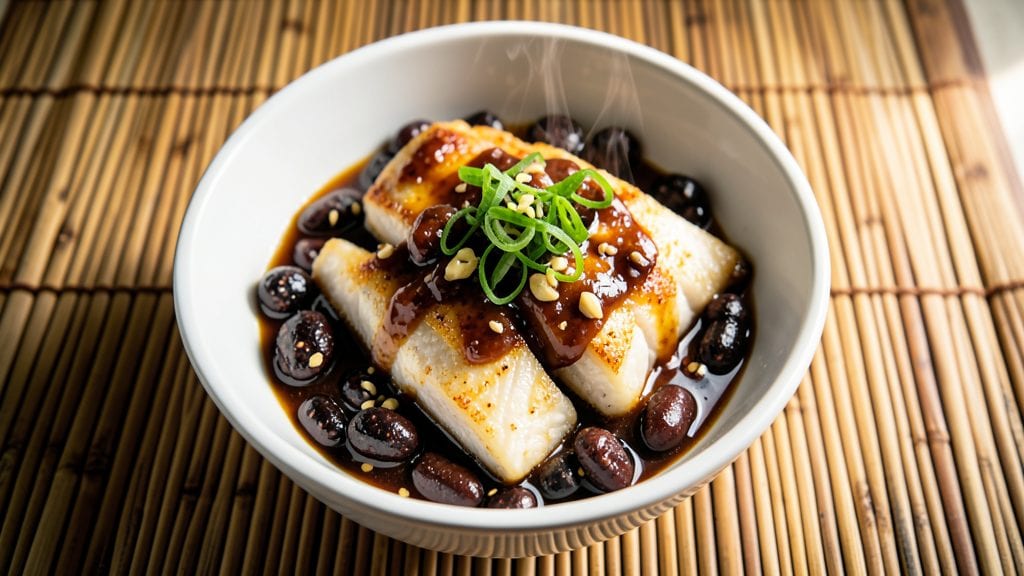
Fermented black bean fish delivers a bold explosion of umami and tangy crunch that transforms simple ingredients into a restaurant-worthy dish. This recipe draws from Southeast Asian traditions where fermented black beans—packed with deep, funky flavors—marinate fish until it absorbs their complex character.
The process is simple but transformative: just 30 minutes of marinating at room temperature unlocks layers of flavor that no store-bought sauce can match.
The magic happens in the preparation: firm white fish like cod or snapper stays tender while the fermented black beans create a sticky, aromatic crust that caramelizes beautifully when pan-seared. This dish is naturally gluten-free and soy-free, making it adaptable to dietary needs without sacrificing depth.
The tangy crunch from the beans contrasts perfectly with the fish's delicate texture, creating a balance that's both surprising and satisfying.
Serve this dish over steamed jasmine rice to soak up every last bit of that umami-rich sauce, or pair it with a simple side of blistered green beans and a drizzle of chili oil for added heat.
The plating is effortless yet striking: a golden fish fillet topped with glistening black bean bits and a sprinkle of fresh cilantro. This recipe proves that fermented ingredients don't have to be intimidating—they're the secret weapon to elevating weeknight dinners.
For those new to fermented black beans, start with store-bought versions to test the flavor profile before attempting homemade fermentation. The key is patience—letting the marinade work its magic transforms ordinary fish into something extraordinary.
Once you try it, you'll never go back to plain old baked or grilled fish again.
Ingredients for fermented black bean fish
A fusion of umami and tangy crunch transforms simple seafood into restaurant-quality brilliance.
| Ingredient | Amount | Notes |
|---|---|---|
| Firm White Fish Fillets 🐟 | 1 ½ lb | Cod or snapper, skinless |
| Fermented Black Beans 🫘 | ½ cup | Store-bought or homemade |
| Dark Soy Sauce 🍶 | 2 tbsp | For depth of flavor |
| Sesame Oil 🫒 | 1 tbsp | Toasted for aroma |
| Fresh Ginger 🧅 | 1 tbsp | Finely grated, aromatic |
| Garlic Cloves 🧄 | 4 cloves | Minced, aromatic base |
| Green Onions 🧅 | 3 whole | Thinly sliced, garnish |
| Fresh Cilantro 🌿 | ¼ cup | Chopped, bright finish |
| Neutral Oil 🫒 | 2 tbsp | Avocado or vegetable |
| Brown Sugar 🍚 | 1 tbsp | Balances tanginess |
| White Pepper 🌶️ | ¼ tsp | Freshly ground |
| Jasmine Rice 🌾 | 1 ½ cups | Uncooked, for serving |
| Chili Oil 🌶️ | 1 tbsp | Optional, for heat |
The fermented black beans are the heart of this dish—look for them in the Asian foods aisle at Whole Foods or Trader Joe's, where they're typically sold in jars or vacuum-sealed packages. If using homemade, ensure they've fermented for at least 3 days to develop proper funk. The fish should be firm and fresh, with no fishy odor; snapper or cod are ideal for their delicate texture. Fresh ginger and garlic should be brightly colored and firm, with no soft spots or mold. For the soy sauce, Lee Kum Kee brand delivers consistent quality, though any dark soy will work. Toast your sesame oil gently in a dry pan for 30 seconds before using to enhance its aroma.
No fermented black beans? Substitute with a mix of black soybeans and a splash of fish sauce, though the flavor won't be identical. Short on sesame oil? Toasted peanut oil works equally well. The brown sugar can be swapped for coconut sugar for a more complex flavor. If you're avoiding gluten, ensure your soy sauce is certified gluten-free. For the rice, jasmine rice is non-negotiable—its floral notes complement the dish perfectly. The chili oil is optional but adds a spicy kick that balances the richness. If you can't find it, mix 1 tbsp neutral oil with 1 tsp chili flakes as a substitute.
Store the fermented black beans in their original container in the refrigerator once opened, where they'll keep for up to 6 months. Fresh ginger lasts 2 weeks in the fridge wrapped in a damp towel, while garlic keeps for 3 months in a cool, dark place. The fish should be used within 2 days of purchase. This dish reheats beautifully—simply warm in a non-stick pan over medium heat with a splash of water to steam. The rice can be cooked in advance and reheated with a spritz of water to restore moisture. Portion the chili oil into small containers to preserve its potency.
Why You'll Love This Recipe
- No-Panics Pan-Seared: I’ve got a fish dish that doesn’t require me to stand over a hot stove for hours—just a quick sear, a splash of sesame oil, and those fermented black beans doing all the heavy lifting. The fish fillets take less than 10 minutes to cook, while the beans soak up the dark soy sauce’s umami punch like a sponge, cutting down on my cleanup to just one spatula.
- Umami Bomb: That fermented black bean? It’s the secret weapon here. The funky, salty-sweet tang pairs perfectly with the fish’s delicate texture—like a spicy handshake with your taste buds. Between the ginger’s zing and the dark soy’s depth, every bite feels like a little flavor party.
- Leftover Magic: Honestly, this is the kind of dish that improves the next day. I’ll toss leftovers into a bowl with rice and a fried egg—suddenly, it’s a whole new meal. Or freeze portions for when I’m too tired to cook. The beans keep their texture, the fish stays tender, and I’m not stuck eating sad, soggy leftovers.
- Budget-Friendly Feast: Between the fermented black beans (cheaper than shrimp) and the fish fillets (way more affordable than scallops), this dish stretches my grocery budget without sacrificing flavor. Plus, a single pan means I’m not buying extra dishes or wasting energy. Win-win for my wallet and my patience.
Step-by-step instructions for fermented black bean fish
Here's the method for balancing rich umami with bright tang—each step designed to preserve texture while building complex flavor.
Prepare the Fermented Black Bean Marinade
In a small mixing bowl, combine the ½ cup fermented black beans, 2 tablespoons dark soy sauce, 1 tablespoon toasted sesame oil, 1 tablespoon finely grated fresh ginger, and 4 minced garlic cloves. Mash the beans slightly with a fork to create a coarse paste—this releases their fermented depth while retaining some texture for contrast.
Add the 1 tablespoon brown sugar and ¼ teaspoon freshly ground white pepper, then stir until fully integrated. The marinade should be thick but pourable, with visible bean fragments. Let it sit at room temperature for 10 minutes to allow the flavors to meld. This step is where the umami foundation forms—don't skip the resting time, as it enhances the sauce's complexity.
Create the Pan Sauce and Cook the Fish
Heat 2 tablespoons neutral oil in a large skillet over medium-high heat until shimmering. Add the fish fillets, skin-side down if present, and cook undisturbed for 2-3 minutes until the bottoms develop a golden crust. Flip carefully and cook another 1-2 minutes until the fish reaches 145°F internally—it should flake easily when tested with a fork.
Remove the fish to a warm plate and set aside. Immediately reduce the heat to medium, then add the prepared black bean marinade to the same skillet. Let it simmer for 3-4 minutes until slightly thickened, stirring occasionally to prevent sticking. The sauce should coat the back of a spoon and maintain its vibrant color. This residual heat in the pan ensures maximum flavor transfer to the fish.
Finish the Dish and Assemble
Return the fish to the skillet and spoon the black bean sauce evenly over each fillet. Drizzle with 1 tablespoon chili oil and let everything heat through for 30 seconds—just enough to warm the sauce without overcooking the delicate fish. The chili oil adds a subtle heat that cuts through the richness of the fermented beans.
Garnish immediately with 3 thinly sliced green onions and ¼ cup chopped fresh cilantro. Serve the fish directly over 1½ cups cooked jasmine rice, allowing the aromatic grains to absorb any residual sauce. The contrast between the tender fish, crunchy bean fragments, and fragrant rice creates the perfect balance of textures and flavors.
Pro Tips For Making Fermented Black Bean Fish
- Mash Those Beans: Don’t just chop the fermented black beans—give them a good fork mash while keeping some texture. This releases their funky umami punch without turning the sauce into mush. I learned this the hard way when my first batch tasted flat because I skipped it.
- Don’t Rush the Marinade: Let that black bean mix sit for the full 10 minutes before cooking. The flavors need time to marry—skipping this means your sauce will taste like a sad, unbalanced mess. (Yes, even if you’re impatient like me.)
- Medium-High Heat Only: The fish needs that golden crust, but medium-high is the sweet spot—any hotter, and you’ll end up with dry, overcooked fillets. Test with a fork at 145°F, or you’ll regret it when the fish falls apart.
- Save the Pan Juices: After removing the fish, don’t scrape the skillet clean—those browned bits are flavor gold. Let them bloom with the marinade for 3-4 minutes, stirring occasionally. This is where the sauce gets its depth, not from some magic ingredient.
Regional styles of this recipe
Sichuan-Inspired Spicy Version
Inspired by Sichuan cuisine, I add 1 tsp Sichuan peppercorn powder to the marinade for its signature numbing-spicy kick. The fermented black beans create a tangy base, while the peppercorns add that signature "ma la" (numbing-spicy) sensation.
I also include 1 tbsp doubanjiang (chili bean paste) in the pan sauce to deepen the umami and heat. This version is perfect for those who love bold flavors and a little extra challenge. 🌶️
Vietnamese-Inspired Fresh Herbs
For a Vietnamese twist, I replace the cilantro garnish with thinly sliced mint and Thai basil, creating a bright, fresh contrast to the rich fermented beans. I also add 1 tbsp lime zest to the marinade and finish the dish with a squeeze of fresh lime juice.
This version feels lighter and more vibrant, balancing the deep umami with zesty brightness. The herbs also add a fragrant aroma that's unmistakably Southeast Asian.
Thai-Inspired Coconut Milk
Inspired by Thai flavors, I stir ½ cup coconut milk into the pan sauce after simmering the black bean marinade. This creates a creamy, slightly sweet contrast to the tangy beans and rich fish.
I also add 1 tbsp fish sauce and 1 tsp palm sugar to the marinade for an authentic Thai depth. The result is a dish that's both rich and refreshing, with a velvety sauce that coats the fish beautifully.
This version is perfect for those who love the balance of sweet, salty, and umami flavors.
Chinese-Inspired Scallion Oil
For a Chinese-inspired finish, I drizzle 1 tbsp scallion oil over the fish just before serving. This oil is made by frying thinly sliced scallions in neutral oil until golden and crispy, then straining out the scallions. The oil adds a nutty, aromatic crunch that elevates the dish.
I also reduce the chili oil to ½ tbsp to let the scallion oil shine. This version feels more delicate and aromatic, with layers of texture and flavor that are quintessentially Chinese. 💛
Korean-Inspired Gochujang Glaze
Inspired by Korean flavors, I replace the chili oil with 1 tbsp gochujang (Korean chili paste) mixed into the pan sauce. I also add 1 tsp gochugaru (Korean red pepper flakes) to the marinade for a deeper, spicier kick.
The gochujang adds a sweet and tangy depth that pairs beautifully with the fermented black beans. I finish the dish with a sprinkle of sesame seeds for extra crunch. This version is bold, spicy, and full of Korean-inspired complexity.
Nutrition facts
Frequently asked questions
How do I know if my fermented black beans are ready to use?
The beans should have a strong, pungent aroma with visible fermentation bubbles on the surface. If they smell overly sour or have mold, discard them. Store-bought beans typically work perfectly straight from the jar—no need to rinse or adjust. The 10-minute rest of the marinade is what unlocks their full flavor, so don't skip this step!
Can I use a different fish for this recipe?
While cod or snapper work best for their delicate texture, you can substitute with flounder or tilapia. Avoid firm white fish like mahi-mahi, as they may overpower the tangy black bean flavor. Keep cooking time to 1-2 minutes per side to prevent drying out the fish.
What if I don’t have chili oil?
Mix 1 tablespoon neutral oil with 1 teaspoon chili flakes for a quick substitute. For extra depth, add ½ teaspoon fish sauce to the marinade. The dish will still be delicious, just with a milder heat profile. The 1 tbsp chili oil adds that signature kick, but this works in a pinch!
Can I make this dish ahead of time?
Yes! Cook the fish and sauce ahead, then reheat gently in a skillet with 1 teaspoon water to prevent drying. Store in an airtight container for up to 2 days. The rice should be cooked fresh to maintain its fluffy texture. The flavors actually improve after resting overnight!
Why does my sauce turn out thin?
Simmer the black bean marinade for 3-4 minutes until it thickens enough to coat the back of a spoon. If it's still too thin, reduce it over low heat for another minute. Avoid over-stirring, as this can break down the beans' texture. The sauce should cling to the fish like a glaze.