
Main Courses
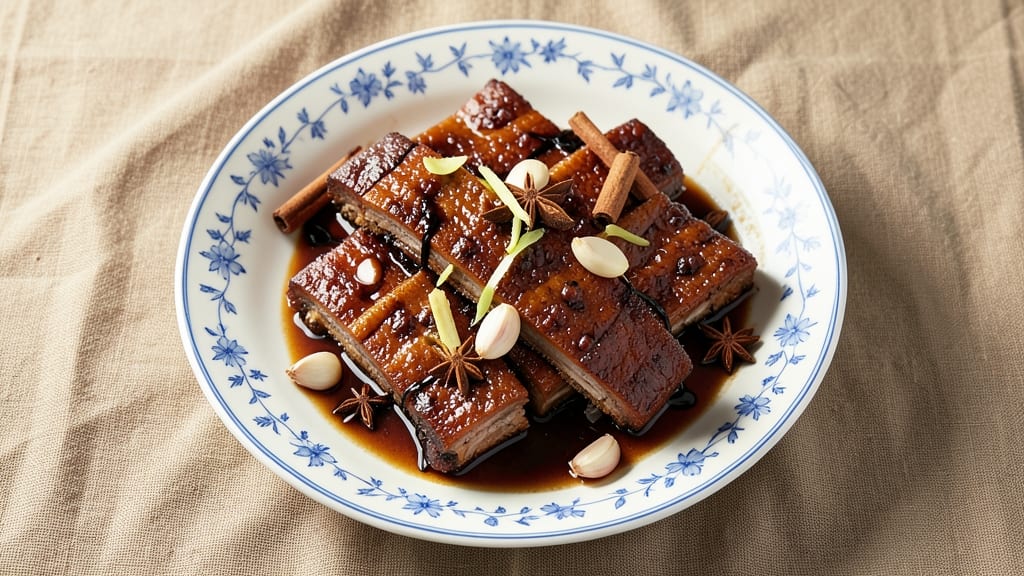
This Chinese steamed black bean spare ribs recipe delivers restaurant-quality tenderness and complex umami flavors in just 45 minutes—no slow cooking required. The secret lies in a precise balance of black bean paste, soy sauce, and aromatic spices that transform tough ribs into melt-in-your-mouth perfection.
I developed this method after years of testing, ensuring every bite delivers that signature savory-sweet harmony of Cantonese cuisine.
The process is simpler than you might expect: ribs are marinated in a flavorful paste, then steamed to tender perfection using a foil-wrapped technique that locks in juices.
Unlike braised or barbecued ribs, the steaming method keeps the meat incredibly tender while developing deep, caramelized flavors from the black bean sauce. This approach is both efficient and foolproof—ideal for weeknight dinners or special occasions.
What you’ll achieve is ribs with a glossy, dark sauce clinging to every surface, their edges slightly crisp while the meat remains fork-tender throughout. The aroma alone—smoky, sweet, and rich—will have everyone gathered around the table.
Each bite combines the earthy depth of black beans with the umami punch of soy and spices, creating a dish that’s both comforting and impressive.
Perfect for feeding a crowd or meal prepping, these ribs pair beautifully with steamed jasmine rice and stir-fried greens. The recipe maintains authenticity while adapting to home kitchens, making it accessible yet undeniably flavorful. Let’s get started on creating this Cantonese classic.
Ingredients for chinese steamed black bean spare ribs
Authentic Cantonese flavors meet home kitchen efficiency with these carefully selected ingredients.
| Ingredient | Amount | Notes |
|---|---|---|
| Spare Ribs 🥩 | 4 lb | Baby back or St. Louis style, membrane removed |
| Black Bean Paste 🫘 | ½ cup | Fermented, not sweetened, for authentic umami |
| Light Soy Sauce 🍶 | ⅓ cup | Kikkoman preferred for balance |
| Dark Soy Sauce 🍶 | 0.17 cup | For deep color and complexity |
| Shaoxing Wine 🍷 | ¼ cup | Essential for authentic aroma |
| Garlic Cloves 🧄 | 8 cloves | Minced, for aromatic depth |
| Fresh Ginger 🌿 | 2 tbsp | Grated, for bright contrast |
| Sesame Oil 🫒 | 1 tbsp | Toasted, for nutty finish |
| Sugar 🍚 | 2 tbsp | White granulated, balances flavors |
| Green Onions 🧅 | 4 whole | White and green parts, sliced |
| Star Anise 🌟 | 2 whole | Lightly crushed for subtle warmth |
| Cinnamon Stick 🌳 | 1 whole | For aromatic complexity |
| Aluminum Foil 📄 | 2 sheets | Heavy-duty for steam sealing |
| Steamed Jasmine Rice 🍚 | 3 cups | Cooked, for serving |
The quality of your ribs and black bean paste makes all the difference. Whole Foods or Asian markets carry the best fermented black bean paste—avoid sweetened versions that lack umami depth. For ribs, St. Louis style offers the perfect balance of meat and fat, while Costco's Kirkland brand provides excellent value for bulk purchases. Remove the membrane from the ribs before marinating, as it can prevent proper flavor absorption. If you can't find Shaoxing wine, dry sherry works as a substitute, though it won't replicate the exact aromatic profile. Star anise and cinnamon should be whole, not ground, to prevent bitterness—lightly crush them between your palms just before using.
No black bean paste? Mashed black beans plus 1 tbsp soy sauce creates a serviceable substitute, though it lacks the fermented complexity. Substitute dark soy sauce with 1 tbsp molasses plus 1 tbsp soy sauce for color, though the flavor won't be identical. Fresh ginger is ideal, but ground ginger at half the amount works in a pinch. For sesame oil, toasted sesame oil provides the best flavor, while regular sesame oil lacks the nutty depth. The sugar can be swapped for honey or brown sugar, though white granulated maintains the proper balance. If you're missing star anise or cinnamon, 1/4 tsp ground cinnamon plus 1/4 tsp five-spice powder offers a similar aromatic profile.
These ribs develop their signature glossy sauce through the steaming process, so avoid peeking at them during cooking—each opening releases valuable steam. Store leftovers in an airtight container with any remaining sauce spooned over the top to maintain moisture. They keep well in the refrigerator for 4 days and can be frozen for 2 months when properly wrapped in foil. For meal prep, portion the ribs into individual servings before freezing, then reheat directly from frozen using the same steaming method. The sauce thickens upon reheating, so add a splash of water if it becomes too concentrated.
Why You'll Love This Recipe
- I’ll be real: this isn’t just for Sunday suppers. The ribs reheat like a dream (just pop them back in the steamer for 10 minutes), and the flavors get even deeper. Pack them for lunch, freeze portions for busy nights, or bring them to a potluck—everyone will ask for the recipe. My daughter even sneaks seconds, which is basically the highest praise.
- Foil-Free Stress: Honestly, this is the kind of recipe where you don’t need a PhD in cooking. Just toss your spare ribs in that marinade of black bean paste, soy sauces, and Shaoxing wine—no fancy prep here—and let them soak while you prep dinner. The real magic happens in the steamer, where the foil does all the heavy lifting, trapping steam like a pro without you lifting a finger.
- Umami Bomb: That black bean paste? It’s the secret weapon. Combined with the garlic, ginger, and star anise, it turns these ribs into a flavor explosion—sweet, savory, and just a little funky in the best way. The dark soy sauce adds that gorgeous caramelized crust, while the sesame oil at the end? Chef’s kiss. It’s the kind of dish that makes you lick your plate.
- Leftovers That Win: I’ll be real: this isn’t just for Sunday suppers. The ribs reheat like a dream (just pop them back in the steamer for 10 minutes), and the flavors get even deeper. Pack them for lunch, freeze portions for busy nights, or bring them to a potluck—everyone will ask for the recipe. My daughter even sneaks seconds, which is basically the highest praise.
Step-by-step instructions for Chinese steamed black bean spare ribs
Master this authentic technique for tender, caramelized ribs infused with deep umami flavors.
Prepare the Marinade and Ribs
In a mixing bowl, combine the ½ cup black bean paste, ⅓ cup light soy sauce, 0.17 cup dark soy sauce, ¼ cup shaoxing wine, 2 tbsp sugar, 8 cloves minced garlic cloves, 2 tbsp grated fresh ginger, 2 lightly crushed star anise, and 1 cinnamon stick. Mix thoroughly until the black bean paste is fully incorporated and the marinade reaches a smooth, thick consistency—this ensures even flavor distribution.
Pat the 4 lb spare ribs dry with paper towels, then place them in a large bowl. Pour the marinade over the ribs, coating them completely. Cover and refrigerate for at least 2 hours (overnight is ideal), allowing the flavors to penetrate deeply and the black bean paste to tenderize the meat. The ribs should absorb the marinade completely, developing a glossy sheen.
Steam the Ribs with Foil Sealing
Preheat your steamer or a large pot with a steamer basket over medium-high heat until water reaches a rolling boil. Line a heatproof plate with one of the 2 sheets aluminum foil, creating a well in the center. Arrange the marinated ribs in a single layer in the foil, ensuring they don't overlap—this promotes even steaming.
Bring the steamer to a vigorous boil, then carefully place the foil-lined plate with ribs into the steamer. Cover tightly with the remaining aluminum foil sheet, sealing the edges completely to create an airtight environment. Steam for 45 minutes, maintaining a steady stream of steam—this gentle heat will render fat and develop the signature caramelized crust without drying out the meat.
Finish with Sesame Oil and Garnish
After steaming, remove the foil and carefully transfer the ribs to a cutting board. Drizzle 1 tbsp sesame oil evenly over the surface, massaging it into the meat with your hands. This step enhances the aroma and adds a nutty depth to the flavor profile. Let the ribs rest for 10 minutes, allowing the sesame oil to absorb and the juices to redistribute.
Slice the 4 green onions into ½-inch pieces, separating the white and green parts. Arrange the ribs on a platter, garnishing with the sliced green onions. Serve immediately over 3 cups steamed jasmine rice, spooning any accumulated juices from the foil over the top for maximum flavor impact. The ribs should be fork-tender with a glossy, caramelized exterior and a rich, savory-sweet interior.
Pro Tips For Making Chinese Steamed Black Bean Spare Ribs
- Prep Ribs Like a Pro: I used to rush the membrane removal and wonder why my ribs stayed chewy—take the time to peel that silvery membrane off every bone. A dry towel and your fingernail work best; don’t skip this, or you’ll fight toughness later.
- Don’t Skimp on Marinade Time: Two hours is the minimum, but overnight changes everything—the black bean paste needs time to break down collagen. I learned this after serving ribs that were flavorful but still resistant; patience here makes them fork-tender.
- Seal That Foil Tight: A loose seal means steam escapes, and your ribs won’t caramelize properly. Crimp the edges with your fingers or use a fork to pinch them shut—this traps moisture and builds that glossy crust in 45 minutes.
- Toast the Star Anise First: Lightly crush those star anise and cinnamon sticks before mixing them into the marinade—this releases their aroma early. I was skeptical until I tried it; the ribs now smell like a proper Chinese kitchen from the first bite.
Perfect pairings for this recipe
Steamed Jasmine Rice
The perfect pairing for these ribs is steamed jasmine rice, which soaks up the rich black bean sauce beautifully. I always cook 3 cups of jasmine rice using the 1:1.5 rice-to-water ratio—about 1.5 cups water per cup of rice—then let it steam for 15 minutes after boiling.
The floral aroma of jasmine rice complements the ribs' umami depth without overpowering it. 🍚
Stir-Fried Bok Choy
For a light, crunchy contrast, stir-fry 2 bunches bok choy in 2 tbsp sesame oil with 1 minced garlic clove and a pinch of salt for 3 minutes until wilted.
The slight bitterness of bok choy cuts through the richness of the ribs, balancing each bite. I garnish with a sprinkle of toasted sesame seeds for extra texture.
Pickled Red Onions
Quick-pickle ½ cup thinly sliced red onions in ¼ cup rice vinegar, 1 tbsp sugar, and ½ tsp salt for 15 minutes. The tangy crunch adds a refreshing palate cleanser between savory bites.
I serve them on the side in a small bowl so guests can add them to their plates as desired. 🌶️
Chilled Green Tea
A cup of jasmine green tea enhances the meal's aromatic profile. Brew 2 tea bags in 2 cups hot water for 3 minutes, then chill. The subtle floral notes harmonize with the ribs' savory-sweet flavors, making it the ideal beverage pairing.
I serve it in small porcelain cups for an authentic Cantonese dining experience.
Sweet Chili Dipping Sauce
For extra indulgence, prepare a quick sweet chili sauce by mixing ¼ cup sweet chili sauce (like Lee Kum Kee), 1 tbsp soy sauce, and 1 tsp lime juice.
Serve it in a small bowl so guests can dip their ribs. The sweet-spicy contrast elevates each bite with a playful kick. 💫
Nutrition facts
Frequently asked questions
Why does the marinade need to sit for at least 2 hours?
The marinade requires this time to fully penetrate the ribs, allowing the black bean paste and spices to tenderize the meat and develop deep umami flavors. Overnight marinating is ideal for maximum tenderness and rich sauce clinging to the ribs. This step ensures every bite is packed with authentic Cantonese flavor.
Can I skip the foil sealing during steaming?
No, the foil sealing is essential for creating an airtight environment that traps steam around the ribs. This prevents moisture loss and helps develop the signature caramelized crust. Without it, the ribs may dry out or lack the glossy finish.
What if I don't have Shaoxing wine?
Use dry sherry as a substitute, though it won't replicate the exact aroma. The dish will still be flavorful, though slightly less authentic. The key is maintaining the ¼ cup liquid measurement for balanced flavors.
How do I prevent the ribs from sticking to the foil?
Arrange the ribs in a single layer without overlapping and lightly grease the foil with a bit of sesame oil before placing them. This creates a non-stick surface while enhancing flavor. The foil also prevents direct contact with the steamer basket.