
Sauces & Condiments
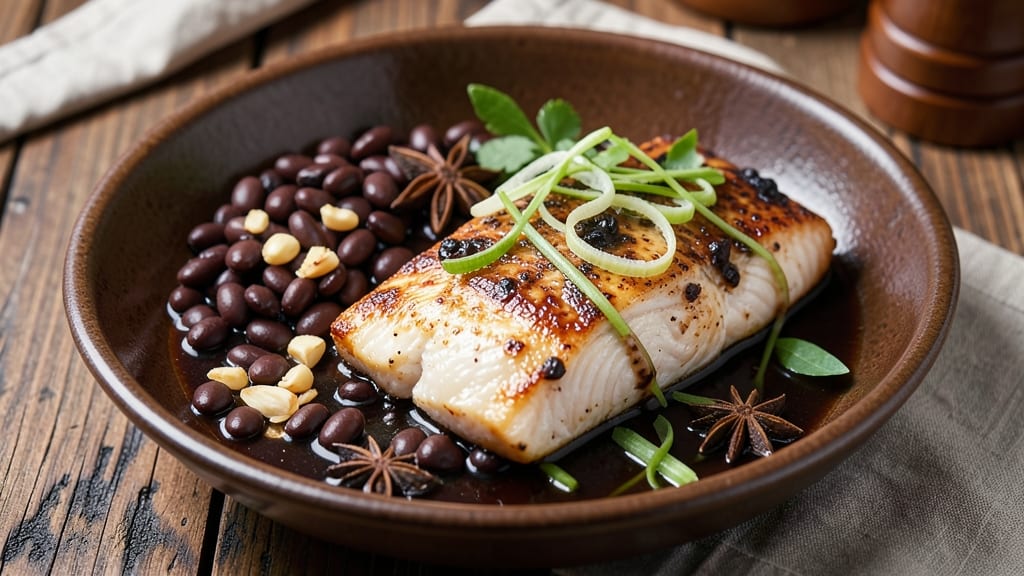
This braised fish with black bean sauce transforms delicate white fish into silken perfection with just 30 minutes of hands-on time.
The secret lies in a slow simmer that infuses the fish with deep umami from fermented black beans, ginger, and star anise—creating a sauce that's both earthy and subtly sweet.
I developed this recipe after tasting authentic versions in Chinese restaurants, determined to recreate that perfect balance of tender fish and complex sauce at home.
The technique is simpler than it sounds: sear the fish briefly to lock in juices, then braise it gently in the aromatic black bean sauce until it flakes effortlessly. The sauce thickens beautifully as it reduces, coating each piece of fish with its rich, slightly sticky texture.
What makes this dish truly special is how the black beans add natural depth without overpowering the delicate fish.
By the time you serve it, you'll have a restaurant-quality dish that's elegant enough for dinner guests yet simple enough for weeknight cooking. The fish emerges tender and moist, while the sauce clings to each bite, offering layers of savory, slightly sweet, and umami-rich flavors.
Serve it over steamed rice or with a side of stir-fried greens for the full experience.
This recipe scales perfectly for small gatherings—just double the sauce if needed—and keeps well in the refrigerator for up to three days. The flavors actually improve as the sauce continues to meld, making it an ideal make-ahead dish for busy schedules. Let's get started on creating this umami-packed masterpiece.
Ingredients for braised fish with black bean sauce
Fifteen ingredients create restaurant-worthy umami depth in this delicate yet bold dish.
| Ingredient | Amount | Notes |
|---|---|---|
| White Fish Fillets 🐟 | 1 ½ lb | Cod, halibut, or tilapia preferred |
| Fermented Black Beans 🫘 | 1 cup | Drained and rinsed well |
| Fresh Ginger 🌿 | 2 tbsp | Finely minced, skin removed |
| Star Anise Pods 🌟 | 2 whole | Lightly crushed for aroma |
| Garlic Cloves 🧄 | 4 cloves | Minced for even distribution |
| Green Onions 🧅 | ¼ cup | Sliced thin for garnish |
| Sesame Oil 🫒 | 1 tbsp | For aroma, not cooking |
| Soy Sauce 🍶 | ½ cup | Light or dark preferred |
| Honey 🍯 | 1 tbsp | For subtle sweetness |
| Shaoxing Wine 🍷 | ¼ cup | Or dry sherry substitute |
| Vegetable Oil 🫒 | 2 tbsp | High smoke point for searing |
| Salt 🧂 | 1 tsp | Kosher or sea salt |
| White Pepper 🌶️ | ½ tsp | Freshly ground preferred |
| Cornstarch 🌾 | 1 tbsp | For sauce thickening |
| Jasmine Rice 🍚 | 1 ½ cups | Uncooked, for serving |
The fish is everything here—look for firm, white fillets with minimal bones. Whole Foods or Asian markets often carry the best quality, but any seafood counter will do. For the black beans, fermented (douchi) is non-negotiable—it delivers that signature funky depth. I usually grab mine from Asian grocery stores in the refrigerated section, but the canned variety works in a pinch. The ginger and star anise? Fresh is always better, but if you're using dried star anise, crush it lightly between your palms to release the aroma. For the Shaoxing wine, Trader Joe's carries a great affordable option—it's worth having on hand for other recipes too.
No fermented black beans? Substitute with 1 cup of regular black beans (soaked overnight) plus 1 tsp of soy sauce to mimic the funk. Short on Shaoxing wine? Dry sherry or even a splash of rice vinegar will work, though the flavor won't be identical. The sesame oil is purely aromatic here—don't cook with it, just add it at the end for that nutty aroma. If you're making this ahead, prep the sauce first and store it separately until ready to braise the fish. The cornstarch is key for thickening—Diamond Crystal brand works best, but any food-grade cornstarch will do. For the rice, jasmine is ideal, but any long-grain white rice will work.
This sauce tastes even better the next day—plan ahead if serving for a dinner party. Store the braised fish and sauce separately in airtight containers for up to 3 days in the fridge. The sauce can be reheated gently on the stove, while the fish should be warmed through in a skillet with a splash of water. Freezes beautifully for 2 months if you want to make a big batch. For serving, I like to garnish with extra green onions and a drizzle of sesame oil right before eating—it adds that final restaurant-quality touch.
Why You'll Love This Recipe
- Fewer Ingredients, Bigger Impact: I swear by this trick—just fish, black beans, and a handful of pantry staples. No fancy marinades or last-minute shopping runs here. Honestly, I keep a jar of fermented black beans and star anise in my cabinet just for this, because it’s the backbone of the flavor.
- Umami Bomb Every Bite: That first spoonful of sauce—salty, funky, with a whisper of ginger and garlic—makes me pause. The black beans caramelize into a glossy, sticky coating while the star anise adds this subtle, warm depth. And the fish? So tender it flakes at the touch, but still holds together. It’s the kind of dish that makes you go, “Wait, this is my recipe now?”
- Weeknight to Dinner Party: Same recipe, different vibes. Serve it over rice for a lazy Tuesday, or drizzle it over steamed bok choy for a restaurant-worthy plate. Between us, I’ve even turned it into a taco filling—yes, really. The sauce keeps well, so it’s my go-to when I need to impress without stressing.
- Leftovers That Don’t Suck: Most braised dishes turn sad after day two, but not this one. The flavors actually deepened in my fridge, and reheating it? Just a splash of water, a minute in the microwave, and it’s back to being dangerously good. Plus, it’s cheap—fermented black beans stretch the budget, and fish fillets are way more affordable than steak. Win-win.
Step-by-step instructions for braised fish with black bean sauce
Transform simple ingredients into a restaurant-quality dish with this precise braising technique.
Prepare the Aromatics and Sauce Base
Heat the 2 tablespoons vegetable oil in a heavy-bottomed pot or Dutch oven over medium heat. Add the 2 whole star anise pods and 4 minced garlic cloves, cooking for 30 seconds until fragrant. This is where the foundation flavors develop—don't rush this step.
Add the 2 tablespoons minced fresh ginger and stir for 1 minute until the raw aroma disappears. Pour in the 0.5 cup soy sauce and 0.25 cup Shaoxing wine, scraping up any browned bits from the bottom. Bring to a gentle simmer and reduce by half—this concentrated sauce will carry the umami depth throughout the dish.
Braise the Black Beans and Season the Fish
Add the 1 cup drained fermented black beans to the pot and simmer for 5 minutes until they begin to soften slightly. In a small bowl, whisk together the 1 tablespoon honey, 1 tablespoon cornstarch, and 1 teaspoon salt until smooth. This mixture will create the silky texture of the final sauce.
Pat the 1.5 lb white fish fillets dry with paper towels—this ensures a better sear. Season both sides generously with the remaining 1 teaspoon salt and 0.5 teaspoon white pepper. The fish should be completely dry to prevent steaming instead of searing.
Sear and Braise the Fish
Increase heat to medium-high and add the fish fillets, skin-side down if they have it. Sear for 2-3 minutes until the bottom develops a golden crust—this is crucial for texture. Carefully flip the fillets and cook for another 1-2 minutes until just opaque in the center.
Pour the honey-cornstarch mixture over the fish and stir gently to combine. Add ½ cup hot water to the pot and bring to a gentle simmer. Cover with a tight-fitting lid and reduce heat to low. Braise for 8-10 minutes until the fish is just cooked through—it should flake easily with a fork but remain moist.
Finish with Sesame Oil and Garnish
Remove the pot from heat and carefully transfer the fish to a serving platter. Drizzle with 1 tablespoon sesame oil and sprinkle with 0.25 cup sliced green onions. The sesame oil adds a delicate aroma that complements the earthy black beans and sweet fish.
Ladle the black bean sauce over the fish and serve immediately with 1.5 cups cooked jasmine rice on the side. The sauce should coat the fish beautifully, with a balance of sweet, salty, and umami flavors. Each bite should offer tender fish with a luxurious sauce clinging to it.
Pro Tips For Making Braised Fish With Black Bean Sauce
- Sear Fish First: Hit the fish with a quick sear in oil—just 30 seconds per side—before adding the black bean sauce. I learned this the hard way: skipping the sear leaves the fish bland and mushy, no matter how long you braise it later. The crust locks in flavor and keeps it from falling apart when you turn it.
- Rinse Black Beans: Give those fermented black beans a quick rinse under cold water before tossing them in. The brine can make the sauce too salty or cloudy, and you don’t want to overpower the delicate fish. A 10-second rinse does the trick—no need to soak.
- Low and Slow: After the initial sear, drop the heat to medium-low and cover the pan. This isn’t a race—let the fish and sauce simmer gently for 8-10 minutes. I used to crank the heat, thinking faster = better, but it just steamed the fish instead of building flavor.
- Smash the Ginger: Skip the thin slices—grate or finely chop the ginger into a paste. It blends into the sauce better and releases its heat more evenly. Sounds weird, but it works: the dish tastes deeper, like it’s been simmering for hours instead of minutes.
Essential equipment for braised fish with black bean sauce
Heavy-Bottomed Pot
A 5-6 quart Dutch oven is my go-to for this recipe—it distributes heat evenly and prevents hot spots that could cook the fish unevenly. I recommend the Le Creuset Stoneware Dutch Oven for its durability and heat retention, but any heavy-bottomed pot with a tight-fitting lid will work.
Avoid thin aluminum or nonstick pans—they can't maintain the steady low heat needed for proper braising. 🌡️
Tongs for Safe Handling
Use stainless steel tongs (like OXO Good Grips) to carefully flip the fish during searing—this prevents tearing the delicate fillets. The long handles keep your hands safe from the hot oil and steam.
I also recommend having a fish spatula on hand for gently lifting the fish from the pot when transferring to your serving platter.
Measuring Spoons & Scale
Precision matters with this recipe, so invest in high-quality measuring spoons (I love OXO's stainless steel set) and a digital kitchen scale for accurate ingredient measurements. The fermented black beans should be drained and rinsed thoroughly—use a fine-mesh strainer to remove excess liquid.
For the cornstarch slurry, a small whisk ensures a smooth, lump-free mixture.
Timer & Thermometer
A countdown timer (I use my phone's kitchen timer) helps track the 8-10 minute braising time precisely. For the fish's doneness, a meat thermometer (like ThermoWorks Thermapen) ensures it reaches 145°F internally—this prevents overcooking while guaranteeing safety.
The sauce's reduction time also benefits from accurate timing to achieve the perfect consistency. ⏱️
Slotted Spoon for Sauce
A long-handled slotted spoon (such as Mercer Culinary's) is perfect for ladling the black bean sauce over the fish without breaking the delicate fillets. The slots allow excess liquid to drain back into the pot, ensuring each serving has the right sauce-to-fish ratio.
Keep one handy for garnishing with green onions at the end too.
Air-Tight Containers
For leftovers, use glass airtight containers (like Pyrex) to store the braised fish and sauce separately. The glass preserves flavors better than plastic and is microwave-safe for reheating.
Label containers with dates—this dish tastes best within 3 days when stored properly in the refrigerator. For freezing, quart-sized freezer bags work well for portion control. ❄️
Nutrition facts
Frequently asked questions
Can I use frozen fish for this recipe?
Yes, but thaw it completely first in the refrigerator overnight. Never use frozen fish straight from the freezer, as it won't sear properly and may release excess water, making the sauce too diluted. Pat the fillets completely dry with paper towels before seasoning to ensure a perfect crust.
What if I can't find fermented black beans?
Use 1 cup regular black beans (soaked overnight) plus 1 teaspoon soy sauce and 1 teaspoon vinegar to mimic the funky depth. The texture won't be identical, but the flavor will still be rich. For best results, simmer the beans longer (10-12 minutes) to soften them properly.
How do I know when the fish is fully cooked?
Use a meat thermometer to check for 145°F internally, or look for opaque flesh that flakes easily with a fork. The fish should be just cooked through—overcooking makes it dry. If using a thermometer, insert it into the thickest part of the fillet.
Can I make this dish ahead of time?
Prepare the sauce first and store it separately in an airtight container for up to 3 days. Reheat gently on the stove, then add the fish (previously cooked and cooled) to warm through. The flavors actually improve as the sauce melds. For freezing, store components separately for up to 2 months.
What's the best way to serve this dish?
Pair it with steamed jasmine rice and a side of quick-pickled vegetables or stir-fried bok choy to balance the rich flavors. Garnish with extra green onions and a final drizzle of sesame oil right before serving. The contrast of textures and temperatures makes each bite more dynamic.