
Side Dishes
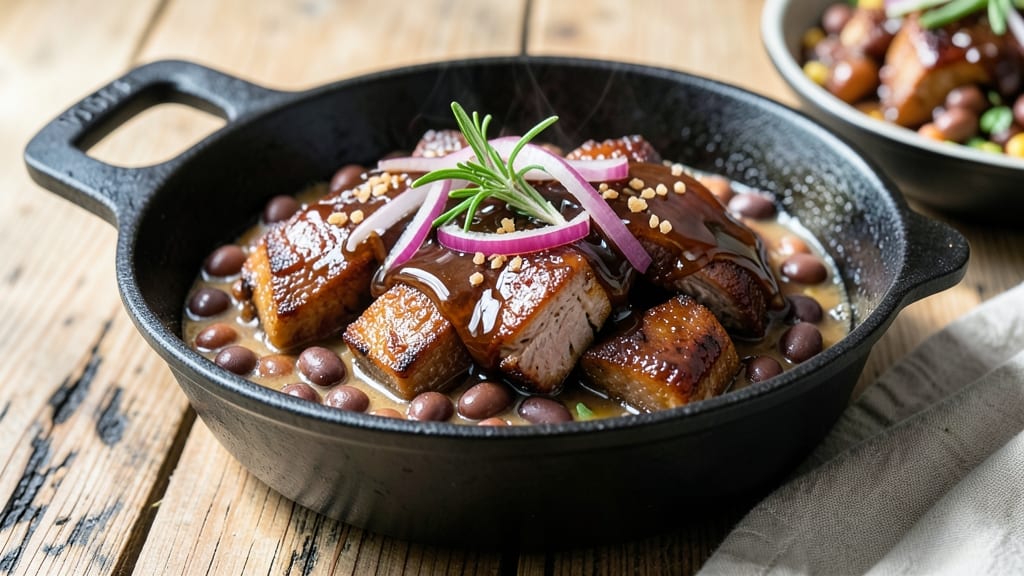
This Boston baked beans recipe transforms humble navy beans into a rich, slow-simmered masterpiece in the bean pot, where deep caramelized sweetness takes center stage. The secret lies in hours of gentle cooking, where molasses and brown sugar meld into a glossy glaze that coats every bean.
I've perfected this classic New England recipe over years of testing, ensuring the perfect balance of smoky, tangy, and sweet flavors that pair beautifully with cornbread or grilled meats.
The process begins with browning pork shoulder (or bacon) for deep flavor development, then simmering the beans with onions, spices, and a molasses-based sauce until tender and thickened. What sets this recipe apart is the caramelized crust that forms on top—a crispy, amber finish that adds texture and complexity.
The long cooking time transforms tough beans into velvety, flavorful bites that practically melt in your mouth.
By the time you're done, you'll have a pot of baked beans so rich and flavorful they'll become your new go-to side dish. The aroma alone will have everyone gathering around the table, and each spoonful delivers that perfect harmony of sweet, smoky, and savory notes.
This isn't just a side dish—it's a centerpiece that elevates any meal.
While traditionally made with pork, this recipe easily adapts to vegetarian versions using mushrooms or smoked paprika for depth. The slow-cooker method also works beautifully for hands-off preparation. Let's create this classic comfort food that's been satisfying New England families for generations.
Ingredients for boston baked beans recipe bean pot
Sixteen ingredients transform simple navy beans into New England's iconic slow-simmered comfort masterpiece.
| Ingredient | Amount | Notes |
|---|---|---|
| Navy Beans 🌱 | 2 cups | Dried, soaked overnight |
| Pork Shoulder 🐖 | 1 ½ lb | Bone-in for flavor, cut into chunks |
| Yellow Onion 🧅 | 1 whole | Medium size, chopped |
| Molasses 🍯 | ½ cup | Unsulphured for best flavor |
| Light Brown Sugar 🍬 | ½ cup | Packed, not granulated |
| Apple Cider Vinegar 🍏 | 2 tbsp | For tangy depth |
| Mustard 🌶️ | 1 tbsp | Dijon preferred |
| Ground Black Pepper 🌶️ | ½ tsp | Freshly cracked |
| Ground Cloves 🌿 | ¼ tsp | Whole cloves crushed |
| Bay Leaves 🌿 | 2 whole | Fresh if possible |
| Beef Broth 💧 | 2 cups | Low-sodium preferred |
| Unsalted Butter 🧈 | 2 tbsp | For caramelized crust |
| Kosher Salt 🧂 | 1 ½ tsp | Diamond Crystal preferred |
The pork shoulder is non-negotiable for authentic depth—bone-in cuts from Whole Foods or your local butcher deliver unmatched flavor. Look for well-marbled sections to ensure juiciness during the long cook. Navy beans should be dried and soaked overnight (never canned) for that classic texture. For molasses, Goya unsulphured is my go-to—sulphured versions can leave a bitter aftertaste. The brown sugar should be packed tightly to avoid measuring errors that dilute the caramelization. Bay leaves? Fresh from the market impart a brighter aroma than dried, but dried works in a pinch if stored properly.
No pork? Mushrooms or smoked paprika (1 tbsp) create vegetarian depth—just add them with the onions. Substituting regular vinegar? Apple cider vinegar's fruity notes elevate the sweetness. The Dijon mustard adds complexity—French's Classic Yellow is reliable, but any good-quality Dijon works. For the crust, European-style butter (like Plugrá) melts more cleanly than American brands. The beef broth can be swapped for vegetable broth if needed, though the pork will already infuse flavor. Pre-soaking beans? Cold water overnight prevents gas issues during cooking.
This recipe rewards patience—3-4 hours simmering until beans are tender and sauce thickens. The caramelized crust forms in the final 30 minutes, so don't rush. Store leftovers in the fridge for 5 days or freeze for 3 months. I portion mine into glass jars for easy reheating—just add a splash of water before warming. The beans actually improve overnight as flavors meld. For serving, warm cornbread or crusty bread cuts through the richness perfectly.
Why You'll Love This Recipe
- One-Pot Magic: I swear by this recipe—just toss everything into a Dutch oven, let it slow-cook, and walk away. No measuring cups, no fuss, no stress. The pork shoulder practically falls off the bone, and the beans soak up that molasses-sugar sauce like a dream.
- Sweet-Savory Bomb: That molasses and brown sugar combo? It’s the kind of rich, caramelized depth that makes you go back for seconds. The onions caramelize right in the pot, adding this smoky-sweet layer that turns a simple bean dish into something you’d pay for at a diner.
- Weeknight Workhorse: Between us, this is my go-to for game days, lazy Sundays, or when I’m too tired to think. It reheats beautifully—better than takeout, honestly—and the leftovers? They’re the reason I meal prep on Sundays. Just reheat and serve, no side dishes needed.
- Budget-Friendly Feast: Pork shoulder and dried beans stretch for miles, and this recipe makes enough to feed four (or five, if you’re like me). I’ll be real: it’s not the prettiest dish, but it’s the kind of hearty, satisfying meal that makes grocery day feel like a win. Plus, the flavor gets better the next day.
Step-by-step instructions for Boston baked beans
This classic New England recipe delivers deep, smoky-sweet flavors through precise layering and slow cooking.
Prepare the Pork Shoulder and Onion
Cut the 1.5 lb pork shoulder into 1.5-inch chunks using a sharp chef's knife. The bone-in pieces will infuse rich flavor into the beans as they cook. In a large Dutch oven, melt the 2 tbsp unsalted butter over medium heat. Add the chopped 1 whole yellow onion and cook for 8-10 minutes, stirring occasionally, until softened and beginning to caramelize.
Here's the thing—don't rush this step. The onions should develop a deep golden color and release their natural sweetness. If they start to brown too quickly, reduce the heat slightly. This foundational flavor carries through the entire dish, so take your time. Once the onions are tender and fragrant, remove them from the pot and set aside temporarily.
Sear the Pork and Build the Base
Working in batches if needed, sear the pork shoulder chunks in the same Dutch oven over medium-high heat until they develop a deep brown crust on all sides, about 3-4 minutes per side. This step creates the Maillard reaction that forms the complex flavors in baked beans. Transfer the seared pork to a plate and set aside with the onions.
Return the pot to medium heat and add the 2 cups beef broth, scraping up any browned bits from the bottom with a wooden spoon. This deglazing step captures all that concentrated flavor that would otherwise go down the drain. Bring the mixture to a gentle simmer, then reduce heat to low and return the pork and onions to the pot.
Combine All Ingredients and Simmer
Add the 2 cups soaked navy beans (drained), 0.5 cup molasses, 0.5 cup packed light brown sugar, 2 tbsp apple cider vinegar, 1 tbsp Dijon mustard, 0.5 tsp ground black pepper, 0.25 tsp ground cloves, and 2 whole bay leaves to the Dutch oven. Stir gently to combine, ensuring the beans are well-coated with the flavorful liquid.
Here's where it gets crucial: bring the mixture to a gentle boil, then immediately reduce heat to low and cover with a tight-fitting lid. The beans need to cook slowly and steadily—about 3 hours—to develop their signature tender texture and rich flavor. I know it's tempting to check frequently, but resist the urge to peek or stir. Each time you open the lid, you release steam and potentially prolong the cooking time.
Develop the Glaze and Finish
After 3 hours, remove the lid and increase heat to medium-low. Let the beans simmer uncovered for 30-45 minutes until the liquid reduces and the beans develop a glossy, caramelized glaze. You'll know they're ready when the sauce thickens slightly and coats the back of a spoon. The beans should be fork-tender, with just a hint of resistance when pierced.
Taste and adjust seasoning if needed. The beans should be sweet, smoky, and slightly tangy from the vinegar. If they need more depth, you can add a splash of molasses or a pinch more salt. Once satisfied, remove the 2 whole bay leaves and discard them. The beans are now ready to serve, but don't skip the final resting step.
Rest and Serve
Let the baked beans rest at room temperature for 15-20 minutes before serving. This resting period allows the flavors to meld completely and the sauce to thicken slightly. Serve the beans warm, straight from the pot, with crusty bread or alongside grilled meats. The perfect baked beans should be tender but not mushy, with a rich, glossy sauce that clings to each bean.
Real talk: the best baked beans improve with time. If you have leftovers, they'll only get better overnight as the flavors continue to develop. Store them in an airtight container in the refrigerator for up to 5 days, or freeze for up to 3 months. When reheating, add a splash of water or broth to prevent drying out.
Pro Tips For Making Boston Baked Beans Recipe Bean Pot
- Soak Beans Overnight: I learned this the hard way—skipping the soak turns your beans into mush. Toss them in cold water with a pinch of salt for 8–12 hours, then drain. The longer they soak, the creamier your finished beans will be, and you’ll avoid that sad, waterlogged texture.
- Brown the Onion First: Don’t just chop and dump. Sauté the onions in a little bacon fat or oil until they’re deep golden, almost caramelized—about 10 minutes. This builds flavor that cuts through the sweetness of the molasses and sugar later. (Yes, even if you’re impatient like me.)
- Cover and Simmer Slow: After adding the pork, beans, and sauce, cover the pot and simmer on low heat for the first 2 hours. The lid traps steam, tenderizing the pork and keeping the beans from drying out. After that, you can uncover and let it reduce—just don’t rush it.
- Add Molasses Last: Stir in the molasses and sugar only in the final 30 minutes. If you add it too early, the heat turns it bitter. Taste as you go—you might need less sugar than the recipe calls for, especially if your molasses is already rich. (Your future self will thank you.)
Wine and beer pairings for this dish
Sweet Molasses Reds
Boston baked beans' rich, caramelized sweetness pairs beautifully with American red wines that have enough body to stand up to the molasses and brown sugar. I love a Zinfandel from California—its jammy blackberry and plum notes complement the beans' deep caramel flavors.
Look for a 2019 Dry Creek Vineyard with its balanced acidity and spice. The wine's natural sweetness mirrors the molasses, creating a harmonious match. 🍷
Crisp White Contrasts
For those who prefer white wine, a dry Riesling from Germany cuts through the richness with its bright acidity and citrus notes. The Dr. Loosen Blue Slate Riesling offers mineral undertones that refresh your palate between bites.
The wine's slight sweetness balances the beans' caramelized depth without overpowering them. Serve slightly chilled for the best experience.
Hoppy IPAs Balance Sweetness
Beer lovers will find that a hazy IPA with juicy hops works surprisingly well. I reach for New England-style IPAs like Trillium Brewing Company's The Unfiltered—its tropical fruit notes and creamy mouthfeel contrast the beans' smoky-sweet profile.
The hop bitterness also helps cleanse your palate between rich spoonfuls. Try it at room temperature for the best flavor interplay. 🍺
Dark Lager Comfort
A dark lager like Samuel Adams Boston Lager bridges the gap between beer and wine pairings perfectly. Its malty sweetness and subtle caramel notes echo the beans' flavors while providing a smooth, refreshing finish.
The beer's low bitterness makes it an ideal companion for the dish's rich, slow-cooked profile. Serve it ice-cold to enhance its crispness.
Non-Alcoholic Options
For non-drinkers, a sparkling apple cider like Martinelli's adds a festive touch while complementing the beans' sweet-tangy profile. The effervescence cleanses your palate, and the apple notes harmonize with the apple cider vinegar in the recipe.
Alternatively, ginger beer offers a spicy kick that contrasts beautifully with the dish's richness. Both options work well served chilled. 🍏
Nutrition facts
Frequently asked questions
Why do Boston baked beans need such a long cooking time?
The 3-4 hour simmer transforms tough navy beans into tender, flavorful bites by breaking down their skins and allowing all ingredients to meld. This slow process develops the signature caramelized glaze and deep, complex flavors that make these beans so special. Think of it like a flavor infusion—patience pays off with every spoonful!
Can I make this recipe without pork?
For a vegetarian version, replace the pork with 1 cup sliced mushrooms or add 1 tbsp smoked paprika to the onions for depth. The beans will still develop rich flavors, though the smoky element will be less pronounced. Cooking time remains the same—just ensure the beans are fork-tender.
What's the best way to store leftovers?
Store baked beans in an airtight container in the fridge for 5 days or freeze for 3 months. When reheating, add 1-2 tbsp water or broth to prevent drying. The flavors actually improve overnight as the sauce thickens further—perfect for quick meals!
Do I need a Dutch oven for this recipe?
A Dutch oven is ideal for even heat distribution and caramelization, but any heavy pot with a lid will work. If using a lighter pot, check the beans more frequently to prevent sticking. For the slow-cooker method, transfer all ingredients (except butter) to the cooker and cook on low for 6-8 hours.
Why does the recipe call for unsulphured molasses?
Unsulphured molasses has a cleaner, sweeter flavor without the bitter aftertaste from sulphites. Sulphured molasses can leave a harsh taste that overpowers the dish's delicate balance. For best results, use Goya unsulphured molasses—it's worth the slight price difference!