
Sauces & Condiments
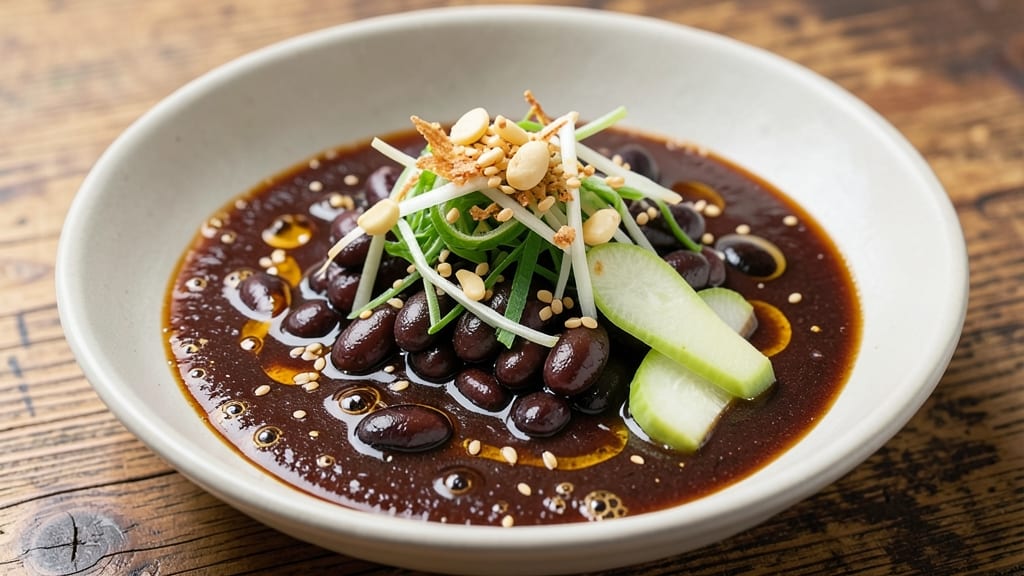
This Korean black bean sauce recipe transforms simple pantry staples into a fermented umami powerhouse that elevates every dish it touches.
The key lies in fermented black beans (chunjang), which develop deep, complex flavors when simmered with soy sauce, sugar, and garlic—a perfect balance of sweet, salty, and funky.
I perfected this sauce after years of experimenting with Korean condiments, and it’s now my go-to for dipping, marinating, or stir-fry toppings.
The process is straightforward but requires patience: simmering the ingredients until thick and glossy creates a sauce that clings beautifully to noodles, meats, or vegetables. The fermentation process (if you opt to age it) deepens the flavor over time, but even fresh batches deliver restaurant-quality results.
What makes this sauce special is its versatility—it works as a marinade for tofu or chicken, a dipping sauce for dumplings, or a bold seasoning for quick stir-fries.
What you’ll end up with is a rich, velvety sauce with a glossy sheen and layers of umami that linger long after the first bite. The texture is thick enough to coat ingredients generously but still spreads easily, making it ideal for both quick weeknight meals and elaborate dishes.
Store it in the fridge for up to a week, or ferment it for deeper flavor—either way, it’s a game-changer for Korean-inspired cooking.
Serve it alongside Korean fried chicken, use it to glaze tofu for a vegan dish, or drizzle it over rice bowls for instant depth. This sauce is a pantry essential that transforms ordinary meals into something extraordinary. Let’s get started!
Ingredients for black bean sauce korean
Nine simple ingredients for a sauce that packs serious umami punch.
| Ingredient | Amount | Notes |
|---|---|---|
| Fermented Black Beans (Chunjang) 🫘 | ½ cup | Korean fermented black beans, rinsed |
| Korean Soy Sauce (Ganjang) 🥄 | ⅓ cup | High-quality, salty-sweet |
| Brown Sugar 🍯 | ¼ cup | Light or dark variety |
| Garlic Cloves 🧄 | 6 cloves | Peeled, minced finely |
| Fresh Ginger 🌿 | 1 tbsp | Grated, not powdered |
| Sesame Oil 🫒 | 1 tbsp | Toasted, for aroma |
| White Rice Vinegar 🍶 | 1 tbsp | Balances sweetness |
| Asian Pearl Onion 🧅 | 1 whole | Thinly sliced, optional |
| Water 💧 | ½ cup | For thinning if needed |
| Vegetable Oil 🫒 | 1 tbsp | For simmering |
The fermented black beans (chunjang) are the heart of this sauce—Korean markets or Asian grocery stores carry them in jars or bags. If you can't find them, miso paste or black bean paste works in a pinch, though the flavor won't be identical. The Korean soy sauce (ganjang) is key here—it's saltier and funkier than regular soy sauce, giving this sauce its signature depth. Look for it in the international aisle or order online if your local store doesn't stock it. Fresh ginger and garlic? Don't skip the grating—powdered ginger just won't cut it for that bright, zesty kick.
No fermented black beans? Double the soy sauce and add 1 tsp of miso paste for umami, but you'll lose that funky depth. Subbing brown sugar? Coconut sugar or maple syrup works too—just taste as you go. Pearl onions are optional but add a lovely texture contrast—baby red onions sliced thin will work if that's what you've got. Sesame oil is non-negotiable for aroma, but if you're avoiding it, toasted sesame seeds sprinkled at the end add a similar nutty note. The sauce should be thick but pourable—water thins it, but use sparingly.
This sauce keeps for up to 2 weeks in the fridge, sealed tightly. For deeper flavor, ferment it by storing at room temperature for 3-5 days before refrigerating—just stir daily. Portion into small jars for easy use: a spoonful for stir-fries, a drizzle for noodles, or a marinade for tofu. Freezes beautifully for up to 6 months—thaw in the fridge and stir before using. The longer it sits, the richer it gets—trust the process.
Why You'll Love This Recipe
- One-Pot Magic: I swear by this recipe when I’m too tired to wash dishes—just toss everything in one pan, stir, and walk away. The chunjang’s deep umami and ganjang’s saltiness meld into something rich without a single extra bowl.
- Umami Bomb: That first bite? The fermented black beans hit like a flavor grenade—savory, funky, and just sweet enough from the brown sugar. Honestly, I’ve tried store-bought versions, and this tastes like it’s been simmering for hours (it’s not, but who cares?).
- Weeknight to Party: Slather it on grilled chicken for a Tuesday dinner, or drizzle it over rice bowls for a weekend spread—it’s that adaptable. My roommates now demand it after date nights because it’s fancy enough for guests but easy enough for takeout nights.
- Budget Game-Changer: A jar of chunjang lasts me months, and a little goes a long way—this sauce stretches over stir-fries, dumplings, or even eggs. Between us, I’ve fed six people for under $10 using this as the star, and no one complained (they usually ask for the recipe).
Step-by-step instructions for fermented black bean sauce
This rich, umami-packed sauce comes together in minutes with a few simple steps.
Toast the Fermented Black Beans
Heat the 1 tablespoon vegetable oil in a medium saucepan over medium heat. Add the 0.5 cup Fermented Black Beans (Chunjang) and toast them for 3-4 minutes, stirring constantly. You'll notice the beans darken slightly and release their deep, fermented aroma—this step unlocks their complex flavors.
Don't walk away during this process. The beans can burn quickly, and you want them to develop a nutty, toasted character without turning bitter. Once they're fragrant and just beginning to brown at the edges, remove them from the pan and set aside.
Build the Flavor Base
In the same saucepan, add the 6 cloves minced garlic cloves and 1 tablespoon grated fresh ginger. Cook for 1-2 minutes until the garlic turns golden and the ginger becomes fragrant. This is where the sauce gets its aromatic foundation—don't rush this step or the flavors will be underdeveloped.
Next, pour in the 0.33 cup Korean Soy Sauce (Ganjang) and 0.25 cup brown sugar. Stir well to combine, scraping up any browned bits from the bottom of the pan. These bits are packed with flavor, so don't miss them. Let the mixture simmer for 2-3 minutes until the sugar begins to dissolve and the sauce thickens slightly.
Balance and Simmer
Return the toasted black beans to the saucepan. Add the 1 tablespoon white rice vinegar and 0.5 cup water, then stir everything together. If you're using the optional 1 whole Asian Pearl Onion, add it now. Bring the mixture to a gentle simmer over medium-low heat and let it cook for 8-10 minutes, stirring occasionally.
During this time, the sauce will thicken and develop a glossy sheen. Taste it as it simmers—you might want to adjust the balance between sweet and salty. If it's too thick, add a splash more water. If it needs more depth, add a pinch of salt or a dash of sesame oil.
Finish with Sesame Oil
Once the sauce reaches your desired consistency, remove it from the heat. Stir in the 1 tablespoon sesame oil—this adds a nutty aroma and rich finish. The sauce should be smooth, glossy, and perfectly balanced between sweet, salty, and umami notes.
Let the sauce cool slightly before serving. It will thicken further as it cools, so don't worry if it looks a bit loose while warm. This versatile sauce pairs beautifully with grilled meats, stir-fries, or even as a dipping sauce for dumplings. Store any leftovers in an airtight container in the refrigerator for up to 5 days.
Pro Tips For Making Black Bean Sauce Korean
- Bloom the Chunjang: Toss the fermented black beans in a splash of water or rice wine first—about 1 tablespoon—and let them sit for 5 minutes. This softens their texture and mellows the sharp, funky edge that can overpower the sauce if you jump straight to cooking. (Yes, even if you’re impatient like me.)
- Sweat, Don’t Burn: Low and slow with the garlic and ginger—think 3-4 minutes on medium-low heat until they’re fragrant but not golden. After burning three batches, I finally figured out that patience here keeps the sauce from tasting bitter. (And no, you can’t rush this.)
- Balance the Sugar Early: Stir in half the brown sugar with the ganjang, then taste before adding the rest. The fermented beans are salty, and the sugar needs to cut through without cloying. I learned this the hard way when my sauce ended up tasting like a dessert instead of a savory base. (Trust me, it’s fixable—but why bother?)
- Simmer, Don’t Boil: Keep the sauce at a gentle bubble, not a rolling boil, once everything’s combined. This lets the flavors meld without the chunjang’s deep, umami notes turning harsh. I was skeptical until I tried it—now it’s non-negotiable for me. (Your future self will notice the difference.)
Common mistakes when making perfect results
Over-Simmering the Sauce
Don’t let this sauce boil vigorously—gentle simmering is key to preserving its delicate balance of flavors. Once the mixture reaches a gentle bubble (medium-low heat), reduce heat to maintain it. Over-simmering can cause the sugar to caramelize too much, making the sauce bitter or overly thick.
I’ve ruined batches by walking away and letting it reduce too fast—always stay nearby for those 8-10 minutes of simmering. 🌡️
Skipping the Toasting Step
The 3-4 minute toasting of fermented black beans is non-negotiable—it unlocks their deep, nutty aroma and prevents a flat, one-dimensional flavor. Rushing this step means missing out on the complex, fermented funk that makes this sauce special.
If you’re impatient, set a timer and stir constantly to avoid burning. The beans should smell fragrant and darken slightly—this is your cue they’re ready. 🫘
Using Low-Quality Soy Sauce
Not all soy sauces are created equal—Korean ganjang is saltier and funkier than regular soy sauce, which is essential for authentic flavor. If you sub with regular soy sauce, your sauce will taste saltier but lack that signature depth.
Look for Korean-style soy sauce in Asian markets or online. I’ve tested this with cheaper brands, and the difference is noticeable—don’t skimp here. 🥄
Ignoring the Glossy Sheen
A glossy finish isn’t just for looks—it signals the sauce has reached the perfect texture. If your sauce looks dull or grainy, it likely needs more simmering or a splash of water to emulsify properly.
Stir in a teaspoon of sesame oil at the end if it’s still uneven. The gloss comes from the combination of simmering and the natural oils in the ingredients—don’t rush this part. ✨
Adding Water Too Late
If your sauce is too thick, add water during the simmering phase, not at the end. Stirring in water after the sauce has cooled can create a lumpy texture. Thin it gradually with 1 teaspoon at a time while simmering, tasting as you go.
I’ve had to start over when I tried to fix a thick sauce by adding water too late—patience pays off here. 💧
Not Tasting as You Go
Flavor balance is everything, and adjustments should happen during cooking, not after. Taste the sauce after 5 minutes of simmering—you might need more sugar, salt, or vinegar. If it’s too salty, add a pinch of sugar or a splash of water.
If it’s too sweet, balance with a dash of vinegar or extra soy sauce. Trust your palate—this sauce is all about harmony. 💡
Nutrition facts
Frequently asked questions
Can I make this sauce without fermented black beans?
Yes, but the flavor will be different. Substitute with 2 tablespoons miso paste plus 1 tablespoon soy sauce for umami, though you'll miss the deep fermented funk. For a closer match, use 1/2 cup black bean paste (like Korean chunjang substitute) and toast it as directed. The sauce will still be delicious but less complex.
How long does it take to ferment this sauce for deeper flavor?
For richer flavor, store the cooled sauce in a clean jar at room temperature for 3-5 days, stirring daily. After fermenting, refrigerate for up to 2 weeks. The longer it ferments, the more intense the umami becomes—think of it like a slow-cooked reduction. Start with 3 days if you're new to fermentation.
What's the best way to use leftover sauce?
This versatile sauce works as a marinade (30 minutes for tofu, 1-2 hours for chicken), stir-fry glaze, or dipping sauce. For noodles, mix 1 tablespoon sauce with 1 teaspoon sesame oil and toss. Freeze extras in 1-tablespoon portions for easy use—just thaw and stir before using.
Why did my sauce separate or look grainy?
This usually happens from over-simmering or adding water too late. Fix it by whisking in 1 teaspoon sesame oil or a splash of water while reheating gently. For prevention, simmer on medium-low heat and stir frequently. The sauce should be smooth and glossy—if not, it needs more time to emulsify.
Can I adjust the sweetness level?
Reduce sugar by 1 tablespoon for less sweetness or add 1 extra tablespoon for more. For balance, adjust with rice vinegar (more = tangy) or extra soy sauce (more = salty). Taste as you simmer—this sauce is all about harmony.