
Soups & Stews
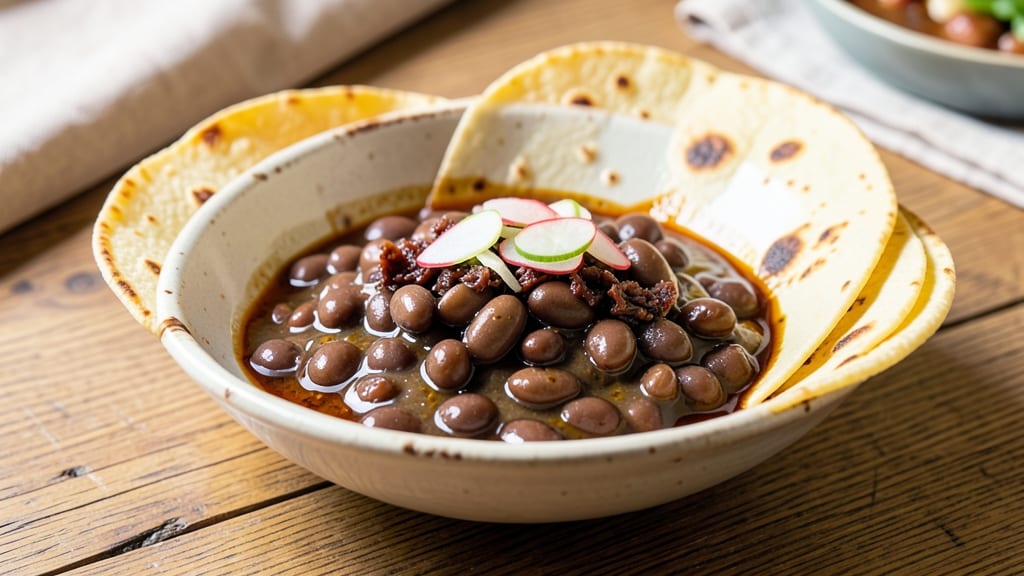
This black bean and miso soup delivers a profound umami punch that transforms simple ingredients into a deeply satisfying bowl. The marriage of fermented miso paste and earthy black beans creates a broth so rich, it lingers long after the last spoonful.
I developed this recipe during a particularly chilly evening when I craved something hearty yet light—what emerged was a soup with layers of complexity that feels both comforting and refined.
The secret lies in balancing the miso's saltiness with the beans' natural sweetness, then crowning each bowl with crispy tortilla strips that add a satisfying crunch.
Unlike many miso soups that rely on tofu or seafood, this version highlights plant-based proteins while keeping the preparation straightforward—no special techniques required, just thoughtful layering of flavors. The result is a dish that's equally at home on a weeknight table or as a starter for a dinner party.
What you'll end up with is a velvety broth infused with miso's deep savoriness, tender black beans that hold their shape, and crispy tortilla pieces that shatter between each bite.
The aroma alone—steaming broth mingling with toasted spices—will have everyone gathered around the table. This isn't just soup; it's a flavor experience that delivers restaurant-quality depth with minimal effort.
The beauty of this recipe is its versatility. Swap in different beans for texture variations, adjust the miso type to balance flavors, or add fresh herbs at the end for brightness.
Serve with a sprinkle of sesame seeds or a drizzle of chili oil for extra dimension. Let's create this umami masterpiece that proves plant-based cooking can be both nourishing and extraordinary.
Ingredients for black bean miso
This umami-rich soup marries fermented miso with hearty black beans for a deeply satisfying bowl.
| Ingredient | Amount | Notes |
|---|---|---|
| Black Beans 🌱 | 1 ½ cups | Cooked or canned, drained and rinsed |
| White Miso Paste 🍶 | 3 tbsp | High-quality, preferably organic |
| Vegetable Broth 💧 | 4 cups | Low-sodium preferred |
| Corn Tortillas 🌽 | 4 whole | Cut into thin strips for crisping |
| Sesame Oil 🫒 | 1 tbsp | For aroma and richness |
| Fresh Ginger 🌿 | 1 tbsp | Grated, for zesty brightness |
| Garlic Cloves 🧄 | 3 cloves | Minced for aromatic depth |
| Green Onions 🧅 | 3 whole | Thinly sliced for garnish |
| Toasted Sesame Seeds 🌰 | 1 tbsp | For nutty crunch |
| Olive Oil 🫒 | 2 tbsp | Extra-virgin for crisping tortillas |
| Red Chili Flakes 🌶️ | ½ tsp | Optional for heat |
| Lime Wedges 🍋 | 1 whole | For serving |
| Avocado Oil 🫒 | ½ cup | High smoke point for crisping |
| Diamond Crystal Kosher Salt 🧂 | 1 tsp | For seasoning |
The miso paste is the soul of this dish—look for high-quality white miso at specialty stores like Whole Foods or Trader Joe's. The brand matters here; Miso Master or Hodo deliver that authentic, fermented depth. Black beans should be tender but not mushy; canned beans work perfectly if you rinse them well to remove excess starch. For the tortillas, corn tortillas create the best crunch, but flour tortillas in a pinch will still deliver satisfying texture. Fresh ginger and garlic are non-negotiable—they're what elevate this from simple to extraordinary.
No white miso? Red miso at half the amount adds depth but more color intensity. Substituting vegetable broth for water is essential—low-sodium versions like Pacific Foods or homemade work best. If you're avoiding gluten, ensure your miso is gluten-free (many traditional varieties contain wheat). For the tortilla strips, avocado oil is ideal due to its high smoke point, but any neutral oil works. The sesame oil should be toasted—look for the dark variety at Asian markets for maximum aroma. Fresh herbs like cilantro or Thai basil can replace green onions if you prefer a different brightness.
Store the miso paste in the fridge after opening—it keeps for up to 6 months once opened. The tortilla strips crisp best when made fresh, but you can prep them ahead and reheat in a 200°F oven for 5 minutes to restore crispiness. The soup itself reheats beautifully, though the tortilla topping is best added fresh. For meal prep, store components separately: broth and beans together (up to 5 days), tortilla strips in an airtight container (up to 3 days). The lime wedges should be added just before serving to prevent browning.
Why You'll Love This Recipe
- Five-Ingredient Magic: I swear, this recipe is one of those rare dishes where the ingredient list reads like a grocery store scavenger hunt—black beans, miso, broth, tortillas, sesame oil—and somehow ends up ridiculously good. No fancy techniques, just simmering and folding in that umami-rich miso until the beans are tender and the sauce clings like a dream.
- Umami Bomb: Between us, white miso paste is the MVP here. It turns a simple black bean stew into something deep, savory, and just a little funky in the best way—like a cozy hug for your taste buds. A drizzle of sesame oil at the end? That’s the cherry on top, trust me.
- Lunchbox Hero: This recipe is my secret weapon for meal prep. Pack the warm filling in tortillas, wrap them tight, and boom—you’ve got a lunch that’s heartier than a sad sandwich. (Yes, even on a Tuesday night.) The miso keeps it interesting, and the beans hold up for days without getting mushy.
- Budget-Friendly Powerhouse: Black beans and miso paste are the ultimate pantry stretchers—cheap, shelf-stable, and packed with flavor. A single batch feeds four, and leftovers reheat like a champ. I’ll be real: I’ve made this for under $8 total, and no one’s ever complained about the taste (or the cost).
Step-by-step instructions for black bean and miso soup
Here's how to create a rich umami broth with perfectly crispy tortilla topping—each element balanced for maximum flavor.
Build the Umami Base
In a medium saucepan, combine the 1.5 cups black beans, 4 cups vegetable broth, 1 tbsp fresh ginger, and 3 cloves garlic cloves. Bring to a gentle simmer over medium heat and cook for 10 minutes, allowing the flavors to meld. The broth should develop a deep, earthy aroma—this is the foundation of your soup's complexity.
While heating, whisk together the 3 tbsp white miso paste with 1 tbsp sesame oil in a small bowl. Once the broth reaches 180°F, remove it from heat and slowly stir in the miso mixture. The miso will dissolve completely, creating a velvety texture. Return to low heat and simmer for another 5 minutes to fully integrate the flavors. The soup should now have a rich, savory depth with no visible miso granules.
Prepare the Crispy Tortilla Topping
Cut the 4 whole corn tortillas into ¼-inch thick strips—this ensures even crispiness. Heat 0.5 cup avocado oil in a large skillet over medium-high heat until shimmering. Add the tortilla strips in a single layer, being careful not to overcrowd the pan. Cook for 2-3 minutes per batch, stirring occasionally, until they turn golden brown and crisp.
Transfer the crispy tortillas to a paper towel-lined plate to drain excess oil. Sprinkle immediately with 1 tbsp toasted sesame seeds and 0.5 tsp red chili flakes while still warm. The seeds will toast slightly more, adding nutty depth, while the chili flakes introduce subtle heat. Keep the tortillas warm in a 200°F oven until ready to serve.
Finish and Serve with Freshness
Return the soup to low heat and stir in 2 tbsp olive oil to create a delicate sheen on the surface. Taste and adjust seasoning with 1 tsp diamond crystal kosher salt—the miso already contributes significant saltiness, so go lightly. Divide the soup among bowls, then top each serving with 3 whole green onions (thinly sliced) and a lime wedge for brightness.
Just before serving, add the crispy tortilla strips to each bowl, allowing diners to mix them into their soup for texture contrast. The tortillas should remain crunchy when submerged for 10-15 seconds, then soften slightly in the warm broth. Serve immediately while the tortillas maintain their crisp texture and the soup retains its velvety consistency.
Pro Tips For Making Black Bean Miso
- Bloom the Miso First: Stir that white miso paste into your warm vegetable broth before adding anything else—let it sit for 30 seconds while you scrape the bottom of the pot. I learned this the hard way: skipping this step leaves a bitter, grainy aftertaste that ruins the whole dish. The miso needs time to dissolve properly, not just a quick stir.
- Toast the Beans Dry: Drain your black beans, give them a good shake in the colander, then spread them on a dry skillet over medium heat for 2-3 minutes. You’re not cooking them—just drying out the surface so they absorb the miso broth like a sponge. Wet beans turn mushy; toasted beans stay firm and soak up flavor.
- Skip the Crowding: When simmering the miso-bean mixture, resist the urge to add all the broth at once. Start with half, let it reduce slightly, then add the rest. Too much liquid at once means your tortillas will swim in a watery sauce instead of soaking up that rich, umami goodness. Patience here makes all the difference.
- Char the Tortillas: Toss your corn tortillas in a dry skillet over medium-high heat for 20 seconds per side until they’re speckled with black spots. The contrast of crispy, smoky tortillas against the creamy miso-bean filling is what turns this from good to unforgettable. Yes, it’s an extra step—but it’s worth it.
Regional styles of this black bean miso
Japanese Miso-Bean Tradition
This soup draws inspiration from Japanese miso shiru, where fermented miso paste forms the flavor base. Traditional versions often include tofu or seafood, but I've adapted it with black beans for a plant-based twist that keeps the umami richness.
The Japanese technique of dissolving miso into warm (not boiling) broth preserves its probiotic benefits—this is key to maintaining that signature depth. 🍶
In Japan, white miso is typically used for lighter dishes, while red miso adds more intensity. For this recipe, I recommend sticking with white miso to complement the beans' earthiness.
The addition of ginger and garlic mirrors the shogayzu (soy-ginger-garlic) base found in many Japanese soups, creating that familiar aromatic punch.
Mexican-Inspired Crunch
The crispy tortilla topping transforms this into a fusion dish with Mexican influences. In Mexico, chicharrón (fried pork rinds) is a common crunchy topping, but I've replaced it with tortilla strips for a vegan-friendly alternative.
The technique of frying until golden brown ensures maximum crispiness—just like tostadas or sopes from street food stalls. 🌽
For extra authenticity, try adding cotija cheese (if not vegan) or vegan feta on top before serving. The combination of miso's fermented depth and tortilla's crunch creates a perfect balance of textures that feels both familiar and innovative.
Korean Fermented Twist
Korean cuisine also embraces fermented flavors, and this recipe borrows from doenjang jjigae (soybean paste stew) traditions. While doenjang uses fermented soybean paste, miso provides a similar umami foundation. The addition of sesame oil and seeds mirrors Korean dishes like bibimbap, where toasted sesame adds nutty depth. 🌰
For a Korean-inspired variation, add 1 tbsp gochujang (Korean chili paste) to the soup base for subtle heat and complexity. The contrast between the fermented miso and spicy gochujang creates a flavor profile that's both comforting and exciting.
Modern Fusion Adaptations
This recipe works beautifully as a fusion dish in contemporary cuisine. The miso-bean base pairs well with Thai basil or cilantro for a Southeast Asian twist, while the tortilla topping keeps it grounded in Latin flavors.
For a modern touch, serve with avocado slices or a drizzle of chili oil to elevate the dish further. 🌶️
In restaurants, you might see this styled as a "deconstructed miso soup" with separate components for customization. The key is balancing the rich miso broth with fresh, bright elements to keep the dish feeling fresh and exciting.
Nutrition facts
Frequently asked questions
Can I use red miso instead of white miso?
Yes, but you'll need to adjust the amount. Red miso is stronger and more intense, so use 1.5 tbsp instead of the 3 tbsp of white miso. It will give your soup a deeper color and bolder flavor, but the texture and preparation remain the same. For a balanced taste, start with the reduced amount and adjust to preference.
How do I make this soup spicier?
Add more red chili flakes to the crispy tortilla topping or stir in 1 tsp gochujang (Korean chili paste) when dissolving the miso. For heat lovers, try a pinch of cayenne pepper or a dash of hot sauce at the end. Remember, the tortilla strips will soften slightly in the broth, so keep the heat level in mind for the final texture.
Can I prepare this ahead of time?
Make the soup base up to 2 days ahead and store it in the fridge. Reheat gently on the stove, then add the crispy tortilla topping fresh to maintain its crunch. For the tortillas, fry them just before serving or keep them warm in a 200°F oven for up to 30 minutes. The lime wedges should always be added last to prevent browning.
What if I don't have corn tortillas?
Flour tortillas work in a pinch, but corn tortillas create the best texture. For a gluten-free option, try rice paper wrappers (cut into strips and fried until crispy) or even plantain chips for a tropical twist. The key is achieving that satisfying crunch—just ensure your substitute can handle the heat without burning.
Why did my miso not dissolve completely?
This usually happens if the broth is too hot when adding miso. Always dissolve miso in broth that's 180°F or below—boiling can cause it to separate. Remove the broth from heat before stirring in the miso, then return to low heat. For extra smoothness, whisk the miso with a little broth first before adding it all. Stir gently to avoid creating lumps.