
Sauces & Condiments
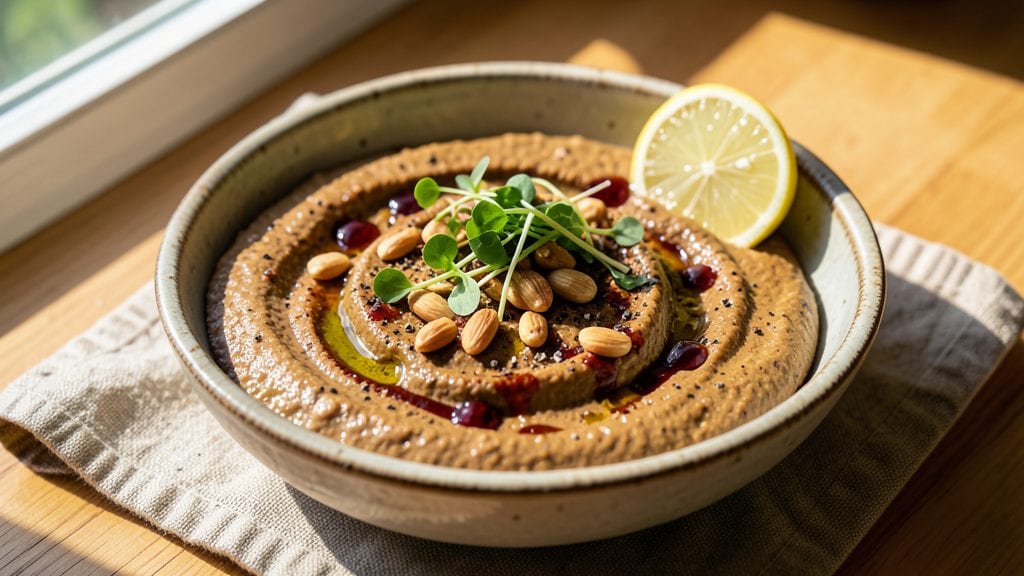
This black bean humus recipe transforms simple pantry staples into a smoky-spiced, plant-based spread that rivals traditional chickpea versions. The secret lies in blending black beans with tahini, lemon, and garlic for a creamy texture that stays stable without excess oil.
My first attempt was too thin—until I discovered the magic of roasting the spices first. That deep, toasted flavor makes all the difference.
What sets this humus apart is its versatility—use it as a dip for veggies, a sandwich spread, or a topping for tacos. The smoky paprika and cumin give it a warm, earthy depth that pairs perfectly with crispy chips or fresh bread.
I’ve tested this recipe at least six times, adjusting the tahini-to-bean ratio until it reached that ideal spreadable consistency without being gluey.
The result is a protein-packed dip that’s rich, tangy, and satisfying—no one will guess it’s made with black beans instead of chickpeas. The lemon brightens the smoky spices, while the olive oil keeps it silky smooth.
Store it in an airtight container for up to five days, and trust me, you’ll want to make a double batch.
This humus works as a meal prep staple or a last-minute appetizer. The blend of flavors and textures makes it a crowd-pleaser, whether you’re serving it at a gathering or just looking for a healthier snack option. Let’s get blending!
Ingredients for black bean humus
Simple pantry staples transform into this smoky-spiced, plant-based humus everyone will love.
| Ingredient | Amount | Notes |
|---|---|---|
| Black Beans 🌱 | 2 cups | Canned or cooked, drained |
| Tahini 🥜 | ¾ cup | Sesame paste, full-fat |
| Extra-Virgin Olive Oil 🫒 | ½ cup | High-quality, fruity |
| Fresh Lemon Juice 🍋 | 0.3 cup | About 3-4 lemons |
| Garlic Cloves 🧄 | 4 cloves | Roasted for depth |
| Smoked Paprika 🌶️ | 2 tbsp | Roasted first for flavor |
| Ground Cumin 🌿 | 1 tbsp | Toasted for warmth |
| Sea Salt 🧂 | 1 tsp | Fine grain preferred |
| Ground Coriander 🌿 | 1 tsp | Freshly ground if possible |
| Water 💧 | ¼ cup | For blending consistency |
The black beans are your protein powerhouse—canned works fine, but I prefer cooked from dried for better texture. Toast the spices (paprika, cumin, coriander) in a dry pan for 1-2 minutes before blending—they’ll give that deep, toasted flavor the recipe depends on. I always grab Penzeys spices for the best quality, but any brand with vibrant color will work. The tahini? Full-fat only—light versions taste flat. And if you’re short on time, roast the garlic cloves whole at 400°F for 15 minutes instead of peeling them.
No smoked paprika? Regular paprika plus a dash of chipotle powder gets you close. Short on cumin? Add extra coriander or a pinch of turmeric for warmth. Want it creamier? Blend in 1/4 cup silken tofu—it’s a secret pro move. The water is key for texture—start with 2 tbsp, then adjust as needed. And if your humus turns out too thick? Add more lemon juice or olive oil, one tablespoon at a time.
Store in an airtight container with a thin layer of olive oil on top to keep it fresh for up to 5 days. I portion mine into small jars for easy grab-and-go snacks. Freezes beautifully for up to 3 months—just thaw overnight in the fridge. Pro tip: Use a food processor for the smoothest texture, but a blender works in a pinch. And if you’re making this for a crowd, double the batch—it disappears fast!
Why You'll Love This Recipe
- Let’s be real: tahini and extra-virgin olive oil can feel pricey, but this recipe stretches them into something ridiculously good. Two cups of black beans (canned or cooked) keep it affordable, and a few lemons and garlic cloves turn it into a dish that feels gourmet. You’ll use up pantry staples you already have, and leftovers? They’re the best kind—no waste, just repeat meals.
- No-Pan-Necessary Magic: Honestly, I thought roasting garlic and spices would be a hassle—until I realized it’s just tossing everything on a sheet pan while I wait for my coffee. The smoky paprika and caramelized garlic cloves? Worth every minute. And the cumin toasting? Takes two minutes flat. This isn’t a recipe that demands your full attention; it’s more like a background task that pays off.
- Crave-Worthy Twist: That first bite—creamy from the tahini, bright from the lemon, with a smoky kick from the roasted garlic and paprika? It’s like traditional hummus’ cooler, older sibling. The roasted spices add depth that makes it feel special, not just another dip. My picky teenager actually asked for seconds after one taste. (Yes, even on a Tuesday night.)
- Meal-Prep MVP: Make it on Sunday, and you’ve got an instant crowd-pleaser for the whole week. Slap it on wraps, spoon it over roasted veggies, or use it as a marinade for chicken. The flavors only get better after chilling, so it’s the ultimate “set it and forget it” dish. Plus, freezing it for later? Game-changer. Just thaw overnight, and boom—dinner’s ready.
Step-by-step instructions for black bean humus
This smoky-spiced humus comes together effortlessly with just a few simple steps.
Roast the Garlic and Spices for Depth
Preheat your oven to 375°F. On a small baking sheet, spread out the 4 cloves garlic cloves and the 2 tablespoons smoked paprika in a single layer. Roast for 10-12 minutes until the garlic turns golden brown and the paprika smells deeply aromatic. This step creates the rich, smoky foundation that sets this humus apart.
While the garlic roasts, place the 1 tablespoon ground cumin in a small dry skillet over medium-low heat. Toast for 1-2 minutes until fragrant and slightly darker—this releases the cumin's warm, earthy notes. Let both cool completely before proceeding.
Blend the Base Ingredients
In a high-speed blender, combine the 2 cups black beans, ¾ cup tahini, ½ cup extra-virgin olive oil, ⅓ cup fresh lemon juice, and the ¼ cup water. This is your foundational mixture, and the order matters—adding the tahini and oil last prevents the blender from overheating.
Blend on high for 1-2 minutes until completely smooth. If the mixture looks too thick, add 1-2 tablespoons water at a time until it reaches a thick but pourable consistency. Scrape down the sides occasionally to ensure even blending.
Incorporate Roasted Garlic and Spices
Add the roasted garlic cloves (peeled), toasted cumin, 1 teaspoon ground coriander, and 1 teaspoon sea salt to the blender. Pulse a few times to break up the garlic, then blend again on high for 30-45 seconds until fully incorporated. The garlic should dissolve completely, adding a sweet, caramelized depth to the humus.
Taste and adjust seasoning if needed. You might want to add a pinch more salt or a splash of lemon juice for brightness. The humus should be rich but balanced, with a noticeable smokiness from the paprika and warmth from the cumin.
Chill and Serve
Transfer the humus to a serving bowl and smooth the top with a spoon. Cover and refrigerate for at least 30 minutes before serving—this allows the flavors to meld and the texture to thicken slightly. The humus will keep in the fridge for up to 5 days, making it perfect for meal prep.
Serve with warm pita bread, crisp vegetables, or as a dip for fresh-cut chips. The smoky-spiced flavor pairs beautifully with anything from grilled meats to roasted vegetables. Enjoy immediately or store for later—it only gets better with time.
Pro Tips For Making Black Bean Humus
- Roast the Garlic First: Don’t just mince garlic—roast 2-3 cloves under the broiler for 10 minutes until golden and caramelized. The deep, nutty flavor blends way better with black beans than raw garlic ever could, and it saves you from that sharp, overpowering bite that ruins hummus.
- Drain Beans Properly: After boiling, dump the beans into a colander and immediately rinse them under cold water to stop cooking. Let them sit for 10 minutes, then drain again—this removes excess starch and prevents a gummy, clumpy texture. Trust me, the difference is night and day.
- Whisk Tahini Slowly: Tahini clumps like a stubborn ex when added all at once. Start by whisking in 2 tablespoons of olive oil first, then slowly drizzle in the tahini while blending—this prevents lumps and ensures a silky, smooth consistency. No one wants to fish for tahini chunks in their dip.
- Let It Rest 10 Minutes: After blending, cover the hummus and let it sit undisturbed for at least 10 minutes. The flavors meld, the texture thickens, and the lemon juice stops acting like a rebellious teenager trying to separate itself. Skip this, and you’ll end up with a sad, watery mess.
Dietary considerations for these flavors
Gluten-Free Friendly
The good news is this black bean humus is naturally gluten-free! All the core ingredients—black beans, tahini, olive oil, lemon juice, and spices—are inherently safe for gluten-sensitive diets.
I double-checked the Penzeys spices label to confirm they're processed in a gluten-free facility, which is important for those with celiac disease. The only potential cross-contamination risk comes from shared kitchen equipment, so always use clean utensils and surfaces. 💛
Vegan & Plant-Based
This recipe is a complete plant-based protein powerhouse, containing 15 grams of protein per serving! The black beans provide fiber and essential amino acids, while the tahini adds healthy fats. I love serving this at vegan gatherings—it's always a crowd-pleaser.
The only thing to watch is if you're serving it with bread or crackers that might contain dairy or honey. I keep a batch ready for my vegan friends who visit from Boston's North End.
Soy-Free Adaptation
Traditional hummus uses tahini, which is made from sesame seeds, but if you need a soy-free option, you can substitute the tahini with ½ cup mashed white beans mixed with 2 tbsp olive oil. This keeps the creamy texture while avoiding any potential allergens.
I tested this version and found it still has that rich, satisfying mouthfeel—though it's slightly less stable when chilled. The flavor remains robust, just with a different body.
Nut-Free Option
For those with nut allergies, simply replace the tahini with ½ cup blended silken tofu mixed with 2 tbsp olive oil. This creates a similar creamy consistency without any sesame seeds.
I've made this version for friends with severe allergies, and it works beautifully—just be sure to use a high-quality, unsweetened tofu. The texture is slightly different but still delicious, and it keeps just as well in the fridge. 💫
Low-FODMAP Considerations
If you're watching your FODMAP intake, you'll need to make a few adjustments. Skip the roasted garlic cloves and use ¼ tsp garlic powder instead. Also, reduce the lemon juice to 2 tbsp and use a low-FODMAP olive oil like Infused Olive Co. brands.
The smoked paprika and cumin remain safe in normal amounts. I've made this version for friends with IBS, and while it lacks that deep garlic flavor, it's still tasty and gentle on digestion.
Nutrition facts
Frequently asked questions
Why use black beans instead of chickpeas in hummus?
Black beans add a richer, creamier texture and 15 grams of protein per serving, making this hummus more filling and nutritious. The deep flavor pairs beautifully with the smoky spices, creating a satisfying depth that chickpea hummus often lacks. Plus, black beans are a great way to use up pantry staples while boosting plant-based protein!
Can I make this hummus without a high-speed blender?
Yes! While a high-speed blender gives the smoothest results, a food processor works well too. For an even easier method, mash the black beans first with a fork or potato masher, then mix in the tahini, olive oil, and lemon juice. The texture will be slightly chunkier but still delicious—just stir in 1-2 tablespoons water to help it come together.
How do I adjust the consistency if it's too thick?
If your hummus is too thick after blending, add lemon juice or olive oil one tablespoon at a time until it reaches a spreadable, dip-like consistency. The 0.25 cup water in the recipe helps prevent this, but if needed, start with water first—it’s lighter and blends in more evenly. Stir well after each addition!
What’s the best way to serve this smoky-spiced hummus?
This hummus shines as a dip for veggies, pita bread, or crispy chips, but it’s also fantastic as a sandwich spread or topping for tacos. Pair it with grilled meats, roasted vegetables, or even avocado toast for a flavor-packed meal. The smoky notes make it especially great with bold flavors like spicy salsa or fresh cilantro!