
Sauces & Condiments
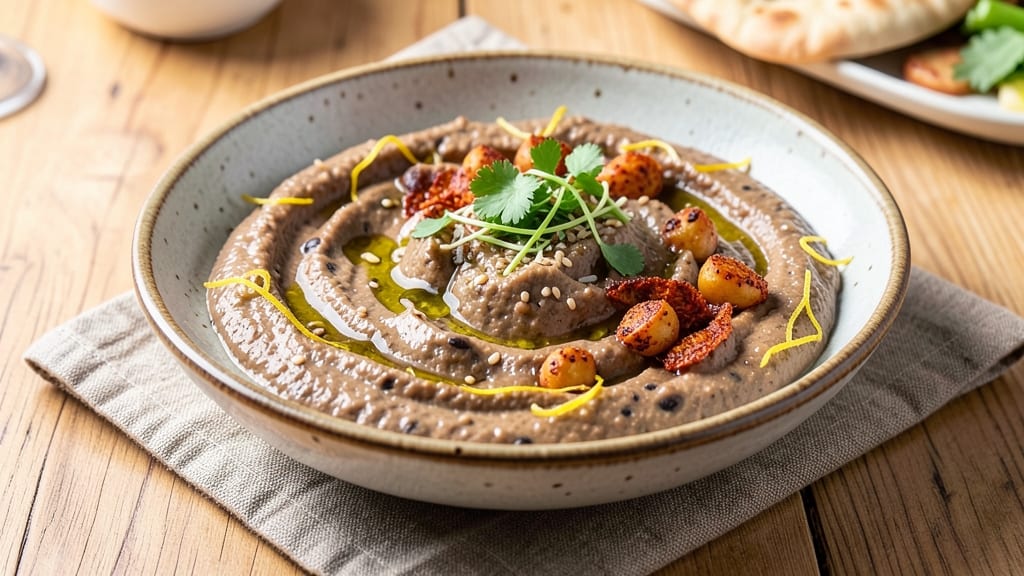
This black bean and chickpea hummus recipe delivers double the protein and a nutty depth that transforms your favorite dips and spreads into something extraordinary. The combination of two legumes creates a rich, velvety texture with a satisfying heartiness that stands up to bold flavors like smoked paprika and cumin.
What makes this version special is how the chickpeas add natural creaminess while the black beans contribute earthy, slightly sweet notes—no gums or stabilizers needed.
The secret to achieving that perfectly balanced consistency lies in blending the cooked beans with tahini, garlic, and lemon juice until smooth, then adjusting with olive oil for that signature silky finish.
Unlike traditional hummus, this version stays creamy without being heavy, making it ideal for everything from sandwich spreads to pasta sauces. The recipe is vegan-friendly and packed with plant-based protein, while still delivering that familiar hummus satisfaction.
What you'll end up with is a hummus that's versatile enough for any occasion—spread it on toast, dollop it into wraps, or serve it with fresh vegetables for dipping.
The nutty depth from the tahini and chickpeas pairs beautifully with smoky spices, creating a flavor profile that's both familiar and exciting. Best of all, it keeps well in the fridge for up to a week, with a protective layer of olive oil to maintain its freshness.
Whether you're hosting a game day gathering or simply craving a nutrient-dense snack, this hummus delivers restaurant-quality results with minimal effort. The instructions are straightforward, and the ingredients are likely already in your pantry. Let's get started on creating a hummus that's as impressive as it is delicious.
Ingredients for black bean and chickpea hummus
Eight simple ingredients crafting restaurant-quality hummus with double the protein and nutty depth.
| Ingredient | Amount | Notes |
|---|---|---|
| Canned Black Beans 🫘 | 1 ½ cups | Drained, rinsed, high quality |
| Canned Chickpeas 🌾 | 1 ½ cups | Drained, rinsed, no salt added |
| Tahini 🥜 | ½ cup | Sesame paste, high quality |
| Extra-Virgin Olive Oil 🫒 | ½ cup | Light, fruity variety |
| Fresh Garlic Cloves 🧄 | 4 cloves | Peeled, roughly chopped |
| Fresh Lemon Juice 🍋 | 3 tbsp | Freshly squeezed, strained |
| Ground Cumin 🌿 | 1 tsp | Toasted for depth |
| Smoked Paprika 🌶️ | 1 tsp | For rich smoky flavor |
| Sea Salt 🧂 | ½ tsp | Diamond Crystal preferred |
| Water 💧 | ¼ cup | For blending consistency |
The chickpeas and black beans are the foundation here, so pick high-quality canned varieties—no salt added and preferably organic. Trader Joe's and Whole Foods carry excellent brands like Eden Organic or BPA-free cans. For tahini, look for 100% sesame paste with no additives; Kirkland Signature or Brami are solid choices. The olive oil matters too—use something light and fruity, like California Olive Ranch, to let the nutty flavors shine through. Fresh garlic and lemon juice are non-negotiable for that bright, vibrant taste, so don't use powdered or bottled substitutes.
No tahini? Substitute with 0.5 cup of extra olive oil and add 1 tbsp of ground sesame seeds for texture. Short on chickpeas? Use 2 cups of white beans instead—they're milder but still creamy. The smoked paprika can be swapped for regular paprika if you prefer less smokiness, but I find it adds that extra depth. For extra creaminess without water, blend in 2 tbsp of silken tofu. And if you're feeling adventurous, add a pinch of ground coriander for warmth—it pairs beautifully with the cumin.
This hummus keeps beautifully—store it in an airtight container with a thin layer of olive oil on top to preserve freshness for up to 7 days in the fridge. For longer storage, freeze in ice cube trays and transfer to a bag for up to 3 months. The protective oil layer isn't just for show; it prevents oxidation and keeps the flavors vibrant. Portion it into small containers for easy dipping or spreading—perfect for game day or snacking throughout the week.
Why You'll Love This Recipe
- No Pantry Panic: I’m talking about a recipe that starts with cans—yes, cans—and still delivers. No soaking, no fancy prep, just open, rinse, blend. The black beans and chickpeas handle all the heavy lifting while I handle the garlic and tahini in minutes.
- Garlic-Tahini Magic: That first bite? Rich, nutty tahini meets smoky black beans, all kissed by fresh garlic and olive oil. It’s not just hummus—it’s the kind that makes you reach for the pita before you even sit down. (Yes, even on a Tuesday night.)
- Game for Any Day: Spread it on toast for breakfast, toss it into grain bowls for lunch, or serve it with veggies when friends drop by. It’s my go-to for lazy mornings, meal prep, or when I need something that feels fancy but isn’t.
- Budget-Friendly Powerhouse: Canned beans and tahini won’t break the bank, and this recipe stretches far—leftovers last for days in the fridge. Honestly, I’ve made this twice in one week and still have jars waiting. That’s efficiency.
Step-by-step instructions for black bean and chickpea hummus
Here's how to create a luxurious hummus with double the protein and nutty richness.
Prepare the Base Ingredients
Start by draining and rinsing the 1.5 cups canned black beans and 1.5 cups canned chickpeas thoroughly under cold water. This removes any excess starch that can make your hummus gummy. I like to use my hands to press and squeeze out extra moisture—this ensures a smoother texture later. Transfer both to a food processor or high-powered blender.
Next, add the 4 cloves fresh garlic cloves and 1 tsp ground cumin to the processor. The garlic should be peeled and roughly chopped to help break down quickly. Pulse these together for 10-15 seconds just to combine before adding the rest. This prevents the garlic from burning during blending and ensures even distribution throughout the hummus.
Blend Wet Ingredients for Creamy Texture
With the processor running, slowly drizzle in the 0.5 cup extra-virgin olive oil through the feed tube. This gradual addition prevents the oil from splattering everywhere and helps emulsify the mixture. Add the 0.25 cup water next—this is crucial for achieving that perfect creamy consistency without making the hummus too thin.
Blend everything on high for 3-4 minutes, stopping to scrape down the sides with a spatula every 30 seconds. You're looking for a smooth, thick paste that coats the sides of the bowl and leaves no visible chunks. If it's too thick, add 1-2 teaspoons more water; if too thin, blend in 1 tablespoon more tahini. The mixture should hold its shape when you spoon it out but still be spreadable.
Incorporate Tahini and Seasonings
Once the base is smooth, add the 0.5 cup tahini and blend again for 1 minute. Tahini is what gives this hummus its signature nutty depth and rich flavor. If you notice the mixture getting too thick, add 1 tablespoon water at a time until it reaches a smooth, dip-able consistency.
Now add the 1 tsp smoked paprika, 0.5 tsp sea salt, and 3 tbsp fresh lemon juice. The smoked paprika adds a subtle smokiness that pairs beautifully with the earthy chickpeas and black beans. Pulse just until combined—you don't want to over-blend and create a bitter taste from the lemon juice. Taste and adjust seasoning if needed, adding more salt or lemon juice as necessary.
Achieve Perfect Consistency and Finish
Transfer the hummus to a serving bowl and let it rest at room temperature for 10-15 minutes. This resting period allows all the flavors to meld together and the texture to thicken slightly. I like to give it a final taste at this stage—sometimes the flavors need a little more time to develop.
For the perfect finish, drizzle a thin layer of extra-virgin olive oil on top and sprinkle with an extra pinch of smoked paprika. Serve immediately with warm pita bread, crisp vegetable sticks, or as a spread for sandwiches. The hummus will keep well in an airtight container in the refrigerator for up to 5 days, though it's best enjoyed fresh when all the flavors are at their peak.
Pro Tips For Making Black Bean And Chickpea Hummus
- Rinse Those Beans: Drain and rinse both the black beans and chickpeas thoroughly under cold water—even if the cans say "no salt added." The starch clinging to them turns hummus gluey, and nobody wants a thick, pasty mess that won’t spread. (Yes, even the "low-sodium" ones.)
- Toast the Tahini: Heat the tahini in a small saucepan over very low heat for 2-3 minutes before adding it to the food processor. This softens its bitterness and blends smoother—no more gritty lumps or that weird aftertaste. Stir occasionally, or it’ll burn before you notice.
- Blend in Stages: Add the black beans and chickpeas first, then pulse until chunky. Drizzle in the olive oil slowly while blending, or you’ll end up with a greasy, unbalanced sludge. Pause halfway to scrape down the sides—this isn’t the time to be lazy.
- Press the Garlic: Mince those garlic cloves with the flat side of your knife before adding them to the processor. Smashing them releases more flavor without turning the hummus into a garlicky nightmare. (And skip the pre-minced jar—it’s waterlogged and dull.)
Health benefits of this black bean and chickpea hummus
Double-Protein Power
This hummus packs a serious protein punch with both chickpeas and black beans, delivering about 20 grams of plant-based protein per ½ cup serving. That's more than traditional hummus and keeps you full for hours.
The combination also provides fiber (12g per serving) that supports digestion and helps stabilize blood sugar levels. 💪
Heart-Healthy Fats
The extra-virgin olive oil and tahini contribute heart-healthy monounsaturated fats that help lower bad cholesterol while keeping you satisfied. These fats also improve nutrient absorption from the legumes, making this hummus a complete nutritional package. I notice my energy levels stay steady after eating it compared to lighter dips.
Rich in Plant-Based Iron
Both black beans and chickpeas are excellent sources of iron, with this recipe providing about 6mg per serving—that's 30% of your daily needs. The vitamin C from lemon juice enhances iron absorption, making this hummus especially beneficial for those with iron-deficiency concerns.
Pair it with iron-rich veggies like bell peppers for maximum benefits.
Digestive Benefits
The fiber content from both legumes promotes healthy digestion and supports gut health. The 12g of fiber per serving helps maintain regularity and feeds beneficial gut bacteria. I've found this hummus particularly helpful when I need a gentle, satisfying snack that doesn't upset my stomach.
Vitamin Boost
This hummus delivers a vitamin powerhouse including folate, vitamin B6, and vitamin K from the chickpeas and black beans. These nutrients support everything from energy production to blood clotting.
The tahini adds extra calcium and magnesium, making this a well-rounded snack that feels indulgent but is actually nourishing. ✨
Low-Calorie Density
Despite its rich, satisfying texture, this hummus is surprisingly low in calories—about 220 calories per ½ cup serving. The combination of protein and fiber creates satiety without the calorie overload you might expect from a creamy dip.
It's perfect for those watching their calorie intake but still wanting a flavorful, satisfying option.
Nutrition facts
Frequently asked questions
Can I make this hummus without tahini?
Yes! For a tahini-free version, replace the ½ cup tahini with ½ cup extra olive oil and add 1 tablespoon ground sesame seeds for texture. The flavor will be slightly different but still delicious. You may need to add 1-2 extra tablespoons of water to achieve the right consistency since tahini helps bind the mixture.
How do I adjust the texture to be chunky instead of smooth?
For a chunky texture, simply pulse the cooked beans and garlic in the food processor for 10-15 seconds before adding any liquids. Then blend in the olive oil and water in short bursts rather than continuously. Stop blending as soon as the ingredients combine—you want visible bean pieces. The final texture should resemble classic Mediterranean hummus with visible chickpea and black bean chunks.
Can I use dried beans instead of canned for extra flavor?
Soak 1 cup dried black beans and 1 cup dried chickpeas overnight, then cook until tender (about 1-1.5 hours). Drain well and pat dry before blending. Dried beans create a more intense flavor but require longer cooking time. For best results, use a pressure cooker to reduce cooking time to 30-40 minutes. The texture will be slightly denser but equally delicious.
Why did my hummus turn out too thick?
This usually happens when too much tahini or not enough liquid is added. Fix it by blending in 1-2 tablespoons of water at a time until smooth. If it's still too thick, add 1 teaspoon of lemon juice to help emulsify. For prevention, measure your tahini carefully and add water gradually while blending. The hummus should coat the back of a spoon but still be spreadable.
How can I make this hummus spicier?
Add ½ teaspoon cayenne pepper or 1 teaspoon hot sauce for immediate heat. For smoky spice, increase the smoked paprika to 1.5 teaspoons. For a slow-building heat, blend in 1 tablespoon of red pepper flakes with the garlic. Always taste as you go—you can adjust the heat level to your preference. The lemon juice will help balance any excessive spiciness.