
Sauces & Condiments
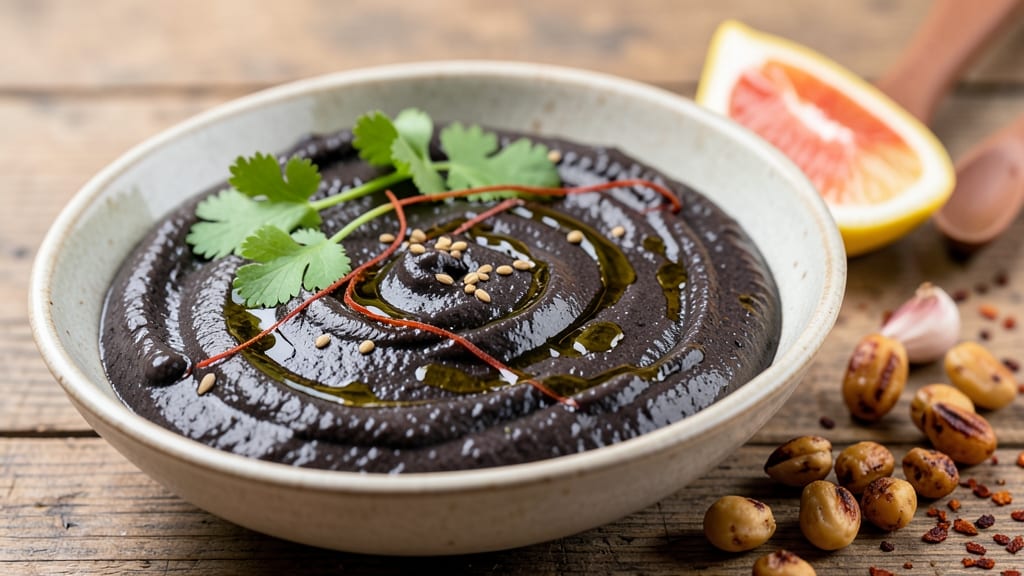
This black bean hummus recipe no tahini delivers all the creamy, smoky depth of traditional hummus—without the nutty tahini. The secret lies in black beans, which bring natural creaminess and a rich, earthy flavor that pairs perfectly with garlic, cumin, and lemon.
I developed this version after realizing tahini-free hummus could be just as luxurious, especially for those avoiding sesame or seeking a legume-forward dip. The texture is velvety-smooth, with just enough body to cling to chips or bread.
The foundation is simple: black beans blended with garlic, lemon juice, and olive oil until perfectly smooth, then elevated with smoked paprika and cumin for warmth. Unlike tahini-based hummus, this version relies on the beans' natural fat content for creaminess, while chickpeas (if added) contribute extra texture.
It’s a vegan powerhouse, packed with plant-based protein and fiber from the black beans, making it both satisfying and nutritious.
What sets this apart is the balance of flavors—bright lemon cuts through the beans' earthiness, while smoked paprika adds a subtle, restaurant-quality depth. The result is a dip that’s rich enough for a main course but light enough for snacking.
Store it in an airtight container for up to 5 days, or freeze for longer shelf life. The taste only improves as the flavors meld.
Perfect for game day, veggie platters, or as a protein-rich spread on toast. This hummus proves that tahini isn’t the only way to achieve creamy, flavorful perfection. Let’s make it—your taste buds (and diet) will thank you.
Ingredients for black bean hummus recipe no tahini
Nine simple ingredients transform into creamy, smoky hummus without tahini.
| Ingredient | Amount | Notes |
|---|---|---|
| Black Beans 🫘 | 1 ½ cups | Canned, drained and rinsed |
| Chickpeas 🌾 | 1 cup | Canned, drained and rinsed |
| Extra-Virgin Olive Oil 🫒 | ½ cup | High quality, fruity |
| Garlic Cloves 🧄 | 4 cloves | Peeled, roughly chopped |
| Lemon Juice 🍋 | ¼ cup | Freshly squeezed |
| Smoked Paprika 🌶️ | 1 tbsp | For smoky depth |
| Ground Cumin 🌿 | ½ tbsp | Toasted for warmth |
| Sea Salt 🧂 | ½ tsp | Fine grain preferred |
| Water 💧 | ¼ cup | Only if needed for blending |
Black beans are the star here—canned is fine, but if you've got dried, soak overnight for the best texture. Trader Joe's has the best canned black beans (no funny aftertaste), but any organic brand works. Chickpeas add body, so don't skip them unless you want it ultra-smooth. The olive oil matters—extra-virgin gives that fruity depth you taste in high-end hummus. Garlic? Roast it first if you're feeling fancy—sweet, caramelized flavor instead of sharp. Smoked paprika is non-negotiable for that restaurant-quality smokiness.
No smoked paprika? Regular paprika plus a pinch of liquid smoke works in a pinch. Short on chickpeas? Extra black beans will keep it creamy, but texture gets thinner. Lemon juice can be swapped for vinegar (white or apple cider), but fresh is always better. The water is just for blending—only add if needed to reach your desired consistency. For extra richness, stir in 1 tbsp tahini-free cashew cream after blending. Want it spicier? Add a dash of cayenne or hot sauce.
This hummus thickens as it sits—stir in a splash of water if it gets too thick after 30 minutes. Store in an airtight container with a thin layer of olive oil on top to prevent browning. Keeps 5-6 days in the fridge, or 3 months frozen. Freeze in ice cube trays for perfect single-serving portions. The flavor actually improves after a day or two as everything melds together—worth the wait.
Why You'll Love This Recipe
- No Blender Hassle: I’ll admit, I used to dread hummus—messy blenders, sticky residue, the whole thing. This version? Just mash the beans with a fork, stir in the olive oil and lemon, and you’re done. No cleanup, no fuss, just smooth texture every time.
- Garlic-Kissed Magic: That first bite of creamy black beans with roasted garlic and a bright lemon hit? It’s like a party in your mouth. The olive oil ties it all together—rich but never heavy—so it’s bold without being overwhelming.
- Game for Any Spread: Dip chips, slather on toast, or smear it over grilled veggies. Honestly, I’ve even used it as a taco sauce base (yes, really). The chickpeas and black beans give it enough body to stand alone or play well with others.
- Pantry Goldmine: I keep a can of each bean on hand just for this—it’s my go-to when I’m low on cash or time. A single batch stretches for days, and the ingredients? All under $3 at my grocery store. Budget-friendly doesn’t get much better than this.
Step-by-step instructions for smoky cumin black bean hummus
This hummus delivers rich, smoky flavor without tahini—just legume power and bold seasoning.
Toast the Spices for Maximum Flavor
In a dry skillet over medium heat, toast the 0.5 tablespoon ground cumin and 1 tablespoon smoked paprika for 1-2 minutes until fragrant. You'll smell that deep, earthy aroma—this is where the magic starts. Let the spices cool for 2 minutes before using, as hot spices can cook the beans too quickly and turn the hummus bitter.
While the spices toast, I like to give the 1.5 cups black beans and 1 cup chickpeas a quick rinse under cold water to remove any residual canning liquid. Drain them thoroughly in a colander and pat dry with a clean kitchen towel. This step prevents a watery hummus later on.
Blend the Base Ingredients
Transfer the drained beans and chickpeas to a food processor. Add the 0.25 cup lemon juice and 0.5 teaspoon sea salt—this brightens the flavor and helps balance the richness. Pulse a few times to break up any large chunks, but don't over-blend yet. You want to preserve some texture.
Now add the toasted spices and 4 cloves roughly chopped garlic. Garlic can burn quickly, so don't worry if it's not perfectly minced—it'll blend smooth. Pulse again until everything is combined but still slightly chunky. This ensures you get that satisfying texture without overworking the mixture.
Stream in Oil for Creamy Perfection
With the food processor running, slowly drizzle in the 0.5 cup extra-virgin olive oil. Start with a thin stream and gradually increase to a steady flow. This emulsifies the hummus, creating that luscious, velvety consistency. Stop occasionally to scrape down the sides—this ensures even blending and prevents the motor from overheating.
Here's the thing—don't rush this step. You want the oil to fully incorporate, creating a thick, spreadable texture. If the mixture looks too thick after adding all the oil, add 1-2 tablespoons of water (from the 0.25 cup available) at a time until it reaches your desired consistency. It should be smooth but still hold its shape when spooned.
Adjust Seasoning and Texture
Taste the hummus and adjust the seasoning if needed. You might want to add a touch more lemon juice for brightness or sea salt for depth. I often find that the smoky flavors need a little balancing, so a squeeze of fresh lemon can make all the difference. Give it one final taste before serving.
For the perfect serving texture, transfer the hummus to a bowl and smooth the top with a spatula. Garnish with a drizzle of extra-virgin olive oil and a sprinkle of smoked paprika for that restaurant-quality finish. Serve immediately with warm pita bread, crisp vegetables, or as a dip for your favorite snacks.
Pro Tips For Making Black Bean Hummus Recipe No Tahini
- TOAST THE BEANS FIRST: I learned this the hard way—skipping the toasting step makes the hummus taste flat. Dry-toast your black beans and chickpeas in a skillet over medium heat for 5-7 minutes, stirring often, until they smell nutty and slightly crisp. This deepens the flavor way more than just boiling them.
- PRESS GARLIC HARD: Minced garlic? Too easy. Smash those cloves with the flat side of your knife first, then press them into the mix with a garlic press or the back of a spoon. You want that garlic to break down into a paste—this releases more flavor and prevents clumps. (Yes, even if you’re impatient like me.)
- LEMON JUICE LAST: Add lemon juice at the very end, right before serving. If you mix it in early, the acid will make the hummus separate and turn grainy. A splash of fresh lemon—about 2 tablespoons—brightens the whole thing, but timing is everything here.
- BLEND IN STAGES: Don’t dump everything in the blender at once. First, blend the beans, chickpeas, and garlic with just 1 tablespoon of olive oil until smooth. Then, slowly drizzle in the rest of the oil while blending. This keeps the texture creamy without turning it into soup. (Your future self will thank you.)
Troubleshooting this recipe
Grainy Texture Fix
If your hummus turns out grainy despite blending, it’s likely because the beans weren’t broken down enough. Pulse the mixture in 5-second bursts instead of continuous blending—this prevents overheating the food processor motor and ensures even texture.
For extra smoothness, add 1-2 tablespoons of water while blending to help the beans emulsify better. If you’re using dried beans, soak them longer (overnight) for a creamier result. 💫
Too Thin or Watery
A watery hummus usually means excess liquid from the beans or chickpeas. Drain them thoroughly and pat dry with a kitchen towel before blending. If the mixture still seems too thin, let it sit uncovered in the fridge for 30 minutes—the starches will thicken naturally.
For immediate fixes, add 1 tablespoon of toasted chickpea flour or 1 tablespoon of ground flaxseed to absorb excess moisture.
Lacking Creaminess
Without tahini, achieving creaminess relies on proper oil emulsification. Stream the extra-virgin olive oil slowly while blending, and scrape down the sides every 30 seconds to ensure even distribution. For extra richness, stir in 1 tablespoon of cashew butter (tahini-free) after blending.
If the hummus still feels dry, add 1 tablespoon of aquafaba (chickpea brine) for a silky texture without altering flavor. 🥄
Flat or Bland Flavor
Flat hummus often means the spices weren’t toasted enough or the lemon wasn’t fresh. Always toast your cumin and smoked paprika until fragrant—this deepens their flavor. Use freshly squeezed lemon juice (bottled lacks brightness) and add a pinch of red pepper flakes for subtle heat.
For a smoky boost, stir in ½ teaspoon of liquid smoke (like La Choy) after blending.
Separation After Storage
Hummus can separate if stored improperly. Always keep it in an airtight container with a thin layer of olive oil on top to seal in moisture. Before serving, give it a quick stir and add 1-2 tablespoons of water if it’s too thick.
For extra insurance, blend in 1 teaspoon of xanthan gum (common in baking) to stabilize the texture. This trick works wonders for preventing separation over time. ⚡
Nutrition facts
Frequently asked questions
Can I use black beans instead of chickpeas for hummus?
This recipe is designed to work with black beans as the primary base, but you can use them exclusively if you prefer. For a 100% black bean hummus, replace the 1 cup chickpeas with an extra 1 cup black beans—just add 1-2 tablespoons of water while blending to maintain creaminess. The texture will be slightly smoother but equally flavorful.
Why does my hummus turn out too thick or too thin?
Thickness depends on liquid balance. If it's too thick, stir in 1 tablespoon of water at a time until smooth. Too thin? Let it sit uncovered in the fridge for 30 minutes—the starches will naturally thicken. For extra insurance, add 1 teaspoon of aquafaba (chickpea brine) for creaminess without altering flavor. Always drain beans thoroughly before blending!
How do I make this hummus extra creamy without tahini?
Emulsification is key! Stream in the 0.5 cup olive oil slowly while blending, and scrape down the sides every 30 seconds to ensure even distribution. For added richness, stir in 1 tablespoon of cashew butter (tahini-free) after blending. If it still feels dry, blend in 1 tablespoon of aquafaba for a silky texture.
Can I freeze this black bean hummus?
Yes! Freeze in airtight containers or ice cube trays for single servings. Thaw overnight in the fridge and stir in 1 tablespoon of water if needed to restore texture. The flavor actually improves after freezing—just avoid refreezing once thawed. For best results, add a thin layer of olive oil before freezing to prevent browning.
What’s the best way to serve this hummus?
This smoky, cumin-rich hummus pairs perfectly with warm pita bread, crisp veggie sticks, or as a spread on toasted baguette slices. For a hearty meal, serve with grilled halloumi or roasted eggplant. The bold flavors also make it ideal for game day snacks or as a protein-rich dip for chips and salsa.