
Sauces & Condiments
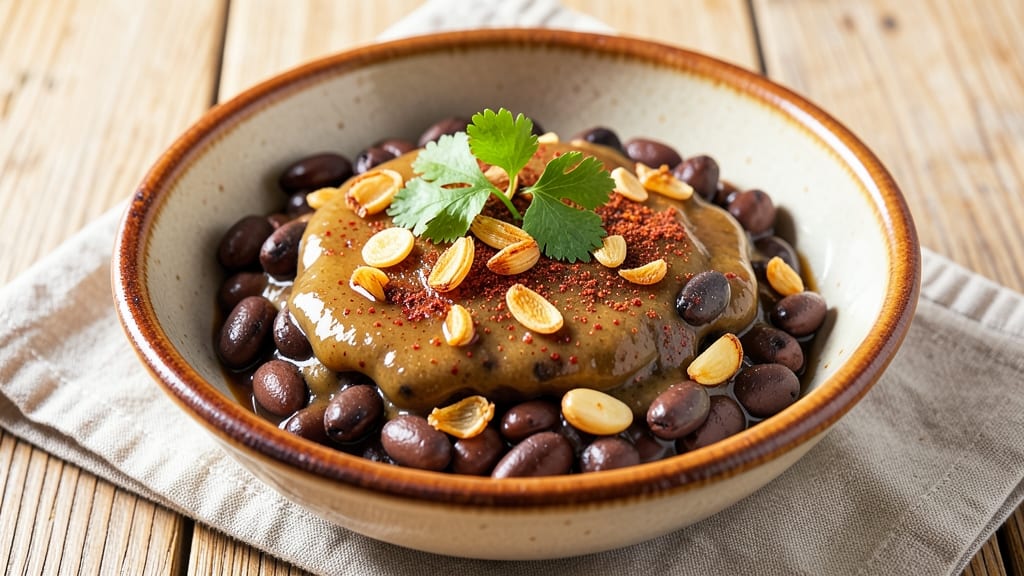
This vegetarian black bean garlic sauce transforms simple ingredients into a rich, umami-packed condiment that elevates everything from stir-fries to tacos. The secret lies in simmering black beans with garlic, soy sauce, and vinegar until the flavors meld into a velvety, savory paste.
I developed this recipe after craving a meat-free sauce that still delivered deep, satisfying flavor—no shortcuts, just pure umami magic.
The beauty of this sauce is its versatility—it works as a marinade, stir-fry base, or dipping sauce, and it keeps well in the fridge for up to a week. The garlic infuses the beans with aromatic depth, while a touch of smoked paprika adds warmth.
Unlike store-bought sauces, this one builds flavor through slow cooking, ensuring every spoonful is packed with complexity. Perfect for batch prep, it’s the kind of sauce that makes weeknight cooking feel like a restaurant experience.
What you’ll end up with is a smooth, slightly thick sauce with a perfect balance of tangy, smoky, and garlicky notes. The texture is ideal for tossing with noodles, drizzling over grilled vegetables, or slathering on sandwiches.
And because it’s vegetarian, it’s equally at home in plant-based dishes or as a flavor booster for tofu, tempeh, or roasted potatoes. The best part? It’s ready in under 30 minutes with just a handful of pantry staples.
Once you taste this sauce, you’ll never reach for bottled again. Its bold, layered flavor makes it a pantry essential—simple enough for everyday meals but impressive enough for guests. Let’s make it.
Ingredients for black bean garlic sauce recipe vegetarian
Nine pantry staples transform into a restaurant-worthy sauce that'll make you ditch store-bought forever.
| Ingredient | Amount | Notes |
|---|---|---|
| Black Beans 🫘 | 1 ½ cups | Canned, drained and rinsed |
| Garlic Cloves 🧄 | 6 whole | Peeled, roughly chopped |
| Low-Sodium Soy Sauce 🍶 | ¼ cup | For umami depth |
| Apple Cider Vinegar 🍎 | 2 tbsp | For tangy brightness |
| Smoked Paprika 🌶️ | 1 tbsp | For smoky warmth |
| Extra-Virgin Olive Oil 🫒 | 2 tbsp | For richness and sheen |
| Vegetable Broth 💧 | ½ cup | Low-sodium preferred |
| Brown Sugar 🍚 | 1 tbsp | Balances flavors |
| Ground Cumin 🌿 | ½ tsp | Toasted for depth |
| Salt 🧂 | ½ tsp | Adjust to taste |
The black beans are the star here—canned is totally fine, but if you've got dried, soak them overnight for extra creaminess. Trader Joe's and Whole Foods carry great low-sodium options that won't overpower the sauce. Garlic is non-negotiable for that aromatic punch, but don't burn it—just rough chop and let it infuse. The smoked paprika? Penzeys or McCormick are solid choices, and a little goes a long way. I always buy extra because it's so versatile. For the soy sauce, Kikkoman is my go-to, but any low-sodium brand works.
No smoked paprika? Regular paprika plus a pinch of liquid smoke gets you close. Short on garlic? Garlic powder at half the amount works in a pinch, but fresh is ideal. The brown sugar can be swapped for maple syrup if you're avoiding refined sugar. For a smoother texture, blend the sauce after cooking—immersion blender makes cleanup a breeze. If you're making this for a crowd, double the batch—it keeps beautifully and makes everything taste like you slaved away in the kitchen (no one will know your secret).
This sauce is a fridge staple—up to 1 week in an airtight jar. For longer storage, freeze portions in ice cube trays, then transfer to a bag. Thaw overnight in the fridge or microwave for 30 seconds. The flavor actually improves after a day or two as everything melds together. I keep a jar in my pantry at all times—it's my go-to for quick stir-fries, tacos, or even as a marinade for tofu. Trust me, you'll make this at least once a week once you try it.
Why You'll Love This Recipe
- Pantry Magic: I swear by this sauce because it lives in my cupboard, not the fridge. Open a can of beans, crush a few cloves, splash in vinegar—no fancy shopping required. The smoked paprika gives it that just-made depth without extra effort.
- Umami Bomb: That garlic-soy-vinegar combo? It’s like a flavor grenade in the best way. The beans soak up the sauce until it’s sticky, smoky, and ridiculously satisfying—no weird aftertaste, just pure, bold flavor.
- Weeknight Swiss Army Knife: Slap this on toast for breakfast, stir it into rice for lunch, or drizzle it over roasted veggies at dinner. Honestly, I’ve even used it as a taco dip when I’m lazy. It’s the one sauce that does it all without screaming “I’m a side dish.”
- Budget Stretch: A can of beans, a bulb of garlic, and a bottle of vinegar last me months. Between us, this sauce turns $3 worth of ingredients into something that feels like a restaurant dish. Plus, leftovers? They taste just as good reheated as they do fresh.
Step-by-step instructions for black bean garlic sauce
Here's how to create this versatile, umami-rich sauce that works magic in bowls, bowls, and more.
Toast the Garlic and Spices
Heat the 2 tablespoons extra-virgin olive oil in a medium saucepan over medium-low heat. Add the 6 whole garlic cloves and the 1 tablespoon smoked paprika, stirring constantly for 2-3 minutes until the garlic turns golden and fragrant. You'll smell that irresistible garlic aroma—this is where the sauce builds its flavor foundation.
Watch the garlic carefully—it burns quickly. When it reaches that perfect golden stage (not brown), immediately remove the pan from heat. Add the 0.5 teaspoon ground cumin and stir for another 30 seconds to toast its earthy notes. This step develops deep, complex flavors that set this sauce apart from basic bean dips.
Simmer the Bean Base
Return the pan to medium heat and add the 1.5 cups drained black beans. Stir to coat them in the garlic oil, breaking up any large clumps with a wooden spoon. Cook for 3-4 minutes until the beans are heated through and slightly softened. You'll see them release their natural juices, creating a thick, creamy base.
Add the 0.5 cup vegetable broth and stir well. The liquid should just barely cover the beans. Bring to a gentle simmer, then reduce heat to low. Let it cook uncovered for 5 minutes, stirring occasionally, until the broth reduces slightly and the beans begin to break down into a chunky purée. This simmering step develops the sauce's velvety texture.
Build the Flavor Layers
Add the 0.25 cup low-sodium soy sauce, 2 tablespoons apple cider vinegar, and 1 tablespoon brown sugar to the simmering beans. Stir vigorously and let the mixture cook for 4-5 minutes until it thickens slightly and the flavors meld together. You'll notice the sauce darken slightly and develop a glossy sheen—this indicates the flavors are combining beautifully.
Taste and adjust seasoning with the 0.5 teaspoon salt. I usually add a pinch more salt here because the vinegar can make the sauce taste slightly flat. The sauce should balance sweet, tangy, smoky, and umami flavors perfectly. If it's too thick, add 1-2 tablespoons water to reach your desired consistency for dipping or tossing.
Finish and Cool
Remove the sauce from heat and let it cool for 5 minutes. This resting period allows all the flavors to settle and the sauce to thicken slightly as it cools. Use an immersion blender to purée the sauce until completely smooth, or carefully transfer it to a blender and blend until silky. The texture should be thick enough to coat the back of a spoon but still pourable.
For best results, let the sauce sit at room temperature for 15-20 minutes before using. This resting time enhances the flavors dramatically. Store any leftovers in an airtight container in the refrigerator for up to 5 days, or freeze for 3 months. The sauce actually tastes better the next day as the flavors continue to develop!
Pro Tips For Making Black Bean Garlic Sauce Recipe Vegetarian
- Sauté Garlic Low and Slow: I learned this the hard way—crisping garlic in this sauce turns it bitter. Keep the heat at medium and stir constantly until it’s golden but not brown. The sauce will still have depth without that burnt taste.
- Mash Half the Beans: Skip blending everything smooth—leave about half the beans slightly chunky. That texture adds body and makes the sauce cling better to noodles or rice. (Yes, even if you’re impatient like me.)
- Bloom Paprika First: Add the smoked paprika right when you start cooking the garlic. It releases its flavor faster and blends in evenly, so you don’t end up with specks of spice at the bottom of the pan.
- Simmer Until Thick: Let the sauce reduce for at least 5 minutes after everything’s combined. That’s when the vinegar and soy sauce marry into something cohesive—not just a thin glaze. (Your future self will thank you.)
Make-ahead tips for this recipe
Batch Prep Essentials
Double or triple the recipe when you make this sauce—it’s perfect for meal prep! Store it in quart-sized glass jars with tight-sealing lids, which keep flavors fresh longer than plastic. I use Ball Mason jars because they’re sturdy and stack neatly in my fridge.
Label each jar with the date so you can track freshness—this sauce stays vibrant for up to 5 days in the fridge. 💡
Freezing for Later
For long-term storage, freeze the sauce in ice cube trays—it thaws perfectly for quick use. Once frozen, transfer the cubes to a ziplock freezer bag and squeeze out excess air to prevent freezer burn. This method lets you grab just the amount you need without thawing the whole batch.
The sauce keeps its flavor for up to 3 months in the freezer, though I’ve found it’s best used within 2 months for peak freshness.
Thawing Like a Pro
Need to use frozen sauce quickly? Place the jar in a bowl of lukewarm water for 10-15 minutes—this gentle thawing preserves texture better than microwave defrosting. If you’re short on time, microwave it in 20-second bursts, stirring between each, until just thawed.
Avoid microwaving to full heat, as it can make the sauce watery. For best results, let it sit at room temperature for 5 minutes after thawing before using. ✨
Reheating for Maximum Flavor
Reheat sauce gently on the stovetop over low heat, stirring constantly to prevent scorching. Add 1-2 tablespoons of water if it thickens too much during reheating. If using in a dish like stir-fry, add the sauce directly to the pan—it’ll warm through perfectly while coating your food.
Never reheat to a boil, as this can break down the delicate garlic flavors you worked so hard to develop. 🔥
Sauce Consistency Hacks
If your sauce is too thick after reheating, thin it with warm water or vegetable broth—start with 1 tablespoon at a time until you reach your desired consistency. For a smoother texture, blend again briefly with an immersion blender after reheating.
If it’s too thin, simmer uncovered for 2-3 minutes to reduce. The key is adjusting gradually—this sauce is forgiving, but small tweaks make all the difference. 💫
Flavor Boost Before Serving
Before using, give the sauce a quick 30-second simmer on the stove to revive its aroma. Finish with a drizzle of extra-virgin olive oil and a pinch of smoked paprika for extra depth.
For a fresh twist, stir in 1 teaspoon of chopped cilantro or green onion just before serving. These final touches elevate the sauce from good to restaurant-quality every time. 🌿
Nutrition facts
Frequently asked questions
Can I use this sauce as a marinade for tofu or tempeh?
This sauce makes an excellent marinade for tofu or tempeh. Let the protein soak in the sauce for at least 30 minutes (or up to 4 hours in the fridge) to maximize flavor absorption. For extra tenderness, lightly press the tofu first and pat it dry. The garlic and soy sauce will create a delicious crust when cooked.
What if I don't have smoked paprika?
No problem! Swap the smoked paprika for regular paprika plus a pinch of liquid smoke (about 1/8 teaspoon). For a different flavor profile, try 1/2 teaspoon of chipotle powder instead—it adds a smoky, slightly spicy kick. If you're avoiding all smoked flavors, just omit it and add an extra 1/4 teaspoon of garlic powder to boost the aromatic notes.
How can I make this sauce spicier?
Add heat with 1/2 teaspoon of cayenne pepper or 1 teaspoon of red pepper flakes when you toast the garlic. For a smoky-spicy twist, stir in 1/2 teaspoon of chili powder with the other spices. If you prefer fresh heat, mash 1/2 a jalapeño into the sauce after blending. Always taste first—you can adjust gradually.
Can I use white beans instead of black beans?
Yes, but the flavor will differ slightly. White beans will create a milder, creamier sauce with less earthy depth. For best results, use cannellini or great northern beans and add an extra 1/2 teaspoon of garlic powder to compensate. The texture will be smoother, but the sauce will lack the rich, smoky complexity of black beans.
What's the best way to use leftover sauce?
Leftover sauce is incredibly versatile! Use it as a dip for veggie sticks, a glaze for grilled vegetables, or a quick stir-fry sauce. For tacos or bowls, mix it with 1 tablespoon of lime juice and fresh cilantro. It also makes a fantastic sandwich spread—try it on toasted bread with avocado. The sauce keeps well for 5 days in the fridge, so don't hesitate to make extra!