
Sauces & Condiments
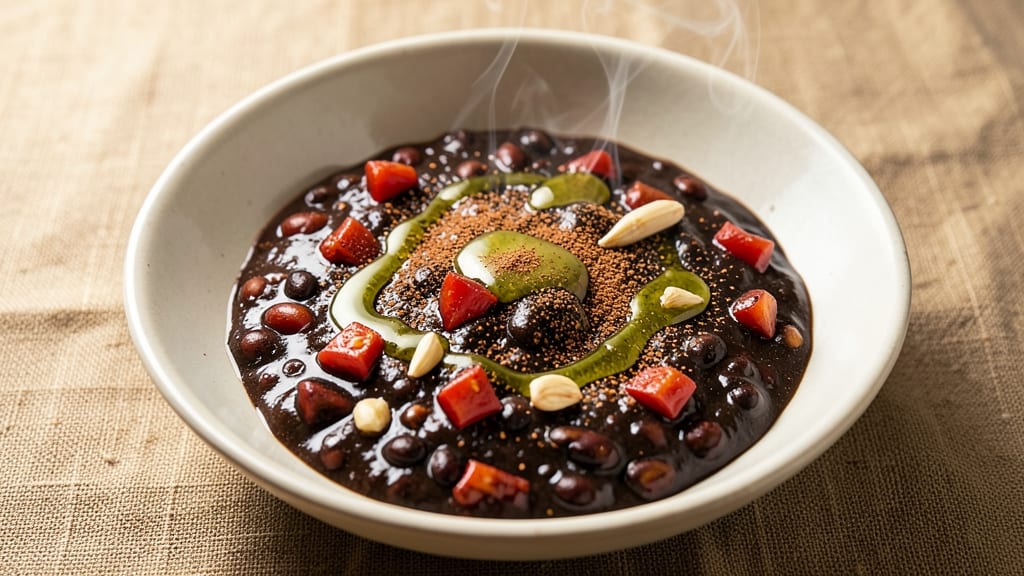
This black bean chili sauce recipe transforms pantry staples into a rich, smoky, and deeply flavorful condiment that adds bold umami heat to any dish.
The secret lies in simmering black beans, tomatoes, and chili peppers until they break down into a thick, velvety sauce infused with cumin, smoked paprika, and garlic. Unlike store-bought versions, this sauce builds layers of complexity through slow cooking, ensuring every drizzle delivers restaurant-quality depth.
What sets this sauce apart is its versatility—it elevates tacos, bowls, tofu stir-fries, or even grilled meats with just a few spoonfuls.
The blend of black beans and tomatoes creates a naturally thick texture without relying on thickeners, while the spices deliver a perfect balance of smoky warmth and subtle sweetness.
No special equipment is needed beyond a pot and an immersion blender (or regular blender), making it accessible for any home cook.
The result is a smooth, slightly chunky sauce with a deep red hue and an aroma that instantly makes your kitchen smell like a bustling Mexican cantina.
The sauce thickens as it cools, making it ideal for meal prep—simmer a big batch and store it in the fridge for up to a week or freeze it for months.
Whether you're drizzling it over nachos, mixing it into soups, or using it as a marinade, this sauce will become your go-to pantry essential.
Best of all, it’s completely plant-based, packed with protein, and free from artificial additives. Let’s get cooking—this sauce is simpler to make than you’d think, and the flavor reward is unbeatable.
Ingredients for black bean chili sauce
Pantry staples meet bold flavors in this plant-based sauce that transforms simple ingredients into rich umami depth.
| Ingredient | Amount | Notes |
|---|---|---|
| Black Beans 🌱 | 1 ½ cups | Drained and rinsed, cooked or canned |
| Fire-Roasted Diced Tomatoes 🍅 | 1 can | 28 oz can, no salt added |
| Chipotle Peppers in Adobo 🌶️ | ¼ cup | Chopped, for smoky depth |
| Garlic Cloves 🧄 | 4 cloves | Peeled, for aromatic base |
| Ground Cumin 🌿 | 1 ½ tbsp | Toasted for deeper flavor |
| Smoked Paprika 🌶️ | 1 ½ tbsp | For authentic smoky taste |
| Extra-Virgin Olive Oil 🫒 | ¼ cup | For richness and balance |
| Lemon Juice 🍋 | 2 tbsp | Freshly squeezed, for brightness |
| Vegetable Broth 💧 | 1 cup | Low-sodium preferred |
| Cayenne Pepper 🔥 | ½ tsp | Adjust for heat preference |
The black beans are the heart of this sauce—canned or cooked works equally well. I always grab low-sodium canned beans from Trader Joe's or Whole Foods to control the salt, but any brand is fine if you rinse them well. Fire-roasted tomatoes add natural sweetness and depth, and the chipotle peppers in adobo are non-negotiable for that smoky, slightly sweet heat. If you can't find chipotle peppers, smoked paprika plus a pinch of sugar comes close. The garlic? Fresh is best, but garlic powder at half the amount works in a pinch (though it won't be as aromatic).
No smoked paprika? Regular paprika plus a dash of liquid smoke gets you there. Short on black beans? Kidney beans or lentils work in a bind, though texture will differ slightly. The olive oil matters here—use something fruity and peppery, like California extra-virgin. If you're sensitive to acidity, reduce the lemon juice to 1 tbsp or skip it entirely. For extra thickness, mash a few beans with a fork during cooking. And trust me, toasting the cumin in a dry pan for 30 seconds before adding it takes this sauce to the next level—worth the extra minute.
This sauce thickens as it cools, so don't worry if it looks thin while hot. Store it in an airtight container in the fridge for up to 1 week, or freeze for 3 months. I like to portion it into ice cube trays for easy single-use servings. The flavor actually improves after a day or two in the fridge—let it sit overnight if you can. And if it separates? Just give it a quick stir before using. It's meant to be slightly chunky, so don't over-blend!
Why You'll Love This Recipe
- One-Pot Magic: I swear by this recipe—just toss everything into one pot, let it simmer, and walk away. The black beans soften while the chipotle peppers in adobo melt into the fire-roasted tomatoes, creating a smoky depth without any extra cleanup.
- Smoky Depth in Minutes: That first bite? The garlic and cumin hit like a warm hug, but the chipotle peppers in adobo add a slow-building heat that lingers. Honestly, it’s the kind of flavor that makes you reach for the jar again before the week’s out.
- Meal Prep MVP: This sauce keeps for days in the fridge—perfect for tossing into scrambled eggs, drizzling over avocado toast, or mixing into rice bowls. I make a big batch on Sundays and use it all week, no stress.
- Budget-Friendly Powerhouse: Black beans, canned tomatoes, and spices don’t break the bank, but the result feels like a restaurant-quality sauce. Between us, this is my go-to for stretching meals without sacrificing taste—especially when I’m feeding a crowd.
Step-by-step instructions for black bean chili sauce
This smoky, umami-packed sauce comes together in one pot with ingredients you already have.
Sauté Aromatics Until Fragrant
Heat the 0.25 cup extra-virgin olive oil in a large pot over medium heat. Add the 4 peeled garlic cloves and cook for 1-2 minutes until they're just beginning to turn golden—this prevents them from burning, which would make the sauce bitter. Stir constantly so they cook evenly.
Next, add the 1.5 tablespoons ground cumin and 1.5 tablespoons smoked paprika, stirring for 30 seconds until the spices are fully incorporated and their aroma fills the kitchen. This is where the deep, earthy flavors develop. If you toasted your cumin earlier, you'll notice an even more pronounced aroma here.
Add Tomatoes and Chipotle for Depth
Pour in the contents of the 1 can fire-roasted diced tomatoes (including the juices) and bring everything to a gentle simmer. Let it cook for 5 minutes until the tomatoes break down slightly and the mixture thickens just a bit. This step builds the sauce's foundation.
Reduce the heat to low and stir in the 0.25 cup chopped chipotle peppers in adobo. The adobo sauce adds both moisture and that signature smoky depth. Let the mixture simmer for 3-4 minutes—you'll see the sauce darken slightly as the flavors meld together. This is where the sauce starts to develop its rich, complex character.
Incorporate Black Beans and Broth
Add the 1.5 cups drained and rinsed black beans to the pot and stir well to combine. The beans will help thicken the sauce naturally as they cook. Pour in the 1 cup vegetable broth and bring everything back to a gentle simmer. Let it cook uncovered for 10-12 minutes, stirring occasionally.
You're looking for a sauce that's thick but still pourable—it should coat the back of a spoon but not be gluey. If it's too thick, add 1-2 tablespoons water to loosen it. The beans should be heated through, and the sauce should have a velvety texture with visible chunks of beans and tomatoes.
Finish with Brightness and Heat
Stir in the 2 tablespoons freshly squeezed lemon juice and 0.5 teaspoon cayenne pepper. The lemon juice brightens all the deep, smoky flavors, cutting through the richness. Taste the sauce and adjust the seasoning—you might want to add a pinch more salt if needed, though the fire-roasted tomatoes and broth should provide enough.
Let the sauce simmer for another 2-3 minutes to let all the flavors meld completely. The final sauce should have a rich, smoky aroma with bright citrus notes and a subtle kick of heat. If you prefer a smoother texture, you can blend about half the sauce with an immersion blender, leaving some texture for body.
Rest and Serve
Remove the pot from heat and let the sauce rest for 5 minutes. This allows the flavors to fully develop and the sauce to thicken slightly as it cools. The resting period is crucial—it makes the difference between a good sauce and a great one.
Serve the black bean chili sauce warm over your favorite dishes—it's perfect for tacos, grilled meats, or even as a dip for tortilla chips. The sauce keeps well in the refrigerator for up to 5 days or can be frozen for 3 months, making it a great make-ahead option for meal prep.
Pro Tips For Making Black Bean Chili Sauce
- Sear the Garlic: First, toast the minced garlic in a dry pot over medium heat until it’s just golden—about 30 seconds. I learned this the hard way: raw garlic can taste bitter in the sauce, and you don’t want that sharp edge cutting through your smoky, spicy chili.
- Simmer the Chipotle: Blend the chipotle peppers with their adobo sauce—don’t skip it. The sauce adds depth, and skipping it means missing out on that rich, slightly sweet umami that balances the heat. If you’re using canned chipotles, drain them first to avoid a watery sauce.
- Drain the Beans: Rinse the black beans after cooking them, not before. Cooked beans hold onto their natural starch, which thickens the sauce naturally—no need for extra cornstarch. If you rinse them raw, you’ll lose that thickening power and end up with a thinner, less cohesive sauce.
- Low and Slow: Keep the heat at a gentle simmer, not a rolling boil. I used to rush it, and the sauce would split or taste harsh. A steady simmer for 20-25 minutes lets the flavors meld without breaking down the tomatoes or burning the spices—just let it do its thing.
Wine and beer pairings for this black bean chili sauce
Red Wine Pairings
A bold Zinfandel from California is my go-to choice—its jammy dark fruit and peppery notes mirror the sauce's smoky depth while standing up to the black beans' earthiness. Look for a 2019 Dry Creek Vineyard or Seghesio for that perfect balance of richness and acidity.
The wine's natural sweetness complements the sauce's subtle sweetness from the chipotle and tomatoes. 🍷
White Wine Options
For a lighter pairing, try a Mexican-style white wine like Blanco from Baja California. Brands like Bodega de Santo Tomás or Casa Madero offer crisp acidity with citrus undertones that cut through the sauce's richness.
The slight effervescence in some Mexican whites also refreshes your palate between bites. Serve slightly chilled for best results.
Craft Beer Selections
A Mexican lager such as Modelo Especial or Pacifico creates a classic match—the beer's clean, malty profile lets the sauce's flavors shine. For a hoppier option, try a Mexican IPA like Estrella Damm Daura—the citrusy hops complement the lemon juice in the sauce.
Avoid overly bitter beers that might overpower the dish.
Non-Alcoholic Choices
For a refreshing non-alcoholic option, serve Mexican horchata—its cinnamon and rice base provides sweetness that contrasts beautifully with the sauce's smokiness. Alternatively, a sparkling limeade with fresh mint leaves adds brightness. Both drinks enhance the meal without competing with the sauce's bold flavors. ✨
Regional Wine Adaptations
In Texas, I recommend a Texas Hill Country red blend—local wineries like William Chris Vineyards craft wines with dark fruit and spice that pair wonderfully.
For California, a Monterey County Syrah offers earthy notes that complement the smoked paprika. Each region's unique terroir brings something special to the pairing experience.
Serving Temperature
Serve red wines at 60-65°F and whites at 45-50°F to highlight their aromas. Let the bottle breathe for 10-15 minutes before pouring—this enhances the wine's complexity and ensures a smoother match with the sauce.
The right temperature makes all the difference in bringing out both the wine and sauce's best qualities. 💫
Nutrition facts
Frequently asked questions
Can I make this sauce without chipotle peppers in adobo?
For a similar smoky flavor, substitute with 1 tablespoon smoked paprika plus 1 teaspoon liquid smoke (found in baking aisles). If you prefer no liquid smoke, use 2 tablespoons extra smoked paprika and a pinch of sugar to mimic the chipotle's subtle sweetness. The sauce will still be delicious—just slightly less complex.
How do I adjust the heat level?
Start with the 0.5 teaspoon cayenne as written, then adjust to taste. For milder heat, reduce to ¼ teaspoon or skip it entirely. For extra kick, add ½ teaspoon more cayenne or a pinch of red pepper flakes. The chipotle peppers already provide smoky heat, so focus on cayenne for sharpness.
Can I use this sauce as a marinade?
Yes! This sauce makes an excellent marinade for tofu, chicken, or shrimp. Thin it with 2 tablespoons water per ½ cup sauce and marinate proteins for 15-30 minutes (tofu) or 1-2 hours (meat/seafood). The sauce's acidity (from lemon) helps tenderize, while the spices add incredible flavor. Reserve some sauce for serving after cooking.
Why does my sauce look too thin?
This is normal! The sauce thickens as it cools. If it's too thin while hot, simmer uncovered for 5-10 more minutes to reduce. For instant thickening, mash 2-3 extra beans with a fork or stir in 1 teaspoon cornstarch mixed with 1 tablespoon water. The texture should coat the back of a spoon but remain pourable.
What are the best ways to use leftover sauce?
Get creative! Use it as a taco dip, drizzle over bowls or salads, or mix into soups and stews. Thin with broth for a quick soup base, or blend with avocado for a smoky guacamole twist. The sauce also works as a grilling sauce—brush onto meats or veggies before grilling. Store leftovers in the fridge for up to 5 days or freeze for 3 months.