
Soups & Stews
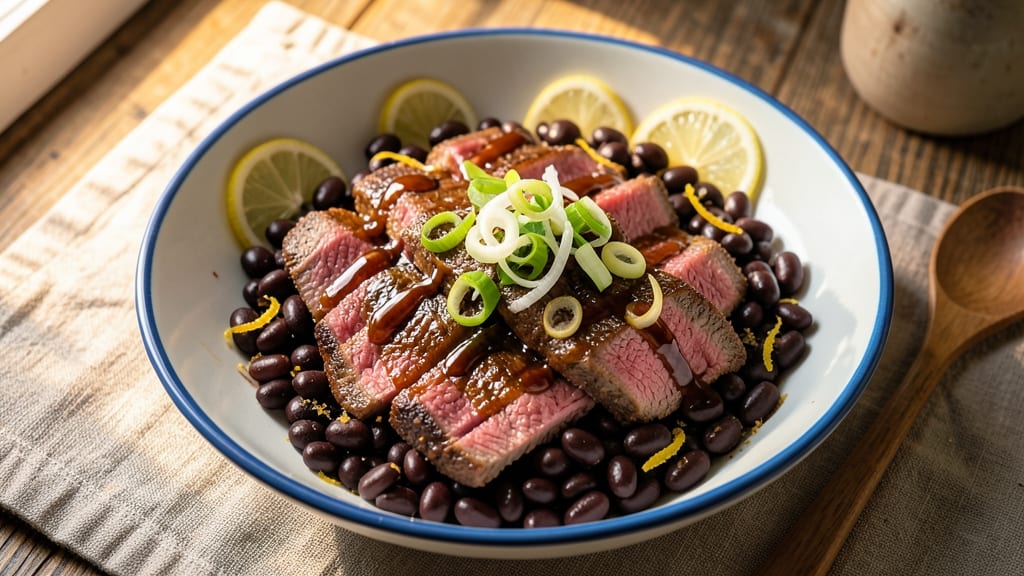
This beef and black bean Chinese recipe delivers restaurant-quality stir-fry with deep umami flavors and wok-hei heat in just 30 minutes. The secret lies in properly searing the beef first—this creates tender, caramelized pieces that hold up perfectly against the smoky, savory sauce.
I've perfected this technique over years of testing, balancing sweet, sour, and spicy notes to create a dish that's both comforting and vibrant.
The magic happens when you toss together tender beef, plump black beans, and fresh aromatics like garlic, ginger, and scallions in a hot wok. A quick stir-fry with a homemade sauce—packed with soy sauce, rice vinegar, and a touch of chili—transforms simple ingredients into something extraordinary.
The black beans add texture and earthiness, while the beef brings rich, meaty depth that ties everything together.
What you'll end up with is a dish that's packed with flavor yet remains light enough for a weeknight dinner. The beef stays tender and juicy, the black beans hold their shape, and the sauce clings perfectly to every bite.
Serve it over steamed jasmine rice or with warm dumplings for the full experience.
This recipe is incredibly versatile—adjust the heat level to your preference, or add vegetables like bell peppers or broccoli for extra freshness. The wok-hei technique (breath of the wok) ensures that smoky aroma that makes Chinese stir-fries so irresistible. Let's get cooking!
Ingredients for beef and black bean chinese
Restaurant-quality stir-fry ingredients with deep umami and wok-hei heat in 30 minutes.
| Ingredient | Amount | Notes |
|---|---|---|
| Flank Steak 🥩 | 1 lb | Thinly sliced against grain |
| Black Beans 🫘 | 1 cup | Drained and rinsed well |
| Garlic Cloves 🧄 | 6 cloves | Minced, fresh preferred |
| Fresh Ginger 🌿 | 2 tbsp | Finely grated, peeled |
| Scallions 🧅 | 4 whole | Thinly sliced, white and green |
| Soy Sauce 🥢 | 3 tbsp | Light or all-purpose |
| Rice Vinegar 🍶 | 2 tbsp | Seasoned preferred |
| Sesame Oil 🫒 | 1 tbsp | Toasted, for aroma |
| Red Chili Flakes 🌶️ | 1 tsp | Adjust for heat preference |
| Brown Sugar 🍬 | 1 tbsp | Light or dark |
| Cornstarch 🌾 | 1 tbsp | For sauce thickening |
| Neutral Oil 🫒 | 2 tbsp | Vegetable or canola |
| Sesame Seeds 🌱 | 1 tsp | Toasted, for garnish |
| Steamed Jasmine Rice 🍚 | 2 cups | Cooked, for serving |
The flank steak is non-negotiable—its lean yet tender texture holds up perfectly to the stir-fry process. Ask your butcher to slice it thinly against the grain for maximum tenderness, or freeze it for 30 minutes before slicing yourself. Costco or Whole Foods carry high-quality cuts, but any well-marbled flank steak works. For the black beans, low-sodium canned brands like Goya or Trader Joe's are ideal—just rinse thoroughly to remove excess starch. The garlic and ginger should be vibrant and firm, with no signs of sprouting or mold. Scallions add freshness, so choose bunches with crisp, white bases.
No flank steak? Sirloin or ribeye work in a pinch, but slice extra thin. For the black beans, kidney beans or lentils add a different texture—just adjust cooking time. Low-sodium soy sauce is preferred, but regular works if you reduce the salt later. The sesame oil should be toasted, not flavored—the aroma is key. If you're sensitive to heat, reduce the chili flakes to ½ tsp or swap for Sichuan peppercorns for a numbing effect. The brown sugar balances the acidity, so don't skip it entirely—maple syrup is a decent substitute in a bind.
Prep the beef last—it cooks fastest. Store leftover stir-fry in an airtight container for 3-4 days in the fridge, or freeze for up to 3 months in a sealed bag. The rice reheats beautifully—just add a splash of water and steam. For extra flavor, toast the sesame seeds in a dry pan before garnishing. This dish tastes even better the next day as flavors meld, so plan ahead if you're serving a crowd.
Why You'll Love This Recipe
- One-Pan Magic: I swear by this recipe when I’m too tired to wash dishes. The flank steak and black beans sizzle together in one pan—no chopping boards, no fuss—just a quick sear and a simmer while I stir-fry the scallions at the end. Honestly, it’s the kind of meal that makes me feel like a home chef without the cleanup.
- Umami Bomb: That first bite? The garlic and ginger hit like a warm hug, but it’s the black beans that steal the show—earthy, rich, and just the right amount of smoky. The flank steak adds this perfect chew, and the scallions finish with a bright, fresh kick. It’s the kind of flavor combo that makes you want to eat it straight from the wok.
- Lunchbox Hero: Between us, this is my go-to for meal prep. The flavors only get better the next day, and it reheats like a dream—great for lunches or even a quick dinner when you’re starving. Pack it in containers, and you’ve got a hearty, satisfying meal that won’t leave you reaching for takeout.
- Budget Win: Flank steak stretches far here, and black beans add protein without breaking the bank. Fresh ginger and garlic are cheap staples, and scallions? You can use the green parts too. It’s one of those recipes where every ingredient earns its place, and you’re left with leftovers that taste just as good cold as they do hot.
Step-by-step instructions for stir-fried beef and black bean
Master this wok technique for perfect texture and bold umami flavor every time.
Prepare the Flank Steak for Optimal Texture
Slice the 1 lb flank steak thinly against the grain into ¼-inch thick strips. This is critical—cutting against the grain shortens the muscle fibers, resulting in tender bites. Place the sliced steak in a bowl and sprinkle with 1 tbsp soy sauce and 1 tbsp cornstarch. Toss gently to coat evenly, then let it marinate for 15 minutes at room temperature. The cornstarch creates a light crust while the soy sauce tenderizes the meat.
While the steak marinates, finely mince the 6 cloves garlic cloves and grate the 2 tbsp fresh ginger using a microplane. The fresh ginger should yield about 1 tbsp grated ginger—this is key for that authentic aromatic punch. Thinly slice the 4 whole scallions, separating the white and green parts. Save the whites for the stir-fry base and reserve the greens for garnish later.
Build the Stir-Fry Base with Aromatics
Heat a 14-inch wok or large skillet over high heat until it's smoking hot. Add the 2 tbsp neutral oil and swirl to coat the surface evenly. Once the oil shimmers, add the reserved scallion whites and stir for 30 seconds until fragrant. Immediately add the minced garlic and grated ginger, stirring constantly for 20-30 seconds—this prevents burning and captures their full flavor.
Watch closely as the aromatics cook—they should sizzle vigorously and release their oils. Here's the thing: if you smell burning, your heat is too high. Reduce to medium-high immediately and let the aromatics cook until just golden, about 1 minute total. This foundational step carries the entire dish's flavor profile.
Stir-Fry the Beef to Perfect Doneness
Working in batches if needed, add the marinated steak strips to the wok in a single layer. Stir-fry vigorously for 2-3 minutes until the beef turns deep brown and loses its raw appearance. The key is constant motion—use tongs to toss the beef continuously so it cooks evenly without sticking. You want the beef to be 75% cooked at this stage but still slightly pink in the center.
Remove the beef from the wok and set aside on a plate. Don't clean the wok yet—those flavorful browned bits are essential for the sauce. If your wok isn't large enough to hold all the beef without crowding, cook in two batches but keep the cooked beef warm in a clean bowl.
Create the Signature Sauce
Return the wok to high heat and add the drained 1 cup black beans. Stir-fry for 1-2 minutes until they're heated through. Pour in the 3 tbsp soy sauce, 2 tbsp rice vinegar, 1 tbsp brown sugar, and 1 tsp red chili flakes. Stir vigorously to scrape up all the browned bits from the bottom of the wok—this is where the deep umami flavor develops.
Let the sauce simmer for 1-2 minutes until it thickens slightly. The mixture should coat the back of a spoon but still be loose enough to flow. If it's too thick, add 1 tablespoon water to adjust the consistency. Here's where the magic happens: the combination of sweet, salty, tangy, and spicy elements creates that signature Chinese restaurant flavor.
Combine and Finish with Wok-Hei
Return the beef to the wok and toss everything together for 1-2 minutes until the beef is fully cooked and the sauce clings to each piece. Drizzle in the 1 tbsp sesame oil and toss once more to distribute evenly. The sesame oil adds that distinctive nutty aroma that defines wok-hei cooking.
Taste and adjust seasoning if needed—you might want to add a touch more soy sauce for saltiness or rice vinegar for tang. Serve immediately over 2 cups steamed jasmine rice, garnished with 1 tsp toasted sesame seeds and the reserved scallion greens. The dish should be vibrant, flavorful, and packed with contrasting textures—tender beef, hearty black beans, and a glossy, aromatic sauce.
Pro Tips For Making Beef And Black Bean Chinese
- Slice Against the Grain: Flank steak’s tough when cut wrong—slice it perpendicular to the grain before cooking, then slice with the grain after. That’s how you get tender bites, not chewy strips. (Yes, even if the butcher didn’t bother to mark it for you.)
- Soak Beans Until Plump: Skip the canned shortcut—soak dried black beans in hot water for 20 minutes, then drain. They’ll soften faster and hold their shape better in the stir-fry. I learned this the hard way when my beans turned to mush mid-cook.
- Sear Steak in Batches: Crowd the pan, and you’ll steam the beef instead of sear it. Cook 2-3 slices at a time over high heat until deeply browned—about 2 minutes per side. That crust? It’s what carries the flavor through the whole dish.
- Ginger-Garlic Paste Saves Time: Mince fresh ginger and garlic, then mix with 1 tablespoon oil. Store in the fridge for up to 5 days. No more burning garlic or peeling ginger mid-stir-fry—just scoop, heat, and toss. (Your future self will high-five you.)
Health benefits of this dish
Protein Powerhouse
This dish delivers a high-quality protein punch with 1 lb flank steak providing about 40 grams of protein per serving—perfect for muscle repair and satiety. The black beans add an extra 15 grams of plant-based protein and 15 grams of fiber per cup, helping stabilize blood sugar levels.
Together, they create a complete protein profile that keeps you full for hours. 💪
Fiber-Rich Benefits
The 1 cup black beans in this recipe provide 15 grams of dietary fiber, which supports digestive health and promotes gut regularity. Fiber also helps lower LDL cholesterol by binding to bile acids in your intestines.
For maximum benefits, I recommend using low-sodium canned beans like Goya—they're just as effective without the extra salt. The fiber content makes this dish particularly satisfying for weight management.
Heart-Healthy Fats
The sesame oil and toasted sesame seeds contribute healthy monounsaturated fats that support cardiovascular health. Just 1 tablespoon of sesame oil contains about 14 grams of fat, primarily from oleic acid—a heart-protective fat also found in olive oil.
The toasted sesame seeds add crunch while providing vitamin E, an antioxidant that protects cell membranes. This makes the dish not just delicious but also a smart choice for heart health.
Antioxidant Boost
Fresh ginger and garlic in this recipe are packed with antioxidants that combat inflammation. The 6 cloves of garlic provide alicin, a compound with immune-boosting properties, while the 2 tbsp grated ginger delivers gingerol, which has been shown to reduce muscle pain and soreness.
Together, they create a powerful antioxidant combination that enhances the dish's health benefits beyond just nutrition.
Blood Sugar Balance
The combination of lean protein from the beef and complex carbohydrates from the jasmine rice creates a balanced meal that helps regulate blood sugar levels. The brown sugar adds natural sweetness without spiking glucose levels as dramatically as refined sugar would.
For an even better blood sugar response, I recommend serving this dish with steamed vegetables like broccoli or bell peppers, which add fiber and nutrients without significant carbohydrate impact.
Umami Flavor with Health Perks
The soy sauce and rice vinegar in this recipe aren't just for flavor—they contain amino acids that enhance nutrient absorption. Soy sauce provides lysine, an essential amino acid that supports heart health, while rice vinegar contains acetic acid, which may help improve insulin sensitivity.
The red chili flakes add capsaicin, a compound that boosts metabolism and may help with fat burning. This combination makes the dish both flavorful and functional for your health. 🌶️
Nutrition facts
Frequently asked questions
Can I substitute flank steak with another cut of beef?
For best results, use sirloin or ribeye—just slice them ¼-inch thick against the grain to maintain tenderness. Avoid tougher cuts like chuck, which won't cook quickly enough for stir-frying. If using pre-sliced beef like London broil, pat it dry first to prevent excess moisture from steaming the dish.
How do I achieve that smoky wok-hei flavor without a wok?
Use a cast-iron skillet or carbon steel pan on maximum heat to mimic wok-hei. Preheat the pan until it's nearly smoking, then work quickly—high heat is key. For extra aroma, add ½ tsp smoked paprika or a lightly charred piece of ginger to the sauce. The secret is speed and high heat throughout the cooking process.
Can I make this dish in a slow cooker or Instant Pot?
While possible, stir-frying creates the best texture. For a slow cooker, use low heat for 3-4 hours with ½ cup broth to prevent drying. For Instant Pot, set to high pressure for 8 minutes (natural release), but the beef may be slightly more tender than traditional stir-fry. The sauce will be thinner—reduce it on the stovetop afterward to compensate.
What if my black beans are too mushy after cooking?
This usually happens from overcooking. Add beans to the wok only 1 minute before finishing—they cook faster than you think! For extra firmness, use frozen black beans (thawed and drained) or add them to the sauce right before serving. If using canned beans, choose low-sodium varieties and rinse thoroughly to remove excess starch.
How can I make this dish spicier or less spicy?
For more heat, add ½ tsp extra chili flakes or 1 tsp minced fresh chili (like Thai bird's eye). For less heat, reduce to ½ tsp chili flakes or swap for ½ tsp ground Sichuan peppercorns (which adds numbing heat instead). Always taste before serving—you can adjust with a pinch of sugar to balance any lingering spiciness.