
Soups & Stews
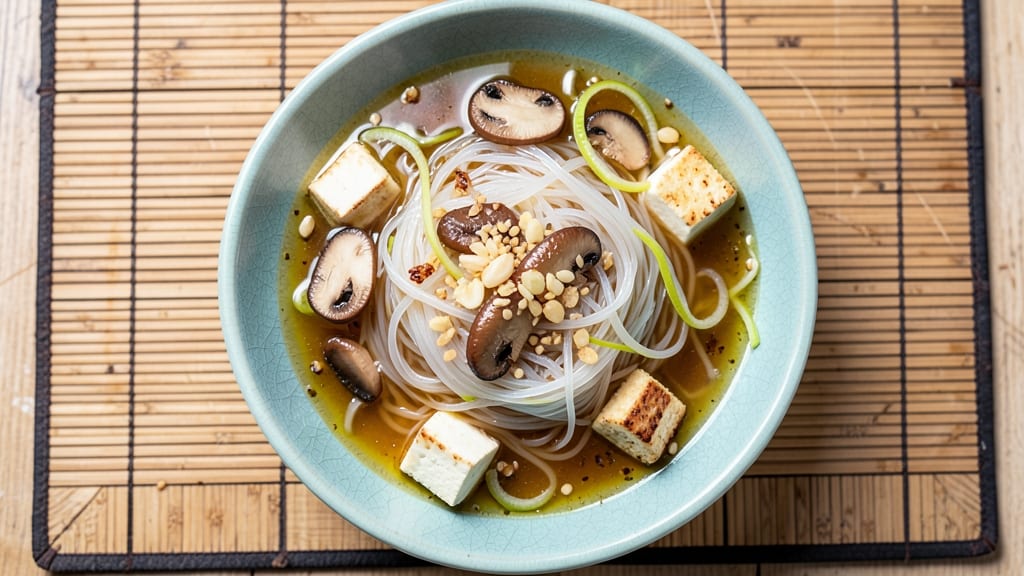
Bean thread noodles soup transforms delicate glass noodles into a silky, comforting dish with a rich vegetable broth. This vegan recipe delivers restaurant-quality results using simple techniques—stir-frying aromatics, simmering umami-packed broth, and perfecting the noodle texture.
The secret lies in balancing savory flavors while keeping the noodles tender yet distinct, creating a harmonious bowl that’s both traditional and approachable.
What sets this soup apart is the foolproof method for achieving that signature glass noodle texture—no special equipment required. We’ll build a deeply flavorful broth using mushrooms, ginger, and soy sauce, then gently fold in the noodles at the last moment to preserve their delicate structure.
The result is a restaurant-quality dish that’s light yet satisfying, perfect for any meal.
This recipe is designed for beginners but offers room for customization—add tofu for protein, mushrooms for earthiness, or chili oil for heat. The broth’s depth comes from a combination of vegetable-based ingredients and careful simmering, ensuring every spoonful is packed with flavor without overpowering the noodles.
The final dish delivers silky glass noodles swimming in a fragrant, savory broth, garnished with fresh herbs for brightness. Whether served as a light lunch or a comforting dinner, this soup proves that vegan comfort food can be just as rich and satisfying as its traditional counterparts. Let’s get cooking!
Ingredients for bean thread noodles soup
Silky glass noodles and aromatic vegetable broth create a restaurant-quality vegan dish.
| Ingredient | Amount | Notes |
|---|---|---|
| Bean Thread Noodles (Glass Noodles) 🍜 | 8 oz | Dried, uncooked, high-quality brand |
| Shiitake Mushrooms 🍄 | 1 cup | Sliced, fresh or rehydrated |
| Shallots 🧅 | 3 whole | Minced, or substitute with onions |
| Fresh Ginger 🧄 | 1 tbsp | Grated, peeled, aromatic |
| Garlic Cloves 🧄 | 4 cloves | Minced, fresh preferred |
| Vegetable Broth 💧 | 4 cups | Low-sodium, homemade or store-bought |
| Tamari or Soy Sauce 🍶 | 2 tbsp | Gluten-free tamari preferred |
| Sesame Oil 🫒 | 1 tbsp | Toasted, for aroma |
| White Miso Paste 🧈 | 1 tbsp | Rich, umami depth |
| Fresh Cilantro 🌿 | ¼ cup | Chopped, for garnish |
| Lime Wedges 🍋 | 2 whole | Fresh, for serving |
| Red Chili Flakes 🌶️ | ½ tsp | Optional, for heat |
| Extra-Virgin Olive Oil 🫒 | 1 tbsp | For stir-frying aromatics |
| Tofu (Firm) 🍲 | 6 oz | Optional, cubed for protein |
The glass noodles are the heart of this dish—look for high-quality, thin strands at Asian markets or specialty grocery stores. King Noodle or Thai Kitchen brands deliver consistent texture. Fresh shiitake mushrooms add depth, but dried mushrooms rehydrated in hot broth work just as well. For the aromatics, fresh ginger and garlic are non-negotiable; frozen versions lose their punch. The miso paste should be white or shiro miso for a cleaner flavor profile, not the darker red varieties.
No tamari? Regular soy sauce works in a pinch, but tamari’s smoother profile shines here. Swap shallots for green onions or regular onions, though shallots provide a more delicate sweetness. For extra umami, add a splash of coconut aminos alongside the tamari. The tofu, if using, should be extra-firm and pressed to avoid a soggy texture. Chili flakes can be omitted entirely for a milder version, or substitute with a dash of sriracha for a different heat profile. Always taste the broth before adding noodles—adjust seasoning with additional tamari or a pinch of salt.
Store leftover broth in the fridge for up to 5 days—it reheats beautifully for quick meals. The noodles, once cooked, should be eaten within 2 days for best texture. For a make-ahead option, cook the noodles al dente, drain, and store separately before assembling the soup. Garnishes like cilantro and lime should be added fresh at serving time to preserve their brightness. Freeze the broth base (without noodles) for up to 3 months—simply reheat and add fresh noodles when ready.
Why You'll Love This Recipe
- No-Chop Nightmare: I swear by this recipe when I’m too tired to slice anything. The shallots and garlic go in whole—peeled and smashed with the flat side of my knife—and the shiitake mushrooms just need a quick rinse. Even the ginger stays in thick slices; the broth pulls all the flavor right out.
- Umami Bomb: That first spoonful of broth—warm, earthy, with shiitake mushrooms simmering until they’re tender yet still holding their shape—is chef’s kiss. The bean thread noodles soak up the richness like a sponge, turning the soup into something dangerously addictive. Honestly, I’ll take this over any takeout any day.
- Leftover Goldmine: This soup tastes even better the next day. I make a big batch on Sundays, and by Wednesday, it’s still my go-to lunch—just reheated with a splash of water to loosen the noodles. The noodles don’t get mushy; they stay silky, and the mushrooms? They develop this deeper, almost meaty depth.
- Budget Flex: Between us, this is my wallet’s favorite recipe. Shiitake mushrooms are pricey, but you only need a handful, and the rest of the ingredients—ginger, garlic, shallots—are pantry staples. A single bag of bean thread noodles stretches across multiple bowls, and the broth? It’s so flavorful you’ll forget you’re not drowning in expensive ingredients.
Step-by-step instructions for silky glass noodles in savory broth
Master this delicate yet flavorful dish with precise technique for perfect texture and depth.
Prepare the Aromatics and Protein
Begin by pressing the 6 oz firm tofu between paper towels for 10 minutes to remove excess moisture. Cut into ½-inch cubes and set aside. In a large pot, heat 1 tablespoon extra-virgin olive oil over medium heat until shimmering. Add the 3 whole minced shallots and cook for 2 minutes until translucent and fragrant.
Add the 1 tablespoon grated fresh ginger and 4 cloves minced garlic, stirring constantly for 30 seconds until the raw garlic aroma disappears. This foundational step builds the soup's aromatic complexity. If you notice the shallots begin to brown too quickly, reduce heat slightly to maintain even cooking.
Develop the Broth and Umami Base
Pour in the 4 cups vegetable broth and bring to a gentle simmer. Stir in the 1 cup sliced shiitake mushrooms, 2 tablespoons tamari or soy sauce, and 1 tablespoon white miso paste. The miso will dissolve completely, adding rich umami depth to the broth. Simmer uncovered for 10 minutes, allowing the mushrooms to soften and release their earthy flavors.
Add the 6 oz cubed tofu and simmer for an additional 5 minutes to heat through while maintaining structural integrity. The broth should now have a deep, savory aroma with visible mushroom pieces and tofu cubes. Taste and adjust seasoning with additional tamari if needed, remembering the noodles will absorb some flavor as they cook.
Cook the Glass Noodles Perfectly
While the broth simmers, prepare the 8 oz bean thread noodles by rinsing them under cold water for 30 seconds to remove any surface starch. This prevents clumping when they cook. In a separate pot, bring 4 cups fresh water to a rolling boil. Add the drained noodles and cook for exactly 2 minutes—they should be translucent but still slightly firm to the bite.
Drain immediately and rinse briefly with cold water to halt cooking. The noodles will continue to soften in the hot broth, so we want them slightly undercooked at this stage. Add the noodles to the broth along with 1 tablespoon sesame oil and 0.5 teaspoon red chili flakes. Stir gently to combine, being careful not to break the delicate noodles.
Finish and Serve with Fresh Elements
Remove the pot from heat and let the soup sit covered for 5 minutes, allowing the flavors to meld. The noodles will absorb some broth, creating that signature silky texture we want. Stir in the 0.25 cup chopped fresh cilantro, reserving a few sprigs for garnish. The cilantro adds bright contrast to the rich broth.
Divide the soup among 4 bowls, garnishing each with a lime wedge and additional cilantro. Serve immediately while the noodles maintain their delicate texture. The lime wedge should be squeezed over each portion just before eating to brighten the flavors and cut through the richness of the miso and sesame oil.
Pro Tips For Making Bean Thread Noodles Soup
- SOAK NOODLES SEPARATELY: Glass noodles need a quick 10-minute soak in hot water (not boiling) before adding to the soup—don’t toss them straight in. I learned this the hard way when they turned to mush in the broth; the pre-soak keeps them chewy and distinct.
- SLICE MUSHROOMS THIN: Shiitake mushrooms should be sliced paper-thin—about 1-2mm—so they cook in under 2 minutes. Thicker slices release bitterness and turn rubbery; a sharp knife and steady hand make all the difference.
- SALT THE BROTH LAST: Add salt only after the noodles are fully cooked, or they’ll absorb too much and turn bland. I used to salt early, and the soup always tasted flat—wait until the very end for balance.
- GINGER-GARLIC PASTE SAVES TIME: Mince fresh ginger and garlic into a paste with a splash of water, then stir-fry it whole—no mincing mid-cook. It blends faster and prevents burning, especially when you’re juggling other ingredients.
Best sauces and condiments for this recipe
Miso-Ginger Broth
The white miso paste is the secret weapon here, delivering deep umami without overpowering the delicate noodles. I recommend Honten Miso for its clean, slightly sweet profile. Start by dissolving 1 tbsp miso in ½ cup warm broth before adding it to the pot—this ensures even distribution.
For extra richness, add ½ tsp toasted sesame seeds while the broth simmers, letting them infuse for the last 2 minutes of cooking. 💫
Sesame Oil Finish
Never add sesame oil directly to hot broth—it burns and creates a bitter flavor. Instead, stir in 1 tbsp toasted sesame oil during the final 30 seconds of cooking or right after removing the pot from heat.
This preserves its nutty aroma and adds a luxurious finish. For a smoky twist, swap ½ tsp with chili oil or sriracha—just be mindful of heat levels. 🌶️
Umami Boosters
Elevate the broth with 1 tsp fish sauce (if not vegan) or 1 tsp coconut aminos for a plant-based alternative. I also love adding ¼ cup finely chopped wood ear mushrooms for texture—they absorb flavors beautifully.
For a smoky depth, char 1 tsp shallots in a dry pan before adding them to the broth. Taste as you go—umami builds gradually! ✨
Herb Garnishes
Fresh herbs brighten the dish without competing with the broth. Cilantro is classic, but Thai basil or mint add unique twists. For a floral note, sprinkle edible flowers like nasturtiums.
Always add herbs after the soup leaves the heat—their oils release more flavor when warm. A squeeze of lime right before serving cuts through the richness perfectly. 🌿
Spicy Variations
Add heat with ½ tsp gochujang (Korean chili paste) for a sweet-spicy kick or 1 tsp doubanjiang for fermented depth. For a smoky chili oil, mix 1 tsp chili flakes with 1 tsp neutral oil and ½ tsp smoked paprika, then drizzle over each bowl.
Adjust to taste—start conservative, as the broth’s umami amplifies heat. 🔥
Acid Balance
Balance the richness with 1 tsp rice vinegar or ½ tsp apple cider vinegar during the final simmer. For a tangy finish, serve with pickled vegetables like quick-pickled radishes or carrots.
The acidity brightens the miso and sesame oil, creating a harmonious bite. Trust me—your taste buds will thank you! 💛
Nutrition facts
Frequently asked questions
Can I use dried shiitake mushrooms instead of fresh?
Yes! Soak ½ cup dried shiitake mushrooms in warm water for 20 minutes until pliable. Use the rehydrated mushrooms (chopped) in place of fresh, and reserve 2 tbsp of the soaking liquid to add to the broth for extra depth. This method actually intensifies the umami flavor.
How do I prevent the glass noodles from getting mushy?
The key is undercooking slightly before adding to the broth. Cook them for just 2 minutes in boiling water (they'll finish cooking in the hot broth), then rinse with cold water to stop cooking immediately. Stir gently when combining to avoid breaking the delicate strands.
What's the best way to make this soup spicier?
For balanced heat, add 1 tsp gochujang (Korean chili paste) when simmering the broth, or stir in 1 tbsp chili oil during the final 30 seconds of cooking. Start with less—umami flavors intensify heat perception! For smoky heat, toast ½ tsp chili flakes in a dry pan until fragrant, then sprinkle into the broth.
Can I make this soup ahead of time?
Prepare the broth (without noodles) up to 3 days ahead and store it refrigerated. Reheat gently before adding fresh, 2-minute cooked noodles just before serving. For make-ahead meals, cook the noodles al dente, drain, and store separately—reheat them in the broth for 1-2 minutes to restore texture.
What if I don't have tamari or soy sauce?
Use coconut aminos (1:1 ratio) for a gluten-free alternative, or low-sodium soy sauce in a pinch. For extra depth, add ½ tsp fish sauce (if not vegan) or 1 tsp mushroom powder. The miso paste already provides significant umami, so the broth will still taste rich.