
Main Courses
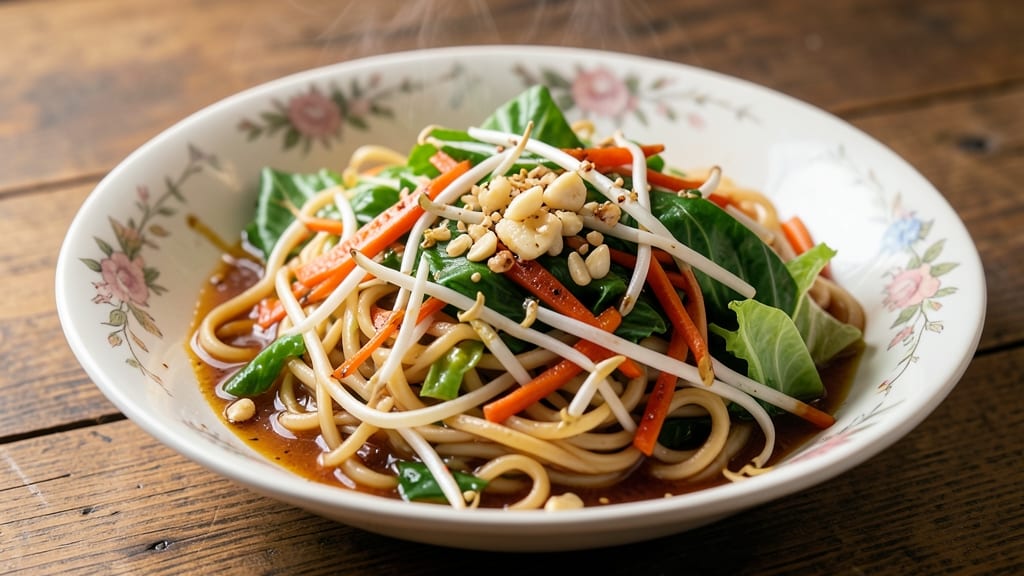
This bean sprout chow mein recipe delivers the perfect balance of crispy noodles, fresh vegetables, and aromatic wok-fried flavors you'd find in a bustling Chinese restaurant. The secret lies in high-heat stir-frying—achieving that signature wok hei smokiness while keeping ingredients vibrant and textured.
I've refined this vegetarian version over years of testing, ensuring every bite has the satisfying crunch of bean sprouts, the slight sweetness of carrots, and the umami depth from a carefully balanced sauce.
The foundation starts with perfectly cooked noodles that stay chewy yet crispy at the edges, thanks to a quick rinse in cold water before stir-frying. We'll build a savory sauce using soy sauce, garlic, ginger, and a vegetarian oyster sauce alternative that mimics the traditional depth without compromising flavor.
The vegetables—crunchy bean sprouts, shredded cabbage, and julienned carrots—are cooked just until tender-crisp to maintain their freshness.
What makes this recipe truly special is the technique: rapid, high-heat cooking that locks in flavors while preserving texture. The result is a dish that's restaurant-quality yet approachable for home cooks, with layers of garlic, ginger, and soy that sing in every bite.
The aroma alone will have everyone at the table asking for seconds.
Whether you're serving this as a weeknight dinner or bringing it to a potluck, the crispy edges and vibrant vegetables make it equally impressive.
Ready in under 30 minutes, this chow mein proves you don't need meat to create a dish that's bold, satisfying, and full of authentic Chinese restaurant flavor. Let's get cooking!
Ingredients for bean sprout chow mein
Fresh vegetables and aromatic wok-fried flavors create restaurant-quality chow mein at home.
| Ingredient | Amount | Notes |
|---|---|---|
| Ramen Noodles 🍜 | 8 oz | Dried, broken into bite-sized pieces |
| Bean Sprouts 🌱 | 4 cups | Fresh, rinsed and drained |
| Green Cabbage 🥬 | 3 cups | Shredded, thinly sliced |
| Carrots 🥕 | 2 medium | Julienned into thin strips |
| Garlic Cloves 🧄 | 4 cloves | Minced, fresh preferred |
| Fresh Ginger 🌿 | 1 inch | Julienned, peeled |
| Vegetable Oil 🫒 | ½ cup | High smoke point preferred |
| Soy Sauce 🥢 | ⅓ cup | Light or regular variety |
| Vegetarian Oyster Sauce 🍄 | 2 tbsp | Mushroom-based preferred |
| Sesame Oil 🫒 | 1 tbsp | Toasted, for finishing |
| Toasted Sesame Seeds 🌰 | 1 tbsp | For garnish |
| White Sugar 🍚 | 1 tbsp | For sauce balance |
| Cornstarch 🌾 | 1 tbsp | For noodle crispiness |
| Red Pepper Flakes 🌶️ | ½ tsp | Optional, for heat |
The bean sprouts and cabbage should be vibrant and crisp—look for fresh, firm heads at the grocery store. Trader Joe's and Whole Foods carry excellent quality, but any well-stocked supermarket works. For the carrots, julienne them yourself—pre-shredded loses its texture fast. The ramen noodles are the backbone: break them in half before cooking for that signature chow mein bite. Garlic and ginger should be fresh—frozen works in a pinch, but nothing beats the aroma of freshly minced.
No vegetarian oyster sauce? Mushroom-based substitutes like those from Lee Kum Kee or homemade versions with mushrooms, soy sauce, and sugar work beautifully. Short on sesame oil? Toasted peanut oil adds a similar nutty depth. The soy sauce can be swapped for tamari if gluten-free, but light soy gives the best balance. For extra crunch, toss in water chestnuts or bell peppers—whatever you have on hand. The cornstarch is non-negotiable for crispy noodles, but if you're out, a light dusting of flour works in a pinch.
Prep all vegetables first—they cook in minutes. Store fresh herbs and ginger in damp paper towels for up to 5 days. The sauce keeps for 1 week in the fridge, but the noodles are best served immediately after stir-frying. For leftovers, reheat gently to avoid soggy textures. This dish reheats beautifully, but the magic is in the fresh, high-heat cooking. Plan to serve within 2 hours of assembly for peak crispiness.
Why You'll Love This Recipe
- Pantry to Plate: I swear by this one—no fancy shopping list, just what’s already lurking in your fridge. Those crunchy bean sprouts and cabbage stay fresh for days, and the ramen noodles? They’re the unsung heroes of cheap, filling meals.
- Garlic Bomb: One minced clove while the veggies sizzle, and suddenly you’ve got a dish that tastes like it simmered for hours. The cabbage gets that perfect caramelized bite, and the carrots? Sweet, tender, and just crisp enough.
- Lunchbox Hero: Between us, this is my go-to for packed lunches—stays crispy cold or reheats like a dream. Toss in some leftover chicken or tofu, and it’s a full meal without the fuss. My kid actually eats the veggies now.
- Budget Crunch: Honestly, this recipe saved me from takeout nights. A pack of ramen, a bag of sprouts, and a head of cabbage feed four for under $8. The leftovers? Even better the next day, if you can wait that long.
Step-by-step instructions for crispy wok-fried noodles
Master the art of high-heat wok cooking for perfectly crispy noodles and vibrant vegetables.
Prepare the Noodles for Maximum Crispiness
Cook the 8 oz ramen noodles according to package instructions but reduce the cooking time by 30 seconds for al dente texture. Drain immediately and rinse under cold water to stop cooking and remove excess starch. This prevents soggy noodles later.
Transfer the noodles to a large bowl and toss with 1 tablespoon cornstarch. This creates a crispy exterior when wok-fried. I like to use my hands for this step to ensure even coating. Set aside while you prepare the vegetables.
Prep and Stir-Fry the Vegetables in Stages
Heat 0.5 cup vegetable oil in a wok or large skillet over high heat until shimmering. Add the 2 medium carrots (julienned) and stir-fry for 1 minute until they begin to soften but remain crisp. Remove and set aside.
In the same wok, add 4 cloves minced garlic and 1 inch julienned ginger. Cook for 20 seconds until fragrant but not browned. Add the 3 cups shredded green cabbage and 4 cups bean sprouts, stirring constantly for 2 minutes until the cabbage wilts slightly but still retains color. Return the carrots to the wok and toss together.
Build the Sauce and Combine Everything
Push the vegetable mixture to one side of the wok. Add 0.33 cup soy sauce, 2 tablespoons vegetarian oyster sauce, 1 tablespoon white sugar, and 0.5 teaspoon red pepper flakes to the empty space. Stir vigorously for 30 seconds until the sauce begins to thicken slightly.
Return the vegetables to the sauce and toss well to coat. Add the cornstarch-coated noodles and stir-fry for 2-3 minutes until everything is evenly coated and the noodles develop a crispy texture from the cornstarch. The mixture should sizzle continuously - this indicates proper heat.
Finish with Sesame Oil and Garnish
Remove the wok from heat and drizzle with 1 tablespoon sesame oil. Toss gently to distribute evenly. The aroma should become immediately more complex and nutty. Transfer to serving plates immediately while still hot.
Garnish each serving with 1 tablespoon toasted sesame seeds and serve with extra soy sauce on the side. The noodles should be crispy yet tender, with vibrant vegetables and a well-balanced sauce that coats every bite without being overly heavy.
Pro Tips For Making Bean Sprout Chow Mein
- STIR-FRY IN BATCHES: Don’t toss everything in at once—ramen noodles, bean sprouts, and cabbage need different cooking times. Start with the carrots and garlic in a screaming-hot wok (3 minutes max), then pull them out. Add noodles for 1 minute, then push them to one side and sear the cabbage and sprouts separately. Mix only at the very end, or you’ll end up with limp noodles and overcooked greens.
- TRIM SPROUTS LIKE A PRO: Bean sprouts hide dirt in their roots—rinse them well, then snap off the woody bottoms with a sharp twist. (No knife needed.) If they’re old or rubbery, give them a quick soak in cold water for 10 minutes to perk them up. Fresh sprouts stay crisp; stale ones turn to mush.
- DON’T BOIL THE NOODLES: Ramen noodles cook in seconds—overcooking turns them to glue. Boil for exactly 2 minutes (or follow package time), then drain and rinse under cold water to stop cooking. Toss them with a teaspoon of oil right away to prevent clumping. Trust me, you’ll regret skipping this step.
- UPGRADE WITH GARLIC OIL: Instead of mincing garlic, crush 3 cloves with the flat side of your knife, then fry them in 1 tablespoon of oil until golden (not brown). Remove the cloves, but leave the fragrant oil behind—it’ll make the whole dish taste deeper. (Yes, even if you’re impatient, wait for the color.)
Common mistakes when making great bean sprout chow mein
Overcooking Vegetables
Bean sprouts and cabbage are delicate—cooking them for more than 2 minutes turns them mushy. I see this all the time when people get distracted or lower the heat. Keep your wok at high heat and stir constantly to maintain that signature crunch.
The moment they wilt slightly but still hold their shape, remove them from the wok. 🌱
Underseasoned Sauce
The sauce is where the magic happens, so don’t skimp on flavor. Taste as you go and adjust with extra soy sauce for saltiness, white sugar for balance, or vegetarian oyster sauce for depth.
I’ve ruined a chow mein before by forgetting to taste-test—now I always keep a small bowl of plain rice nearby to test the sauce directly.
Low Heat Stir-Frying
Low heat is the enemy of wok hei—the smoky, aromatic flavor that defines chow mein. Your oil should shimmer and pop when you add ingredients. If you’re not getting that sizzle, crank the heat up and let the wok preheat for 3-5 minutes before adding anything.
A carbon steel wok heats up fastest, but any heavy skillet works in a pinch. 🔥
Skipping the Cornstarch
That 1 tablespoon cornstarch on the noodles isn’t optional—it’s what creates the crispy edges. Without it, your noodles will turn soggy and bland. Toss them well, and if you’re worried about clumping, use a bit of oil on your hands to help distribute it evenly.
Trust me, the texture difference is night and day.
Overcrowding the Wok
Crowding the wok steams the vegetables instead of stir-frying them, leading to a sad, watery dish. Work in batches if needed—start with the carrots, then garlic and ginger, then the cabbage and bean sprouts.
A good rule of thumb is to leave at least 2 inches of space between ingredients. This ensures proper heat circulation and that coveted wok hei. ✨
Not Rinsing Noodles
Rinsing the noodles after cooking removes excess starch, which prevents them from sticking together and turning gummy. Skip this step, and you’ll end up with a mushy, unappetizing mess.
I like to rinse them under cold water for about 10 seconds, then drain well before tossing with cornstarch. This small step makes a huge difference in texture.
Nutrition facts
Frequently asked questions
Can I substitute fresh bean sprouts with frozen ones?
Fresh bean sprouts are ideal for that signature crunch, but frozen will work in a pinch. Thaw them first, then drain thoroughly and pat dry with a paper towel to remove excess moisture. Frozen sprouts may release more water during stir-frying, so add them 30 seconds after the cabbage to avoid steaming. The texture won't be identical, but it's still delicious!
How do I achieve that restaurant-style crispy texture?
The secret lies in three key steps: high heat, cornstarch-coated noodles, and proper timing. Use a wok or heavy skillet on maximum heat until oil shimmers, then stir-fry everything in 2-3 minutes max. The cornstarch creates crispy edges when exposed to high heat, while quick cooking prevents sogginess. Work fast and keep stirring!
What's the best way to reheat leftovers?
Reheat gently in a skillet over medium-low heat with 1 teaspoon oil to prevent drying. Add 1 tablespoon water and toss for 2-3 minutes until warmed through. Microwaving works too, but cover with a damp paper towel and heat in 30-second bursts to retain some crispiness. The texture won't be perfect, but it's still tasty!
Can I make this gluten-free?
Swap the regular soy sauce for tamari (gluten-free soy sauce) and use gluten-free ramen noodles. For the vegetarian oyster sauce, choose a certified gluten-free brand or make your own with mushrooms, coconut aminos, and a touch of sugar. Double-check all labels to avoid hidden gluten sources in sauces and noodles. The flavor stays rich and satisfying!
Why does my sauce turn too thick or too thin?
Sauce consistency depends on cooking time and ingredients. For thicker sauce, reduce the 0.33 cup soy sauce slightly or add 1/2 teaspoon cornstarch mixed with water. For thinner sauce, add 1 tablespoon water and stir. Always taste as you go! The sauce should coat the noodles lightly without being gluey. Adjust gradually—you can always fix it, but you can't un-thicken it once it's too thick.