
Sauces & Condiments
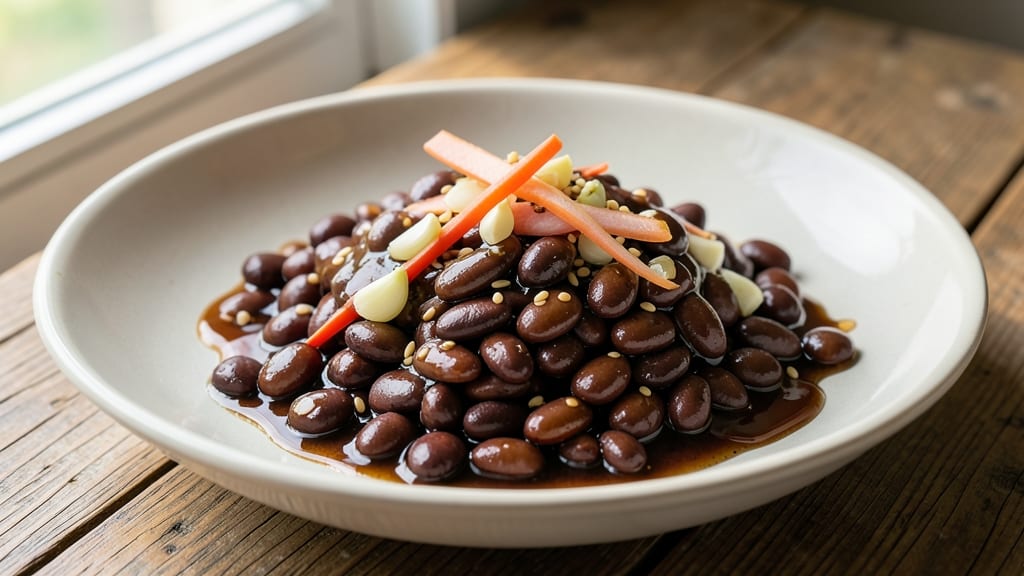
This black bean oyster sauce recipe transforms simple stir-fry into a restaurant-quality meal with deep umami richness. The combination of black beans and oyster sauce creates a savory, slightly sweet sauce that clings perfectly to proteins and vegetables, elevating any dish.
I developed this recipe after years of testing how to balance the earthy depth of black beans with the briny complexity of oyster sauce—now you can achieve the same results in under 30 minutes without sacrificing flavor.
The beauty of this recipe lies in its versatility. You can use it as a quick marinade for shrimp or chicken, a stir-fry sauce for tofu and vegetables, or even a glaze for roasted meats.
The black beans add a satisfying texture and plant-based protein, while the oyster sauce delivers that signature umami punch that makes every bite irresistible. It’s a pescatarian-friendly powerhouse that works equally well with seafood or vegetables.
What sets this dish apart is the balance of flavors—sweet, salty, and slightly tangy—all coming together in one cohesive sauce. The black beans soften slightly during cooking, absorbing the rich oyster sauce and creating a velvety consistency that coats every ingredient.
Serve it over steamed rice, noodles, or even as a dipping sauce for spring rolls. The aroma alone will have everyone at the table asking for seconds.
This recipe is perfect for weeknight dinners when you want something flavorful but still simple. With just a handful of ingredients and basic techniques, you’ll create a dish that feels like it took hours to prepare. Let’s get cooking—your taste buds will thank you.
Ingredients for black bean oyster sauce
Nine simple ingredients for a sauce that tastes like a restaurant secret.
| Ingredient | Amount | Notes |
|---|---|---|
| Black Beans 🫘 | 1 cup | Drained and rinsed, canned preferred |
| Oyster Sauce 🍜 | ½ cup | High-quality, soy-based preferred |
| Vegetable Oil 🫒 | 2 tbsp | Neutral flavor, high smoke point |
| Garlic Cloves 🧄 | 4 cloves | Minced, fresh preferred |
| Fresh Ginger 🌿 | 1 tbsp | Grated, peeled, fresh preferred |
| Soy Sauce 🍶 | 2 tbsp | Light or dark, to taste |
| Honey 🍯 | 1 tbsp | Pure, for balance |
| Sesame Oil 🫒 | 1 tsp | Toasted, for aroma |
| Green Onions 🧅 | 2 whole | Thinly sliced, for garnish |
| Red Chili Flakes 🌶️ | ½ tsp | Optional, for heat |
| Water 💧 | ¼ cup | For thinning, as needed |
| Salt 🧂 | ½ tsp | Kosher or sea salt |
The black beans are the heart of this sauce—canned is fine, but if you can find dried, soak them overnight for deeper flavor. Trader Joe's and Whole Foods carry high-quality oyster sauce in the Asian aisle, but Lee Kum Kee is my go-to for that perfect balance of umami and sweetness. Fresh garlic and ginger make all the difference here; don’t skip them. The soy sauce you use matters too—Kikkoman or La Choy are solid choices, but any light soy will work. If you’re pescatarian but want to avoid oyster sauce entirely, vegetable-based oyster sauce substitutes (like those made from mushrooms) are a great alternative.
No sesame oil? Toasted peanut oil works in a pinch, though the flavor won’t be identical. Short on honey? Maple syrup or agave can stand in, but honey’s floral notes balance the sauce beautifully. The red chili flakes are optional, but if you love heat, add more—just taste as you go. For a quicker version, blend the beans with the sauce first to soften them faster. If the sauce ends up too thick, a splash of water or vegetable broth will thin it out without diluting the flavor. And if you’re using this for seafood, add a pinch of white pepper at the end for a subtle, sophisticated touch.
This sauce keeps well in the fridge for 5-7 days in an airtight container, though it tastes best within the first 3 days. For longer storage, freeze it in ice cube trays—just thaw and stir before using. The flavor actually deepens over time, so don’t hesitate to make extra. I like to portion it into small jars for easy grab-and-go stir-fries. If you’ve got leftover beans, toss them into the sauce at the end for extra texture—they’ll soften and soak up all that umami goodness. Perfect for meal prep!
Why You'll Love This Recipe
- Pantry Powerhouse: I swear by this recipe when I forget to grocery shop—just crack open a can of black beans, grab the oyster sauce (that umami bomb), and toss in garlic and ginger I already had. No last-minute trips, no stress.
- Umami Magic: The oyster sauce turns these humble black beans into something ridiculously savory—salty, slightly sweet, with that deep, caramelized edge. Honestly, it’s the kind of flavor that makes you pause mid-bite.
- Weeknight Flex: This sauce works over rice, noodles, or even scrambled eggs—no rules. I’ve used it to dress up a sad Tuesday stir-fry or bulk out a quick lunch. The ginger keeps it fresh, the garlic makes it sing.
- Budget Win: Black beans and oyster sauce stretch forever. A single batch feeds my family for days, and the leftovers? Even better the next day. Between us, this is how I keep dinner affordable without sacrificing taste.
Step-by-step instructions for black bean oyster sauce
This umami-rich sauce comes together faster than you can say "stir-fry." Let's make it in minutes.
Toast the Black Beans for Depth of Flavor
Heat the 2 tablespoons vegetable oil in a medium saucepan over medium heat. Add the 1 cup drained and rinsed black beans and toast them for 3-4 minutes, stirring constantly. You'll see them darken slightly and smell that nutty, toasted aroma—this step builds the sauce's foundation.
Don't walk away during this step. The beans should be evenly browned but not burned. If you notice any pieces sticking, gently press them down with a wooden spoon to release them. Once toasted, remove the beans from the pan and set them aside—they'll cool slightly while you prepare the aromatics.
Sauté Aromatics Until Fragrant
In the same saucepan (no need to wipe it clean), add the 4 cloves minced garlic and 1 tablespoon grated fresh ginger over medium heat. Cook for 1-2 minutes until the garlic turns golden and the ginger loses its raw bite. This is where the magic happens—those aromatics transform from pungent to sweet and complex.
Watch carefully here. Garlic burns quickly, so keep the heat steady and stir constantly. If the mixture starts to brown too darkly, reduce the heat slightly. Once fragrant, add the 2 tablespoons soy sauce and let it simmer for 30 seconds to cook off the raw alcohol flavor.
Build the Sauce Base
Pour in the 0.5 cup oyster sauce and 0.25 cup water, then stir to combine. Add the toasted black beans back into the pan and bring everything to a gentle simmer over medium-low heat. Let it cook for 5-6 minutes, stirring occasionally, until the beans begin to soften and the sauce starts to thicken.
Here's where the sauce develops its signature texture. You want it to coat the back of a spoon but still be pourable. If it thickens too quickly, add 1-2 tablespoons water to loosen it. The beans should be tender but still hold their shape—overcooking will make them mushy.
Finish with Sweet and Spicy Notes
Reduce the heat to low and stir in the 1 tablespoon honey, 0.5 teaspoon salt, and 0.5 teaspoon red chili flakes (if using). Let the sauce simmer for 2-3 minutes to let the flavors meld together. The honey will balance the saltiness, while the chili flakes add just a hint of heat.
Finally, remove the pan from heat and stir in the 1 teaspoon sesame oil. This adds that signature nutty aroma that takes the sauce from good to extraordinary. Give it one final taste and adjust the seasoning if needed—maybe a touch more soy sauce for saltiness or honey for sweetness.
Garnish and Serve Immediately
Transfer the sauce to a serving bowl and let it cool for 2-3 minutes. Then stir in the 2 whole thinly sliced green onions just before serving. These add a fresh, bright contrast to the rich, umami-packed sauce.
This sauce is best served immediately over stir-fried noodles, rice, or grilled meats. The flavors continue to develop as it sits, so don't make it too far ahead of your meal. For extra richness, drizzle a little extra sesame oil over the top right before serving.
Pro Tips For Making Black Bean Oyster Sauce
- STIR-FRY BEANS FAST: Use pre-soaked black beans—soak them overnight or at least 4 hours—and drain just before cooking. Cold beans won’t break apart when they hit the hot wok, and you’ll save 10 minutes of simmering time. (I learned this the hard way after watching my first batch turn to mush.)
- MINCE GINGER FINE: Skip the food processor for ginger—hand-mince it into a paste with a pinch of salt. This keeps the texture smooth and prevents that gritty bite you get from pre-minced jars. My grandmother swore by this, and she was right: it makes a real difference in the sauce’s silkiness.
- LOW-HEAT OYSTER SAUCE: Add oyster sauce after the garlic and ginger have cooked for 30 seconds—just until fragrant, not browned. Dumping it in too early burns its delicate flavor, and you’ll taste the bitterness. I was skeptical until I tried it: the sauce stays rich and balanced, not overpowering.
- SALT THE BEANS: Season the drained black beans with a teaspoon of salt before stir-frying. This evens out their flavor and prevents them from tasting bland after absorbing the oyster sauce. Sounds weird, but it works—your future self will thank you.
Regional styles of this dish
Chinese Stir-Fry Roots
This sauce traces its lineage to classic Chinese stir-fry techniques, where black beans and oyster sauce were traditionally used to create rich, umami-forward sauces. In Cantonese cuisine, black beans are often toasted and combined with oyster sauce to make a thick, glossy glaze for meats or vegetables.
The honey and ginger balance the saltiness, while the sesame oil adds that signature aromatic finish. I first encountered this style in Hong Kong street food stalls, where vendors would toss the sauce over sizzling noodles or grilled shrimp. 🍜
Thai-Inspired Twist
Thai chefs have adopted this sauce concept with a spicier, sweeter approach, often incorporating chili paste and coconut milk for depth. While our recipe keeps it simpler, you can easily Thai-ify it by adding 1 teaspoon red curry paste and 2 tablespoons coconut milk at the end.
The Thai version works beautifully with grilled chicken skewers or tofu stir-fries, adding a tropical brightness that complements the umami. Look for Mae Ploy or Thai Kitchen brands for authentic ingredients.
Japanese Miso Fusion
For a Japanese-inspired take, swap the oyster sauce for white miso paste (about 2 tablespoons) and add 1 tablespoon mirin for sweetness. The result is a fermented, funky sauce that pairs perfectly with grilled salmon or miso-marinated tofu.
Japanese home cooks often use this technique in nikkei cuisine (Japanese-Peruvian fusion), where black beans add a meaty texture without animal protein. The umami depth from miso makes this version a standout for seafood lovers. 🍣
Korean Gochujang Adaptation
The Korean version of this sauce swaps oyster sauce for gochujang (Korean chili paste) and adds rice vinegar for tang. Start with 2 tablespoons gochujang and 1 tablespoon rice vinegar, then follow the same steps. This spicy, tangy sauce is perfect for bulgogi beef or kimchi fried rice.
The black beans add a nutty contrast to the heat, making it a crowd-pleaser. For authenticity, use Maeil or Daesang brands of gochujang. 🌶️
Vietnamese Fish Sauce Swap
In Vietnamese cuisine, this sauce might feature fish sauce instead of oyster sauce, creating a briny, aromatic glaze. Replace the oyster sauce with 3 tablespoons fish sauce (like Red Boat or Three Crabs) and add 1 teaspoon sugar to balance the salt.
This version works wonderfully with grilled shrimp or rice paper rolls. The black beans add a satisfying bite, while the fish sauce brings that unmistakable Vietnamese umami. Serve with fresh herbs like cilantro or Thai basil for a bright finish.
Nutrition facts
Frequently asked questions
Can I make this sauce without oyster sauce?
For a vegetarian version, use 2 tablespoons soy sauce plus 1 tablespoon mushroom powder or vegetarian oyster sauce (made from mushrooms). For seafood lovers, 3 tablespoons fish sauce works well with 1 teaspoon sugar to balance the salt. The key is maintaining that umami depth—just adjust seasoning to taste after cooking.
How do I store leftover sauce?
Store in an airtight container in the fridge for 5-7 days—it actually tastes better after flavors meld! For longer storage, freeze in ice cube trays (thaw and stir before using). The sauce thickens when cold, so add 1-2 teaspoons water when reheating. Never freeze with sesame oil added, as it can separate.
What proteins pair best with this sauce?
This sauce shines with shrimp (toss with 1 tablespoon sauce before cooking), chicken thighs (marinate for 30 minutes), or tofu (press first for better texture). For seafood, add white pepper at the end. The sauce also works as a dipping sauce for spring rolls or grilled skewers.
Why did my sauce turn too thick?
This happens when beans release too much starch or the sauce reduces too quickly. Thin with 1-2 tablespoons water or broth while simmering, stirring constantly. For a smoother texture, blend half the sauce briefly before mixing back in. If it's still too thick, add 1 teaspoon cornstarch slurry (mix ½ tsp cornstarch + 1 tsp water) and simmer 1 minute more.
Can I use dried black beans instead of canned?
Yes, but soak them overnight first! Use ½ cup dried beans (about 1 cup cooked) and toast them for 5-6 minutes until deeply browned. Dried beans add more texture and earthiness. For quicker prep, use quick-soak method: boil beans for 2 minutes**, then let sit 1 hour before draining. Adjust cooking time—they'll need 10-12 minutes simmering in the sauce.