
Main Courses
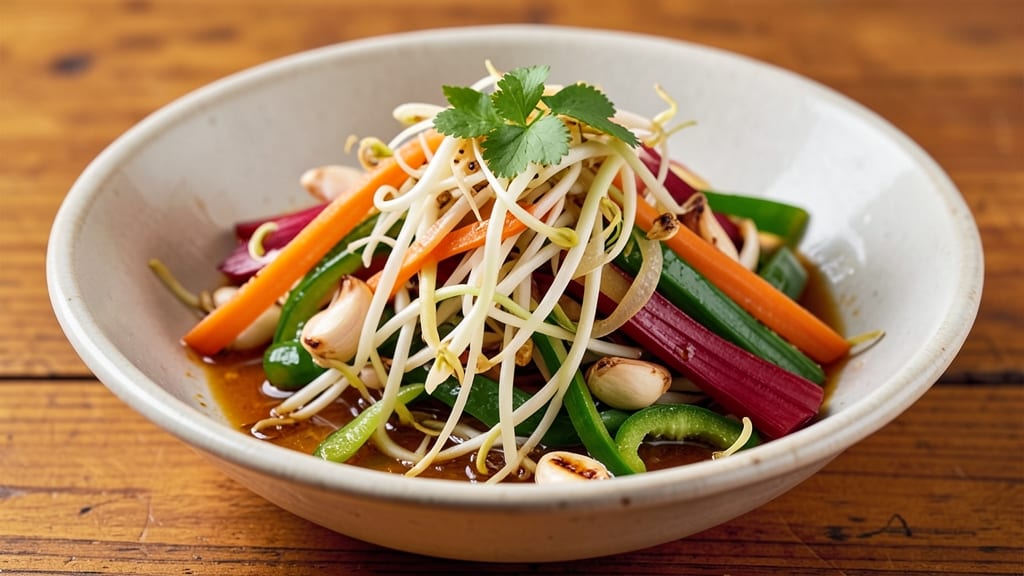
This bean sprout chop suey recipe brings the bold flavors of wok-fried crunch and soy-ginger zing to your kitchen table. ✨ The dish delivers a perfect balance of crisp-tender bean sprouts, aromatic vegetables, and a savory sauce that's both comforting and invigorating.
What started as a classic Chinese-American home-cooked meal has evolved into a versatile dish that works for weeknight dinners or weekend gatherings.
The magic lies in the quick stir-fry technique, where high heat transforms simple ingredients into something extraordinary. Bean sprouts become crisp-tender, carrots caramelize slightly, and the sauce—packed with soy, oyster, and ginger—creates a symphony of umami and brightness.
I've included an optional tofu addition for a vegan-friendly version, ensuring everyone at the table can enjoy this flavorful dish.
What you'll end up with is a vibrant, aromatic plate of chop suey that's packed with texture and flavor. The bean sprouts retain their satisfying crunch, the vegetables are perfectly tender, and the sauce coats everything in a glossy, savory finish.
This dish pairs beautifully with steamed rice or noodles, making it a complete meal that's both hearty and satisfying.
Whether you're making it for a family dinner or a casual get-together, this chop suey recipe is designed to impress without being overly complicated. The steps are straightforward, and the ingredients are easy to find, making it a go-to recipe for any home cook.
Ingredients for bean sprout chop suey
Crisp bean sprouts, aromatic vegetables, and a savory soy-ginger sauce create this vibrant chop suey masterpiece.
| Ingredient | Amount | Notes |
|---|---|---|
| Fresh Bean Sprouts 🌱 | 4 cups | Crisp and fresh, rinsed well |
| Medium Carrots 🥕 | 2 whole | Julienned into thin strips |
| Green Bell Pepper 🌶️ | 1 whole | Thinly sliced, seeds removed |
| Celery Stalks 🧅 | 2 whole | Thinly sliced on the diagonal |
| Garlic Cloves 🧄 | 4 cloves | Minced finely for aromatic punch |
| Fresh Ginger 🌿 | 1 tbsp | Grated finely, fresh preferred |
| Vegetable Oil 🫒 | ½ cup | High smoke point for wok-frying |
| Low-Sodium Soy Sauce 🍶 | ⅓ cup | Kikkoman preferred for balance |
| Oyster Sauce 🍲 | 2 tbsp | Vegetarian version with mushroom extract |
| Sesame Oil 🫒 | 1 tbsp | Toasted, for finishing aroma |
| Cornstarch 🌾 | 1 tbsp | For thickening sauce |
| Water 💧 | ¼ cup | For sauce slurry |
| Firm Tofu 🧀 | 8 oz | Optional, pressed and cubed |
| White Rice 🍚 | 2 cups | Uncooked, for serving |
| Diamond Crystal Kosher Salt 🧂 | ½ tsp | For seasoning |
The bean sprouts are the star—look for bright, crisp varieties at Asian markets or the produce section. Trader Joe's and Whole Foods carry excellent quality, but any fresh sprouts will work. Carrots and celery should be firm with vibrant color; organic is ideal to avoid pesticide residue. The tofu, if using, should be extra-firm and pressed thoroughly to remove excess moisture—skip this if keeping it vegetarian without meat. For the sauce, vegetarian oyster sauce is essential; brands like Lee Kum Kee offer reliable options.
No fresh ginger? Powdered works at half the amount, but fresh delivers that unmistakable zing. Short on sesame oil? Toasted sesame seeds sprinkled at the end mimic the aroma. The soy sauce ratio can be adjusted—reduce by 1 tbsp if you prefer less saltiness. For a quicker prep, pre-cut stir-fry vegetable mixes from the frozen aisle save time without sacrificing texture. The cornstarch slurry is non-negotiable for that glossy, clingy sauce—mix it well to avoid lumps. And if you're curious about the tofu, marinate it in soy sauce for 10 minutes before cooking for extra flavor.
Bean sprouts and cooked vegetables keep best in airtight containers for 3-4 days in the fridge. The sauce can be made ahead and reheated gently—just add a splash of water if it thickens too much. For leftovers, store with rice to prevent sogginess. The tofu, if prepped, freezes beautifully for up to 3 months—thaw and reheat in the sauce for convenience. This dish reheats wonderfully, making it perfect for meal prep; cover with a damp paper towel to retain moisture.
Why You'll Love This Recipe
- I’ll be real: carrots, bell peppers, and celery are cheap, and bean sprouts stretch further than you’d think. A single bag lasts me three meals, and the leftovers? They taste just as good reheated the next day—no sad, mushy veggies here. It’s my go-to when I’m pinching pennies but still want a meal that doesn’t skimp on flavor. Plus, it’s the kind of dish where you can eyeball measurements and never worry.
- Fewer Ingredients, Bigger Payoff: I swear by this recipe because it’s the kind of dish where you use half the ingredients of other stir-fries but still get that satisfying crunch and depth. Those fresh bean sprouts? They’re the star—they stay crisp even after tossing, and the garlic? Oh, it builds flavor without overpowering. Honestly, I’ve made this with just a handful of pantry staples and a wok (or even a skillet) and never felt like I was missing anything.
- Crunch That Stays Crunchy: Here’s what sold me—the texture. That first bite of bell pepper and celery, still snappy after stir-frying? Chef’s kiss. The secret’s in not overcrowding the pan and letting the veggies hit high heat fast. (Yes, even on a Tuesday night.) It’s the kind of dish where you can hear the satisfaction—everyone at my table leans in for that first mouthful.
- Lunchbox or Dinner Plate: Between us, this recipe works everywhere. Pack it cold in bento boxes for work—those sprouts hold up perfectly—and it’s still a hit. Or serve it steaming over rice for a weeknight dinner that feels special. I’ve even turned it into a potluck crowd-pleaser by doubling the batch and letting guests add their own protein. It’s unfussy but always impressive.
Step-by-step instructions for wok-fried bean sprout chop suey
Master this classic stir-fry technique for vibrant, crisp-tender vegetables and a glossy soy-ginger sauce.
🍳 Step 1: Prepare and Prep All Ingredients
Start by julienning the 2 whole medium carrots into thin strips using a sharp mandoline or knife. Thinly slice the 1 whole green bell pepper lengthwise, removing seeds and membranes first. Cut the 2 whole celery stalks on the diagonal into ¼-inch pieces. For the tofu, if using, press the 8 oz firm tofu between paper towels for 15 minutes to remove excess moisture, then cube into ½-inch pieces.
Finely mince the 4 cloves garlic and grate the 1 tbsp fresh ginger using a microplane. Rinse the 4 cups fresh bean sprouts thoroughly and drain well. This prep ensures everything cooks evenly and the vegetables maintain their crisp texture. I like to work in batches—prep the vegetables first, then move to the aromatics while they sit.
🔥 Step 2: Wok-Fry Vegetables in Stages
Heat a wok or large skillet over high heat until smoking, then add 0.5 cup vegetable oil. Working in batches, add the harder vegetables first: carrots, bell pepper, and celery. Stir-fry for 2-3 minutes until they begin to soften but still retain a slight crunch. Remove them to a plate and set aside.
Add the 4 cups bean sprouts to the wok and stir-fry for 1-2 minutes until just wilted but still bright green. If using tofu, add it now and cook for 2 minutes until lightly golden. The key here is high heat and constant movement—don't overcrowd the wok or the vegetables will steam instead of sear. This stage builds the foundation of texture in your chop suey.
🍳 Step 3: Build the Soy-Ginger Sauce
Reduce the heat to medium and add the 4 cloves minced garlic and 1 tbsp grated ginger to the wok. Stir for 30 seconds until fragrant—this releases their full flavor. Pour in the 0.33 cup low-sodium soy sauce and 2 tbsp oyster sauce, scraping up any browned bits from the bottom of the wok. These bits pack intense umami flavor.
In a small bowl, whisk together the 1 tbsp cornstarch and 0.25 cup water to create a slurry. Slowly pour this into the wok while stirring constantly. The sauce will begin to thicken immediately—simmer for 1-2 minutes until it coats the back of a spoon. This creates the signature glossy, clinging sauce of authentic chop suey.
🥘 Step 4: Combine and Finish
Return the previously cooked vegetables and tofu to the wok, tossing everything together with the sauce. Drizzle in the 1 tbsp sesame oil and stir for another 30 seconds to distribute it evenly. The sesame oil adds a nutty aroma that elevates the dish. Taste and adjust seasoning with an additional pinch of 0.5 tsp diamond crystal kosher salt if needed—remember, the soy sauce already contributes significant saltiness.
Serve the chop suey immediately over 2 cups cooked white rice, garnished with extra sesame seeds if desired. The vegetables should be crisp-tender, the sauce glossy and well-balanced, and each bite should deliver that perfect harmony of textures and flavors. This dish shines when served fresh—don't let it sit!
Pro Tips For Making Bean Sprout Chop Suey
- STIR-FRY IN BATCHES: Bean sprouts release water like a faucet—don’t overload the pan. Work in 2-3 cups at a time, tossing them out first to dry the excess moisture. I learned this the hard way when my first batch turned into a soggy mess.
- SLICE CARROTS THINLY: Skip the thick rounds—cut carrots into 1/8-inch matchsticks so they cook in the same 2-3 minutes as the sprouts and peppers. Thick slices end up chewy, and no one wants that in chop suey.
- SALT THE SPROUTS: Toss bean sprouts with 1/2 teaspoon salt and let them sit for 5 minutes before cooking. This draws out moisture and crisps them up better than raw, limp sprouts ever could.
- SAVE TIME WITH PREP: While the wok heats, chop all veggies into uniform pieces—bell peppers, celery, and carrots all go the same size. No measuring cups needed: just eyeball it. Uniform cuts = even cooking, and that’s non-negotiable for chop suey.
Wine and beer pairings for bean sprout chop suey
Crisp White Wine Pairings
A dry Sauvignon Blanc from New Zealand or California is my go-to choice for bean sprout chop suey. The wine's bright acidity and citrus notes cut through the rich soy sauce while complementing the fresh bean sprouts.
Look for a Kim Crawford or Cloudy Bay—their crisp profiles balance the dish's umami flavors beautifully. Serve slightly chilled (45-50°F) to enhance the wine's refreshing qualities. 🍷
Light-Bodied Red Options
If you prefer red wine, a Pinot Noir from Oregon or Burgundy offers a perfect match. Its delicate berry flavors and subtle earthiness harmonize with the dish's ginger and garlic without overpowering the delicate bean sprouts.
Choose a La Crema or Meiomi—both provide enough acidity to cleanse your palate between bites. Let the wine breathe for 10 minutes before serving to soften its tannins.
Asian-Inspired Beer Selections
For beer lovers, a Japanese lager like Asahi Super Dry or Sapporo is ideal. Its clean, crisp profile and subtle hop bitterness mirror the chop suey's balance of sweet and savory.
Alternatively, a Chinese pale ale such as Snow Beer complements the soy sauce's depth while keeping the dish's freshness intact. Serve these beers well-chilled (38-42°F) to highlight their refreshing qualities.
Craft Beer Pairings
If you're experimenting with craft beer, a wheat beer with a touch of spice—like Blue Moon or Allagash White—works wonderfully. The beer's citrus and peppery notes enhance the ginger in the sauce, while its effervescence cleanses the palate.
For a bolder option, try a light American IPA with low bitterness, such as Fat Tire Amber Ale, to add a subtle hoppy contrast to the dish's umami flavors.
Non-Alcoholic Options
Don't overlook non-alcoholic pairings! A sparkling yuzu soda like San Pellegrino Aranciata adds a citrusy zing that mirrors the dish's fresh ingredients. Alternatively, a ginger beer with a hint of spice—such as Feather Ginger Beer—complements the chop suey's bold flavors while keeping things refreshing.
Serve both chilled to enhance their crispness and balance the dish's richness. 💛
Nutrition facts
Frequently asked questions
Can I use frozen bean sprouts instead of fresh?
Fresh bean sprouts are ideal for their crisp texture, but frozen will work in a pinch. Thaw them completely first, then pat dry thoroughly to prevent excess moisture from steaming the vegetables. For best results, drain well and let them sit in a colander for 5 minutes before cooking.
How do I make this recipe vegan?
Swap the oyster sauce for a vegan alternative like mushroom-based oyster sauce or soy sauce with a splash of 1 tbsp rice vinegar. Use firm tofu or tempeh instead of meat, and ensure all ingredients (like soy sauce) are certified vegan. The flavor remains rich and satisfying with these adjustments!
Why did my bean sprouts turn mushy?
Overcooking is the most common cause—bean sprouts only need 1-2 minutes of stir-frying to stay crisp-tender. Cook them separately from harder vegetables, and remove them immediately after they wilt slightly. Also, ensure they're thoroughly drained before cooking to prevent steaming.
Can I make this dish gluten-free?
Yes! Use tamari or gluten-free soy sauce instead of regular soy sauce, and check the oyster sauce label for gluten content. Brands like Lee Kum Kee offer gluten-free versions. The rest of the recipe remains unchanged, and the flavors stay just as vibrant.
What other proteins work well with chop suey?
Chicken, shrimp, or pork are classic choices. For extra texture, try adding ½ cup chopped water chestnuts or ½ cup sliced mushrooms. If keeping it vegetarian, marinate tofu in soy sauce for 10 minutes before cooking to boost flavor. Each protein adds a unique twist!