
Main Courses
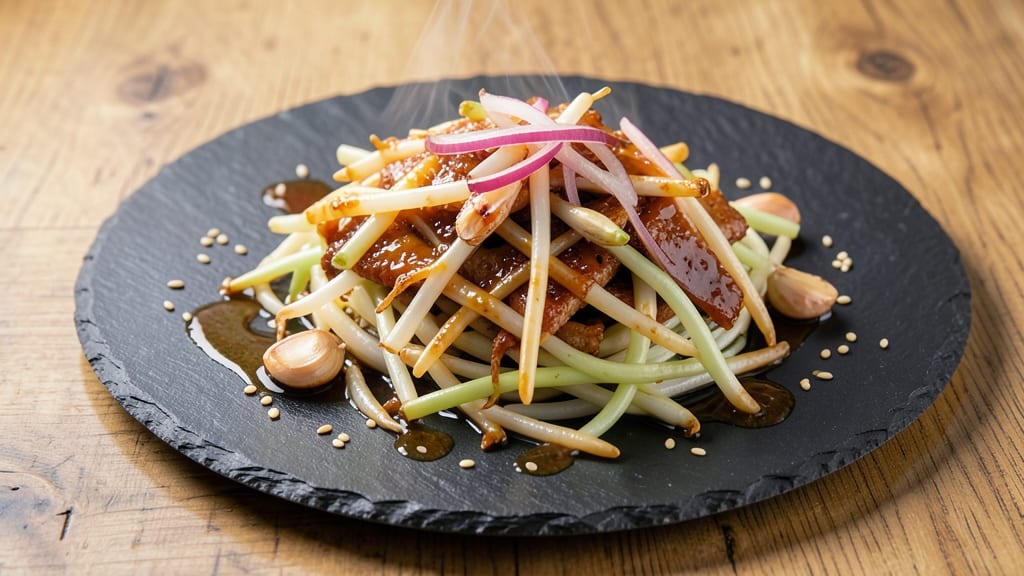
This bean sprout bulgogi recipe transforms humble bean sprouts into a crispy-sweet stir-fry with restaurant-quality depth. 💛 The secret lies in a savory-sweet marinade—garlic, sesame oil, and soy sauce—paired with a quick sear that delivers that signature Korean bulgogi texture without meat.
I developed this version after craving the bold flavors of bulgogi but wanting a lighter, plant-based option that still delivers maximum umami. The beauty of this dish is its foolproof technique: toss the sprouts in marinade, let them sit for 20 minutes, then pan-sear until golden and caramelized.
The result? Crispy edges that give way to tender sprouts with a sticky, flavorful glaze. This method works equally well on the stovetop or grill, making it versatile for any weeknight or weekend meal.
What makes this recipe stand out is how it balances sweetness, saltiness, and umami in every bite. The marinade's depth comes from fermented ingredients—soy sauce and sesame oil—that create that unmistakable bulgogi profile.
Serve it over steamed rice or with quick-pickled vegetables to cut through the richness, and you've got a complete, satisfying meal. Perfect for meat-free Mondays or as a side dish that steals the show, this bulgogi transforms a simple vegetable into something extraordinary. Let's get cooking!
Ingredients for bean sprout bulgogi
Transform bean sprouts into crispy-sweet bulgogi with these restaurant-quality ingredients.
| Ingredient | Amount | Notes |
|---|---|---|
| Mung Bean Sprouts 🌱 | 12 oz | Fresh, trimmed and rinsed |
| Korean Soy Sauce (Ganjang) 🫒 | ⅓ cup | High-quality fermented soy sauce |
| Sesame Oil 🫒 | 2 tbsp | Toasted sesame oil preferred |
| Rice Vinegar 🍶 | 1 ½ tbsp | White or seasoned vinegar |
| Brown Sugar 🍚 | 2 tbsp | Packed firmly for accuracy |
| Garlic Cloves 🧄 | 6 cloves | Minced finely for depth |
| Ginger Root 🌿 | 1 tbsp | Fresh, grated finely |
| Toasted Sesame Seeds 🌰 | 1 tbsp | For garnish and texture |
| Vegetable Oil 🫒 | 2 tbsp | High smoke point preferred |
| Green Onion 🧅 | 3 whole | Thinly sliced for garnish |
| Sesame Seeds 🌰 | 1 tsp | For final garnish |
| Diamond Crystal Kosher Salt 🧂 | ½ tsp | For seasoning balance |
| Freshly Ground Black Pepper 🌶️ | ¼ tsp | For subtle heat |
| Steamed Jasmine Rice 🍚 | 2 cups | Cooked, for serving |
The Korean soy sauce is non-negotiable here—look for Ganjang at specialty Asian markets or the international aisle of Whole Foods for authentic depth. Fresh mung bean sprouts should be crisp and vibrant; avoid wilted or yellowing sprouts. For the sesame oil, Kadoya or La Choy brands deliver that toasted aroma without bitterness. The brown sugar adds caramelization, but coconut sugar works equally well for a less refined taste. Minced garlic and ginger should be finely chopped to dissolve completely into the marinade—microplane for ginger saves time and ensures even distribution.
No Korean soy sauce? Tamari or high-quality Japanese soy sauce works in a pinch, though the flavor profile will differ slightly. Substitute maple syrup for brown sugar if you prefer a more delicate sweetness. Fresh ginger and garlic can be swapped for powdered versions at half the amount, but the texture won't be as refined. For a quicker prep, pre-minced garlic from the jar is fine—just drain it well. The sesame oil should be added last to the marinade to preserve its aromatic oils, and the toasted sesame seeds can be omitted if you're avoiding extra fat, though they add incredible crunch. Green onions can be replaced with scallions or chives for a milder flavor.
Fresh bean sprouts keep for 5-7 days in the fridge, but use them within 2 days for maximum crispness. The marinade components (soy sauce, sesame oil, vinegar, sugar) can be pre-mixed and stored in an airtight container for up to 1 week in the fridge. For meal prep, marinate the sprouts for 20 minutes max before cooking to prevent sogginess. The steamed rice should be served immediately after cooking the bulgogi to maintain its fluffy texture. Garnishes like sesame seeds and green onions can be stored separately and added fresh before serving for maximum brightness.
Why You'll Love This Recipe
- No-Chop Night: I swear by this—just rinse those mung bean sprouts, toss them in the sauce, and let the pan do the work. The sprouts wilt in minutes, no dicing, no stress, just that satisfying sizzle of sesame oil hitting the heat.
- Umami Bomb: That Korean soy sauce (ganjang) and brown sugar combo? It’s like a flavor shortcut—deep, salty, with just enough sweetness to make your taste buds sit up. The rice vinegar brightens it up so it doesn’t feel heavy, even after a long day.
- Lunchbox Hero: Between us, this is my go-to for packed lunches. Cold or warm, it holds up for days—just drizzle extra sesame oil before sealing. Honestly, my kids beg for it more than my homemade sandwiches, and that’s saying something.
- Pantry Magic: You’re looking at a $5 ingredient list that stretches into multiple meals. No fancy marbling cuts or last-minute grocery runs—just what’s already lurking in your cupboard. (Yes, even on a Tuesday night.)
Step-by-step instructions for crispy bean sprouts bulgogi
Transform simple mung bean sprouts into a restaurant-worthy stir-fry with this precise bulgogi technique.
🍳 Step 1: Prepare the Umami-Packed Marinade
In a small bowl, combine the 0.33 cup Korean soy sauce (ganjang), 1.5 tbsp rice vinegar, 2 tbsp brown sugar, 6 minced garlic cloves, and 1 tbsp finely grated ginger root. Whisk vigorously until the sugar dissolves completely—this creates a smooth, cohesive marinade base.
Add 2 tbsp sesame oil and 0.5 tsp Diamond Crystal kosher salt, then stir again. The marinade should coat the back of a spoon with a glossy sheen. Let it sit at room temperature for 5 minutes to allow the flavors to meld—this short wait enhances the depth of the umami profile.
👨🍳 Step 2: Blanch and Crisp the Mung Bean Sprouts
Bring a medium pot of water to a rolling boil. Add the 12 oz trimmed mung bean sprouts and blanch for exactly 30 seconds. Immediately drain in a colander and rinse under cold water to stop the cooking process—this preserves their crisp texture while removing excess starch.
Transfer the blanched sprouts to a clean kitchen towel and gently squeeze out all moisture. This step is critical: any residual water will steam the sprouts instead of crisping them. Spread them on a wire rack and let them air-dry for 10 minutes while you prepare the stir-fry.
🔥 Step 3: Stir-Fry with High Heat for Maximum Crisp
Heat a large wok or skillet over high heat until a droplet of water sizzles and evaporates instantly. Add 2 tbsp vegetable oil and swirl to coat the pan. Add the dried sprouts in a single layer and stir-fry for 4-5 minutes, working quickly to prevent overcrowding.
You'll know they're perfectly crisp when they develop golden-brown edges and release a toasty aroma. Avoid stirring too frequently—this ensures even contact with the hot surface. Remove the sprouts and set aside, leaving the wok for the next step.
🥘 Step 4: Combine and Finish with Sesame Garnish
Return the wok to high heat and add the prepared marinade, scraping up any browned bits from the bottom. Simmer for 2-3 minutes until the sauce reduces slightly and thickens. Add the crispy sprouts back to the wok and toss gently to coat evenly.
Divide the 2 cups steamed jasmine rice among serving plates, then spoon the bulgogi over the top. Garnish with 1 tbsp toasted sesame seeds, 1 tsp additional sesame seeds, and 3 thinly sliced green onions. The contrast of crispy sprouts against the tender rice creates the perfect texture balance.
⏰ Step 5: Serve Immediately for Peak Texture
Transfer the bulgogi to serving plates right away—the crispy texture softens within minutes. The dish should have a caramelized sheen from the reduced sauce and a toasted sesame aroma that fills the air.
Serve with extra thinly sliced green onions on the side for garnish. Each bite should deliver the crispy snap of the sprouts followed by the sweet-savory umami of the bulgogi sauce—a perfect harmony of textures and flavors that makes this simple vegetable the star of the plate.
Pro Tips For Making Bean Sprout Bulgogi
- Trim the Sprouts: Cut the ends off those mung bean sprouts—about ½ inch off the bottom. I learned this the hard way when my first batch turned mushy; the roots hold too much moisture and ruin the crisp-tender texture you want. Rinse them after trimming so they don’t absorb extra water.
- Cook Low and Slow: Simmer the bulgogi sauce with the sprouts on medium-low heat. High heat kills the delicate crunch, and I’ve seen too many batches turn soggy because someone cranked the stove. Keep it at a gentle bubble—this takes 8-10 minutes, not 5.
- Salt the Sprouts First: Toss the trimmed sprouts with a pinch of salt before adding the sauce. This draws out excess water and guarantees they absorb the ganjang and sesame oil properly. Skip this, and your sprouts will just steam in their own juices.
- Toss in Sesame Oil Last: Drizzle the sesame oil over the finished dish, not during cooking. Heat destroys its nutty aroma, and I’ve ruined batches by adding it too early. A quick toss at the end coats everything perfectly—no extra effort, just better flavor.
Storing and reheating this recipe
Refrigerator Storage
Store leftover bean sprout bulgogi in an airtight container with a tight-fitting lid for up to 3 days in the refrigerator. The crispy texture will soften slightly over time, but the flavors actually deepen as the marinade continues to meld.
I like to keep the rice and bulgogi separate in the fridge to maintain the best texture—reheat them separately before combining. 🥬
Freezer Storage Tips
For longer storage, freeze the cooked bulgogi (without rice) in a single layer on a tray for 1 hour to prevent clumping, then transfer to a freezer-safe bag or container. It keeps for up to 2 months—thaw overnight in the fridge before reheating.
The texture won't be as crispy after freezing, but it still delivers that delicious umami kick. 🥶
Reheating Methods
For stovetop reheating, add 1 tablespoon of water or sesame oil to a nonstick skillet over medium-high heat, then toss in the bulgogi for 3-4 minutes until heated through.
This restores some crispiness. For microwave reheating, cover with a damp paper towel and heat in 30-second intervals on 70% power, stirring between each interval. 🔥
Reviving Crispiness
If your reheated bulgogi loses its crispy edges, give it a quick sear in a dry skillet for 1-2 minutes over high heat. The caramelization will return instantly! For extra crunch, sprinkle with toasted sesame seeds or a pinch of sugar before reheating to recreate that restaurant-style finish. ✨
Serving Leftovers
Use leftover bulgogi as a filling for rice bowls, lettuce wraps, or banh mi sandwiches—the flavors adapt beautifully to new formats. Garnish with fresh green onions or a drizzle of chili crisp to keep it exciting.
I often pack leftovers for lunch the next day—they're perfect cold or reheated! 🍱
Sauce Refresh
If the sauce seems dry after storage, revive it by adding 1 teaspoon of water or rice vinegar and heating gently. For extra depth, stir in ½ teaspoon of soy sauce or a dash of sesame oil. This trick works wonders for restoring that glossy, flavorful finish. 💫
Nutrition facts
Frequently asked questions
Can I use other types of bean sprouts?
Mung bean sprouts are ideal for this recipe due to their delicate texture and mild flavor, but you can substitute with adzuki bean sprouts or soybean sprouts. Avoid radish sprouts—they're more pungent and may overpower the bulgogi marinade. If using alternatives, reduce the marinade time to 15 minutes to prevent excess softening.
How do I adjust the sweetness level?
The recipe balances sweetness with umami, but you can customize it. For less sweetness, reduce brown sugar to 1 tbsp and add ½ tsp extra soy sauce. For more caramelization, increase sugar to 3 tbsp and add ½ tsp honey to the marinade. Taste the sauce before tossing with sprouts to perfect the ratio!
Can I make this recipe gluten-free?
Yes! Replace the Korean soy sauce with 1/3 cup gluten-free tamari or coconut aminos. For extra depth, add 1 tsp gluten-free fish sauce to the marinade. Check that all other ingredients (like rice vinegar) are certified gluten-free, as some brands may contain traces.
Why did my bean sprouts turn mushy?
Overcooking or excess moisture are the most common causes. Ensure you blanch for exactly 30 seconds and pat them completely dry after rinsing. Also, avoid stirring too much during the 4-5 minute crisping phase—this prevents steam buildup that softens the sprouts. For extra insurance, spread them on a wire rack to air-dry for 10 minutes before cooking.
What sides pair best with this dish?
This crispy bulgogi pairs beautifully with steamed jasmine rice, quick-pickled cucumbers, or kimchi to balance the sweetness. For a lighter option, serve with miso soup or a simple arugula salad**> with sesame dressing. The acidity from pickled veggies cuts through the richness, while rice soaks up the flavorful sauce perfectly!