
Soups & Stews
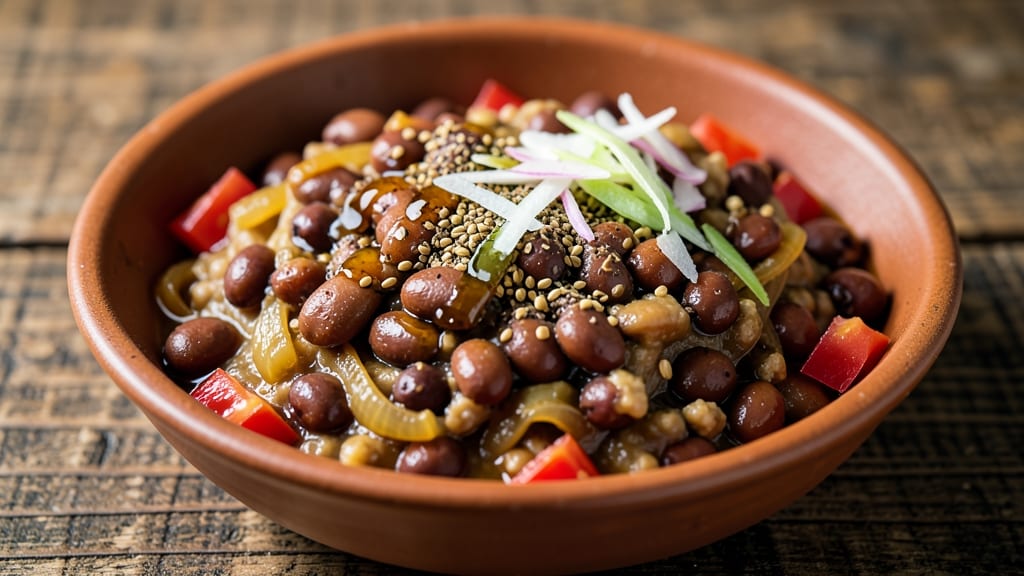
Adzuki bean dal transforms humble ingredients into a deeply comforting, protein-rich stew that feels like a warm embrace in a bowl. This recipe balances earthy spices with sweet adzuki beans, creating a dish that's both nourishing and satisfying—perfect for vegans or anyone craving hearty, flavorful meals. The secret lies in slow-cooked spices that develop rich depth while keeping the beans tender and the broth velvety.
The process starts with soaking the beans to soften them, then pressure cooking until perfectly tender—a technique that preserves their natural sweetness. Tempering with mustard seeds and curry leaves adds an aromatic punch, while a blend of cumin, coriander, and garam masala builds layers of warmth.
The result is a dal that's creamy, spiced just right, and packed with plant-based protein to keep you full and energized.
This dal pairs beautifully with basmati rice, warm roti, or a dollop of cooling yogurt to balance the spices. The earthy sweetness of adzuki beans makes it versatile—add coconut milk for richness or fresh cilantro for brightness.
Whether you're meal prepping for the week or serving a cozy dinner, this recipe delivers restaurant-quality comfort with minimal effort.
Ready in about 45 minutes, it’s a one-pot wonder that requires no fancy equipment, just patience and a few simple ingredients. The aroma alone will have everyone gathering around the table—because some meals aren’t just food, they’re memories waiting to be made.
Ingredients for adzuki bean dal
Earthy spices meet sweet adzuki beans in this comforting vegan dal, packed with protein and rich flavor.
| Ingredient | Amount | Notes |
|---|---|---|
| Adzuki Beans 🌱 | 1 ½ cups | Dried, soaked overnight |
| Fresh Ginger 🧄 | 1 ½ tbsp | Finely grated, aromatic |
| Yellow Onion 🧅 | 1 whole | Medium, chopped fine |
| Garlic Cloves 🧄 | 4 cloves | Peeled, minced |
| Cumin Seeds 🌿 | 1 tsp | Toasted lightly |
| Ground Coriander 🌿 | 1 tbsp | Freshly ground preferred |
| Garam Masala 🌶️ | 1 ½ tsp | Store-bought blend |
| Mustard Seeds 🌶️ | ½ tsp | Yellow or brown |
| Curry Leaves 🌿 | 10 whole | Fresh, crushed slightly |
| Tomato Paste 🍅 | 2 tbsp | Smooth, no added sugar |
| Vegetable Broth 💧 | 4 cups | Low-sodium preferred |
| Fresh Cilantro 🌿 | ¼ cup | Chopped, for garnish |
| Lemon Juice 🍋 | 1 tbsp | Freshly squeezed |
| Sea Salt 🧂 | 1 tsp | Adjust to taste |
| Coconut Milk 🥥 | ¼ cup | Full-fat for creaminess |
The adzuki beans are the heart of this dish—soaking overnight ensures they cook tender without losing their natural sweetness. Indian or Asian grocery stores carry dried adzuki beans in bulk, but any specialty store will have them. For ginger, organic is ideal—it's more aromatic and less likely to be waxed. The mustard seeds and curry leaves? Penzeys Spices sells them in small quantities, or check the international aisle at Whole Foods. Toasting the cumin seeds before adding them (just 30 seconds in a dry pan) brings out their nutty depth—don't skip this step.
No garam masala? Mix 1/2 tsp each of ground cumin, coriander, cinnamon, and cardamom for a quick substitute. Fresh ginger too pungent? Substitute with 1 tbsp ground ginger, but it won't have the same zing. The coconut milk adds richness—full-fat canned coconut milk works best, but light will do in a pinch. Tomato paste? Trader Joe's sells it in a squeeze tube, which is perfect for small batches. For extra brightness, add 1/2 tsp turmeric when tempering the spices, but it's optional since the garam masala already includes it.
This dal tastes even better the next day as flavors meld. Store in an airtight container in the fridge for up to 5 days, or freeze portions for 3 months. I double the batch and freeze half—perfect for lazy weeknights. The spices lose potency over time, so toast fresh cumin seeds whenever you make it again. For meal prep, portion into jars with a layer of cilantro on top—it keeps the herbs fresh longer.
Why You'll Love This Recipe
- I’ll be real: I used to dread soaking beans, but adzuki? They soften beautifully in just 20 minutes of simmering. No overnight prep, no fuss—just dump, cook, and enjoy.
- No-Soaking Needed: I’ll be real: I used to dread soaking beans, but adzuki? They soften beautifully in just 20 minutes of simmering. No overnight prep, no fuss—just dump, cook, and enjoy.
- Earthy-Garlicky Magic: That first bite when the ginger and garlic hit after toasting the cumin seeds? It’s like a warm hug for your taste buds. The beans soak up all the flavor, but the real star is how the spices bloom without overpowering.
- Lunchbox Hero: Pack this for work or school—it stays warm in a thermos, and the adzuki beans hold their shape. My kid brings it every day because it’s not mushy like other dals, and honestly? Neither do I.
Step-by-step instructions for adzuki bean dal
This earthy, protein-rich dal delivers deep flavor through careful layering of spices and aromatics.
Prepare the Beans and Toast Whole Spices
Drain and rinse the soaked adzuki beans thoroughly. In a heavy-bottomed pot over medium heat, add the beans along with 4 cups vegetable broth. Bring to a gentle boil, then reduce heat to low and simmer uncovered for 30 minutes until the beans are tender but not mushy. Stir occasionally to prevent sticking.
While the beans simmer, dry-toast the cumin seeds and mustard seeds in a small skillet over medium-low heat for 1 minute until fragrant. This step unlocks their essential oils, which form the aromatic base of the dal. Immediately transfer them to a small bowl to prevent burning.
Build the Spice Base with Onion and Aromatics
In the same pot, add 1 whole yellow onion (chopped fine) and sauté over medium heat for 5-6 minutes until translucent and just beginning to caramelize. Add the 1.5 tbsp fresh ginger (finely grated) and 4 cloves garlic cloves (minced), cooking for another 2 minutes until the raw garlic smell disappears.
Stir in the toasted cumin seeds and mustard seeds, followed by the 10 whole curry leaves (crushed slightly). Cook for 30 seconds until the seeds sizzle and the curry leaves darken slightly. This creates the foundational complexity that defines South Indian dals.
Develop the Flavor with Tomato Paste and Spices
Add the 2 tbsp tomato paste and cook for 2 minutes while stirring constantly to prevent burning. This step deepens the color and adds a subtle sweetness that balances the earthy beans. Sprinkle in the 1 tbsp ground coriander and 1.5 tsp garam masala, stirring vigorously for 1 minute to toast the spices lightly.
Pour the spiced onion mixture into the pot with the simmering beans. Add the 1 tsp sea salt and stir well. Let the mixture simmer uncovered for 15-20 minutes until the flavors meld and the dal thickens slightly. The beans should be fork-tender with no resistance.
Finish with Coconut Milk and Acid Balance
Reduce heat to low and stir in the 0.25 cup coconut milk and 1 tbsp lemon juice. Simmer gently for 5 minutes to allow the coconut milk to blend smoothly into the dal. The acidity from the lemon juice brightens the earthy flavors while the coconut milk adds a velvety texture.
Taste and adjust seasoning with additional salt if needed. The dal should be richly spiced with a balance of earthy, sweet, and tangy notes. Remove from heat and let it sit for 5 minutes to thicken slightly before serving.
Garnish and Serve for Maximum Comfort
Spoon the dal into serving bowls and garnish immediately with the 0.25 cup fresh cilantro (chopped). The bright green color and fresh herb notes provide a visual and flavorful contrast to the deep red dal. Serve hot with steamed basmati rice or warm naan bread for the ultimate comforting meal.
This dal delivers on its promise of earthy comfort through careful spice layering and proper cooking techniques. The protein-packed adzuki beans create a satisfying, hearty dish perfect for any meal.
Pro Tips For Making Adzuki Bean Dal
- SOAK BEANS OVERNIGHT: I learned this the hard way—skipping the soak means your adzuki beans will stay stubbornly firm, no matter how long you simmer. Soak them 8+ hours (or at least 4 hours in warm water) to cut cooking time by half and guarantee they break down properly.
- TOAST CUMIN LOW: After burning three batches, I finally figured out cumin needs patience—start on medium-low heat and stir constantly. High heat turns them bitter fast; you want them just fragrant, not browned, before adding onions.
- GRATE GINGER FINE: My grandmother swore by this, and she was right: use a microplane or fine grater for ginger, not a knife. The texture blends smoother, and you’ll taste the freshness in every spoonful without chunks lurking at the bottom.
- SIMMER GENTLY AFTER BOIL: Yes, even if you’re impatient like me, resist the urge to rush the last 10 minutes. After the beans soften, drop heat to a whisper and let them absorb the flavors—this is when the dal goes from good to deeply flavorful.
Health benefits of this adzuki bean dal
Protein Powerhouse
Adzuki beans deliver a whopping 15 grams of plant-based protein per cup, making this dal an exceptional meal for muscle repair and satiety. Unlike many lentils, adzuki beans contain all nine essential amino acids, which is rare in plant foods.
This makes them particularly valuable for vegans or anyone reducing meat intake. 💪
Fiber for Digestion
With 12 grams of dietary fiber per cup, this dal supports digestive health by promoting regularity and feeding beneficial gut bacteria. The soluble fiber in adzuki beans helps stabilize blood sugar levels, preventing energy crashes after meals.
I notice my digestion improves noticeably when I include this dal 3-4 times weekly.
Rich in Iron
Adzuki beans provide 4.5mg of iron per cup (25% of daily needs), crucial for oxygen transport and energy production. Pairing this dal with vitamin C-rich sides like lemon wedges or bell peppers enhances iron absorption. The iron in this dal helps combat fatigue, especially for women or active individuals.
Antioxidant Benefits
The beans contain anthocyanins (responsible for their reddish hue), which have strong antioxidant properties that combat cellular damage. These compounds may help reduce inflammation and lower risk of chronic diseases. The spices used—cumin, coriander, and turmeric—add their own antioxidant boost.
Low Glycemic Index
With a low glycemic index, this dal helps maintain steady blood sugar levels, making it ideal for diabetics or anyone monitoring blood glucose. The combination of fiber and complex carbohydrates prevents spikes while providing sustained energy. I've found it keeps me full for hours without the post-meal energy crash.
Heart-Healthy Fats
The coconut milk adds beneficial medium-chain triglycerides that support heart health by improving cholesterol ratios. Combined with the beans' soluble fiber, this dal helps lower LDL ("bad") cholesterol while maintaining HDL ("good") levels. The spices also contain compounds that promote cardiovascular health.
Nutrition facts
Frequently asked questions
Why do I need to soak the adzuki beans overnight?
Soaking overnight reduces cooking time by 30-40% and prevents the beans from becoming mushy. The long soak also breaks down complex sugars, enhancing their natural sweetness and making them easier to digest. Skipping this step can leave your dal with a gritty texture and underdeveloped flavor.
Can I make this dal without coconut milk?
Yes! The coconut milk adds richness, but you can substitute with 2 tbsp cashew cream or 1 tbsp olive oil for a lighter version. For extra creaminess without dairy, blend 1/4 cup soaked cashews with 1/4 cup water and strain. The dal will still be flavorful—just slightly less velvety.
How do I adjust the spice level for sensitive palates?
Start by reducing the garam masala to 1 tsp and omit the mustard seeds—they pack the most heat. For extra mildness, add 1/2 cup more vegetable broth to thin the dal and serve with a side of plain yogurt to cool the spices. The coconut milk also helps balance any lingering heat.
What's the best way to reheat leftover adzuki bean dal?
Gently reheat on low heat with 1-2 tbsp water or broth to prevent the dal from thickening too much. For extra flavor, add a pinch of turmeric or a splash of lemon juice when reheating. Never microwave directly—this can make the dal rubbery. Stirring occasionally ensures even heating.
Can I use canned adzuki beans instead of dried?
Yes, but with adjustments: drain and rinse 2 (15-oz) cans of adzuki beans and simmer them for only 10-15 minutes with the spices. Canned beans are pre-cooked, so overcooking will turn them mushy. Add 1/2 cup extra broth to maintain the same consistency as the dried bean version.