
Soups & Stews
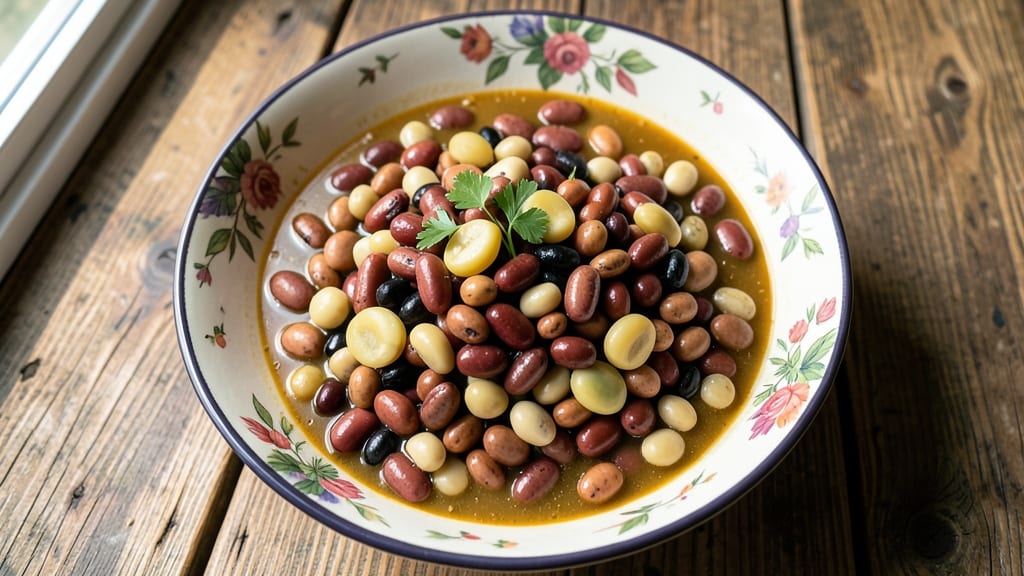
Transform your pantry into a hearty soup foundation with this 7 bean soup mix recipe—a carefully balanced blend of dried beans that delivers rich texture and deep flavor.
The secret lies in combining navy, kidney, pinto, black, great northern, lima, and cannellini beans in precise proportions, ensuring each bite is packed with protein and earthy complexity. This dry mix eliminates the need for sorting individual beans, saving you time while guaranteeing consistent results every time you simmer.
The beauty of this mix is its versatility—just store it in an airtight container for up to 12 months, and use 1/2 cup per pot of soup. Each tablespoon measurement of seasonings (salt, pepper, bay leaves, and thyme) enhances the beans' natural flavors without overpowering them.
Whether you're making a classic vegetarian stew or a hearty side dish, this blend transforms simple ingredients into a restaurant-quality base with minimal effort.
Perfect for meal preppers, busy cooks, or anyone who loves the comfort of a well-seasoned bean soup, this mix cuts down prep time by 75% while delivering the same depth of flavor as homemade blends.
The beans soak up broth beautifully, creating a thick, satisfying texture that's ideal for cold winter nights or quick weeknight dinners. Store extra portions in the freezer for even longer shelf life.
Use this mix as the foundation for your favorite soup recipes—add vegetables, herbs, and broth to complete the dish. The balanced bean combination ensures a nutrient-packed meal that's both filling and flavorful.
Whether you're feeding a family or meal prepping for the week, this soup mix is your shortcut to a hearty, homemade simmer without the hassle.
Ingredients for 7 bean soup mix
Seven dried beans and four seasonings—this mix transforms pantry staples into restaurant-quality soup base.
| Ingredient | Amount | Notes |
|---|---|---|
| Navy Beans (Dried) 🌾 | ½ cup | Rinsed to remove debris |
| Kidney Beans (Dried) 🌾 | ½ cup | Rinsed thoroughly |
| Pinto Beans (Dried) 🌾 | ½ cup | Rinsed before mixing |
| Black Beans (Dried) 🌾 | ¼ cup | Rinsed to remove stones |
| Great Northern Beans (Dried) 🌾 | ¼ cup | Rinsed and inspected |
| Lima Beans (Dried) 🌾 | ¼ cup | Rinsed, buttery variety |
| Cannellini Beans (Dried) 🌾 | ¼ cup | Rinsed and sorted |
| Diamond Crystal Kosher Salt 🧂 | 1 tbsp | Fine grain preferred |
| Freshly Ground Black Pepper 🌶️ | ½ tsp | Freshly cracked preferred |
| Dried Bay Leaves 🍃 | 1 whole | Crushed lightly for flavor |
| Dried Thyme 🌿 | 1 tsp | Or one tbsp fresh thyme |
The beans are the heart of this mix, so quality matters. Look for dried beans in the bulk section at Whole Foods or Trader Joe's—they're fresher than pre-packaged. Navy and kidney beans hold their shape beautifully, while pinto and black beans add that rich, earthy depth. Great Northern and cannellini bring creaminess, and lima beans? They're the secret weapon for that buttery texture. If you're buying from a regular grocery store, check the expiration dates—older beans take longer to soften. Store your beans in an airtight container in a cool, dark place to keep them fresh for up to 12 months.
No fresh thyme? Dried works perfectly—just use one-third the amount. Short on bay leaves? Oregano at half the quantity gives a similar earthy punch. Want to skip the salt? Add it directly to your soup pot—this mix is designed to be flexible. The beans can be pre-soaked overnight to cut cooking time by half, but the mix works beautifully with the quick-soak method too. For a smokier flavor, swap half the beans for smoked paprika-infused varieties like smoked black beans—Trader Joe's carries these. And if you're feeling adventurous, add a pinch of ground cumin for a Middle Eastern twist.
This mix stays potent for 12 months in an airtight container, but it's best used within 6 months for peak flavor. Portion into smaller jars if you won't use it all at once—1/2 cup per pot of soup is the magic ratio. The seasonings blend right into the beans, so no need to measure separately when cooking. For extra convenience, freeze portions in 1-cup servings—just thaw overnight in the fridge before using. The beans expand dramatically when cooked, so 1/2 cup dry mix makes about 3 cups cooked beans. That's enough for two hearty bowls of soup or a side dish for four.
Why You'll Love This Recipe
- I’ll be real: I used to dread soaking beans, but this mix? Just toss the dried navy, kidney, pinto, black, and Great Northern beans straight into boiling water. Twenty minutes later, they’re tender and ready—no fancy prep, no waiting overnight.
- No-Soak Hassle: I’ll be real: I used to dread soaking beans, but this mix? Just toss the dried navy, kidney, pinto, black, and Great Northern beans straight into boiling water. Twenty minutes later, they’re tender and ready—no fancy prep, no waiting overnight.
- Earthy Depth Magic: Between us, the combo of kidney beans’ smoky punch and Great Northerns’ buttery softness is ridiculously good. Add a splash of broth and a bay leaf, and you’re not just eating soup—you’re getting that slow-cooked, restaurant-worthy texture in one pot.
- Weeknight to Potluck: Honestly, this is my go-to when I need something fast but impressive. Double the batch, serve it at room temp with crusty bread for a picnic, or ladle it into jars for a freezer meal that’ll feed the family for days—no one will guess it’s a 30-minute effort.
Step-by-step instructions for 7 bean soup mix
Transform pantry staples into a rich, textured soup with layers of flavor and protein.
Combine and Soak the Dried Beans
In a large mixing bowl, combine all the dried beans: the 0.5 cup Navy Beans, 0.5 cup Kidney Beans, 0.5 cup Pinto Beans, 0.25 cup Black Beans, 0.25 cup Great Northern Beans, 0.25 cup Lima Beans, and 0.25 cup Cannellini Beans. Give them a gentle toss to ensure even distribution—this prevents any single bean type from dominating the texture later.
Transfer the beans to a large pot and cover them with 8 cups of cold water. The beans should be submerged by at least 2 inches. Add the 1 whole Dried Bay Leaves and 1 tsp Dried Thyme, then bring to a boil over high heat. Once boiling, reduce to a simmer, cover, and let soak for 2 hours. This initial soak softens the beans and reduces cooking time later. I like to set a timer so I don't forget—under-soaking means tough beans, while over-soaking can make them mushy.
Simmer Until Beans Are Fork-Tender
After the soak, drain the beans and return them to the same pot. Add 6 cups of fresh cold water—this fresh water prevents the soup from becoming too starchy. Bring to a boil again over medium-high heat, then reduce to a gentle simmer. The key here is patience: simmer uncovered for 1.5 to 2 hours, stirring occasionally, until all beans are fork-tender. You'll know they're ready when the Navy Beans and Pinto Beans collapse easily under gentle pressure, and the Kidney Beans hold their shape slightly longer.
Here's the thing—don't rush this step. If the beans aren't tender, they'll remain chalky and unappetizing. I check tenderness by pressing a Navy Bean between my fingers; it should mash slightly but not turn to paste. If they're still firm after 2 hours, add ½ cup more water and continue simmering for another 30 minutes. The Lima Beans will take the longest to soften, so focus on them as your benchmark.
Season and Adjust the Broth
Once the beans are tender, stir in the 1 tbsp Diamond Crystal Kosher Salt and 0.5 tsp Freshly Ground Black Pepper. Taste the broth—it should be seasoned but not salty. If it tastes bland, add another ½ tsp salt or a pinch of pepper to taste. The broth should have a clean, savory flavor with just a hint of the herbs you soaked the beans in earlier. If it's too herbal, you can strain out the bay leaves at this point, but I often leave them in for the full 30 minutes of simmering to infuse more flavor.
Now, here's where the soup comes together. Simmer uncovered for another 30 minutes to let the flavors meld and the broth reduce slightly. This step deepens the taste and thickens the soup just enough to coat the beans. If the soup becomes too thick, add ½ cup hot water to reach your desired consistency. The final texture should be hearty but not gluey—think of it as a cross between a thick stew and a brothy soup.
Rest and Serve for Maximum Flavor
Remove the pot from heat and let the soup rest, covered, for 15 minutes. This resting period allows the beans to absorb any remaining liquid and the flavors to settle. I know it's tempting to serve it immediately, but trust me—this step makes a world of difference. The soup will thicken slightly, and the beans will soften just a touch more, resulting in a more cohesive texture and richer taste.
Before serving, give the soup a final taste and adjust the seasoning if needed. The Kidney Beans and Black Beans will add earthiness, while the Lima Beans contribute a buttery note. Serve the soup hot, garnished with a sprinkle of freshly ground black pepper and a few cracked bay leaves for presentation. Pair it with crusty bread to soak up every last drop of that flavorful broth—you'll want to savor each spoonful.
Pro Tips For Making 7 Bean Soup Mix
- SOAK NAVIES SEPARATELY: Navy beans take forever to soften—like, three times longer than the others. Pull them out first, soak them overnight in a separate bowl, and they’ll catch up while the rest of the beans simmer. I learned this the hard way after staring at a pot of half-cooked navy beans for an hour.
- SORT BEANS BY SIZE: Big beans (kidney, pinto) and small beans (great northern, black) cook at different speeds. Pick out the obvious pebbles or debris first, then separate them into two pots—small beans need 45 minutes, big ones 60-75. Crowding the pot? They’ll turn mushy before they’re tender.
- SALT THE WATER HARD: Don’t skimp on the salt—this isn’t a delicate flower arrangement. Use 1½ tablespoons per pound of dried beans (yes, even if your water tastes salty at first). It seasons the beans inside and stops them from absorbing bitter flavors. I used to under-salt and wondered why my soup tasted flat.
- SIMMER LOW AND COVERED: Once the beans hit a boil, drop the heat to a gentle simmer—just tiny bubbles breaking the surface—and keep the lid on. High heat makes them split open and turn gluey. I was skeptical until I tried it; now I never rush it. Patience here means creamy texture, not a mushy disaster.
Best sauces and condiments for this dish
Tomato-Based Broth
Transform your soup into a rustic Italian-inspired dish by adding 1 cup crushed San Marzano tomatoes and 2 cloves minced garlic during the final 30 minutes of simmering. The acidity brightens the beans while adding a rich, tangy depth.
For extra richness, stir in 1 tablespoon tomato paste at the same time. I love pairing this with a sprinkle of fresh basil before serving—it’s like a cozy Tuscan stew. 🍅
Smoky Chipotle Twist
For a smoky kick, add 1 teaspoon chipotle powder and ½ teaspoon ground cumin to the beans during the final 30 minutes of cooking. For even more depth, stir in 1 tablespoon adobo sauce from a can of chipotles.
This works especially well with a Mexican-inspired soup, topped with avocado slices and a dollop of sour cream. Trust me, the smoky heat elevates the earthy flavors of the beans. 🌶️
Creamy Herb Sauce
After cooking the beans, blend 1 cup of the broth with ½ cup heavy cream, 1 tablespoon fresh parsley, and ½ teaspoon garlic powder until smooth. Pour this velvety sauce over the finished soup just before serving.
The creaminess balances the heartiness of the beans, and the herbs add a fresh finish. Perfect for a luxurious vegetarian soup that feels restaurant-worthy. 🥄
Spicy Peanut Dressing
For an Asian-inspired twist, mix 2 tablespoons peanut butter, 1 tablespoon soy sauce, 1 teaspoon sriracha, and 1 teaspoon lime juice into ¼ cup warm broth. Drizzle this over the soup and garnish with chopped peanuts and green onions.
The nutty, spicy contrast with the beans is unexpected but amazing—especially for a quick weeknight dinner. 🥜
Garlic-Herb Oil
Infuse ½ cup olive oil with 4 cloves minced garlic, 1 teaspoon dried oregano, and ½ teaspoon red pepper flakes by simmering gently for 5 minutes. Drizzle this fragrant oil over the finished soup just before serving.
The garlic and herbs mingle beautifully with the beans, adding a luxurious touch without overpowering. Store the leftover oil in a jar for future use—it’s great for dipping bread too! 🧄
Cheesy Sour Cream Swirl
Stir ½ cup sour cream and ½ cup shredded sharp cheddar cheese into the last 10 minutes of cooking. The cheese melts into the broth, creating a creamy, cheesy layer that coats every bean.
Top with green onions and a pinch of smoked paprika for a comforting, cheesy soup that’s perfect for chilly evenings. This is a game-changer for those who love their soups rich and creamy. 🧀
Nutrition facts
Frequently asked questions
Can I substitute any of the beans in this mix?
Yes, but choose wisely! The key is balancing textures and flavors. Swap cannellini for white beans or lima beans for butter beans—both work well. Avoid replacing kidney or black beans with similar types, as they provide unique earthy depth. If you must substitute, keep the total quantity at 2 cups of dried beans to maintain the hearty texture.
How do I store the dry mix for maximum freshness?
Keep it in an airtight container in a cool, dark pantry for up to 12 months. For even longer storage, freeze portions in 1-cup servings—thaw overnight in the fridge before using. The seasonings blend right into the beans, so no need to measure separately when cooking. Just shake the container to redistribute ingredients before each use.
Why do some beans take longer to soften than others?
Lima beans and great northern beans have thicker skins, requiring more time to tenderize. The 2-hour soak helps, but simmering them uncovered for 1.5-2 hours ensures they're fork-tender. Kidney and black beans soften faster—use them as your benchmark for doneness. If they're still firm, add ½ cup water and simmer another 30 minutes.
Can I make this mix without pre-soaking the beans?
Use the quick-soak method instead: Boil the beans for 2 minutes**, then let them sit covered for 1 hour off the heat. Drain and rinse before cooking. This cuts prep time by half while still delivering tender beans. The trade-off? Quick-soaked beans may take 10-15 minutes longer to cook fully.
What’s the best way to reheat leftover soup?
Gently reheat on the stovetop over low-medium heat until bubbling, stirring occasionally. For microwave reheating, cover with a damp paper towel and heat in 1-minute intervals, stirring between each. Never reheat to a boil—this can make beans mushy. Add a splash of hot water or broth if the soup thickens too much.