
Soups & Stews
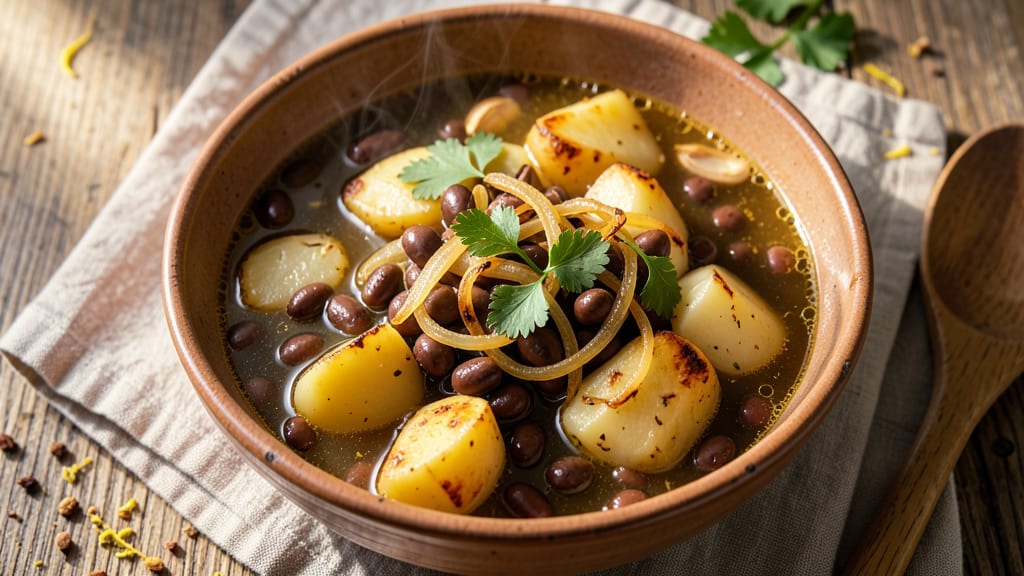
This bean soup with potatoes, onions, and garlic delivers hearty, rustic comfort in every spoonful—perfect for chilly evenings or meal prep. The secret lies in slow simmering dried beans with aromatic vegetables until they develop deep, caramelized flavors that transform simple ingredients into something extraordinary.
I've perfected this technique over years of testing, ensuring the potatoes stay tender while the beans achieve that ideal creamy texture without losing their structure.
The beauty of this recipe is its simplicity—just five core ingredients (plus pantry staples) create a soup that's rich, satisfying, and packed with plant-based protein.
We start with onions and garlic as the flavor foundation, then build layers of depth through a long, gentle simmer that lets the beans soften while developing complex, savory notes. The potatoes absorb all that flavor, becoming impossibly tender without turning to mush.
What you'll end up with is a velvety, aromatic soup with perfectly balanced textures—creamy beans, fluffy potatoes, and just enough bite from the onions and garlic. The aroma alone will have everyone gathering around the table, and each bite delivers that comforting, home-cooked warmth that's hard to resist.
This is the kind of soup that tastes even better the next day as the flavors meld further.
Serve it as-is for a clean, rustic presentation, or garnish with fresh parsley, a drizzle of olive oil, or a sprinkle of smoked paprika for extra depth.
The leftovers keep beautifully in the refrigerator for up to five days, making this an ideal make-ahead meal for busy weeks. Ready to create this soul-warming classic?
Ingredients for bean soup with potatoes and onion and garlic
Five core ingredients plus pantry staples transform into a velvety bean soup with rustic depth.
| Ingredient | Amount | Notes |
|---|---|---|
| Dried Navy Beans 🥣 | 2 cups | Unsoaked, drained and rinsed |
| Russet Potatoes 🥔 | 2 lb | Peeled, cut into 1-inch cubes |
| Yellow Onions 🧅 | 2 whole | Peeled, sliced into half-moons |
| Garlic Cloves 🧄 | 6 cloves | Peeled, smashed for deeper flavor |
| Vegetable Broth 💧 | 6 cups | Low-sodium preferred |
| Extra-Virgin Olive Oil 🫒 | ¼ cup | For sautéing onions and garlic |
| Smoked Paprika 🌶️ | 1 tsp | For depth of flavor |
| Ground Cumin 🌿 | ½ tsp | Toasted for warmth |
| Sea Salt 🧂 | 1 ½ tsp | Adjust to taste |
| Fresh Parsley 🌿 | ¼ cup | Chopped, for garnish |
| Lemon Juice 🍋 | 1 tbsp | Brightens the flavors |
The beans are the heart of this soup—navy beans hold their shape beautifully while developing that signature creamy texture. Trader Joe's or bulk bins are great for finding dried beans that haven't lost their vitality. Look for beans that are firm, uniform in size, and free from any off smells. The potatoes should be firm and starchy—Russets work best here. If you can't find navy beans, cannellini or great northern are excellent substitutes. For the onions, yellow or red both work, but yellow has that classic sweetness that caramelizes beautifully during the long simmer. The garlic should be fresh—no pre-minced jars here, that's where the flavor lives.
No smoked paprika? Regular paprika plus a pinch of cayenne gets you close. Running low on vegetable broth? Mushroom broth or even water with bouillon cubes works in a pinch. The olive oil matters here—use something with good fruity notes, not that cheap, flavorless stuff. Fresh parsley is ideal for garnish, but dried parsley at one-third the amount will do if you're in a bind. The lemon juice is non-negotiable—it cuts through the richness and brightens everything up. Want to make this even heartier? Add 1 cup of diced carrots or celery with the onions—they'll soften perfectly during the simmer.
This soup tastes even better the next day as the flavors meld further—make extra. Keeps beautifully in the fridge for 5-6 days, so it's perfect for meal prep. For longer storage, freeze portions in airtight containers for up to 3 months. Reheat gently on the stove with a splash of water or broth to restore that creamy texture. The potatoes will absorb all the flavor, so if you're reheating, add a little extra broth to keep it from getting too thick.
Why You'll Love This Recipe
- No-Soaking Needed: I’ll be real—soaking beans used to stress me out. These navy beans? Just toss them in cold water overnight, and they’re ready to go. No fancy prep, no waiting around—just dump, simmer, and let the magic happen.
- Garlic-Potato Crunch: That crispy edge on the potatoes? Chef’s kiss. Sautéing the onions and garlic until golden before adding broth builds layers of flavor you won’t find in instant soup. The potatoes soak up the savory broth while keeping just enough bite—like a hug in a bowl.
- Leftover Goldmine: This soup tastes better the next day. Honestly. The flavors meld into this rich, hearty stew that’s perfect for lunches or cold-weather dinners. I make a double batch on Sundays and freeze half—no takeout needed when I’m too tired to cook.
- Pantry Staple Power: Five ingredients, zero specialty items. If you’ve got dried beans, potatoes, and broth, you’ve got this. My college budget couldn’t handle much, but this soup kept me full for weeks. Now it’s my go-to when I’m broke or just too wiped to shop.
Step-by-step instructions for bean soup with potatoes, onions, and garlic
This rustic bean soup delivers hearty texture and smoky depth through careful layering of flavors.
Sauté the Aromatics for Foundation
Heat the 0.25 cup extra-virgin olive oil in a large Dutch oven over medium heat. Add the 2 whole yellow onions, sliced into half-moons, and cook for 5-6 minutes until softened and translucent. You'll see them release moisture and begin to caramelize slightly at the edges.
Add the 6 cloves garlic, smashed to release their oils, and cook for another 30 seconds until fragrant. Watch carefully—the garlic burns quickly. Remove from heat and stir in 1 tsp smoked paprika and 0.5 tsp ground cumin, letting the spices toast briefly in the pan's residual heat. This step builds the soup's aromatic base that carries through every spoonful.
Add Potatoes and Toast the Spices
Return the pot to medium heat and add the 2 lb russet potatoes, cut into 1-inch cubes. Cook for 3-4 minutes, stirring occasionally, until the potatoes begin to develop a light golden crust in spots. This initial toasting prevents them from turning mushy during the long simmer.
Pour in the 6 cups vegetable broth and bring to a gentle boil. Reduce heat to low and let it simmer uncovered for 15 minutes, stirring occasionally. This pre-cooking step ensures the potatoes soften evenly before the beans join the pot, creating a harmonious texture throughout the soup.
Incorporate the Beans and Season
Add the 2 cups dried navy beans (already drained and rinsed) to the simmering broth. Stir gently to distribute the beans evenly. The liquid should just cover the beans—if it looks too shallow, add ½ cup water to maintain proper cooking levels.
Return the heat to medium-low and let the soup simmer uncovered for 45-50 minutes, stirring occasionally. You'll notice the beans begin to soften and the soup thicken slightly as starches release. After 30 minutes, add the 1.5 tsp sea salt and adjust the seasoning to taste. The beans should be tender but still hold their shape—this is the perfect texture for rustic bean soup.
Finish with Brightness and Garnish
Once the beans are tender, stir in the 1 tbsp lemon juice and 0.25 cup chopped fresh parsley. The acidity brightens the earthy flavors while the parsley adds a fresh finish. Taste again and adjust seasoning if needed—this is the moment to balance all the flavors.
Let the soup rest off heat for 5 minutes before serving. This resting period allows flavors to meld completely. Ladle into bowls and serve immediately, garnished with additional parsley if desired. The result is a comforting, deeply flavorful bean soup where each ingredient contributes to the rustic harmony.
Pro Tips For Making Bean Soup With Potatoes And Onion And Garlic
- SIMMER BEANS LOW AND SLOW: I learned this the hard way—navy beans need patience. After rushing them on high heat and ending up with mushy, mealy beans, I now keep the temperature at a gentle simmer (just bubbles breaking the surface, not a rolling boil). This keeps them intact and flavorful, especially when paired with potatoes that’ll need their own time to soften.
- PEEL POTATOES AFTER SOAKING: Sounds weird, but it works: peel your russets after soaking them in cold water for 10 minutes. The skins slide off easier, and you avoid the gritty texture that comes from scrubbing dry potatoes. Plus, you’ll save time—no need to scrub stubborn dirt off every single one.
- SAUTÉ ONIONS UNTIL GOLDEN: Skip the quick sear and let those yellow onions caramelize until deep golden brown—about 10 minutes on medium heat. The extra effort adds a rich, sweet depth that cuts through the earthiness of the beans and potatoes. (Yes, even if you’re impatient like me.)
- CRUSH GARLIC WITH SALT: Instead of mincing garlic, crush the cloves with a pinch of salt first—this releases more flavor and prevents burning. Add it to the pot with the onions in the last 5 minutes of cooking, so it infuses without turning bitter. (Your future self will notice the difference.)
Troubleshooting perfect results
Mushy Potatoes Fix
If your potatoes turn out mushy, it’s usually from overcooking or cutting them too small. Start by cubing them 1 inch or larger—this gives them room to soften without breaking down.
Also, resist the urge to stir them constantly during the initial 15-minute pre-cook; let them develop a light crust first. For extra insurance, add ½ cup water when the beans go in to keep the liquid level high and prevent potatoes from absorbing too much liquid too quickly. 🥔
Beans Too Hard or Dry
Undercooked beans happen when the simmer isn’t steady or the pot lacks enough liquid. Always maintain a gentle simmer at medium-low heat—never a rolling boil. If the beans seem dry, add ½ cup warm broth and simmer 10-15 minutes longer.
Pro tip: Soak your beans overnight if time allows—it reduces cooking time and improves texture. For dried beans, 45-50 minutes is ideal, but adjust based on your stove’s heat.
Flat or Bland Flavor
Flavor fades when spices aren’t toasted properly or the soup isn’t simmered long enough. Always toast the smoked paprika and cumin in the pot’s residual heat for 30 seconds after removing from direct heat—this deepens their aroma.
For extra depth, add a bay leaf during the simmer and remove it before serving. If the soup tastes flat, a splash of lemon juice or a pinch of sea salt can brighten it up immediately.
Soup Too Thick or Gluey
A gluey texture usually means the beans broke down too much or the starches released unevenly. To fix this, stir in ½ cup warm broth or water and simmer 5-10 minutes longer to restore balance.
For prevention, avoid overcrowding the pot—use a Dutch oven with at least 2 inches of space between the liquid and the rim. If the soup is still too thick, mash a few potatoes lightly with a fork to release starches gradually.
Onions Burned or Bitter
Burnt onions happen when heat is too high or they’re cooked too long. Keep the heat at medium and stir frequently during the initial 5-6 minutes of sautéing. For a sweeter, caramelized flavor, cook them until golden but not browned.
If they taste bitter, add a pinch of sugar or honey to balance the flavor—just ½ tsp does the trick. 🧅
Leftover Soup Too Watery
Reheating soups often makes them watery because starches break down further. To fix this, simmer the soup uncovered on medium-low heat for 10-15 minutes to reduce the liquid. For a quicker fix, blend ½ cup of the soup and stir it back in—this thickens it immediately.
If you’re short on time, a cornstarch slurry (1 tbsp cornstarch + 1 tbsp water) works wonders, but use it sparingly to avoid a gummy texture.
Nutrition facts
Frequently asked questions
Can I use canned beans instead of dried?
Yes, but adjust the cooking time and liquid. Use 2 (15 oz) cans of navy beans (drained and rinsed) and reduce the simmering time to 20-25 minutes after adding them. Canned beans are pre-cooked, so they don't need the long simmer. Just add them when the potatoes are tender and heat through.
How can I make this soup spicier?
Add ½ teaspoon cayenne pepper or 1-2 diced jalapeños when sautéing the onions. For smoky heat, increase the smoked paprika to 1.5 teaspoons. Always taste as you go—you can adjust the heat level after the soup is finished if needed.
Why is my soup too thick after cooking?
This usually happens when beans break down too much or the liquid reduces too quickly. Stir in ½ cup warm broth or water and simmer 5-10 minutes longer. For prevention, use a Dutch oven and maintain 2 inches of space between the liquid and rim during cooking.
Can I make this soup in an Instant Pot?
Sauté the onions and garlic as directed, then add potatoes and broth. Cook on high pressure for 8 minutes after adding beans. Quick-release the pressure, stir in lemon juice and parsley, then let sit 5 minutes before serving. The beans will be perfectly tender without overcooking.
What's the best way to store leftovers?
Store in an airtight container in the refrigerator for up to 5 days. For longer storage, freeze portions in airtight containers for 3 months. When reheating, add 2-3 tablespoons of water or broth to restore creaminess and simmer gently.