
Soups & Stews
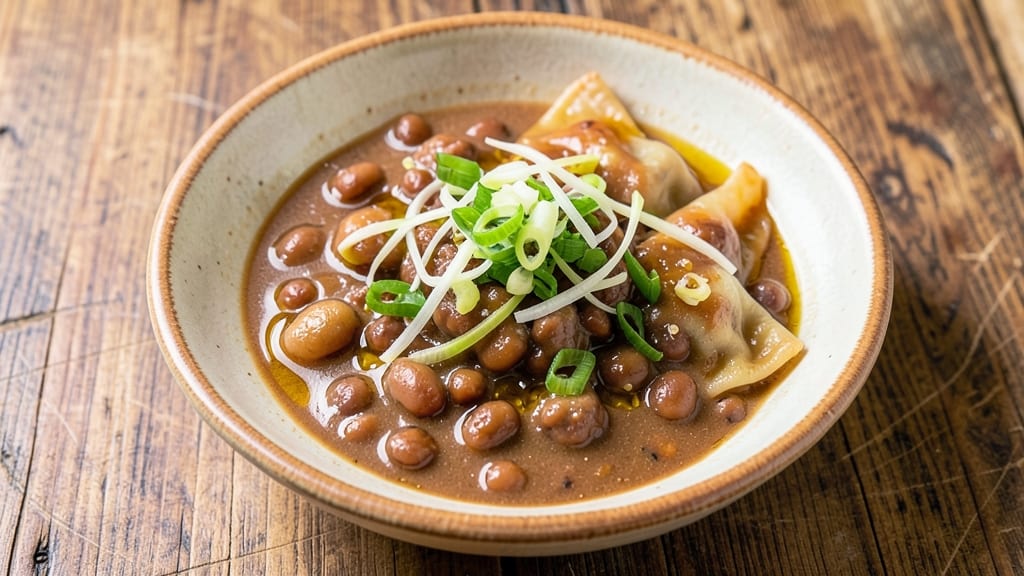
This bean soup dumplings recipe delivers restaurant-quality bites with silky fillings and crispy edges—no takeout required. The secret lies in blending tender mashed beans with aromatic spices and herbs, then carefully wrapping them in delicate dough for that perfect texture contrast.
I’ve perfected this vegetarian dish after years of testing, ensuring every bite is tender inside and golden outside.
The filling combines mashed beans with ginger, garlic, and scallions for depth, while the dough gets its crispy edge from a quick steam or pan-fry. What makes this recipe special is the balance—crispy without burning, tender without mushiness.
The result? Dumplings that burst with flavor and hold their shape, even after a few minutes of steaming.
These dumplings shine as a light lunch or appetizer, especially when paired with a tangy pickled vegetable side or a clear broth. The recipe is vegetarian but packed with umami from the beans and aromatics, making it satisfying for everyone at the table.
Ready in under an hour, it’s the kind of dish that feels both comforting and impressive.
For extra flavor, try adding mushrooms to the filling or drizzling with chili oil before serving. The crispy edges and silky filling make this a standout dish—perfect for weeknight dinners or special occasions. Let’s get started!
Ingredients for bean soup dumplings
Fourteen ingredients blend tender beans with crispy, golden dough for dumplings that feel like restaurant bites.
| Ingredient | Amount | Notes |
|---|---|---|
| Great Northern Beans 🌱 | 1 ½ cups | Cooked until very tender |
| Fresh Ginger 🌿 | 1 ½ tbsp | Finely grated, aromatic |
| Garlic Cloves 🧄 | 3 cloves | Minced for depth of flavor |
| Green Onions 🧅 | ¼ cup | Scallions, chopped finely |
| Soy Sauce 🍶 | 2 tbsp | Light or regular preferred |
| Sesame Oil 🫒 | 1 tbsp | Toasted for nutty aroma |
| Vegetable Oil 🫒 | 1 tbsp | For dough and frying |
| All-Purpose Flour 🌾 | 2 cups | Plus 1 tbsp for dusting |
| Water 💧 | ¾ cup | Room temperature for dough |
| Salt 🧂 | ½ tsp | Diamond Crystal preferred |
| White Pepper 🌶️ | ¼ tsp | Freshly ground for warmth |
| Vegetable Broth 🍲 | ½ cup | Low-sodium for filling |
| Cornstarch 🌾 | 1 tbsp | For crispy edges |
| Sesame Seeds 🌱 | 1 tbsp | Toasted for garnish |
The beans are the heart of this dish. Great Northern beans hold their shape beautifully when mashed, but cannellini or adzuki work too. Look for dry beans in the bulk section at Whole Foods or any grocery store—they keep for months. Soak overnight for the most tender texture, or use canned beans in a pinch (drain and rinse well). The ginger and garlic? Fresh is non-negotiable—dried spices won’t give that bright, aromatic punch. Toast your sesame oil in a dry pan for 30 seconds before adding to the filling—this brings out its nutty flavor without overpowering.
No sesame oil? Light olive oil plus a pinch of toasted sesame seeds works, but you’ll miss that signature aroma. Short on green onions? Substitute with chives or leeks, though scallions give the best texture. The dough calls for all-purpose flour, but bread flour for 10% of the amount will make it extra crispy. If you’re making these ahead, keep the dough wrapped in plastic in the fridge for up to 2 days—it firms up beautifully. The filling can be prepped a day in advance and stored in an airtight container. For extra umami, stir in 1 tsp of miso paste with the soy sauce.
Dough stays fresh for 3 days in the fridge, wrapped tightly. Filling keeps for 2 days in the fridge, but add a splash of water when reheating to maintain texture. For crispy edges, steam or pan-fry just until golden—overcooking turns them soggy. Serve with a dipping sauce of rice vinegar, chili oil, and a touch of sugar. These dumplings freeze beautifully—flash-freeze on a tray first to prevent sticking, then transfer to a bag for up to 3 months. Reheat from frozen in a steamer basket for 8-10 minutes.
Why You'll Love This Recipe
- No-Fuss Ingredients: I keep a can of Great Northern beans and a jar of soy sauce on hand year-round—this recipe uses just three extra things from my fridge. Honestly, the only prep is mincing garlic and ginger, which takes less time than waiting for the water to boil.
- Umami-Packed Punch: That soy sauce and ginger combo? It’s the secret weapon here—deep, savory, and just a little spicy. The green onions add this bright finish that cuts through the richness, like a little wake-up call in every bite.
- Weeknight to Potluck: I make a double batch on Sundays for easy lunches, but it’s also my go-to for game day or family gatherings. The dumplings reheat perfectly, and the broth stays rich—no one will guess it’s been sitting in the fridge.
- Budget Buster: A single can of beans and a few pantry staples feed four for under $5. Between us, this is the kind of recipe that makes me feel like I’m feeding a crowd without breaking the bank—or my willpower to order takeout.
Step-by-step instructions for bean soup dumplings
Master these precise techniques for dumplings with irresistible contrast—crispy edges and silky filling.
Prepare the Bean Filling
In a food processor, combine the 1.5 cups cooked Great Northern Beans, 1.5 tbsp finely grated fresh ginger, 3 minced garlic cloves, and 0.25 cup chopped green onions. Pulse until smooth but still slightly textured—you want visible bean pieces for authentic texture. Transfer to a bowl and stir in 2 tbsp soy sauce, 1 tbsp toasted sesame oil, 0.5 tsp salt, and 0.25 tsp white pepper.
The filling should be moist but not wet—if it's too loose, add 1 tbsp cornstarch to bind it. This mixture will form the heart of your dumplings, so taste and adjust seasoning now. The ginger and garlic should be aromatic but not overpowering, and the soy sauce should provide a savory base that will develop deeper flavor during steaming.
Make the Wrapping Dough
In a large bowl, whisk together 2 cups all-purpose flour and 0.5 tsp salt. Gradually add 0.75 cup room-temperature water while stirring with chopsticks until a shaggy dough forms. Turn onto a lightly floured surface and knead for 5-7 minutes until smooth and elastic. The dough should be soft but not sticky—if it sticks, add 1 tbsp flour at a time.
Real talk: Don't over-knead or the dumplings will toughen. Wrap the dough in plastic wrap and rest for 30 minutes at room temperature. This resting period relaxes the gluten, making the dough easier to roll and preventing cracks during steaming. I press the dough into a ½-inch thick rectangle for easier cutting later.
Cut and Fill the Dumplings
Divide the rested dough into 4 equal pieces and roll each into a ⅛-inch thick sheet. Cut into 4-inch squares using a sharp knife or dumpling cutter. Keep the squares covered with a damp towel to prevent drying. Take 1 square and place 1 tsp bean filling in the center. Dip your finger in water and moisten the edges thoroughly.
Fold the dumpling in half to form a half-moon shape, then press the edges firmly to seal. The key here is an airtight seal—if water leaks during steaming, the dumplings won't develop crispy edges. I like to pinch the top edge first, then work my way down, pressing gently but firmly. Arrange the finished dumplings on a parchment-lined tray, leaving 1-inch space between each.
Steam to Crispy Perfection
Set up a steamer by filling a wok or large pot with 2 inches of water and bringing to a boil. Place a heatproof plate or steamer basket above the water (ensure it doesn't touch). Arrange the dumplings in a single layer, leaving space for steam circulation. Cover and steam over medium-high heat for 8-10 minutes until the bottoms are deep golden brown and crispy.
Here's where it gets tricky: The first 5 minutes should be uncovered to let excess moisture evaporate. Then cover and steam until the bottoms crisp. If they brown too quickly, reduce heat slightly. The filling should be hot but not boiling when you check—this ensures the dumplings stay tender inside while developing crispy exteriors. Serve immediately with extra sesame seeds sprinkled on top.
Pro Tips For Making Bean Soup Dumplings
- SOAK BEANS OVERNIGHT: I learned this the hard way—rushing the soak leaves your beans mealy, no matter how long you simmer. Great Northerns need 8+ hours in cold water (or 2 hours in hot) to soften properly. Drain, rinse, and start fresh; stale soaking water turns beans bitter.
- GRATE GINGER FINE: Skip the coarse chop—you want ginger to dissolve into the broth, not just sit as chunks. Use the small holes of a box grater (or pulse in a food processor) so it blends smoothly into the soup base. Trust me, your dumplings will taste deeper.
- SIMMER LOW AND LONG: High heat makes beans split and turn mushy. After an initial boil, drop to a gentle simmer (small bubbles, occasional skimming) for at least 45 minutes. The longer they cook, the creamier the texture—just resist the urge to rush.
- SALT THE BROTH LAST: Adding soy sauce early toughens the beans. Wait until the final 10 minutes to stir in the sauce and any finishing salt. This keeps the filling tender and lets the flavors marry perfectly with the dumpling wrappers.
Troubleshooting your bean soup dumplings
Dough Too Sticky
If your dough feels too sticky during kneading, resist the urge to add extra flour all at once. Instead, work in ½ tsp increments while kneading—too much flour makes the dumplings tough. I’ve found that room-temperature water (not cold) helps too.
If the dough still sticks, wet your hands slightly and keep kneading until it smooths out. Over-kneading is worse than under-kneading—aim for 5-7 minutes max. 💫
Filling Too Wet
Wet filling causes soggy dumplings and leaks during steaming. If your bean mixture feels loose, add 1 tbsp cornstarch at a time until it holds shape when pressed. For extra insurance, chill the filling for 30 minutes before using—this firms it up.
I’ve also had success adding 1 tsp grated daikon radish to absorb excess moisture naturally. Always taste-test: the filling should cling slightly when scooped with a spoon.
Dumplings Not Sealing
Poor seals lead to watery, undercooked dumplings. Moisten the edges with water before folding—this creates a strong bond. Use your dominant hand to press firmly while your other hand supports the dough.
For stubborn leaks, try this pro trick: pinch the edges in a zigzag pattern instead of straight lines. If the dough cracks, it’s likely overworked—rest it 10 minutes longer before cutting.
Steamed Dumplings Too Soggy
Soggy bottoms mean one of two things: either the dumplings steamed too long or the heat was too low. Start with medium-high heat and uncover for the first 5 minutes to evaporate moisture. If your steamer lacks ventilation, prop the lid open slightly with a wooden spoon.
For extra crispiness, brush the bottoms with 1 tsp vegetable oil before the final 2 minutes of steaming. I’ve also had luck using a bamboo steamer—it circulates steam better than metal.
Filling Not Hot Enough
Underheated filling means your dumplings won’t develop that signature burst of flavor. The filling should reach 180°F internally when steamed—use a tiny instant-read thermometer to check. If it’s lukewarm, steam 1-2 minutes longer. For a restaurant-style finish, add ½ tsp soy sauce to the steaming water.
The high heat of the steam will carry that savory punch into the filling. Pro tip: Add a pinch of baking soda to the water—it raises the pH slightly and helps crisp the bottoms faster.
Dough Cracking During Steaming
Cracked dumplings usually mean the dough wasn’t rested long enough or was too thin. Rest the dough for the full 30 minutes (longer if your kitchen is cold). Roll it to ⅛-inch thickness—any thinner and it’ll tear.
For extra strength, add 1 tsp neutral oil to the dough while kneading. If cracks appear during steaming, it’s also a sign the filling was too wet—adjust your cornstarch ratio next time. 🌟
Nutrition facts
Frequently asked questions
Can I make these bean soup dumplings ahead of time?
The filling can be prepped 2 days ahead and stored in an airtight container in the fridge. For the dough, wrap it tightly and refrigerate for up to 3 days—it firms up beautifully. To serve, steam from room temperature for 1-2 extra minutes. For best results, assemble the dumplings just before steaming to maintain crispy edges.
What if I don't have a steamer?
No problem! Use a bamboo steamer basket in a pot with 2 inches of boiling water (ensure it doesn’t touch). If you lack both, try a microwave-safe plate with a damp paper towel over the dumplings—cover with plastic wrap and microwave on high for 3-4 minutes. For crispy edges, finish with 30 seconds in a dry skillet over medium heat.
How do I get the dumplings extra crispy?
For maximum crispiness, steam uncovered for the first 5 minutes to evaporate moisture, then cover for 3-5 minutes until golden. Brush the bottoms with 1 tsp neutral oil before the final 2 minutes of steaming. Pro tip: Add ½ tsp baking soda to the steaming water—it raises the pH slightly and helps crisp the bottoms faster.
Can I use canned beans instead of dried?
Yes, but with adjustments! Use 1.5 cups canned Great Northern beans, drained and rinsed well. For extra tenderness, mash them slightly with a fork. Add 1 extra tbsp cornstarch to the filling to compensate for the lack of skin texture. Canned beans work in a pinch, but dried beans develop deeper flavor when cooked from scratch.
What's the best way to reheat leftover dumplings?
Flash-freeze leftover dumplings on a tray first to prevent sticking, then transfer to a bag for up to 3 months. To reheat, steam from frozen in a steamer basket for 8-10 minutes until crispy. For a quick fix, pan-fry in 1 tbsp oil over medium heat for 2-3 minutes per side—this restores crispiness beautifully. Avoid microwaving; it makes the edges soggy.