
Beverages
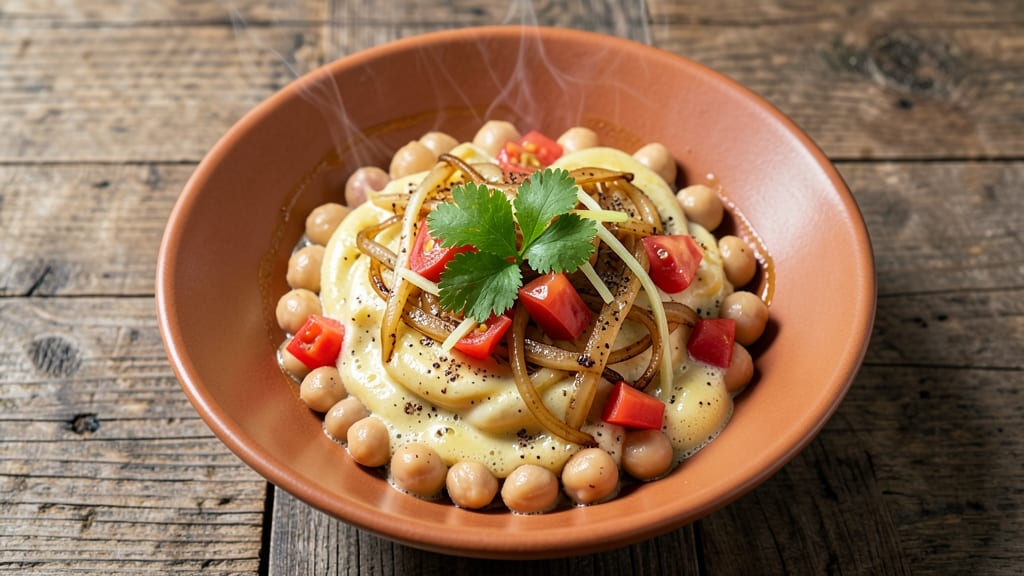
This bean curry recipe with coconut milk transforms simple ingredients into a restaurant-quality dish that’s creamy, aromatic, and packed with plant-based protein. The secret lies in slow-simmered spices and rich coconut milk, creating velvety texture without dairy.
I’ve perfected this one-pot method over years of testing—no complicated techniques, just deep flavor in every spoonful.
What makes this curry special is the balance: earthy chickpeas, fragrant spices, and coconut milk that’s neither too sweet nor too bland. We’ll temper whole spices in hot oil for maximum aroma, then let everything simmer until the beans are tender and the sauce clings beautifully.
The result? A dish that’s hearty enough for a main course but quick enough for weeknight dinners.
By the end, you’ll have a creamy, fragrant curry with just the right amount of spice—smooth enough to please kids but bold enough to satisfy adults. Serve it over steamed rice or with warm naan to soak up every last drop of that luscious coconut sauce.
This recipe delivers comfort food quality without the fuss.
The beauty of this method is its flexibility: swap chickpeas for lentils, adjust spice levels to taste, or add fresh herbs at the end. It’s the kind of dish that improves with leftovers, making it perfect for meal prep. Let’s get cooking—your taste buds will thank you.
Ingredients for bean curry recipe coconut milk
Pantry staples and fresh aromatics create this velvety coconut bean curry in one pot.
| Ingredient | Amount | Notes |
|---|---|---|
| Chickpeas 🌱 | 1 ½ cups | Drained and rinsed from can |
| Full-Fat Coconut Milk 🥥 | 13 ½ oz | High quality, no additives |
| Yellow Onion 🧅 | 1 whole | Diced medium-sized |
| Garlic Cloves 🧄 | 4 cloves | Minced for aroma |
| Fresh Ginger 🌿 | 1 tbsp | Grated finely |
| Canned Diced Tomatoes 🍅 | 14 ½ oz | San Marzano preferred |
| Ground Cumin 🌿 | 1 tbsp | Toasted for depth |
| Ground Coriander 🌶️ | 1 tbsp | Freshly ground preferred |
| Turmeric Powder 🌶️ | ½ tbsp | Bright orange color |
| Garam Masala 🌶️ | 1 tsp | Store-bought blend works |
| Vegetable Oil 🫒 | 2 tbsp | High smoke point |
| Sea Salt 🧂 | 1 tsp | Kosher preferred |
| Fresh Cilantro 🌿 | ¼ cup | Chopped for garnish |
| Lemon Juice 🍋 | 1 tbsp | Freshly squeezed |
The coconut milk is non-negotiable for that creamy texture. Thai Kitchen or Goya brands are my go-tos—they're rich without being overly sweet. For the chickpeas, low-sodium canned is best, but rinse them well even if they're labeled 'no salt added'. Fresh ginger and garlic are worth the extra minute to grate and mince. Whole spices toasted in oil release more aroma than powdered versions, so don't skip that step. The San Marzano tomatoes add natural sweetness that balances the spices perfectly.
No fresh ginger? Powdered ginger at half the amount works in a pinch, but it lacks that bright kick. Substitute coconut milk with cashew cream for a nutty twist, though it'll be slightly thinner. Running low on garam masala? Mix cinnamon, cardamom, and cloves for a DIY version. The cilantro is optional but adds freshness—skip it if you're sensitive to its flavor. For extra richness, stir in 1 tbsp nutritional yeast at the end, especially if serving to kids who might miss the cilantro.
This curry tastes even better the next day as flavors meld. Store in an airtight container in the fridge for up to 5 days, or freeze portions for 3 months. I double the recipe and freeze half—perfect for lazy weeknights. The sauce thickens as it cools, so add a splash of water or coconut milk when reheating. Serve over steamed basmati rice or with warm naan to soak up every bit of that creamy goodness.
Why You'll Love This Recipe
- No-Fuss Pantry Magic: I swear, you can make this with what’s already in your cupboard. Onions, garlic, ginger—chopped in five minutes—and the chickpeas? They’re the star doing all the work while you stir.
- Creamy Heat Balance: That full-fat coconut milk turns the simplest spices into something rich and velvety, while the ginger and garlic add a slow-building warmth. Honestly, it’s the kind of flavor that lingers just enough to make you reach for seconds.
- Lunches for Days: Between us, this curry tastes better the next day. I make a big batch on Sundays, and by Wednesday, it’s my go-to for quick, satisfying lunches—no reheating drama, just pure comfort.
- Budget-Friendly Luxury: Chickpeas and coconut milk stretch this recipe into three meals for the price of takeout. Plus, the leftovers freeze like a dream, so you’re basically getting four dinners for the cost of one.
Step-by-step instructions for creamy coconut milk bean curry
This one-pot method delivers velvety richness and balanced flavors without shortcuts.
Sauté Aromatics Until Fragrant
Heat the 2 tablespoons vegetable oil in a heavy-bottomed pot over medium heat. Add the 1 whole yellow onion and cook for 5-6 minutes until softened and translucent. You'll see the edges start to turn golden—that's your signal to add the 4 cloves garlic cloves and 1 tablespoon fresh ginger. Cook for another 1-2 minutes until the garlic becomes lightly golden and aromatic. This step builds the flavor foundation.
Watch the heat carefully—if the garlic darkens too quickly, reduce to medium-low. The goal is to develop flavor without burning. I like to stir constantly during this phase to prevent any browning. When you can smell that warm, spicy aroma, you're ready for the spices.
Toast Spices and Add Tomatoes
Add the 1 tablespoon ground cumin, 1 tablespoon ground coriander, and 0.5 tablespoon turmeric powder to the pot. Stir continuously for 30 seconds until the spices bloom and release their oils—you'll see them darken slightly and smell earthier. Immediately add the 14.5 ounces canned diced tomatoes and stir to combine. Let the mixture simmer for 3-4 minutes until the tomatoes begin to break down and the sauce thickens.
This toasting step is crucial for deepening the spice flavors. If you skip it, your curry will taste flat. The tomatoes should reduce enough to coat the back of a spoon by the end of this phase. Taste the mixture now—it should be tangy with a hint of spice. If it needs more salt, add the 1 teaspoon sea salt now.
Simmer Chickpeas in Coconut Milk
Add the 1.5 cups chickpeas and 13.5 ounces full-fat coconut milk to the pot. Stir well to combine, then bring the mixture to a gentle simmer. Reduce heat to low and let it cook uncovered for 15-20 minutes, stirring occasionally. The curry should thicken gradually, with the chickpeas softening but not breaking apart. You're aiming for a creamy texture where the sauce clings to the beans.
Here's where patience pays off—don't rush this step. The coconut milk should reduce slightly, creating a velvety consistency. If the curry starts to stick, add 2-3 tablespoons water to maintain the right texture. Stir in the 1 teaspoon garam masala after 10 minutes of simmering to infuse its warm, complex flavors.
Finish and Adjust Seasoning
Once the chickpeas are tender (they should collapse slightly when pressed with a fork), stir in the 1 tablespoon lemon juice. This brightens the dish and cuts through the richness of the coconut milk. Taste the curry now—it should be creamy, flavorful, and well-balanced. Adjust seasoning if needed: add more salt if it's bland, or a pinch of sugar if the tomatoes are too acidic.
For the final touch, remove the pot from heat and let it sit for 5 minutes. This resting period allows the flavors to meld. Stir in the 0.25 cup fresh cilantro just before serving to keep it vibrant. The curry should have a luxurious, velvety texture with visible chickpeas in a rich, golden sauce.
Pro Tips For Making Bean Curry Recipe Coconut Milk
- Sweat the Onion Low and Slow: I learned this the hard way—blasting onions on high heat turns them bitter and burns before they soften. Instead, keep the heat at medium and let them cook for 8-10 minutes until they’re translucent and just starting to caramelize. This builds flavor without bitterness, and your curry will taste richer from the start.
- Toast the Spices Before Adding Coconut Milk: Skipping this step is a missed opportunity. After cooking your onions and before pouring in the coconut milk, toast your spices (cumin, coriander, turmeric, etc.) in the same pot for 30 seconds until fragrant. This deepens their flavor and prevents them from sitting at the bottom like dull, uncooked specks.
- Use Two Cans of Coconut Milk: Yes, even if the recipe calls for one. The first can thins out as it simmers, and you’ll end up with a curry that’s more like a thin soup than a luscious, creamy dish. Splurge on full-fat—it makes a real difference in texture and richness, and you won’t regret the extra cost.
- Simmer Chickpeas Separately: I used to add chickpeas straight from the can to the curry, and they’d turn mushy or float like rubbery islands. Instead, drain and rinse them, then simmer in a little water or broth for 5-10 minutes until just tender. This keeps them intact and lets them absorb the flavors without falling apart.
Troubleshooting this dish
Curry Too Thin?
If your curry ends up too thin, simmer it uncovered for an extra 5-10 minutes—the coconut milk will naturally reduce. For faster results, stir in 1 tablespoon cornstarch mixed with 2 tablespoons water, then simmer for 2-3 minutes until thickened.
I’ve also had success adding ½ cup mashed chickpeas from the can to bulk up the texture without altering flavor. 🥄
Sauce Too Sweet?
Excessive sweetness often comes from overly ripe tomatoes or sweet coconut milk. Balance it by adding 1-2 teaspoons lemon juice or ½ teaspoon tamarind paste to cut the sweetness. A pinch of black salt (kala namak) also adds a subtle tang that works beautifully.
If using store-bought coconut milk, opt for brands like Thai Kitchen—they’re less sweet than some others.
Spices Too Strong?
If the spices overpower the dish, add ½ cup plain yogurt or 1 tablespoon coconut cream to mellow the heat. For a fresh approach, stir in 2 tablespoons chopped mint or ½ cup diced cucumber at the end.
If you prefer to keep it traditional, simply add 1 tablespoon more coconut milk to dilute the intensity while maintaining creaminess.
Beans Not Tender?
Undercooked chickpeas? Simmer uncovered for another 10-15 minutes on low heat. If they’re still firm, mash 2-3 beans directly into the curry—their starch will help tenderize the rest.
For faster results, add ¼ cup hot water to the pot and cover for 5 minutes off the heat. This steam method works wonders without thinning the sauce.
Burnt Aromatics?
If your onions or garlic turn dark or bitter, don’t panic! Remove the burnt bits with a spoon, then add ½ cup fresh coconut milk to the pot. Simmer for 5 minutes to restore balance.
For extra flavor, stir in 1 teaspoon fish sauce (optional for vegan, use soy sauce instead) or a splash of lime juice to brighten the dish. The curry will still taste delicious—just more nuanced.
Leftover Curry Too Thick?
Reheat with 2-3 tablespoons water or coconut milk to loosen the sauce. For a restaurant-style finish, add 1 tablespoon heavy cream (or coconut cream for vegan) and simmer for 2 minutes.
If the texture is still too stiff, whisk in 1 tablespoon tomato paste to create a smoother consistency. Always taste as you go—adjust gradually to avoid over-diluting.
Nutrition facts
Frequently asked questions
Can I use black beans instead of chickpeas in this curry?
Black beans work beautifully and add a deeper, earthier flavor. Use the same 1.5 cups measurement, drained and rinsed. They’ll absorb the coconut milk slightly differently, so simmer for an extra 5 minutes to ensure tenderness. The texture will be slightly softer but equally creamy.
How do I make this curry spicier?
Add ½ teaspoon cayenne pepper or 1 teaspoon red chili flakes when toasting the spices. For heat with depth, stir in 1 tablespoon minced fresh chili (like jalapeño or serrano) at the end. If you prefer slow-building heat, simmer with 1 teaspoon whole black peppercorns removed later with a slotted spoon.
Can I prepare this curry ahead of time?
This curry tastes even better the next day! Store in an airtight container in the fridge for up to 5 days. The flavors meld beautifully, and the coconut milk thickens slightly—just stir in 1-2 tablespoons water when reheating. For freezing, portion into containers and freeze for up to 3 months. Thaw overnight in the fridge.
What’s the best way to serve this coconut bean curry?
Pair it with steamed basmati rice or jeera rice (cumin rice) to soak up the creamy sauce. Warm naan or roti adds a perfect textural contrast. For extra freshness, serve with a side of raita (yogurt with cucumber and mint) or a simple green salad to balance the richness.
Why did my curry turn out too sweet?
This often happens with overly ripe tomatoes or sweet coconut milk brands. Balance it by adding 1-2 teaspoons lemon juice or ½ teaspoon tamarind paste to cut the sweetness. A pinch of black salt (kala namak) also adds a subtle tang. For future batches, choose Thai Kitchen coconut milk—it’s less sweet than many store brands.