
Main Courses
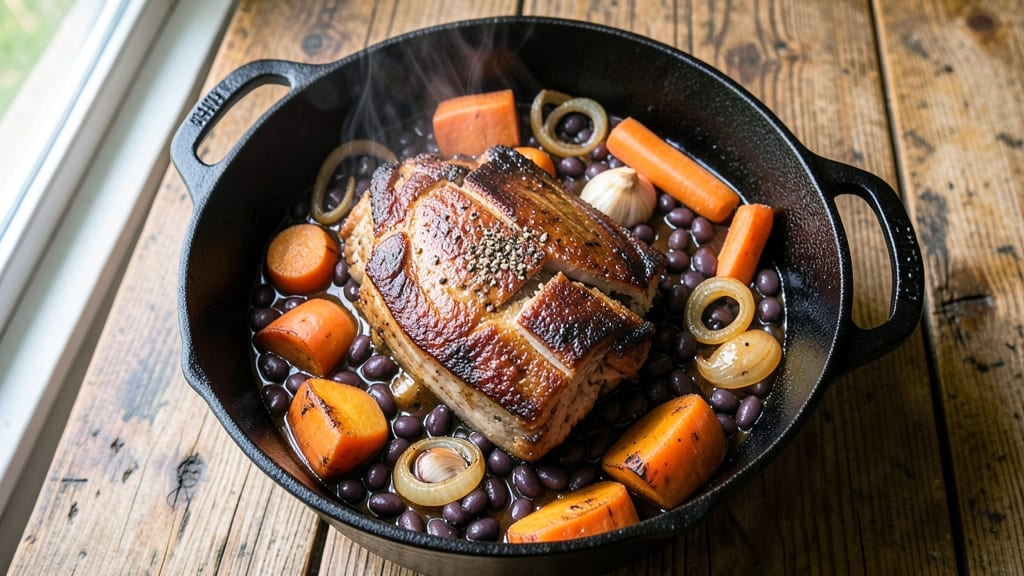
This Boston bean pot recipe brings the heart of New England to your dinner table with its rich, smoky flavors and tender layers of beans, pork, and vegetables. The traditional method of slow-baking creates a dish that's both comforting and deeply satisfying—perfect for chilly evenings or family gatherings.
I've perfected this recipe over years of testing, ensuring every bite delivers that signature Boston flavor.
The magic lies in the layering: pork shoulder simmers until tender, then combines with navy beans, sweet potatoes, and carrots in a deep cast-iron pot. A touch of molasses and brown sugar balances the savory pork, while a splash of vinegar adds brightness.
The result is a dish that's hearty enough to stand alone or pair beautifully with cornbread and crusty bread for soaking up every last drop of that flavorful broth.
What makes this recipe special is its authenticity—just like the versions passed down through generations in New England kitchens. The pork becomes fork-tender, the beans creamy, and the vegetables perfectly sweet.
It's a dish that tastes like home, with layers of flavor that develop as it bakes slowly in the oven. The aroma alone will have everyone gathering around the table, eager for a taste.
Serve this classic Boston bean pot with a side of buttery cornbread and a simple green salad to complete the meal. The contrast of textures and flavors makes it a standout dish that's sure to become a family favorite.
Let's get started on creating this New England tradition in your own kitchen.
Ingredients for boston bean pot
Rich New England flavors start with these hearty, traditional ingredients baked together in one pot.
| Ingredient | Amount | Notes |
|---|---|---|
| Pork Shoulder 🐖 | 2 ½ lb | Bone-in preferred for flavor |
| Navy Beans 🌱 | 2 cups | Dried, soaked overnight |
| Sweet Potatoes 🍠 | 2 medium | Peeled and cubed uniformly |
| Carrots 🥕 | 3 medium | Peeled and sliced into rounds |
| Onions 🧅 | 1 medium | Yellow or red, sliced |
| Garlic Cloves 🧄 | 4 cloves | Minced for even distribution |
| Molasses 🍯 | ¼ cup | Unsulphured for rich flavor |
| Brown Sugar 🍚 | ½ cup | Light or dark preferred |
| Apple Cider Vinegar 🍎 | ¼ cup | For tangy brightness |
| Beef Broth 💧 | 2 cups | Low-sodium preferred |
| Bay Leaves 🌿 | 2 whole | Fresh for best aroma |
| Ground Black Pepper 🌶️ | 1 tsp | Freshly ground preferred |
| Salt 🧂 | 1 ½ tbsp | Kosher or sea salt |
| Smoked Paprika 🌶️ | 1 tsp | For signature smoky flavor |
The pork shoulder is non-negotiable here—look for good marbling at Whole Foods or your local butcher. Costco often has excellent prices for larger cuts. Bone-in adds flavor, but if you prefer convenience, bone-out works too. For the beans, navy beans are traditional, but you can swap in kidney beans or pinto if needed. Soak them overnight for perfect texture. Sweet potatoes should be firm and vibrant—Yukon Golds work beautifully, but regular sweet potatoes are fine too. The key is uniform cubing so they cook evenly.
No molasses? Maple syrup at half the amount works in a pinch, though it lacks the deep, smoky notes. Short on brown sugar? White sugar plus a pinch of cinnamon mimics the caramelization. The beef broth can be swapped for vegetable broth if preferred, but the pork will still be the star. Fresh bay leaves are ideal, but dried at one-third the amount gets the job done. For extra smokiness, add a dash of liquid smoke—just a teaspoon goes a long way. The vinegar is essential for cutting through the richness; apple cider is traditional, but white vinegar works too.
This dish tastes even better the next day as flavors meld. Store leftovers in an airtight container for up to 5 days in the fridge. For longer storage, portion into freezer-safe containers and freeze for up to 3 months. The pork gets fork-tender with baking, so plan ahead if you're serving a crowd. I always double the recipe—extra portions reheat beautifully for lunches. The broth reduces as it bakes, so keep an eye on it if you prefer a saucier finish.
Why You'll Love This Recipe
- One-Pot Magic: I swear by this recipe when I don’t want to dirty more than one pot. Toss everything—pork, beans, sweet potatoes—into a Dutch oven with onions and broth, and let it simmer. No chopping like a fine chef, just rough dice that’ll melt into flavor anyway.
- Sweet & Savory Crunch: That caramelized pork shoulder? Chef’s kiss. The sweet potatoes add natural sweetness while the navy beans soak up all the smoky, herby goodness. Honestly, the contrast of tender pork and creamy beans is my kind of comfort food.
- Meal Prep Hero: Between us, this is my go-to for busy weeks. The leftovers reheat like a dream—just add a splash of broth—and it’s even better the next day. Pack it for lunches or freeze portions for those nights when takeout feels like too much work.
- Budget-Friendly Feast: Pork shoulder stretches across meals, beans bulk it up, and sweet potatoes make it feel special without breaking the bank. I’ll be real: this feeds six for under $20, and my family fights over seconds like it’s Thanksgiving. (Yes, even on a Tuesday night.)
Step-by-step instructions for New England-style baked beans
This traditional New England dish delivers rich, smoky flavor through careful layering and slow baking.
Prepare the Pork Shoulder and Vegetables
Preheat your oven to 325°F for even cooking. Cut the 2.5 lb pork shoulder into 1-inch chunks and place them in a large Dutch oven. The bone-in pieces add wonderful flavor as they render fat during baking.
In a separate bowl, combine the 2 cups soaked navy beans, 2 medium peeled and cubed sweet potatoes, 3 medium peeled and sliced carrots, and 1 medium sliced onion. This combination creates the hearty vegetable base that defines Boston bean pot. Toss everything together lightly to distribute the vegetables evenly.
Build the Flavor Base
In a small bowl, whisk together the 0.25 cup unsulphured molasses, 0.5 cup brown sugar, 0.25 cup apple cider vinegar, 2 cups beef broth, 1.5 tbsp salt, 1 tsp smoked paprika, and 1 tsp freshly ground black pepper. This mixture forms the sweet-savory foundation that balances the rich pork and vegetables.
Pour the liquid mixture over the pork and vegetables in the Dutch oven. The pork should be mostly submerged, but don't worry if it's not completely covered—the beans will absorb the liquid as they cook. Add the 2 whole bay leaves and stir gently to combine. The bay leaves will infuse subtle aromatic notes throughout.
Layer and Bake for Deep Flavor
Cover the Dutch oven tightly with a lid or heavy-duty aluminum foil. Place it in the preheated 325°F oven and bake for 3 hours. This slow cooking time allows all the flavors to meld together while keeping the beans tender. After 2 hours, remove the lid and stir the contents gently to prevent sticking and ensure even cooking.
You'll know the beans are nearly done when you can easily pierce them with a fork and the pork becomes tender enough to pull apart with two forks. The liquid should have reduced significantly, creating a thick, glossy sauce that coats all the ingredients. The sweet potatoes should be fork-tender with a slight resistance, indicating they're cooked through but still hold their shape.
Finish with Garlic and Rest
Remove the bean pot from the oven and stir in the 4 cloves minced garlic. The garlic adds a fresh, aromatic finish that brightens all the rich flavors. Let the mixture rest uncovered for 15 minutes at room temperature. This resting period allows the flavors to fully develop and the juices to redistribute throughout the beans and pork.
The finished dish should have a deep, complex flavor profile where the sweetness of the molasses and brown sugar balances the smokiness of the pork and paprika. Each bite should deliver tender pork, creamy beans, and perfectly cooked vegetables all bathed in a rich, slightly sticky sauce. Serve warm with crusty bread to soak up every last bit of that delicious bean pot.
Pro Tips For Making Boston Bean Pot
- Sear the Pork Shoulder First: That pork shoulder needs a deep, caramelized crust before it goes into the pot. I used to skip this step, and the meat always ended up dry and bland—now I brown it in batches over medium-high heat until it’s golden in spots. A hot cast-iron skillet or heavy pot makes this easier, and don’t rush it: 5-7 minutes per side, even if it looks messy.
- Soak Beans Overnight (But Drain Well): Navy beans are forgiving, but they still benefit from a quick soak—just 4 hours minimum in hot water. The real trick is draining thoroughly before adding them to the pot; I use a colander and give them a good shake to remove excess starch. This keeps the stew from turning gluey later, and trust me, you’ll notice the difference.
- Cut Sweet Potatoes Small: Big chunks of sweet potato stay tough and undercooked. Cut them into 1-inch cubes—yes, even if it looks like a lot of work—and they’ll absorb the flavors and soften perfectly alongside the beans. Pro move: Toss them in a little olive oil before adding to the pot so they don’t clump.
- Check Liquid Levels Mid-Cook: This isn’t a soup, so the beans shouldn’t swim in broth. After the first hour, peek under the lid and add a splash of water or broth if the veggies are drying out—but don’t overdo it. The pork and beans release enough moisture on their own; you’re just topping up, not drowning the pot.
Pro cooking tips for perfect results
Pork Prep Matters
The pork shoulder is the star of this dish, so don’t rush the prep. Cut it into 1-inch chunks—larger pieces stay tough, while smaller ones cook too fast. I like to trim excess fat to reduce grease splatter in the oven, but leave some for flavor.
For extra tenderness, score the surface lightly with a knife before baking. This helps the seasonings penetrate deeper and speeds up the cooking process slightly. 🌡️
Bean Soaking Secrets
Never skip soaking your navy beans—it’s the key to creamy texture. I soak them overnight in cold water with a pinch of salt, then drain before using. For a quicker method, boil them for 2 minutes, then let them sit off the heat for 1 hour.
Over-soaking can make beans mushy, so stick to the 8-12 hour range. Pro tip: Add a splash of apple cider vinegar to the soaking water to help break down tough skins.
Sweet Potato Precision
Uniform cubing is non-negotiable for even cooking. Cut sweet potatoes into ½-inch cubes—any larger, and they’ll stay undercooked; any smaller, and they’ll turn to mush. I use a mandoline for perfect consistency, but a sharp chef’s knife works too.
Toss them in 1 tbsp olive oil before baking to prevent sticking. The sweetness will caramelize beautifully as they bake, adding depth to the dish.
Layering Like a Pro
Arrange ingredients strategically in your Dutch oven: Place the pork chunks at the bottom (they’ll render fat first), then layer vegetables and beans on top. This prevents the beans from sitting in excess liquid too long.
For extra richness, sprinkle 1 tbsp brown sugar directly over the pork before adding the liquid mixture. The heat will help it caramelize into a sticky glaze that clings to every bite.
Oven Temperature Control
Your oven’s accuracy is critical—aim for 325°F (not 350°F) to prevent the beans from drying out. I use an oven thermometer to confirm accuracy, as home ovens often run hot or cold. If your oven lacks even heat, rotate the Dutch oven halfway through baking.
The slow cook ensures the pork becomes fork-tender while keeping the beans creamy—not mushy. Patience here makes all the difference. ⏱️
Final Garlic Touch
Adding garlic at the end is a game-changer. Freshly minced garlic (not pre-minced) releases its oils during the final 15-minute rest, infusing the dish with bright, aromatic notes.
For extra depth, I toast the garlic in a dry pan for 30 seconds before adding it—this removes moisture and intensifies the flavor. A sprinkle of smoked paprika over the top right before serving adds a beautiful finish and a hint of smokiness. 🌿
Nutrition facts
Frequently asked questions
Can I make this recipe without pork?
Traditional Boston bean pot relies on pork for its signature flavor, but you can adapt it! Swap the pork shoulder for 2 cups of smoked sausage (like kielbasa) or 2 cups of firm tofu for a vegetarian version. The key is maintaining the smoky element—add 1 extra teaspoon of smoked paprika to compensate. For a meatless option, increase the broth to 2.5 cups to prevent drying out.
How do I know when the beans are fully cooked?
Test doneness by piercing a bean with a fork—it should be soft but not mushy. The pork should pull apart easily with two forks, and the sweet potatoes should be fork-tender with slight resistance. If using dried beans, they'll typically need the full 3-hour bake time. Canned beans? Reduce baking time to 2 hours and add them during the last hour.
Why does my Boston bean pot taste too sweet?
This usually happens when the molasses or brown sugar overpowers the savory elements. Balance it by adding 1 extra tablespoon of apple cider vinegar and ½ teaspoon of smoked paprika to deepen the smoky notes. For future batches, reduce sweetener to ¼ cup molasses and ⅓ cup brown sugar. The pork and vegetables should shine through—adjust to taste!
Can I make this in a slow cooker instead?
Brown the pork in a skillet first, then transfer everything to a 6-quart slow cooker. Cook on LOW for 8 hours or HIGH for 5 hours, stirring occasionally. Add the garlic and let it rest for 10 minutes before serving. The slow cooker method yields slightly softer beans—great for meal prep! The flavors meld beautifully over time.
What's the best way to reheat leftovers?
Reheat gently to preserve texture: Cover with foil and warm in a 300°F oven for 20-25 minutes or on the stovetop with ¼ cup broth over medium-low heat for 10 minutes. Avoid microwaving—it makes beans rubbery. For extra richness, top with a drizzle of molasses or a sprinkle of smoked paprika before reheating.