
Soups & Stews
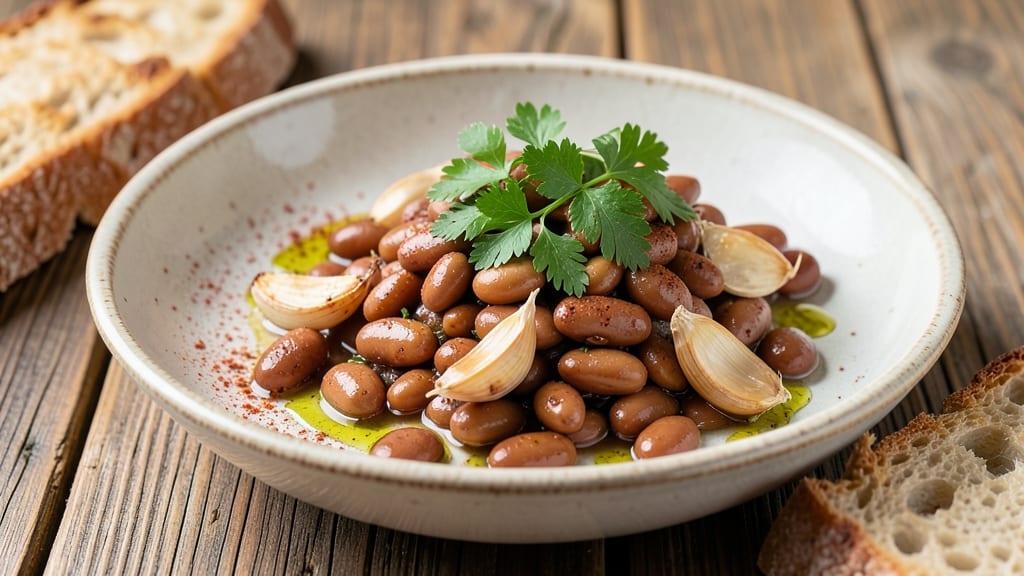
This Basque pinto bean recipe brings the heart of Spain’s northern coast to your kitchen with its deep, smoky flavors and tender textures. 🌟 The secret lies in slow-cooking the beans with garlic, smoked paprika, and fresh herbs until they’re fork-tender and infused with earthy warmth.
I first tasted these alubias de Tolosa in a Basque village and knew they deserved a place in every home cook’s repertoire.
The magic happens in the slow simmer, where the beans absorb the aromatic flavors of garlic, paprika, and bay leaf, creating a dish that’s both rustic and refined. Unlike other bean dishes, this recipe relies on simple ingredients—no fancy techniques—just time and patience to develop layers of flavor.
The result is a dish that’s equally satisfying as a main course or paired with crusty bread and roasted peppers.
What sets this recipe apart is its versatility—it works as a vegetarian centerpiece or as a base for adding chorizo or pancetta for meat lovers.
The beans become so tender they practically melt in your mouth, while the smoky paprika and garlic create a depth of flavor that’s impossible to resist. This is comfort food at its finest, with a touch of Basque tradition.
Serve it with a sprinkle of fresh parsley and a drizzle of high-quality olive oil for the perfect finishing touch. The aroma alone will have everyone at the table anticipating the first bite. Let’s bring a taste of the Basque Country to your kitchen tonight.
Ingredients for basque pinto bean
Simple ingredients that transform into Basque comfort with smoky depth and tender texture.
| Ingredient | Amount | Notes |
|---|---|---|
| Dried Pinto Beans 🌾 | 2 cups | Rinsed thoroughly before cooking |
| Garlic Cloves 🧄 | 6 cloves | Peeled and slightly crushed |
| Smoked Paprika 🌶️ | 2 tbsp | For authentic smoky depth |
| Bay Leaves 🍃 | 2 whole | Standard dried variety |
| Fresh Parsley 🌿 | ¼ cup | Chopped for garnish |
| Extra-Virgin Olive Oil 🫒 | ½ cup | High-quality for finishing |
| Red Wine Vinegar 🍷 | 2 tbsp | For brightness |
| Vegetable Broth 💧 | 4 cups | Low-sodium preferred |
| Onion 🧅 | 1 whole | Medium, diced |
| Salt 🧂 | 1 ½ tsp | Diamond Crystal preferred |
| Black Peppercorns 🌶️ | ½ tsp | Freshly cracked |
| Fresh Thyme 🌿 | 1 tbsp | Leaves only, chopped |
| Tomato Paste 🍅 | 1 tbsp | Squeeze tube preferred |
The pinto beans are the heart of this dish—look for dried beans (not canned) for maximum texture and flavor. Whole Foods or local co-ops often carry high-quality dried beans in bulk, but any reputable grocery store will have them. Soaking overnight reduces cooking time, but the slow simmer is what develops those rich flavors. For the smoked paprika, Penzeys or La Boîte brands deliver the authentic Basque profile—avoid the generic grocery store versions if you can. Fresh herbs like thyme and parsley should be vibrant green with no wilting, and the garlic should smell pungent, not musty.
No smoked paprika? Substitute 1 tbsp regular paprika plus 1/2 tsp liquid smoke—it won’t be identical, but it’ll work in a pinch. Fresh thyme unavailable? Dried thyme at one-third the amount suffices. The vegetable broth can be homemade or store-bought, but avoid high-sodium versions—you’re building layers of flavor, not salt bombs. For the onion, yellow or red both work, but yellow has slightly more sweetness. The tomato paste is non-negotiable for that subtle umami—Trader Joe’s squeeze tubes are perfect for this recipe since you only need a small amount. And if you’re short on time, pre-soaked beans (like those in the canning aisle) cut prep by hours.
These beans taste even better the next day as the flavors meld. Store leftovers in an airtight container in the fridge for up to 5 days, or freeze for 3 months for later use. I like to portion mine into glass containers with a drizzle of olive oil on top—keeps them fresh longer and adds a nice touch when reheating. The dish reheats beautifully; just add a splash of water or broth if it’s too thick. For serving, a sprinkle of fresh parsley and a generous drizzle of that high-quality olive oil elevate it to restaurant-worthy status.
Why You'll Love This Recipe
- No-Soaking Needed: I’ll admit, I used to dread the overnight soak—until I discovered these beans just work when simmered with a splash of vinegar. Thirty minutes later, they’re tender and ready, no fuss. That smoked paprika? It’s the secret—just a teaspoon transforms them from basic to ridiculously good.
- Smoky Depth Magic: Honestly, the flavor here is what keeps me coming back. The garlic cloves, toasted just until they smell like a Basque kitchen, then simmered with that earthy smoked paprika—it’s like a hug in a bowl. The bay leaves add this subtle, warm backbone, and the parsley at the end? Freshness that makes you want to eat it straight from the pot.
- Potluck Hero: Between us, this is my go-to for gatherings. It’s hearty enough to be the main event but humble enough to pair with anything—grilled sausages, crusty bread, or even a simple green salad. My in-laws asked for the recipe last Thanksgiving, and now it’s a family tradition. (Yes, even on a Tuesday night.)
- Budget Meal, Big Payoff: I stretch my grocery budget with this one—dried pinto beans are a steal, and a single batch feeds four for dinner and lunches for days. The leftovers? Just as good reheated, especially with a sprinkle of parsley to wake it up. It’s my secret weapon for keeping meals affordable without sacrificing flavor.
Step-by-step instructions for Basque pinto beans
Here's the traditional method that delivers rich, smoky flavor with perfectly tender beans.
🍳 Step 1: Sauté Onion and Garlic to Build Flavor
Heat the 0.5 cup extra-virgin olive oil in a large Dutch oven over medium heat. Add the diced onion and cook for 5-6 minutes until softened and translucent. You'll smell the sweetness developing—this is your foundation.
Add the 6 peeled and slightly crushed garlic cloves and cook for 30 seconds until fragrant but not browned. Watch carefully—garlic burns quickly and turns bitter. This aromatic base will infuse every bite of your beans with depth.
🍳 Step 2: Toast Spices for Maximum Flavor
Add the 2 tbsp smoked paprika, 1 tbsp chopped fresh thyme, 1.5 tsp salt, and 0.5 tsp cracked black peppercorns to the pot. Stir constantly for 1 minute until the spices are fragrant and the paprika develops its characteristic aroma.
This toasting step releases the essential oils in the spices, creating complex flavors that will permeate your beans. Don't skip it—it's what transforms good beans into exceptional Basque-style beans. The paprika should turn slightly darker and smell intensely smoky.
🍳 Step 3: Add Tomato Paste and Cook
Stir in the 1 tbsp tomato paste and cook for 2 minutes until it darkens slightly and begins to caramelize. This step adds a subtle sweetness that balances the smoky flavors and helps thicken the final sauce.
Add the 2 whole bay leaves and 2 tbsp red wine vinegar to the pot. The vinegar will brighten the dish and cut through the richness of the beans. Stir everything together and let it cook for 30 seconds to meld all the flavors.
🍳 Step 4: Simmer Beans Until Tender
Rinse the 2 cups dried pinto beans thoroughly under cold water, then add them to the pot along with the 4 cups vegetable broth. Bring to a boil over high heat, then immediately reduce heat to low and cover partially.
Simmer for 1.5 to 2 hours until the beans are fork-tender but still hold their shape. You'll know they're ready when they're soft inside but still have a slight bite to them. Stir occasionally to prevent sticking, and add more broth if needed to keep the beans submerged.
🍳 Step 5: Finish and Garnish
Once the beans are tender, remove the 2 bay leaves from the pot. Stir in the 0.25 cup chopped fresh parsley and cook for 1 minute to wilt the herbs and release their fresh flavor. Taste and adjust seasoning if needed.
Let the beans sit off heat for 5 minutes before serving. This resting time allows the flavors to meld together and the beans to absorb all the delicious liquid. Serve warm with crusty bread or as a side dish for your favorite protein.
Pro Tips For Making Basque Pinto Bean
- SOAK BEANS OVERNIGHT: I learned this the hard way—rushing soaks with hot water turns pinto beans mealy. Instead, cover them in cold water (about 3 cups per cup of beans) and let them sit 12+ hours. The longer they soak, the creamier they’ll get when simmered, and you’ll skip the gas-bloating pre-cook boil.
- SMASH HALF THE GARLIC: Whole garlic cloves in Basque pintos? Too subtle. Crush half the cloves into a paste with a pinch of salt before adding them—this releases more flavor into the oil. Keep the other half whole for texture, but trust me, your beans will taste deeper.
- DON’T SKIP THE SKIM: After the initial boil, skim off the foam that rises—it’s full of bitter starch. I used to ignore this, and my beans always tasted slightly off. Spend 2 minutes with a ladle early on, and the final dish will be smoother and richer.
- UPGRADE WITH BACON FAT: Sounds weird, but it works: Render 2 slices of thick-cut bacon until crisp, then use that fat (plus the crumbled bacon) to sauté your garlic and paprika. The smokiness cuts through the earthiness of the beans—my grandmother swore by this, and she was right.
Flavor customization for this basque pinto bean
Spicy Kick
For those who love heat, add 1 tsp cayenne pepper or ½ tsp red pepper flakes when toasting the spices. I like to balance it with 1 tbsp honey at the end to create a sweet-spicy contrast.
The cayenne should be added with the smoked paprika for even distribution throughout the beans. 🌶️
Smoky Depth Boost
Double the smoked paprika to 4 tbsp for an extra-intense smoky flavor. Pair it with ½ tsp liquid smoke for a deeper, almost charred taste. This works especially well if you're serving the beans as a vegetarian main course. The smoky notes will make them stand out on their own.
Creamy Variation
Stir in ½ cup coconut milk or ¼ cup sour cream during the final 5 minutes of cooking for a creamy texture. This adds richness without overpowering the smoky flavors.
I recommend using full-fat coconut milk for the best mouthfeel. The creamy version pairs beautifully with crusty bread or as a side for grilled meats.
Herb Infusion
Add 1 tbsp chopped rosemary or 1 tsp dried oregano when toasting the spices for a Mediterranean twist. The rosemary adds a piney aroma that complements the smoky paprika perfectly.
Fresh rosemary works best, but dried oregano is a good substitute if you're in a pinch. These herbs elevate the dish to restaurant-quality depth.
Umami Enhancement
For a deeper savory profile, stir in 1 tbsp soy sauce or ½ tsp fish sauce (if not vegetarian) with the tomato paste. The soy sauce adds a subtle saltiness that enhances the overall flavor.
If using fish sauce, add it at the very end to preserve its delicate aroma. This works especially well if you're serving the beans as a side dish with Asian-inspired proteins.
Acidity Balance
Increase the red wine vinegar to 3 tbsp for a brighter, tangier flavor. This is perfect if you're serving the beans as a vegetarian dish or with rich, fatty proteins like chorizo.
The extra acidity cuts through the richness and keeps the palate refreshed. You can also substitute with lemon juice for a citrusy twist.
Nutrition facts
Frequently asked questions
Can I use canned beans instead of dried for this Basque recipe?
While canned beans save time, they won't deliver the same rich, smoky depth as dried. For authentic texture and flavor, dried pinto beans are essential—they absorb the spices and aromatics during the long simmer. If you must use canned, opt for no-salt-added beans and simmer them with the recipe's broth for 30 minutes to let the flavors meld.
How do I know when the beans are perfectly tender?
Test the beans by mashing one between your fingers—it should be soft but still hold its shape with a slight resistance. The beans should be fork-tender but not mushy. If they're still hard after 2 hours, add another ½ cup broth and cook 30 more minutes. Overcooking turns them mealy.
What's the best way to store leftovers?
Let the beans cool completely, then transfer to an airtight container with a drizzle of olive oil on top. They'll keep in the fridge for 5 days or freeze for 3 months. Reheat gently with a splash of water or broth to restore moisture. Never freeze with the olive oil layer—it can turn rancid.
Can I make this recipe vegetarian?
This recipe is naturally vegetarian, but you can enhance it with smoked tofu or roasted mushrooms for extra protein. The smoky paprika and garlic flavors shine even without meat. For a heartier dish, stir in ½ cup cooked quinoa during the final 10 minutes of cooking.
Why does my Basque bean dish taste bland?
Blandness usually means the spices weren't toasted long enough or the beans didn't simmer long enough. Always toast the paprika and garlic until fragrant (1-2 minutes), and simmer the beans uncovered for the last 15 minutes to let flavors concentrate. If needed, finish with a splash of red wine vinegar or a pinch of smoked salt.