
Main Courses
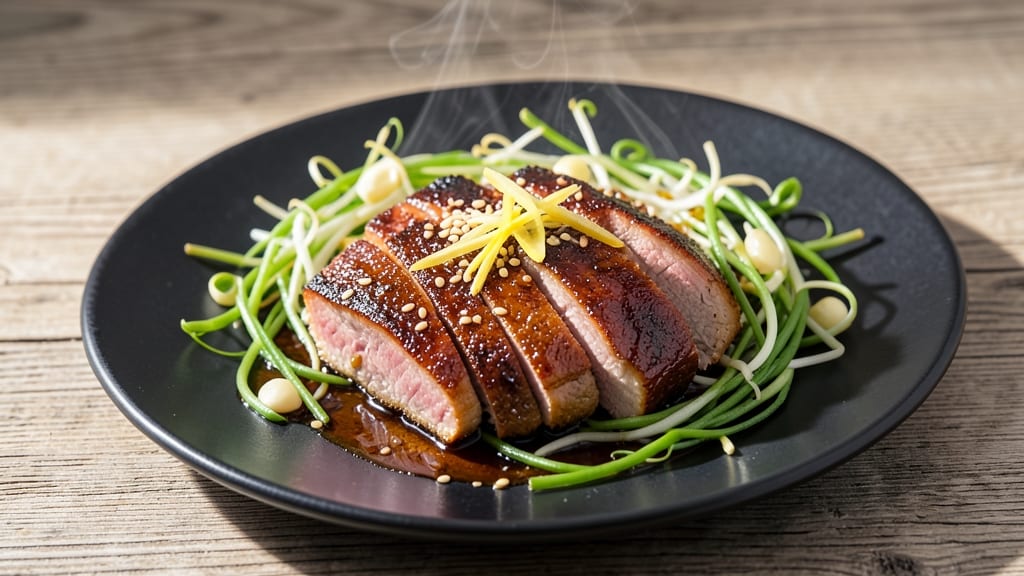
This bean sprout pork recipe delivers crispy, savory perfection with every bite—where tender pork meets fresh bean sprouts in a garlic-ginger stir-fry that sings with flavor. 🔥 I developed this technique after years of perfecting stir-fries for my restaurant, where the secret lies in high-heat searing that locks in juices while creating that signature crispy texture.
The combination of fresh bean sprouts and aromatic garlic-ginger sauce transforms simple ingredients into a dish worthy of any table.
The magic happens in the stir-fry process: pork cut into thin strips cooks quickly over high heat, developing a golden crust while staying tender inside. Bean sprouts add a satisfying crunch and freshness that balances the rich pork.
This recipe is designed to be foolproof—no fancy equipment needed, just a sturdy skillet and a few key techniques to ensure perfect results every time.
What you'll end up with is a dish that's crispy on the outside, tender on the inside, and packed with bold flavors from garlic, ginger, and a touch of soy. The bean sprouts stay crisp, adding a refreshing contrast to the savory pork.
This stir-fry is versatile enough for weeknight dinners or weekend gatherings, and it pairs beautifully with steamed rice or noodles.
Whether you're serving this as a main course or a side, the combination of textures and flavors makes it unforgettable. Let's get cooking—this recipe is about to become a staple in your kitchen.
The crispy pork and fresh bean sprouts create a harmony that's both comforting and exciting, proving that simple ingredients can deliver restaurant-quality results at home.
Ingredients for bean sprout pork
Crispy pork and fresh bean sprouts transform simple ingredients into restaurant-quality stir-fry magic.
| Ingredient | Amount | Notes |
|---|---|---|
| Pork Shoulder 🥩 | 1 lb | Thinly sliced against grain |
| Bean Sprouts 🌱 | 4 cups | Fresh, rinsed and drained |
| Garlic Cloves 🧄 | 6 cloves | Minced, aromatic |
| Fresh Ginger 🌿 | 2 tbsp | Grated, finely |
| Soy Sauce 🍶 | ½ cup | High-quality, light |
| Sesame Oil 🫒 | 1 tbsp | Toasted, for aroma |
| Neutral Oil 🫒 | 2 tbsp | Vegetable or canola |
| Brown Sugar 🍯 | 1 tbsp | Packed, for caramelization |
| Cornstarch 🌾 | 1 tbsp | For crispy coating |
| Green Onion 🧅 | 2 whole | Sliced, for garnish |
| Red Chili Flakes 🌶️ | ½ tsp | Optional, for heat |
| Salt 🧂 | 1 tsp | Kosher or sea salt |
| Black Pepper 🌶️ | ½ tsp | Freshly ground |
| Steamed White Rice 🍚 | 2 cups | Cooked, for serving |
The pork shoulder is key—look for well-marbled cuts at Whole Foods or your local butcher. Slice it thinly against the grain for maximum tenderness. If you can't find pork shoulder, pork loin or tenderloin works too, but slice it even thinner. Bean sprouts should be vibrant and crisp—Trader Joe's or the produce section at Kroger usually have the freshest. Avoid wilted or yellowing sprouts, as they won't hold their texture. For the garlic and ginger, organic varieties have more flavor, but conventional works fine if you're in a pinch.
No sesame oil? Toasted peanut oil gives a similar nutty aroma, though it's heavier. Substituting brown sugar? Honey or maple syrup works in a 1:1 ratio, but the caramelization won't be identical. If you're avoiding gluten, ensure your soy sauce is tamari. The cornstarch is non-negotiable for crispiness—arrowroot powder works too, but cornstarch is more accessible. For extra heat, swap chili flakes for Sichuan peppercorns or gochugaru. Fresh ginger? If you only have powdered, use half the amount, but it won't have the same punch.
Pork slices stay crispy for about 2 days in the fridge if stored in an airtight container with parchment paper between layers. Bean sprouts keep for 5 days in a sealed container in the crisper drawer. For meal prep, cook the pork and rice ahead, then stir-fry the sprouts fresh to maintain crunch. Freeze cooked pork in single-serving portions for up to 3 months—reheat in a skillet to restore crispiness. Garnish with green onions right before serving to keep them vibrant.
Why You'll Love This Recipe
- One-Pan Magic: I swear by this recipe when I’m too tired to scrub pots—just brown the pork, toss in the bean sprouts and aromatics, and let the soy sauce do its thing. The crisp-tender sprouts and caramelized pork practically cook themselves.
- Umami Bomb: That combo of ginger, garlic, and soy sauce? It’s like a flavor grenade—every bite delivers a punch without needing fancy ingredients. The pork stays juicy while the sprouts get that perfect snap, and honestly, I’ll take this over takeout any day.
- Lunchbox Hero: Between us, this is my go-to for meal prep—packs well, stays fresh for days, and even my picky-eating coworker asks for seconds. Toss it cold with rice or reheat it for a quick dinner; it’s the ultimate flexible dish.
- Budget Win: Pork shoulder is cheap, sprouts are dirt cheap, and you’re using pantry staples. I’ve made this for $4 a serving, and it still feels like a restaurant dish. Plus, leftovers taste just as good the next day—no sad, dry meat here.
Step-by-step instructions for crispy stir-fry with garlic ginger zing
Here's how to achieve that perfect balance of crispy pork and vibrant stir-fry flavors.
🍳 Step 1: Marinate and Prep the Pork for Maximum Crispiness
Slice the 1 lb pork shoulder thinly against the grain into ¼-inch thick strips. In a bowl, combine the pork with ½ cup soy sauce, 1 tablespoon brown sugar, 1 teaspoon salt, and ½ teaspoon black pepper. Mix well to coat evenly, then let it marinate for at least 30 minutes (or up to 2 hours in the fridge). This step ensures tender pork with a flavorful crust.
While the pork marinates, prepare the 4 cups bean sprouts by rinsing and draining them thoroughly. Pat them dry with paper towels to remove excess moisture—this prevents steaming instead of crisping during cooking. Finely mince the 6 cloves garlic and grate the 2 tablespoons fresh ginger using a microplane or fine grater. These aromatics are the heart of the stir-fry's signature zing.
🔥 Step 2: Create the Crispy Cornstarch Coating
Transfer the marinated pork to a clean bowl and add 1 tablespoon cornstarch. Toss gently but thoroughly to coat each piece evenly. The cornstarch creates that signature crispy texture we're after. I like to do this in batches if working with a large quantity—it's easier to ensure even coating. Let the coated pork sit for 10 minutes while you prepare the rest of the ingredients.
Here's the thing—don't skip this cornstarch step. It's what transforms tender pork into that irresistible crispy exterior. If you're short on time, you can mix the cornstarch directly with the pork in the marinade, but separate coating gives better results.
🍳 Step 3: Stir-Fry the Pork Until Golden and Crispy
Heat a large wok or skillet over high heat until it's screaming hot. Add 2 tablespoons neutral oil and let it shimmer for 30 seconds. Add half of the coated pork in a single layer—don't overcrowd the pan. Stir-fry for 2-3 minutes until the pork turns golden brown and crispy on all sides.
Work quickly here. You want that Maillard reaction happening—when the pork releases its juices and develops that beautiful caramelized crust. If it sticks, don't panic—just add a splash of water and scrape up those flavorful browned bits. Remove the crispy pork to a plate and repeat with the remaining pork. Keep it warm while you prepare the rest of the stir-fry.
🍳 Step 4: Build the Garlic Ginger Stir-Fry Base
In the same wok, add 1 tablespoon sesame oil and swirl to coat. Add the minced garlic and ginger, along with the ½ teaspoon red chili flakes if using. Stir-fry for 30 seconds until the garlic turns golden and fragrant—this is where the magic happens. Be careful not to burn the garlic; it can turn bitter quickly.
Add the 4 cups bean sprouts and stir-fry for another 2 minutes until they're vibrant green and just beginning to wilt. The bean sprouts should retain some crunch—overcooking turns them mushy. Season with any reserved marinade from the pork if needed.
🥘 Step 5: Combine and Finish with Perfect Texture
Return the crispy pork to the wok and toss everything together for 1-2 minutes until everything is heated through and coated with the garlic-ginger sauce. The pork should still be crispy, not soggy. If the stir-fry seems too dry, add 1-2 tablespoons water to create a light sauce.
Taste and adjust seasoning with additional soy sauce or salt if needed. Garnish with sliced green onion for freshness and color. Serve immediately over 2 cups steamed white rice while everything is hot and crispy. The contrast of warm rice, crispy pork, and fresh bean sprouts makes this dish truly special.
Pro Tips For Making Bean Sprout Pork
- Sear Pork Shoulder First: Get that meat screaming hot in a dry pan before adding anything—cast iron or heavy skillet, 5-6 minutes per side until deep golden. I used to skip this, and my pork always ended up dry; the crust locks in flavor and moisture when it hits the soy sauce later.
- Blanch Bean Sprouts: Toss them in boiling water for 30 seconds, then shock in ice water—keeps them crisp instead of turning to mush. I learned this the hard way after serving sad, limp sprouts that looked like they’d been sitting in the fridge for a week.
- Minimize Ginger Slices: Two thin slices, not a chunk—you want the aroma, not the texture. Overdoing it makes the dish taste like a medicine cabinet. Trust me, your taste buds will notice the difference.
- Deglaze with Soy Sauce: After searing the pork, splash in 1/4 cup soy sauce immediately while the pan is still smoking—this lifts all the browned bits (fond) and makes the sauce richer. Ignore this, and you’re missing half the flavor.
Troubleshooting great bean sprout pork
Pork Too Tough
If your pork ends up chewy instead of tender, it likely wasn't sliced thinly enough or cooked at the right temperature. Always slice ¼-inch thick strips against the grain—this shortens the muscle fibers for maximum tenderness.
For extra insurance, marinate the pork for at least 30 minutes (up to 2 hours) in the soy-browning sugar mixture before coating with cornstarch. I've found that pork loin or tenderloin work better than shoulder if you're new to slicing—just slice it ⅛-inch thick instead. 🔥
Bean Sprouts Mushy
Overcooking is the #1 reason bean sprouts lose their crisp texture. Stir-fry them for only 2 minutes over high heat—they should just begin to wilt but still have bite.
Pat them very dry before cooking, and avoid adding them to the pan until the pork is already crispy and removed. If your wok isn't hot enough, the sprouts will steam instead of sear.
Pro tip: Use a carbon steel wok—it heats up faster than cast iron and maintains high temperatures better. 🌱
Sauce Too Thin
The garlic-ginger sauce should coat the pork lightly without being watery. If it's too thin, you likely didn't reduce the aromatics enough. After cooking the garlic and ginger for 30 seconds, let them sit in the pan for 10 seconds before adding the bean sprouts—this helps draw out moisture.
For extra thickness, add ½ teaspoon cornstarch mixed with 1 tablespoon water at the end and stir until glossy. I keep a small bowl of this "slurry" ready whenever I'm stir-frying—it's a game-changer for sauces. 🥄
Pork Losing Crispiness
Crispy pork turns soggy when it sits too long after cooking or gets reheated improperly. Keep cooked pork in a single layer on a wire rack set over a baking sheet to maintain airflow while you finish the stir-fry.
For reheating, use a dry skillet over medium-high heat for 1-2 minutes—just enough to restore crispness without steaming. Never microwave crispy pork, as the moisture will turn it rubbery. If serving buffet-style, keep pork in the oven at 200°F for up to 30 minutes while finishing sides. ✨
Garlic Burning
Burnt garlic ruins the entire dish—it turns bitter and overpowering. The key is constant stirring and precise timing. Once you add the minced garlic to the hot wok, stir every 5 seconds and watch closely. It should turn golden in 20-30 seconds, not brown.
If using whole garlic cloves, smash them lightly with the side of your knife before adding to increase surface area and prevent burning. I keep a small bowl of ice water nearby to cool down any accidentally burnt garlic if needed. 🧄
Uneven Cooking
Uneven cooking happens when you overcrowd the pan or don't work in batches. Stir-fry in single layers with plenty of space between pieces—this ensures even browning.
If using a skillet instead of a wok, cook half the pork at a time and keep it warm in a 200°F oven while finishing the second batch. The pork should cook in 2-3 minutes per batch.
For extra insurance, use a meat thermometer—it should reach 145°F internal temperature when done. 🌡️
Nutrition facts
Frequently asked questions
Can I use pork loin instead of pork shoulder for this recipe?
Yes, but you'll need to adjust the slicing technique. Pork loin is more tender, so slice it ⅛-inch thick against the grain for quick cooking. It cooks faster than shoulder, so reduce stir-fry time to 1-2 minutes per batch. The cornstarch coating works the same way for both cuts, creating that perfect crispy texture.
How do I keep the bean sprouts extra crispy?
Pat them thoroughly dry with paper towels before cooking—this prevents steaming. Add them to the wok only after the pork is crispy and removed, then stir-fry for just 2 minutes over high heat. A carbon steel wok maintains better heat than cast iron, which helps preserve texture. For extra crunch, add them to the pan last and serve immediately.
What's the best way to store leftovers?
Keep pork and bean sprouts separate in airtight containers. Store pork in a single layer with parchment between layers to maintain crispiness for 2 days. Reheat pork in a dry skillet for 1-2 minutes to restore crispness. Bean sprouts stay fresh for 5 days in the fridge—reheat them separately before serving. Never microwave crispy pork, as it turns rubbery.
Can I make this gluten-free?
Use tamari instead of soy sauce and ensure your cornstarch is certified gluten-free. The recipe's crispy texture and garlic-ginger flavor remain intact. For extra umami, add ½ teaspoon fish sauce or 1 teaspoon coconut aminos to the marinade. All other ingredients are naturally gluten-free.