
Sauces & Condiments
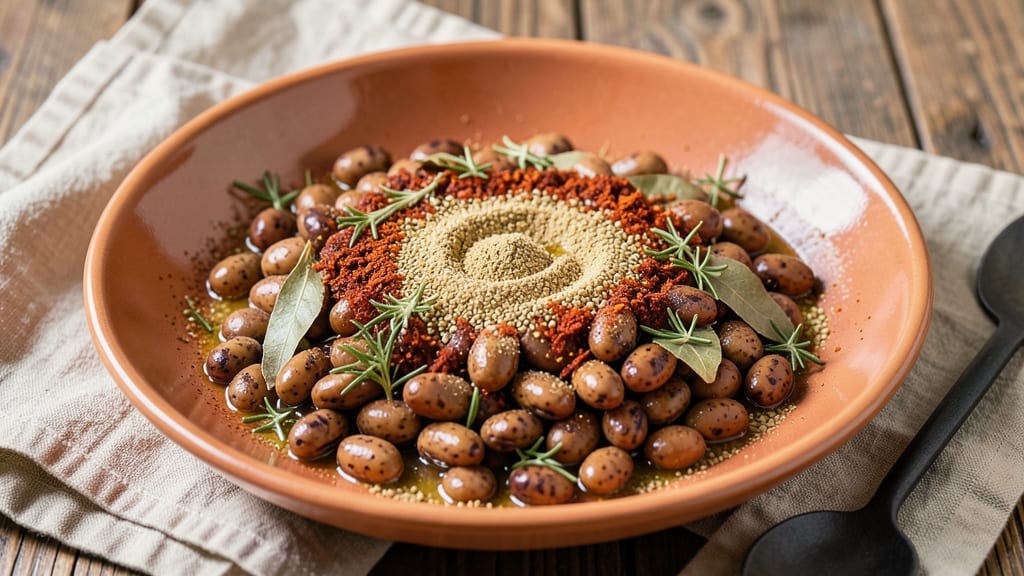
This Badia Pinto bean seasoning recipe transforms simple beans into a flavor powerhouse with just a sprinkle. 💛 The secret lies in deep-roasting spices to unlock their natural oils and aromas, creating layers of earthy, smoky depth that clings perfectly to the beans' nutty profile.
Unlike store-bought blends, this mix uses whole spices for maximum intensity and shelf stability.
The blend combines classic Latin American flavors with a touch of warmth from cumin and smoked paprika, balanced by bright oregano and bay leaf. Each spice is toasted separately to enhance its individual character before being ground together—this step makes all the difference in flavor complexity.
The result is a versatile seasoning that elevates beans in soups, stews, or even as a rice topping.
What makes this seasoning truly special is its ability to transform basic beans into a restaurant-quality side dish with minimal effort. The spices develop a rich, toasty aroma that permeates every bite, while the earthy notes complement the beans' natural sweetness.
Plus, it keeps for months in an airtight container, making it a pantry essential for any home cook.
Perfect for hearty meals like black bean soup or rice and beans, this seasoning brings professional-level flavor without the fuss. Once you try it, you'll never go back to bland beans again. Let's create this flavor-packed blend that will become your new kitchen staple.
Ingredients for badia pinto bean seasoning
Nine whole spices, toasted and blended for restaurant-quality bean flavor.
| Ingredient | Amount | Notes |
|---|---|---|
| Ground Cumin Seeds 🌿 | 2 tbsp | Toasted for maximum aroma |
| Smoked Paprika 🌶️ | 1 ½ tbsp | High-quality for smoky depth |
| Mexican Oregano 🍃 | 1 tbsp | Fresh or dried, vibrant flavor |
| Bay Leaves 🌿 | 1 whole | Dried, crushed lightly |
| Garlic Powder 🧄 | 1 tbsp | Freshly ground preferred |
| Onion Powder 🧅 | 1 tbsp | No added MSG |
| Ground Coriander 🍊 | 1 tbsp | Toasted for citrusy notes |
| Black Peppercorns 🌶️ | ½ tbsp | Coarsely cracked |
| Ground Cloves 🌿 | ½ tsp | Whole cloves preferred |
| Salt 🧂 | 1 tsp | Diamond Crystal preferred |
The cumin and coriander are the stars here. Buy whole seeds from bulk bins at Whole Foods or Trader Joe's—they toast better than pre-ground. Smoked paprika should have a deep, rich color (not pale yellow). The Mexican oregano is non-negotiable—regular oregano won't give you that same earthy punch. I always grab mine at Latin markets where they sell it in little bags. Toast each spice separately in a dry pan until fragrant—this unlocks their oils and makes all the difference in flavor depth.
No smoked paprika? Regular paprika plus a pinch of liquid smoke works in a pinch. Running out of coriander? Cumin plus a dash of orange zest gets you close. The bay leaves can be whole or crushed—just make sure they're dried, not fresh. Want more heat? Add a pinch of cayenne. For a milder blend, reduce the black peppercorns to 1/4 tbsp. And if you're feeling fancy, toast the whole spices with a tiny bit of neutral oil to prevent burning.
Store in an airtight glass jar away from light—keeps its flavor for 6-12 months. I make a double batch every time so I always have some on hand. The toasted spices mellow slightly over time, but they never lose their depth. Perfect for sprinkling over beans, rice, or even roasted veggies. If you're using it in a soup or stew, add it at the end of cooking to preserve those toasty notes.
Why You'll Love This Recipe
- No-Measure Guessing: I just eyeball the spices—pinch of cumin, dash of smoked paprika—until it smells right. Honestly, that’s when you know it’s perfect: the moment your kitchen smells like a Mexican street corner at dusk.
- Earthy Smoke Bomb: The smoked paprika and cumin give this a deep, almost charred warmth that sticks to everything. I swear, even my picky husband licks the spoon when I’m mixing it.
- Instant Flavor Upgrade: Dull rice? Boring beans? Toss a spoonful in and suddenly it’s ridiculously good. I keep a jar in my pantry for when I need a quick fix—like when I’m staring at a sad pot of lentils at 9 PM.
- Spice Bank Savings: A single batch stretches across three meals for my family of four. Between us, we’ve used it on eggs, roasted potatoes, and even scrambled into tortillas—no waste, just flavor. My grocery budget thanks me.
Step-by-step instructions for Badia pinto bean seasoning
Let's create this aromatic blend that transforms simple beans into a restaurant-worthy dish.
🔥 Step 1: Toast the Whole Spices for Maximum Flavor
Start by lightly crushing the 1 whole bay leaves between two sheets of parchment paper using a rolling pin. This releases their essential oils without turning them to dust. Then, in a dry skillet over medium-low heat, toast the 2 tablespoons ground cumin seeds and 0.5 tablespoons black peppercorns for 2-3 minutes until fragrant and just beginning to darken.
Here's the thing—don't walk away. Watch for the moment when the spices release their aroma (you'll smell it instantly) and their color deepens slightly. This dry toasting enhances their natural oils and creates that deep, toasty base for your seasoning. Remove from heat immediately after toasting—over-toasting turns spices bitter.
👨🍳 Step 2: Combine All Ingredients in a Mixing Bowl
In a medium bowl, add the toasted spices along with the remaining ingredients: 1.5 tablespoons smoked paprika, 1 tablespoon Mexican oregano, 1 tablespoon garlic powder, 1 tablespoon onion powder, 1 tablespoon ground coriander, 0.5 teaspoons ground cloves, and 1 teaspoon salt. I like to use a fork first to break up any clumps in the smoked paprika—it's often sold in dense blocks.
Use your fingers or a small whisk to gently combine everything. You want an even distribution where every pinch contains a balanced mix of all the spices. This is where the magic happens—the combination of toasted cumin, smoky paprika, and warm spices creates that signature Badia bean flavor profile.
🔪 Step 3: Grind the Mixture for Uniform Texture
Transfer the spice blend to a spice grinder or clean coffee grinder (dedicated for spices only). Pulse in 3-4 second bursts until you achieve a fine, even texture—somewhere between coarse and powdery. You're aiming for consistency where you can't easily pick out individual spices when you taste it.
Real talk: don't over-grind or you'll lose the aromatic qualities. The moment it starts looking like fine powder, stop. If you don't have a grinder, you can use a mortar and pestle, but it takes more elbow grease. The goal is to break down the larger pieces while preserving as much surface area as possible for maximum flavor release.
⏰ Step 4: Store Properly for Long-Lasting Freshness
Transfer the freshly ground seasoning to an airtight container—glass jars work best for preserving flavor. Seal tightly and store in a cool, dark place like your pantry. This blend will keep its vibrant flavors for up to 3 months, though I find it's most potent in the first 4-6 weeks after grinding.
When ready to use, shake the container well before each application. This seasoning transforms simple pinto beans into a hearty, flavorful dish. The key is to add it gradually—start with 1 teaspoon per pound of dried beans and adjust to taste. For Badia beans specifically, you'll want to add it during the last 30 minutes of cooking to let those aromatic oils infuse deeply.
Pro Tips For Making Badia Pinto Bean Seasoning
- TOAST THE CUMIN FIRST: I learned this the hard way—raw ground cumin tastes bitter and dull in the mix. Dry-toast it in a small pan over medium heat for 30 seconds until fragrant, then grind it fresh if possible. That smoky aroma is the foundation of your seasoning, and skipping this step makes the whole blend taste flat.
- USE WHOLE BAY LEAVES: Crush them lightly between your palms before adding to the mix—just enough to release their oils without turning the seasoning into sawdust. Whole bay leaves left intact? You’ll end up with a gritty, uneven texture that ruins the smoothness of the blend.
- STORE SMOKED PAPRIKA PROPERLY: This isn’t just about taste—it’s about preserving that deep, smoky punch. Keep it in an airtight container away from light, and if you’re making a big batch, divide it into smaller portions. Smoked paprika loses its kick fast, and you’ll regret it when your beans taste bland instead of rich.
- SKIP THE GARLIC POWDER IF FRESH IS AN OPTION: I was skeptical until I tried it—fresh garlic, lightly toasted and minced, adds a complexity powdered garlic just can’t match. If you’re short on time, at least use a high-quality powder, but don’t rely on it as your only garlic fix. The difference shows up in every bite.
Essential equipment for this dish
Spice Grinder Essentials
You'll need a dedicated spice grinder for this recipe—I recommend the OXO Good Grips Spice and Nut Grinder for its durability and consistent grind. If you're on a budget, a small coffee grinder (like the Hamilton Beach 32100) works well, but only use it for spices to avoid cross-contamination.
Never use a food processor—it overheats and burns spices, destroying their delicate flavors. 🌶️
Dry Skillet for Toasting
A 10-inch cast iron skillet is perfect for toasting your spices—it retains heat evenly and prevents burning. If you don’t have cast iron, a stainless steel skillet works too.
Avoid nonstick—it can’t handle the high heat needed to properly toast spices. Keep your heat at medium-low to prevent scorching, which turns spices bitter.
Storage Containers
For long-term storage, use a glass jar with an airtight lid—I love the Le Parfait 16oz Ambient Air Tight Container for its seal and dark glass that blocks light.
Mason jars also work well. Avoid plastic containers—they absorb odors and can degrade over time, affecting your seasoning’s flavor. Label your jar with the date to track freshness.
Optional Tools
A rolling pin helps crush bay leaves gently without turning them to dust. For measuring, a small measuring spoon set (like the OXO Good Grips) ensures precision. If you’re making this blend often, consider a mortar and pestle for grinding—it’s old-school but adds a tactile experience.
I keep mine in my spice drawer for quick access.
Heat Source
Your stovetop is all you need, but if you prefer an alternative, a countertop torch (like the Weck Torch) works for small batches. For large batches, a spice roaster (such as the SpiceWorks Roaster) gives you better control over temperature.
Just remember: medium-low heat is key—too much heat ruins the spices.
Nutrition facts
Frequently asked questions
Can I use this seasoning on other types of beans?
This blend works beautifully with navy beans, black beans, or even lentils. The earthy, smoky notes complement the natural sweetness of most beans. For Badia beans specifically, the toasted spices enhance their nutty profile, but don't hesitate to experiment with other varieties. Start with 1 teaspoon per pound and adjust to taste.
How long should I toast the spices for best results?
Toast each spice just until fragrant—typically 2-3 minutes over medium-low heat. Watch closely for color changes and aroma release. Over-toasting turns spices bitter, while under-toasting leaves them flat. The cumin and coriander should darken slightly, while the bay leaves should release their essential oils without burning.
What's the difference between Mexican oregano and regular oregano?
Mexican oregano has a stronger, earthier flavor with hints of thyme and citrus. Regular oregano is milder and more floral. For this recipe, Mexican oregano is essential—it provides the authentic depth that complements Badia beans. You can find it in Latin markets or specialty stores, often labeled as "Mexican oregano" or "oregano mexicano."
Can I make this seasoning without a grinder?
Yes! If you don't have a grinder, use a mortar and pestle for 5-7 minutes of grinding. For a quicker method, place the spices in a clean plastic bag and crush with a rolling pin. Just be patient—you want an even texture without turning it into powder. The goal is to break down larger pieces while preserving the spices' aromatic oils.
How much seasoning should I use for canned beans?
Start with 1 teaspoon per 15-ounce can of beans. Since canned beans are pre-cooked, the seasoning needs less time to infuse. Add it during the last 5 minutes of heating to preserve the toasty aroma. For Badia beans specifically, you might want to use 1.5 teaspoons per can to enhance their natural flavor.